Rosso
Rosso sits in the Santo Antônio de Lisboa district of Florianópolis, a colonial fishing village that has quietly become one of the island's most interesting addresses for serious eating. The neighbourhood's oyster culture and Atlantic coastline position it at the intersection of local ingredient traditions and technique-driven cooking. For the broader Santo Antônio dining scene, EP Club's Florianópolis guide provides full context.
Pearl is the En Primeur Club membership app — saves, bookings, and concierge access live there. Same editors, same standards.
- Address
- Rod. Gilson da Costa Xavier, 201 - Santo Antonio de Lisboa, Florianópolis - SC, 88051-000, Brazil
- Phone
- +554832067665
- Website
- rossorestaurante.com.br
- Directions
- Get directions
 Saves & bookings on Pearl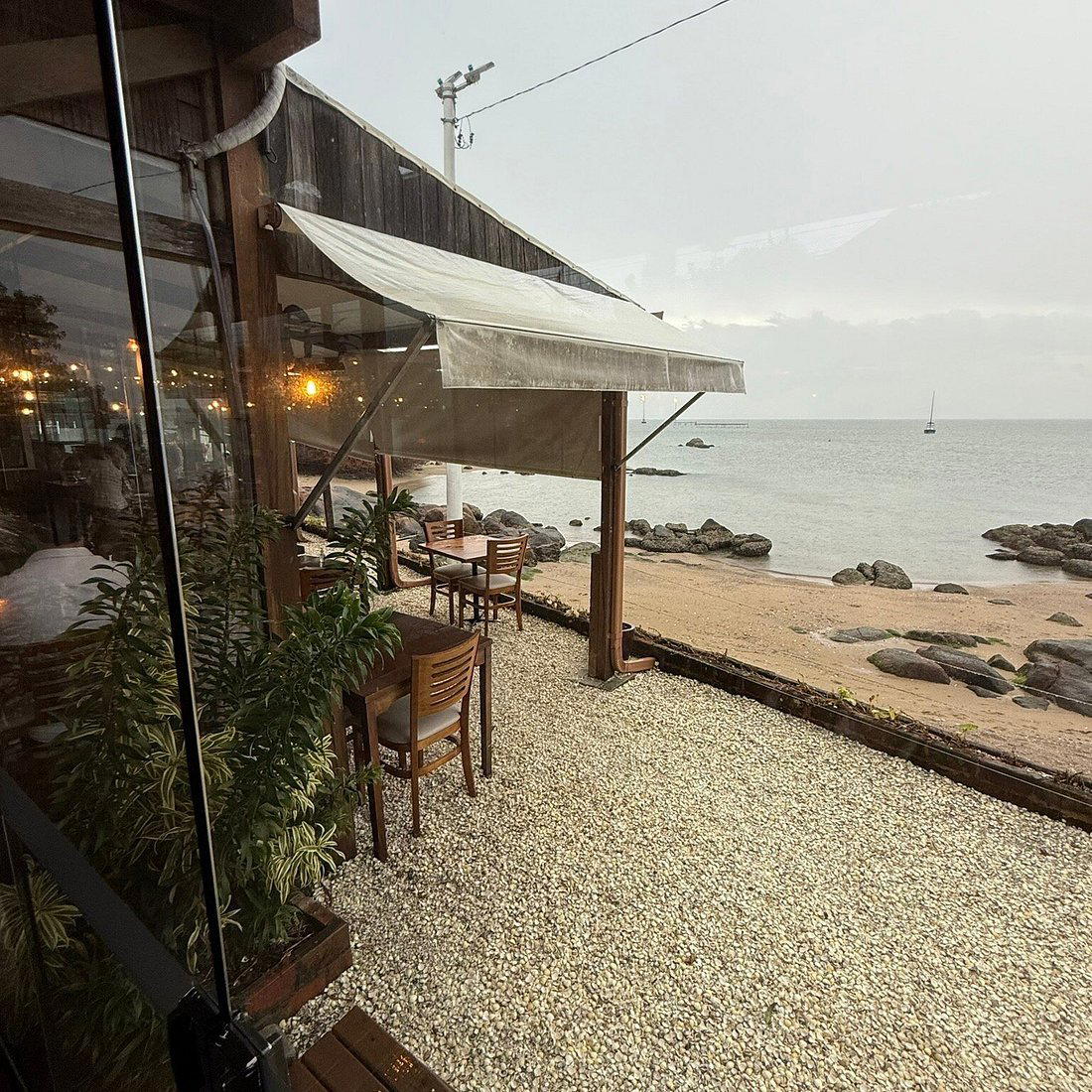
Santo Antônio de Lisboa: Where the Island Eats Seriously
Rosso is a restaurant in Florianópolis, Brazil, serving seafood and Regional Santa Catarina cuisine. The road that runs through Santo Antônio de Lisboa, the Rodovia Gilson da Costa Xavier, does not announce itself as a dining destination. It is a coastal strip on Florianópolis's western shore, edged by mangroves, colonial-era fishing boats, and a village centre that has changed shape slowly enough to retain coherence. Yet this is precisely the neighbourhood that the island's more considered restaurants have gravitated toward over the past decade. The logic is not hard to follow: proximity to Florianópolis's famed oyster beds, direct access to Atlantic seafood landings, and a local population with expectations formed by generations of serious home cooking. Rosso sits on this road, at number 201, embedded in a district that gives any restaurant ambitious about local ingredients an unusually strong foundation to build from.
Florianópolis as a dining city is often underread by travellers arriving from São Paulo or Rio de Janeiro. D.O.M. in São Paulo and Lasai in Rio de Janeiro represent Brazil's most scrutinised fine-dining tier, but Florianópolis has developed its own register, one shaped more by the Atlantic than by any imported fine-dining template. The Santa Catarina coast produces oysters considered among the country's most reliable in quality, along with corvina, robalo, and camarão that arrive at restaurants within hours of landing. Any kitchen that takes that supply chain seriously is already working with stronger raw material than most urban restaurants on the continent can access.
The Logic of Local Ingredients and Imported Technique
The tension that defines cooking in this part of Brazil is not between tradition and modernity, it is between the quality of what the sea provides and the question of what technique does to it. Across the Santa Catarina coast, particularly interesting kitchens have split roughly into two positions: those that treat the local catch with minimal intervention, and those that apply European or Asian method to ingredients that are unambiguously regional. The second approach carries more risk and more potential. When it works, the result is a kind of precision that amplifies what the ingredient already does well. When it fails, the technique overwhelms the product and the restaurant loses the one advantage the location grants it.
This is the editorial context in which Rosso operates. Santo Antônio de Lisboa is not a neighbourhood of experimentation for its own sake, it has a cooking culture with roots in Azorean immigration, and that heritage places specific demands on any restaurant trying to do something more technically ambitious. The Azorean influence on the island's food is not decorative. It shaped which ingredients are valued, how fish is prepared and preserved, and what the local palate considers a complete plate. A kitchen applying French or Japanese technique to Florianópolis oysters or corvina is not working in a vacuum; it is in conversation with that history, whether it acknowledges it or not.
For a sense of how the broader Florianópolis restaurant scene positions itself across different cuisine approaches, the island's major addresses map the scene's peer relationships. Santo Antônio specifically hosts several of the island's more focused operations, and understanding where Rosso sits requires knowing what it sits alongside.
The Santo Antônio comparable set
The western shore's dining addresses are not uniform. Artusi Restaurante and Dolce Vita Restaurante represent the Italian-influenced strand of Florianópolis eating, reflecting the state of Santa Catarina's strong Italian and German immigrant heritage in the interior while translating it to a coastal context. El Padre Pizzas and Forneria Catarina occupy the wood-fired, dough-centred tier that every Brazilian city sustains in some form. Noma Sushi signals the Asian-technique presence that has become a feature of the island's better dining options, not unlike what Atomix in New York City represents in its own market: a non-Western fine-dining framework operating with serious intent in a city that rewards that seriousness.
Rosso's address on Rodovia Gilson da Costa Xavier places it physically within this cluster. The name, its Italian register, and its location in a neighbourhood shaped by both Azorean tradition and European settler influence suggest a kitchen that is at minimum aware of the intersection between imported reference points and a specific coastal ingredient supply. Brazil's restaurant sector has shown repeatedly, from the farm-to-table operations documented around Cantina Pozzobon in Santa Maria to coastal addresses like Bistro Fitz Carraldo in Manaus, that particularly durable regional restaurants are those that treat local supply as a non-negotiable starting point rather than a marketing position.
Seasonal Timing and the Atlantic Calendar
Florianópolis's food year is shaped by the Atlantic, not by a European agricultural calendar. The oyster harvest from the island's western bays runs year-round but peaks in quality during the cooler months, roughly April through August, when water temperatures drop and the molluscs firm up. Shrimp season creates a separate rhythm, with the camarão-rosa runs generating street festivals in Santo Antônio that draw the island's population out to eat in a way that no restaurant marketing campaign could replicate. Travelling to Florianópolis in the cooler months aligns a visit with the oyster high season and with the camarão culture that defines the neighbourhood's culinary identity most visibly.
For context on how Brazilian regional dining compares across different geographic settings, addresses such as Casa da Picanha Penedo in Itatiaia and Arte e Café Imperial in Angra dos Reis illustrate how coastal and near-coastal Brazilian restaurants each develop distinct ingredient identities shaped by geography. Le Bernardin in New York City provides the international benchmark for what serious technique applied to Atlantic seafood can produce at full commitment, a useful reference point when assessing how far any regional kitchen is pushing in the same direction.
Planning a Visit
Plan ahead: reservations are recommended, and Rosso's opening hours run Monday through Saturday from 11:40 AM to 11:20 PM and Sunday from 11:40 AM to 10 PM. The western shore rewards an afternoon that begins at the village market, continues through the oyster kiosks along the waterfront, and ends at a dinner address chosen on the day based on what is open and what is landing. For travellers who prefer confirmed reservations and verified logistics before travelling, EP Club's Florianópolis page lists addresses with fuller operational data alongside context on the island's wider dining patterns. Elsewhere in Brazil's restaurant circuit, venues like Casa da Flor Restaurante in Dourados, Aero Burguer e Grill in Santa Cruz do Sul, and Famosa Pizza in Ribeirao Preto demonstrate the range of regional dining traditions the country sustains well outside its two major metropolises, each with a local ingredient logic of its own. Also worth noting in this context is Casa da Dika Restô e Eventos in Bragança, which reflects how northern Brazilian coastal cooking has developed a separate and equally specific regional identity.
Comparable Options
Comparable venues nearby, for context on price, style, and recognition.
| Venue | Cuisine | Price | Notes |
|---|---|---|---|
| RossoThis venue — the venue you are viewing | Seafood and Regional Santa Catarina | $$$ | Not listed |
| Dolce Vita Restaurante | Italian Seafood | $$$ | Lagoa da Conceicao |
| Noma Sushi | Modern Fusion Japanese Sushi | $$$ | Centro Empresarial / Jurerê Internacional |
| Vista Nipô | Japanese Sushi with Rooftop View | $$$ | Passeio Primavera |
| El Padre Pizzas | Italian Pizza with Vegan Options | $$ | Itacorubi |
| Restaurante Le Tuá | French with Italian Passion | $$$$ | Centro |
Continue exploring
More in Florianopolis
Restaurants in Florianopolis
Browse all →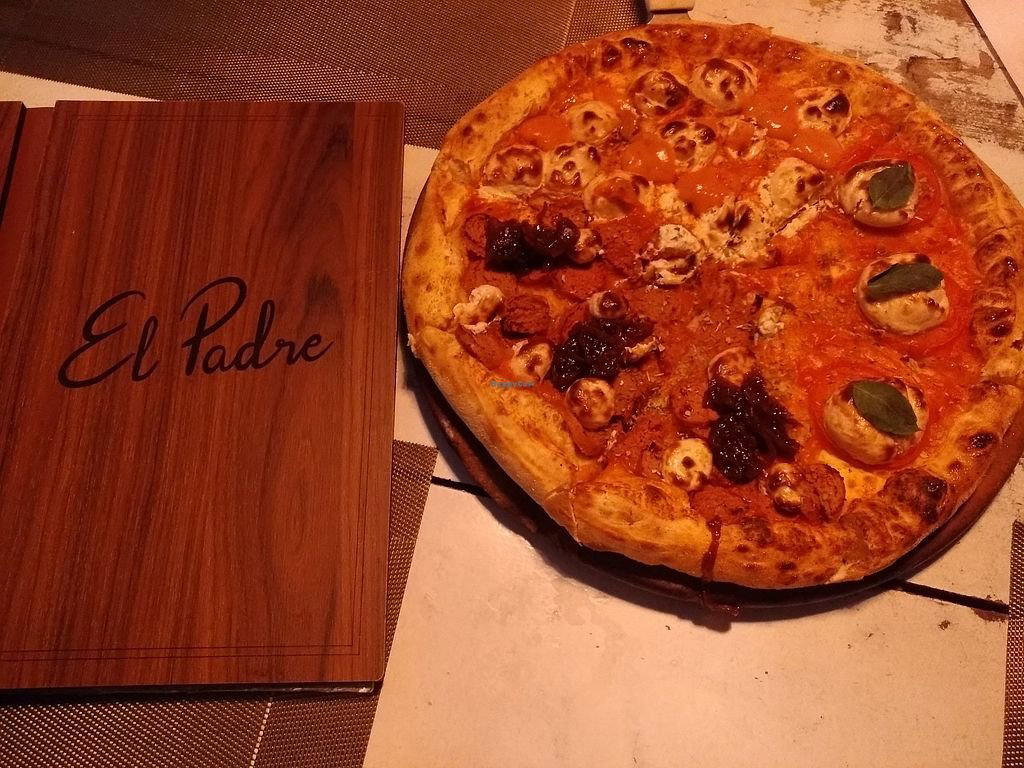
At a Glance
- Romantic
- Scenic
- Cozy
- Date Night
- Special Occasion
- Waterfront
- Terrace
- Local Sourcing
- Waterfront
Current opening hours
- Monday
- 11:40 AM–11:20 PM
- Tuesday
- 11:40 AM–11:20 PM
- Wednesday
- 11:40 AM–11:20 PM
- Thursday
- 11:40 AM–11:20 PM
- Friday
- 11:40 AM–11:20 PM
- Saturday
- 11:40 AM–11:20 PM
- Sunday
- 11:40 AM–10 PM
Hours can change for holidays and private events. Last verified .
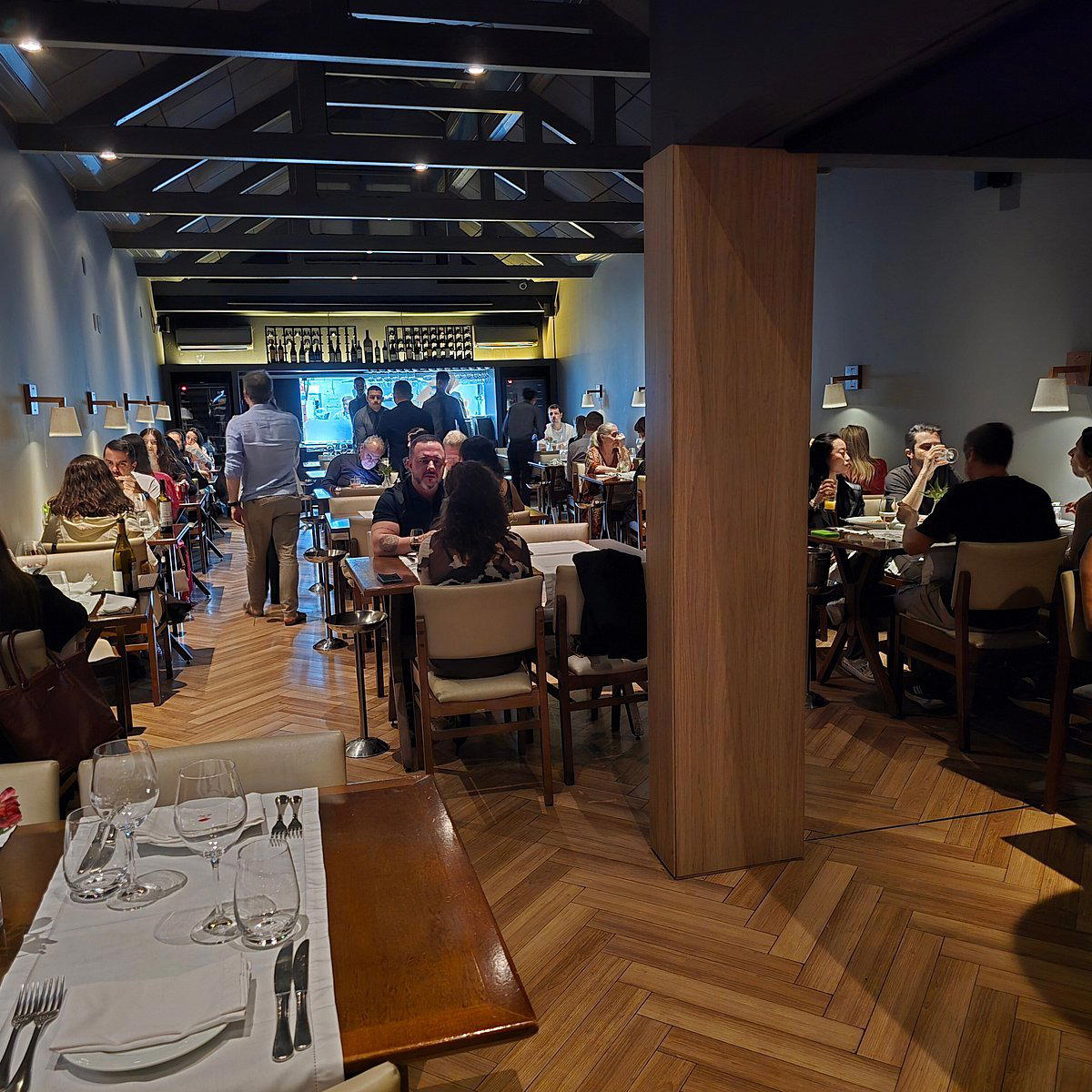
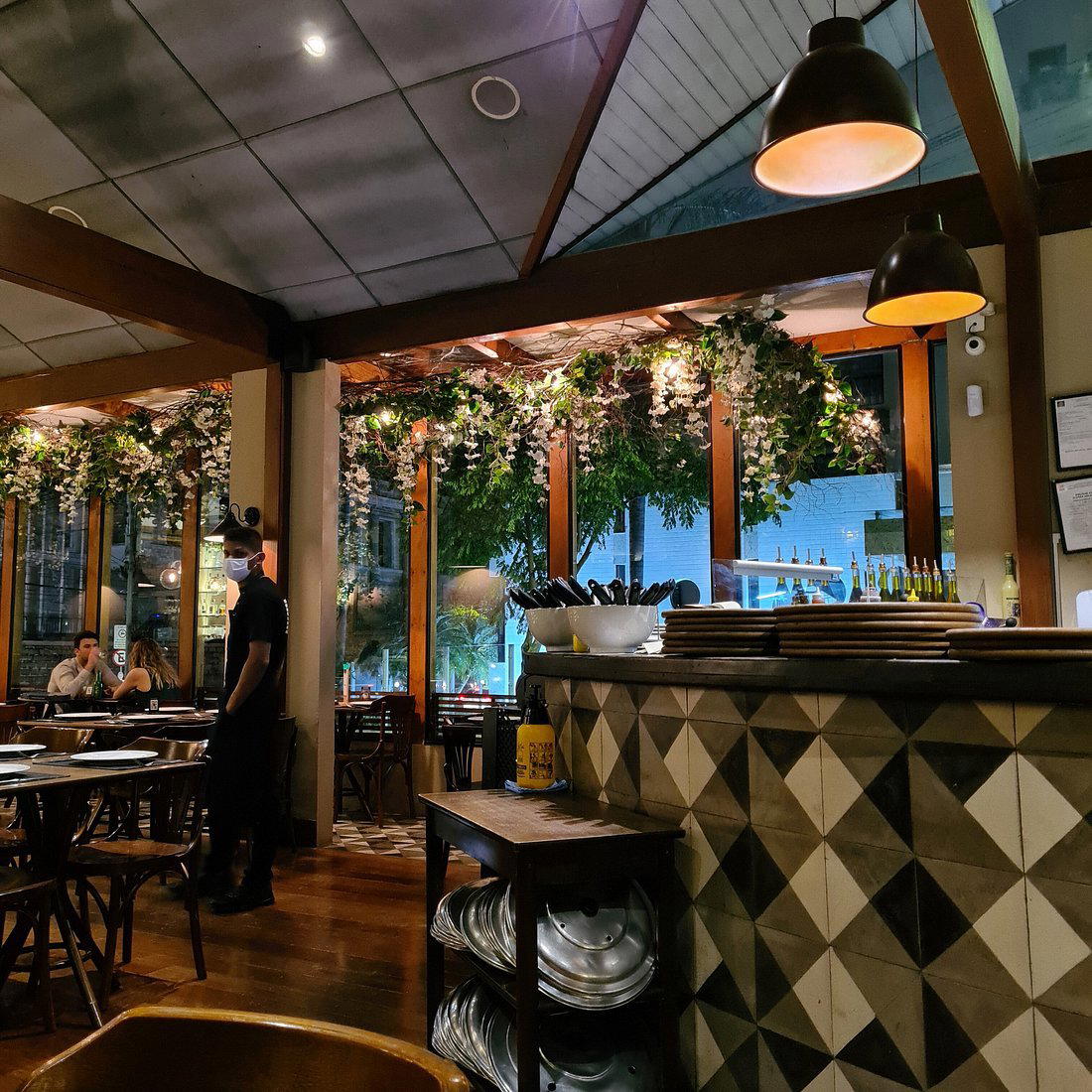
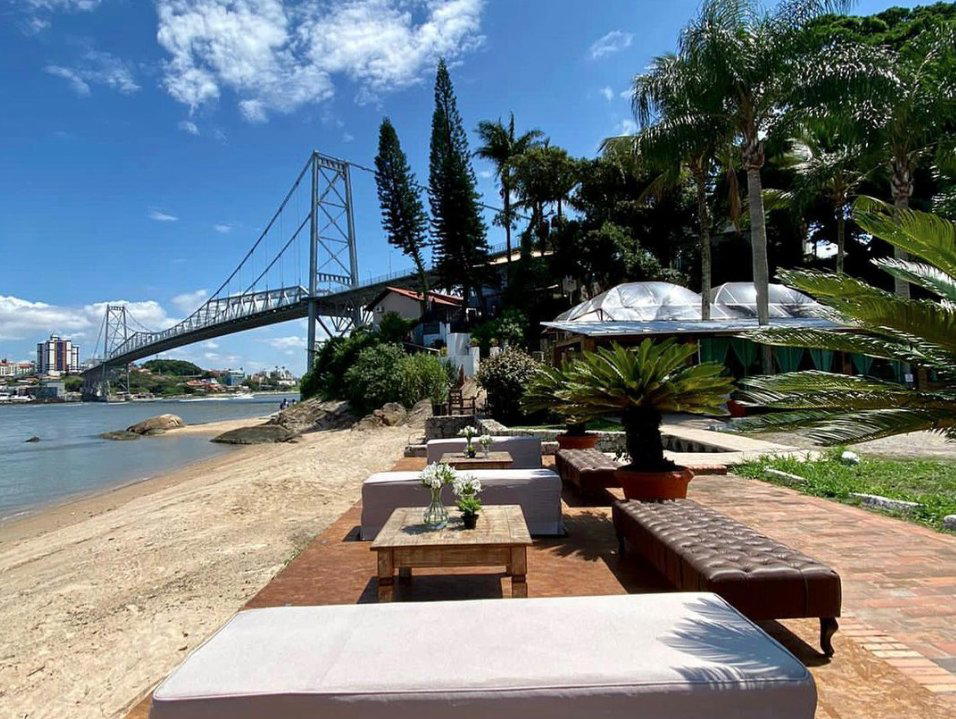
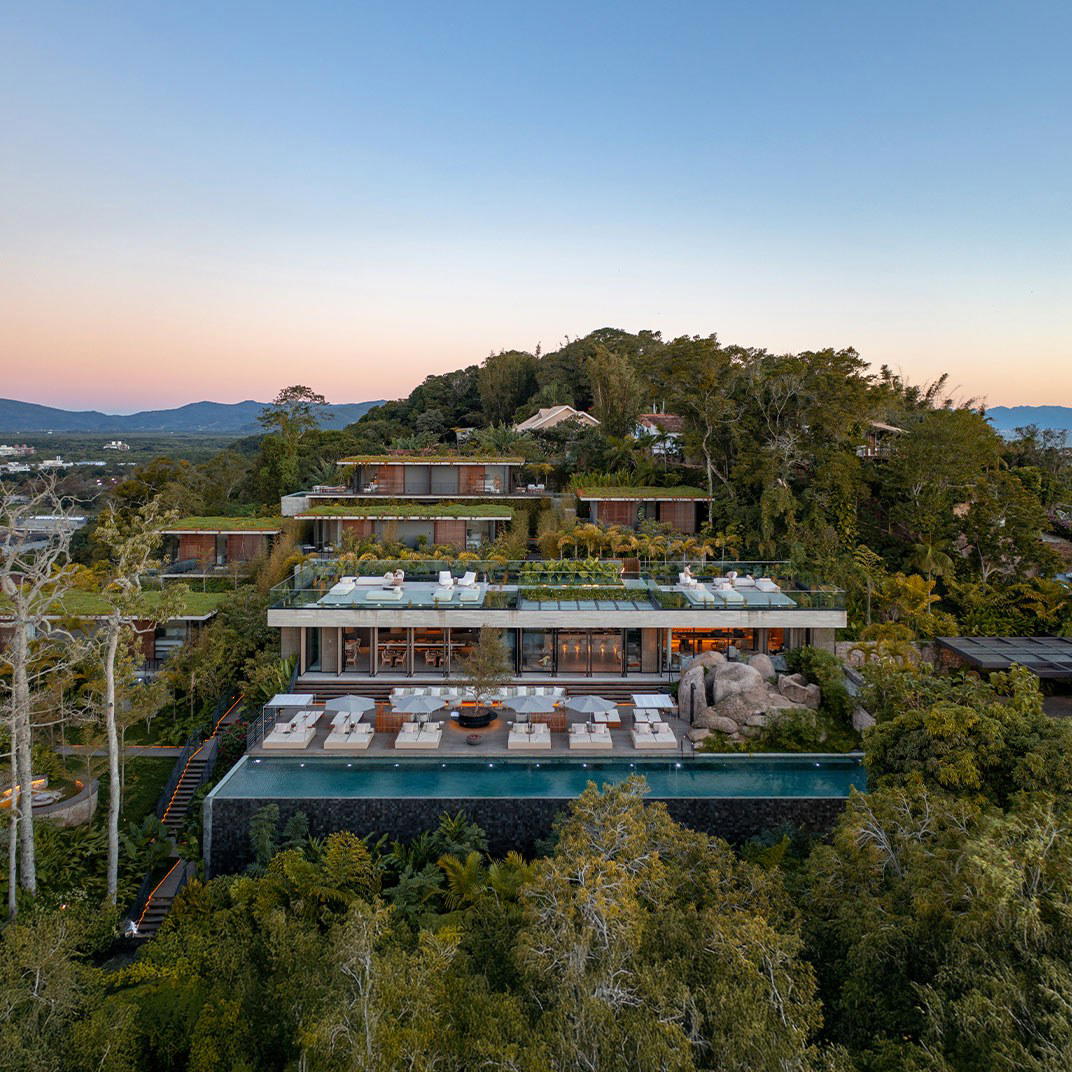
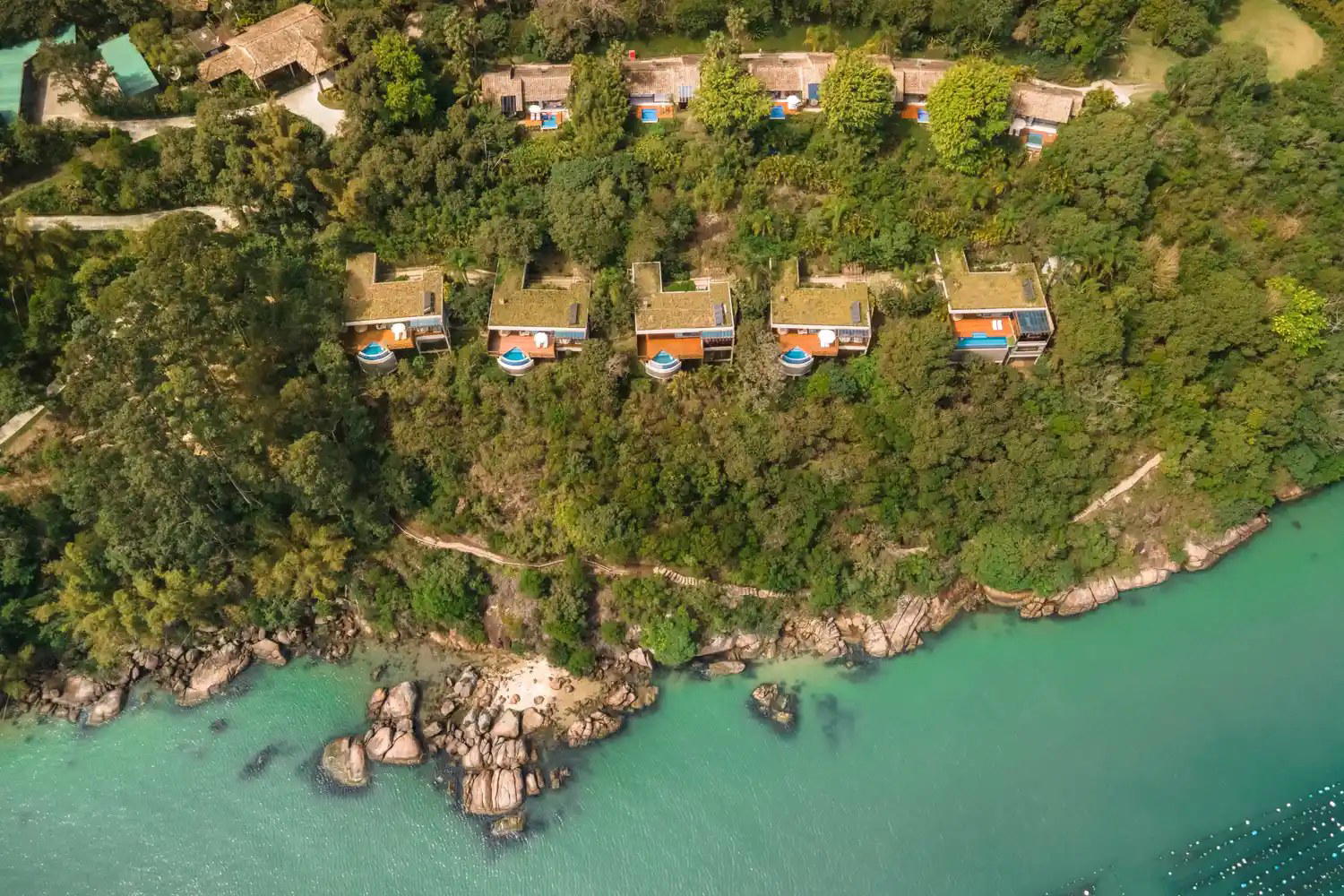
Charming coastal ambiance with far-reaching ocean views, warm atmosphere, and romantic sunset dining.