Taberna Ibérica
Taberna Ibérica occupies a Felipe Schmidt address in Florianópolis's Centro district, positioning itself within the city's emerging Iberian-influenced dining circuit. For a city whose restaurant scene has historically leaned toward Italian and Japanese formats, a taberna concept represents a deliberate editorial counterpoint, one worth understanding in the context of what Florianópolis is building at the table.
Pearl is the En Primeur Club membership app — saves, bookings, and concierge access live there. Same editors, same standards.
- Address
- R. Felipe Schmidt, 1333 - Centro, Florianópolis - SC, 88010-001, Brazil
- Phone
- +554832250913
- Website
- tabernaiberica.com.br
- Directions
- Get directions
 Saves & bookings on Pearl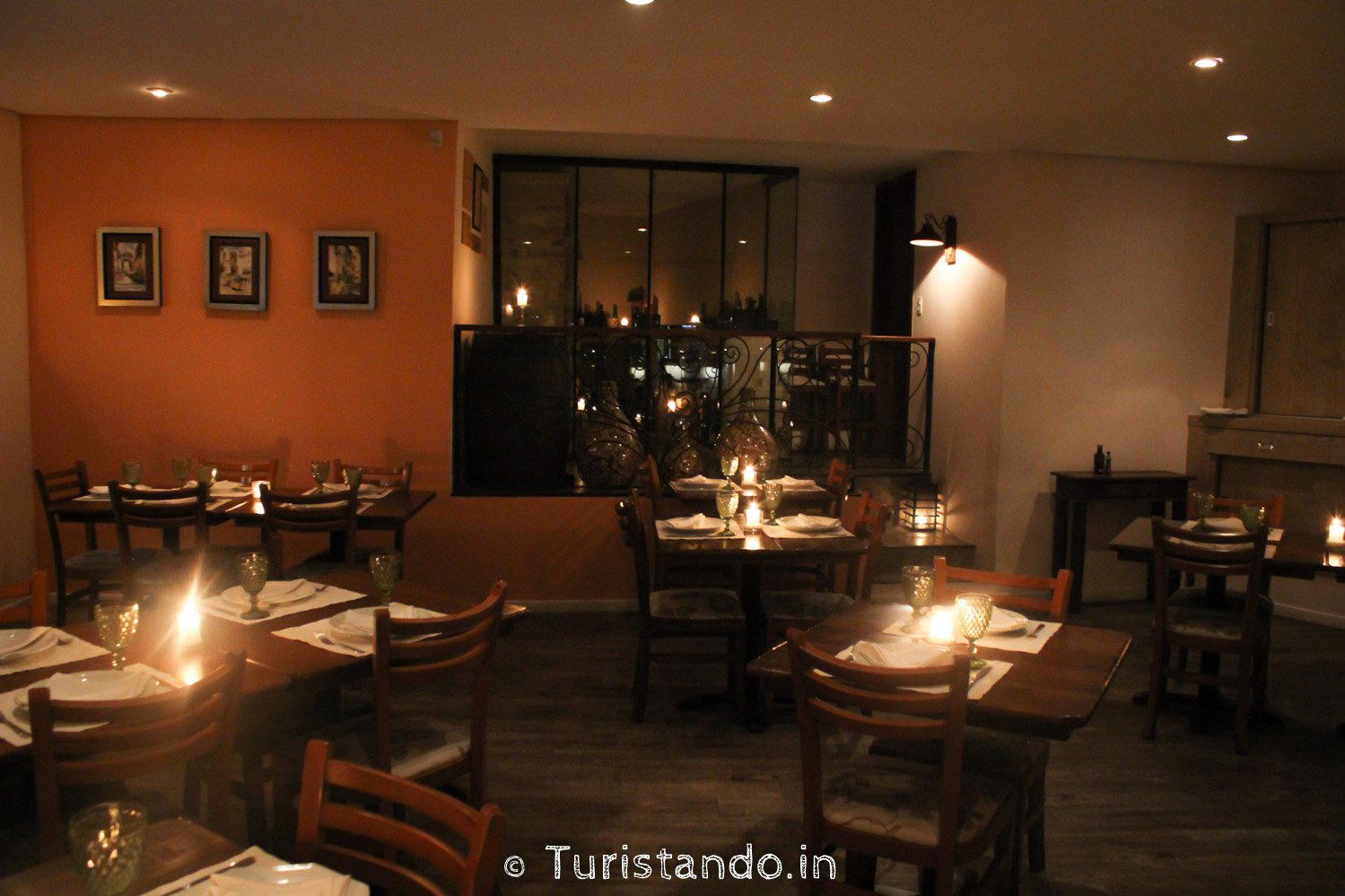
Centro's Iberian Counterpoint
Florianópolis has spent the better part of two decades building a restaurant identity around two dominant poles: Italian-influenced cooking drawn from the state's colonial heritage, and a Japanese tradition rooted in the substantial Nikkei community across Santa Catarina. The city's Centro district, running along Felipe Schmidt and its surrounding blocks, concentrates much of that dining activity into a corridor navigable on foot. Into that well-established pattern, a taberna concept reads as a deliberate departure, Iberian in register, with the kind of wine-forward hospitality logic that the Portuguese and Spanish traditions have long treated as inseparable from the food itself.
The address at R. Felipe Schmidt, 1333 places Taberna Ibérica in the commercial heart of Centro, Florianópolis, in a casual setting where the city concentrates its working-lunch crowd and after-office aperitivo culture. For a concept drawing on Iberian hospitality traditions, that positioning matters: the taberna format historically thrives in dense urban centres where a neighbourhood clientele returns regularly, rather than in resort or beach-suburb settings where tables turn on seasonal tourism alone.
What the Iberian Taberna Format Means in Practice
The taberna as a dining format carries specific expectations that distinguish it from a conventional restaurant. In Lisbon or Porto, the model prioritises wine by the glass or carafe, small plates designed for sharing across extended sittings, and a cellar that skews toward regional producers rather than international labels. In Madrid and Barcelona, the tapas-adjacent version emphasises counter service, chalkboard lists that change with market availability, and a democratic price architecture that makes the good bottles accessible without ceremony. Transplanted to Brazil, either model has to negotiate local supply chains, import costs on European wine, and a dining culture that has its own rhythms around sharing formats and long table sessions.
Florianópolis already has a strong reference class for European-influenced dining. Artusi Restaurante and Dolce Vita Restaurante anchor the Italian end of the spectrum, while Noma Sushi represents the Japanese tradition that runs parallel to it. Pizza formats like El Padre Pizzas and Forneria Catarina sit in their own category. What the city has been slower to develop is the specifically Iberian wine-bar register, the combination of curated Portuguese and Spanish pours with petiscos or raciones that treat wine and food as equals rather than positioning one as support for the other.
The Wine Dimension: Where Taberna Concepts Live or Fall
In any serious taberna, the wine list is not a secondary feature. It is the organizing principle. Portuguese wine in particular has undergone a significant critical reappraisal over the past decade, with regions like Dão, Alentejo, Bairrada, and the Douro producing at price points that compete favourably against equivalent quality from France or Italy. Wines from Vinho Verde, historically exported as a light, slightly fizzy summer category, now include serious single-quinta expressions and age-worthy whites that read differently from the export-market standard.
For a taberna operating in Brazil, building that kind of cellar requires navigating import tariffs that add substantially to landed cost, which means the pricing architecture for European wine by the glass is structurally different from what a comparable Lisbon or Porto venue would offer. The operations that handle this well tend to curate tightly, fewer labels, deeper commitment to specific producers, rather than trying to cover every major Iberian region with token representation.
For comparison, Brazilian wine programs at the higher end of the market, such as those at D.O.M. in São Paulo and Lasai in Rio de Janeiro, have demonstrated that Brazilian diners are prepared to engage seriously with wine curation when the context is right. Florianópolis operates at a different scale, but the appetite for that conversation exists in the city's more established dining rooms. Internationally, the standard for wine-led dining is set by places like Le Bernardin in New York City and Atomix in New York City.
Florianópolis in Its Broader Brazilian Context
Florianópolis sits in a different tier from São Paulo or Rio when it comes to fine dining density, but it has been closing that gap consistently. The city draws a significant professional and tourist population from across southern Brazil and from Argentina. Across Brazil more broadly, the range of dining formats continues to widen: a quick survey of EP Club's coverage takes in everything from Aero Burguer e Grill in Santa Cruz Do Sul to Bistro Fitz Carraldo in Manaus, Cantina Pozzobon in Santa Maria, and Casa da Flor Restaurante in Dourados, with Italian-heritage formats dominating the south and regional cooking traditions asserting themselves in the north and centre-west. See Casa da Dika Restô e Eventos in Bragança, Casa da Picanha Penedo in Itatiaia, Famosa Pizza in Ribeirão Preto, and Arte e Café Imperial - Matriz in Angra Dos Reis for a sense of how varied the national picture is. Against that backdrop, an Iberian-format venue in Florianópolis Centro represents a specific editorial bet on what the city's dining public is ready to support.
Planning a Visit
Taberna Ibérica is located at R. Felipe Schmidt, 1333 in Centro, Florianópolis, within walking distance of the central bus terminal and the historic Praça XV de Novembro area. Centro's dining corridor is most active at lunch on weekdays and dinner through the weekend, which is consistent with the taberna format's natural rhythm.
At-a-Glance Comparison
Comparable venues nearby, for context on price, style, and recognition.
| Venue | Cuisine | Price | Notes |
|---|---|---|---|
| Taberna IbéricaThis venue — the venue you are viewing | Traditional Portuguese & Mediterranean | $$$ | Not listed |
| El Padre Pizzas | Italian Pizza with Vegan Options | $$ | Itacorubi |
| Restaurante Le Tuá | French with Italian Passion | $$$$ | Centro |
| Rancho Açoriano Coqueiros | Azorean Seafood | $$ | Coqueiros |
| Rosso | Seafood and Regional Santa Catarina | $$$ | Santo Antônio de Lisboa |
| Restaurante Lindacap | Traditional Brazilian Seafood | $$$ | Coqueiros |
Continue exploring
More in Florianopolis
Restaurants in Florianopolis
Browse all →
At a Glance
- Romantic
- Cozy
- Rustic
- Scenic
- Intimate
- Elegant
- Date Night
- Special Occasion
- Group Dining
- Celebration
- Open Kitchen
- Panoramic View
- Waterfront
- Standalone
- Extensive Wine List
- Local Sourcing
- Waterfront
Current opening hours
- Monday
- 12–2:30 PM, 6 PM–12 AM
- Tuesday
- 12–2:30 PM, 6 PM–12 AM
- Wednesday
- 12–2:30 PM, 6 PM–12 AM
- Thursday
- 12–2:30 PM, 6 PM–12 AM
- Friday
- 12–2:30 PM, 6 PM–12 AM
- Saturday
- 12–3 PM, 6 PM–12 AM
- Sunday
- Closed
Hours can change for holidays and private events. Last verified .
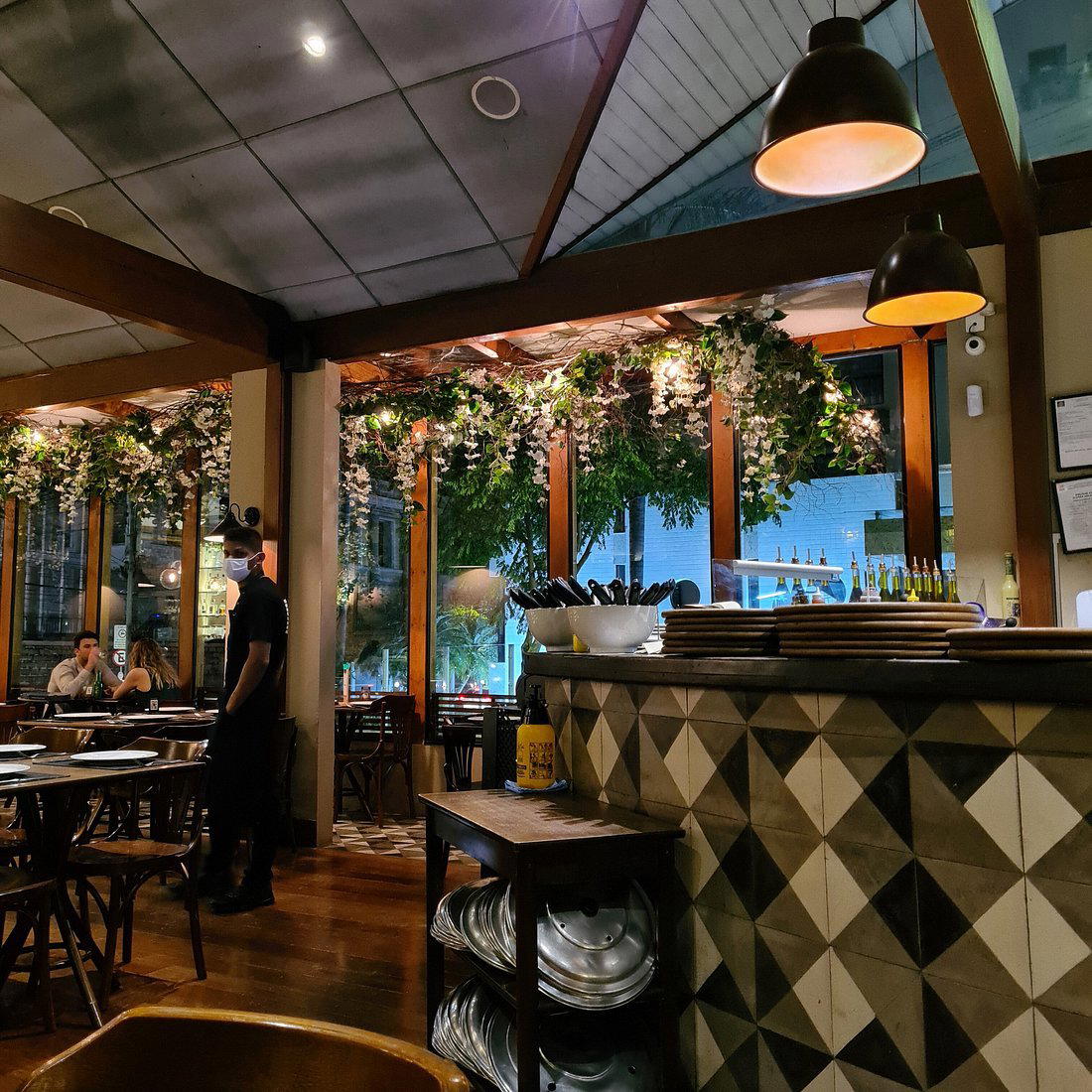
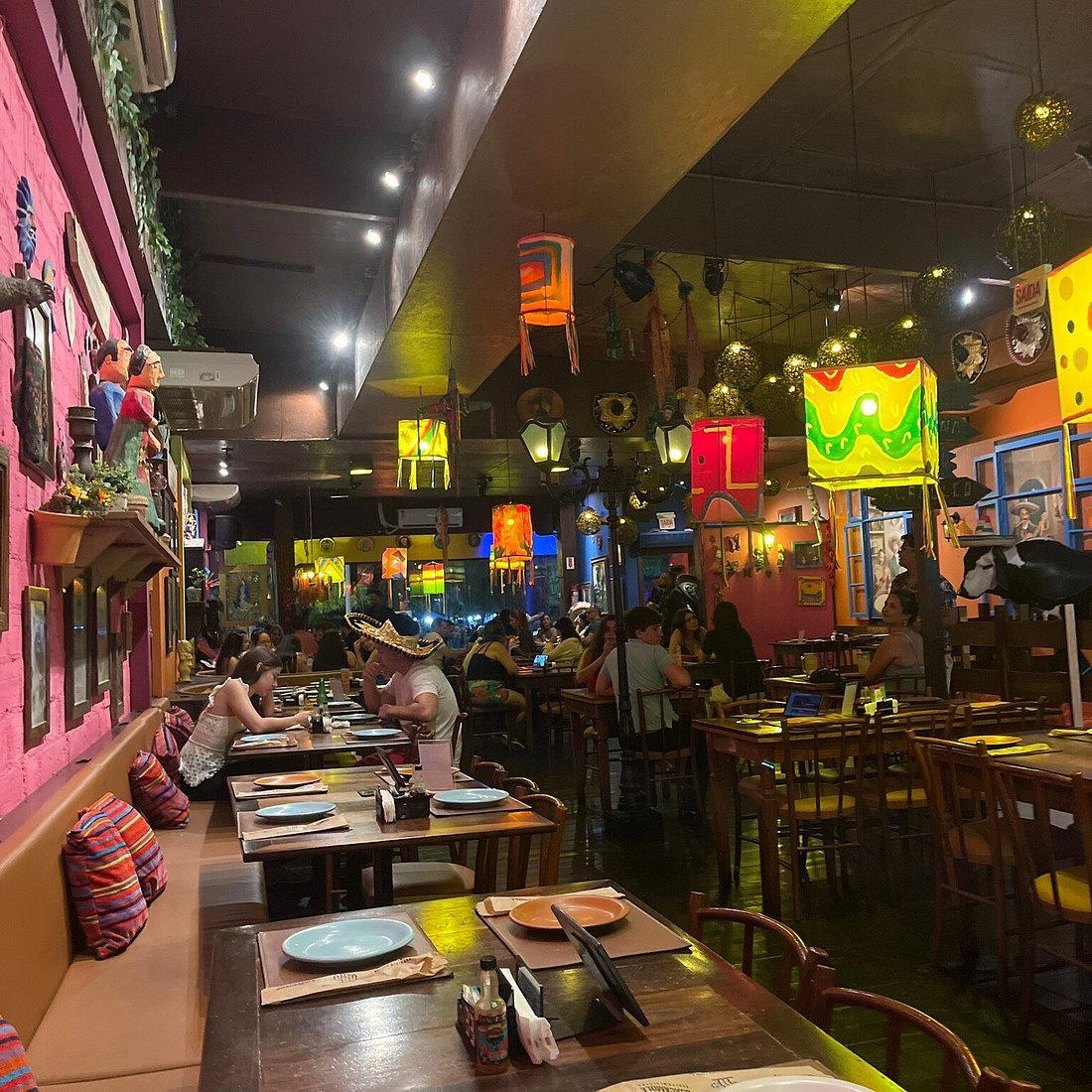
Warm and inviting with rustic yet refined décor, open kitchen, and soft lighting that creates an intimate atmosphere well-suited for couples and special occasions. The restaurant evokes the feeling of being invited into someone's home.