Artusi Restaurante
Our verdict
Artusi Restaurante occupies a Centro address in Florianópolis that places it within the city's most accessible dining corridor, drawing on Italian-inflected traditions that run deep in Santa Catarina's culinary identity. The restaurant sits in a city increasingly confident about its food scene, where proximity to Atlantic seafood, highland produce, and a strong Italian immigrant heritage gives kitchens a distinct sourcing foundation to work from.

Pearl is the En Primeur Club membership app, where members save venues, book tables and use the concierge.
The menu
What to order
- Gnocchi di Mandioquinha Fonduta e Filetto di Manzo
- Veal Shank
- Black Pasta with Prawns, Octopus and Squid
Centro Florianópolis and the Sourcing Logic Behind Its Italian Table
The address on Rua Bocaiúva puts Artusi Restaurante squarely in Centro, Florianópolis's historic commercial core, where restaurants operate in a different register than the beach-suburb spots that dominate the island's tourist circuit. Centro dining tends to draw a local professional crowd rather than seasonal visitors, which shifts what kitchens prioritise: repeat diners have longer memories than holidaymakers, and menus reflect that accountability. In this neighbourhood, a restaurant's relationship with its suppliers matters more than its Instagram visibility.
That context matters because Florianópolis sits in Santa Catarina, a state whose Italian immigrant heritage runs back to the late nineteenth century, particularly in towns like Nova Trento, Urussanga, and Ascurra. The culinary imprint of that migration is not decorative nostalgia. It shaped farming patterns, viniculture, charcuterie traditions, and a persistent preference for slow-cooked preparations that have embedded themselves into the regional food culture in ways that distinguish Santa Catarina from the coastal cuisines of Rio de Janeiro or Bahia. Restaurants carrying Italian names in this part of Brazil are often drawing on something geographically and historically grounded rather than simply borrowing a European brand.
What Santa Catarina's Larder Actually Offers
The ingredient argument for dining in Florianópolis is stronger than the city's international profile might suggest. The island sits between Atlantic fishing grounds and a state interior that produces some of Brazil's most characterful agricultural output. Oyster cultivation in the Ribeirão da Ilha district, on the southern tip of the island, has grown from artisanal operations into a structured aquaculture industry, and the oysters harvested there appear on menus across the city as a local provenance signal. Restaurants that source from Ribeirão da Ilha are tapping one of the most geographically specific ingredients available in southern Brazil, comparable in provenance logic to the way Ostradamus has built its identity almost entirely around local shellfish culture.
Beyond seafood, Santa Catarina's highland zones contribute cured meats, cheeses, and seasonal vegetables that reflect Italian farmhouse traditions adapted to subtropical growing conditions. The curing techniques that arrived with Veneto and Lombard settlers in the nineteenth century have evolved with local humidity and temperature, producing results that differ meaningfully from their European antecedents. A kitchen that engages seriously with this supply chain has access to ingredients that no import programme can replicate.
This is the sourcing context that shapes what Italian-tradition restaurants in Florianópolis can legitimately claim. The cuisine category itself is wide: it spans from wood-fired Neapolitan formats like El Padre Pizzas to the enoteca-style pairing programmes seen at operations like Olivetto Restaurante E Enoteca in Campinas. Artusi's Centro positioning suggests a focus on the dining room rather than the pizza counter, though specifics of its current format would need direct confirmation.
The Name as a Reference Point
The name Artusi is a deliberate signal to anyone who knows Italian culinary history. Pellegrino Artusi, the nineteenth-century author of La Scienza in cucina e l'Arte di mangiar bene, is widely credited with codifying Italian home cooking as a unified national tradition rather than a fragmented collection of regional habits. A restaurant carrying that name in Brazil's most Italian-influenced state is positioning itself within a specific tradition: one that values technical discipline, ingredient honesty, and a certain classicism over trend-chasing. Whether the kitchen delivers on that framing requires a visit, but the reference itself sets an expectation that the menu should be readable through a lens of classical Italian structure rather than contemporary fusion.
That lineage places Artusi in a different tier from casual Italian spots. Across Brazil's more developed dining cities, the gap between Italian-branded casual and genuinely technique-driven Italian has widened considerably. In São Paulo, D.O.M. long demonstrated that Brazilian fine dining could hold its own against European reference points. In Rio, Oteque operates with a rigour that reframes what a serious kitchen looks like outside the São Paulo axis. Florianópolis is still assembling its own fine-dining identity, and restaurants that commit to a defined culinary tradition rather than generic cosmopolitanism contribute to that process.
Florianópolis's Dining Scene: Where Artusi Fits
The city's restaurant circuit is more varied than its beach-destination reputation implies. Forneria Catarina works in the wood-fired Italian tradition. Dolce Vita Restaurante operates in the Italian-casual register. Noma Sushi reflects the Japanese-Brazilian culinary presence that runs across coastal Brazil. Outside the island, the southern Brazilian dining circuit includes high-ambition kitchens: Manu in Curitiba, which has built a reputation on Paraná-sourced ingredients, and Primrose in Gramado in Rio Grande do Sul's tourist highland. Closer still, Castelo Saint Andrews - Gramado in Vale do Bosque represents the elaborately experiential end of southern Brazilian dining. Artusi's Centro address and Italian framing place it in a smaller, more focused peer group within Florianópolis itself.
For diners coming from outside the region, the comparison points worth considering stretch further. Mina in Campos do Jordão works in a highland Brazilian context. Birosca S2 in Belo Horizonte operates in Minas Gerais's ingredient-forward tradition. Orixás | North Restaurant in Itacaré draws on Bahian coastal sourcing. Each of these represents a regionally grounded approach to Brazilian dining, and Artusi's Santa Catarina context gives it a comparable specificity, provided the kitchen uses it.
Planning a Visit
Artusi Restaurante is located at Rua Bocaiúva, 2090, in Centro, Florianópolis, Santa Catarina. The Centro location makes it accessible from most parts of the island without the traffic delays that affect beach-district restaurants during high season, which runs from December through February. Florianópolis's dining scene has enough depth to justify building an itinerary around it: the full Florianópolis restaurants guide covers the broader circuit, including the seafood and international options that complement a dinner like this one. Internationally, for comparison with similarly precise European-tradition kitchens operating at high technical ambition, Le Bernardin in New York City and Lazy Bear in San Francisco offer a useful frame for what committed format discipline looks like at the upper end. State of Espírito Santo in Rio Bananal provides a closer Brazilian reference for ingredient-driven regional cooking.
Frequently asked questions
What's Artusi Restaurante's location?
Artusi Restaurante is located at R. Bocaiúva, 2090 - Centro, Florianópolis - SC, 88015-530, Brazil, Florianopolis.
How does Artusi Restaurante connect to Santa Catarina's Italian immigrant heritage?
Santa Catarina hosts one of the densest concentrations of Italian-descended communities in Brazil, with settlements in towns such as Nova Trento and Urussanga dating to the 1870s. Naming a restaurant after Pellegrino Artusi, whose 1891 cookbook effectively codified bourgeois Italian home cooking, places it in direct conversation with that lineage rather than with generic Italo-Brazilian trattoria culture. The Centro Florianópolis address situates the restaurant at the urban hub of a state where that Italian culinary identity has been maintained across five generations.
What should I order at Artusi Restaurante?
The restaurant's name references Pellegrino Artusi, the foundational figure of unified Italian cuisine, which signals a kitchen oriented toward classic technique rather than fusion. Santa Catarina's supply chain adds a genuine local argument: the state produces quality freshwater fish, cured meats from Italian-descended communities, and Atlantic seafood from waters directly off Florianópolis. Dishes that connect those two threads, Italian method applied to local Santa Catarina ingredients, are likely where the kitchen earns its keep. Confirm current offerings directly at the Rua Bocaiúva, 2090 address.
Is Artusi Restaurante reservation-only?
Centro Florianópolis restaurants generally maintain some walk-in capacity during the quieter shoulder months, but the December-to-February high season brings a significant population surge to the island as domestic tourism peaks. During that window, arriving without a prior arrangement at any well-regarded Centro address carries real risk. Contacting Artusi directly before a peak-season visit is the practical approach; the restaurant sits at Rua Bocaiúva, 2090, within reach of most central accommodation.
Fast Comparison
| Venue | Cuisine | Price |
|---|---|---|
| Artusi RestauranteThis venue (the venue you are viewing) | Contemporary Italian with Brazilian Influences | $50–100 |
| Dolce Vita Restaurante | Italian Seafood | Not listed |
| El Padre Pizzas | Italian Pizza with Vegan Options | $10–20 |
| Forneria Catarina | Wood-Fired Italian Pizza | $20–30 |
| Noma Sushi | Modern Fusion Japanese Sushi | $30–50 |
| Píer 54 Restaurante | Brazilian Seafood | $30–50 |
Continue exploring
More in Florianopolis
Details
- Elegant
- Cozy
- Sophisticated
- Romantic
- Date Night
- Special Occasion
- Celebration
- Business Dinner
- Standalone
- Extensive Wine List
- Sommelier Led
- Local Sourcing
- A La Carte
- Wine
- Pescatarian Friendly
Current opening hours
- Monday
- 11:30 AM–4 PM, 6:45–11:20 PM
- Tuesday
- 11:30 AM–4 PM, 6:45–11:20 PM
- Wednesday
- 11:30 AM–4 PM, 6:45–11:20 PM
- Thursday
- 11:30 AM–4 PM, 6:45–11:20 PM
- Friday
- 11:30 AM–4 PM, 6:45–11:20 PM
- Saturday
- 12–4 PM, 6:40–11:20 PM
- Sunday
- 12–4 PM, 6:45–11:20 PM
Hours can change for holidays and private events. Hours as of .
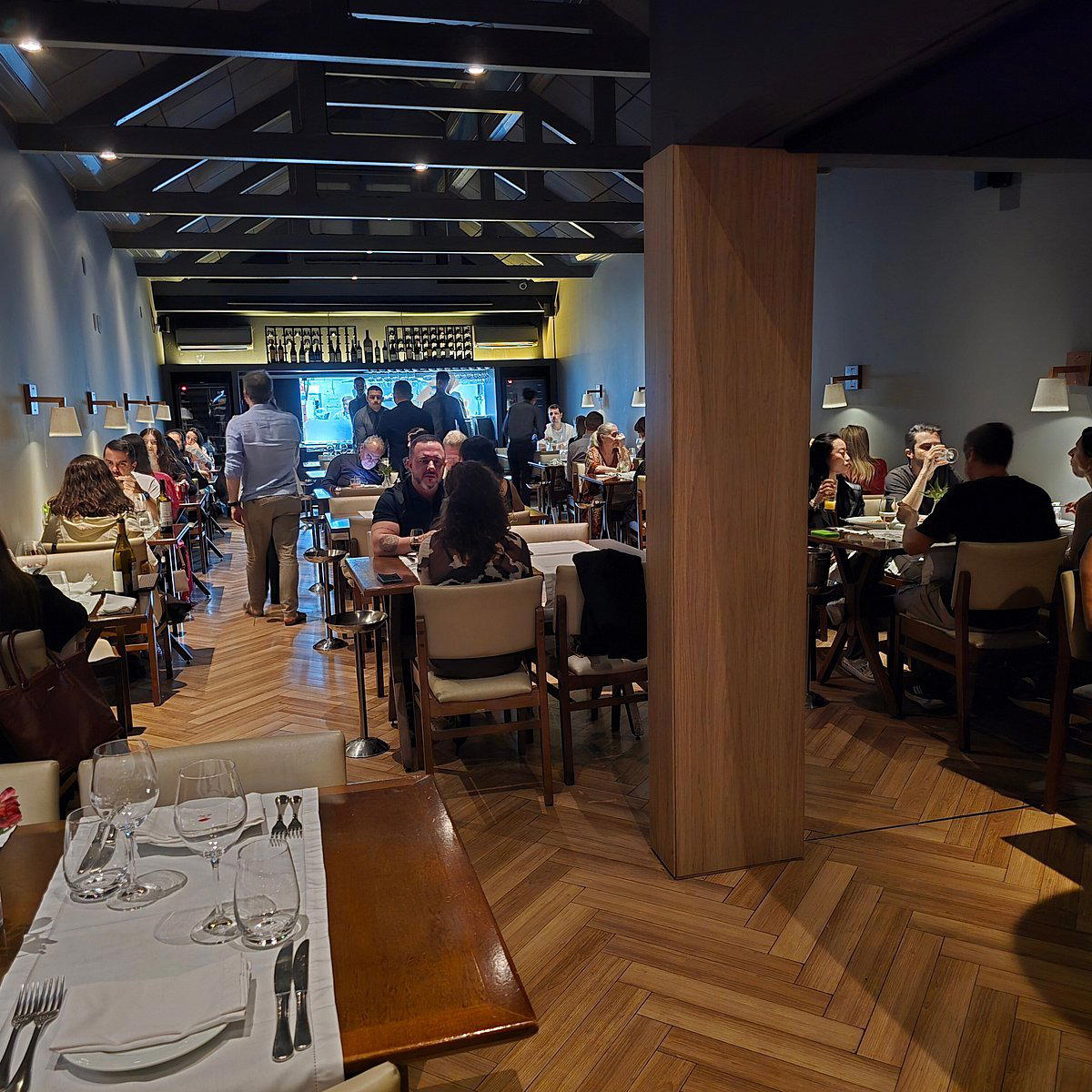
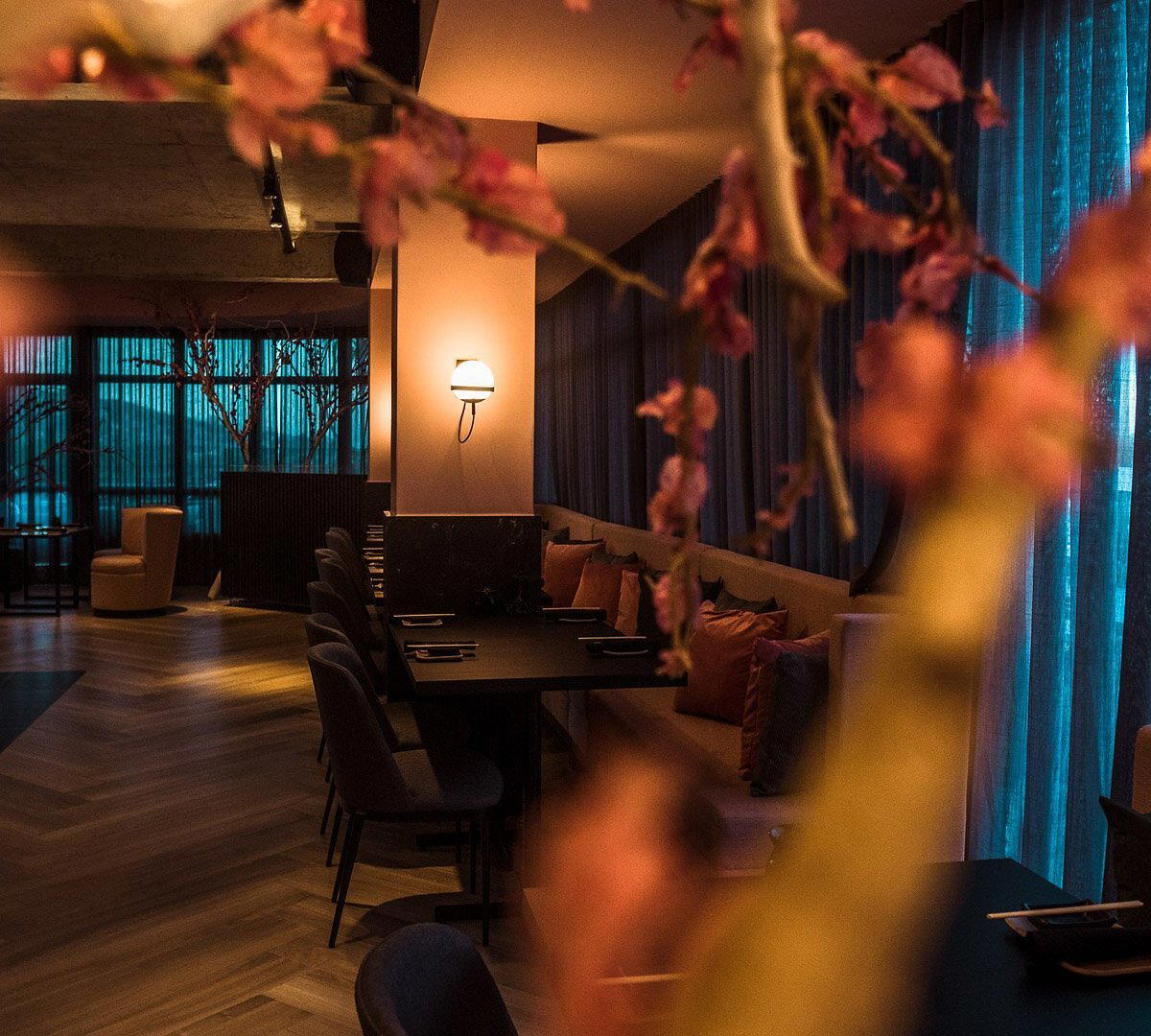
Cozy and tasteful atmosphere with ambient music; spacious interior with well-distributed tables and warm, attentive service creating an intimate fine dining experience.