Noma Sushi
Noma Sushi occupies a Centro address on Rua Almirante Lamego in Florianópolis, placing it inside a city where Japanese-Brazilian culinary crossover has developed its own distinct character over decades. The restaurant's name invites comparison with Copenhagen's celebrated Noma, though the two share nothing beyond the word, this is a Brazilian sushi house operating within the island's own dining culture and traditions.
Pearl is the En Primeur Club membership app — saves, bookings, and concierge access live there. Same editors, same standards.
- Address
- R. Alm. Lamego, 201 - Centro, Florianópolis - SC, 88015-600, Brazil
- Phone
- +5548991705869
- Website
- linktr.ee
- Directions
- Get directions
 Saves & bookings on Pearl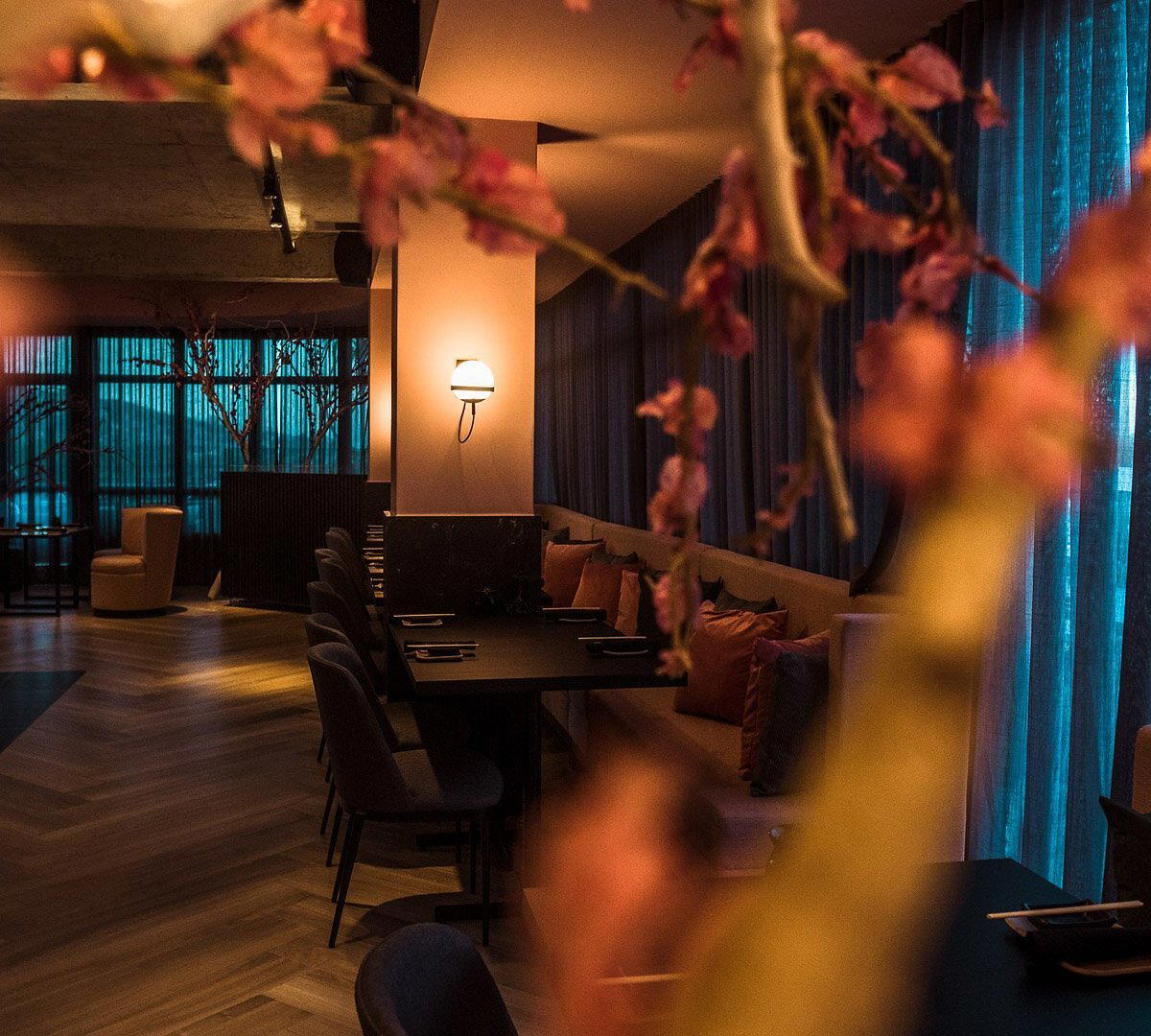
Where Japanese Technique Meets Southern Brazil
Florianópolis has a different relationship with Japanese food than Rio or São Paulo. The island's dining culture is shaped by Atlantic seafood, oysters from Ribeirão da Ilha, fish pulled from warm coastal waters, and the city's Japanese-Brazilian community has, over generations, folded those local ingredients into sushi and sashimi traditions that look somewhat different from what you'd find at a Tokyo-trained counter in São Paulo's Itaim Bibi. Noma Sushi, at Rua Almirante Lamego 201 in Centro, is a Modern Fusion Japanese Sushi restaurant in Florianópolis.
The Centro address is worth noting as context. Florianópolis's dining scene spreads across neighbourhoods with distinct characters: the beach-side restaurants of Lagoa da Conceição, the more polished tables of Jurerê Internacional, and the working Centro, which serves a mixed crowd of office workers, locals, and visitors who have not ventured to the island's more tourist-facing ends. A sushi house in Centro operates in a different register than one positioned for resort clientele, and that positioning tends to shape price point, format, and the assumptions a kitchen makes about its audience.
The Cultural Architecture of Japanese Food in Brazil
Brazil holds one of the largest Japanese diaspora communities outside Japan, with the majority concentrated in São Paulo state, but the influence has diffused broadly. In cities like Florianópolis, that cultural presence has produced a sushi culture that is neither purely Japanese nor straightforwardly Brazilian: it is something constructed over a century of negotiation between technique, available ingredient, and local palate. The result, at its most considered, produces restaurants that use high-quality southern Atlantic fish in formats, nigiri, temaki, hot rolls, that would be unrecognizable in Osaka but are entirely coherent on their own terms.
That context matters when placing a restaurant like Noma Sushi. The name, which shares its first four letters with René Redzepi's Copenhagen institution, carries an implicit promise of seriousness, even if the two operations share nothing structurally. In Brazil, where restaurants sometimes adopt internationally resonant names for positioning purposes, the choice tells you something about the ambition a venue wants to project, even if the actual experience requires a visit to assess. For diners comparing notes with São Paulo's more credentialed Japanese-Brazilian tables, such as those that have drawn attention from guides like the D.O.M. in São Paulo set, the Florianópolis context is necessarily more modest in scale but not without its own interest.
Centro Florianópolis and the Local Dining Tier
Rua Almirante Lamego sits in a section of Centro that has accumulated a cluster of restaurants serving the island's resident population rather than its seasonal tourist influx. The dining tier here is competitive in a different way from the beach-adjacent spots: repeat custom matters, value-to-quality ratios are scrutinized more closely, and kitchens that survive longer than a year or two tend to have earned a genuine local following rather than riding seasonal visitor traffic.
Florianópolis as a whole has been developing a more considered restaurant culture over the past decade. Venues like Ostradamus have drawn attention to the island's shellfish capacity, while Italian-influenced tables such as Artusi Restaurante and Dolce Vita Restaurante occupy the mid-to-upper tier of the local European-cuisine segment. Pizza has a strong presence through spots like El Padre Pizzas and the wood-fired output of Forneria Catarina. Against this backdrop, a dedicated sushi house represents a specific commitment to Japanese-Brazilian cuisine in a city where that category has historically competed with strong seafood and European traditions for the same dining occasion. For a broader read of the city's options, the full Florianópolis restaurants guide maps the current range.
That absence does not necessarily indicate a venue of low standing, many well-regarded neighbourhood restaurants in Brazilian cities of Florianópolis's size operate without formal guide recognition, which in Brazil remains heavily weighted toward São Paulo and Rio de Janeiro. Restaurants like Lasai in Rio de Janeiro or Atomix in New York City demonstrate how guide attention and genuine local standing can diverge sharply by geography.
For context on what thoughtful Japanese-Brazilian dining looks like when it is operating well, compare Noma Sushi's position against how other cities have developed their own regional takes on the format. Across Brazil's interior, restaurants from Bistro Fitz Carraldo in Manaus to Cantina Pozzobon in Santa Maria illustrate how sharply Brazilian dining culture varies by region, and how a city like Florianópolis, coastal, affluent in its beach communities, with strong European-immigrant food traditions, shapes what a restaurant can realistically offer and to whom.
Planning a Visit
The restaurant's address at Rua Almirante Lamego 201 places it in the Centro district of Florianópolis, accessible from the island's main commercial zone. Reservations are recommended, and hours run Tue to Thu and Sun from 7 to 11:30 PM, with Fri and Sat from 7 PM to 12 AM. Centro restaurants in Florianópolis generally follow dinner service patterns aligned with the city's working population. The dress code is smart casual.
For diners building a broader Brazil itinerary, the regional spread of worthwhile tables is wide: from Aero Burguer e Grill in Santa Cruz Do Sul to Arte e Café Imperial in Angra Dos Reis, Casa da Dika in Bragança, Casa da Flor in Dourados, Casa da Picanha Penedo in Itatiaia, Famosa Pizza in Ribeirão Preto, and Le Bernardin in New York City for international comparison on seafood-forward excellence.
Price and Recognition
Comparable venues nearby, for context on price, style, and recognition.
| Venue | Cuisine | Price | Notes |
|---|---|---|---|
| Noma SushiThis venue — the venue you are viewing | Not listed | $$$ | Not listed |
| Ostradamus | Not listed | $$$ | Ribeirão da Ilha, Brazilian Seafood and Oysters |
| Taberna Ibérica | Not listed | $$$ | City Center, Traditional Portuguese & Mediterranean |
| Vista Nipô | Not listed | $$$ | Passeio Primavera, Japanese Sushi with Rooftop View |
| Restaurante Le Tuá | Centro, French with Italian Passion | $$$$ | Not listed |
| Restaurante Guacamole Taqueria - Mercadoteca | Saco Grande, Mexican Taqueria | $$ | Not listed |
Continue exploring
More in Florianopolis
Restaurants in Florianopolis
Browse all →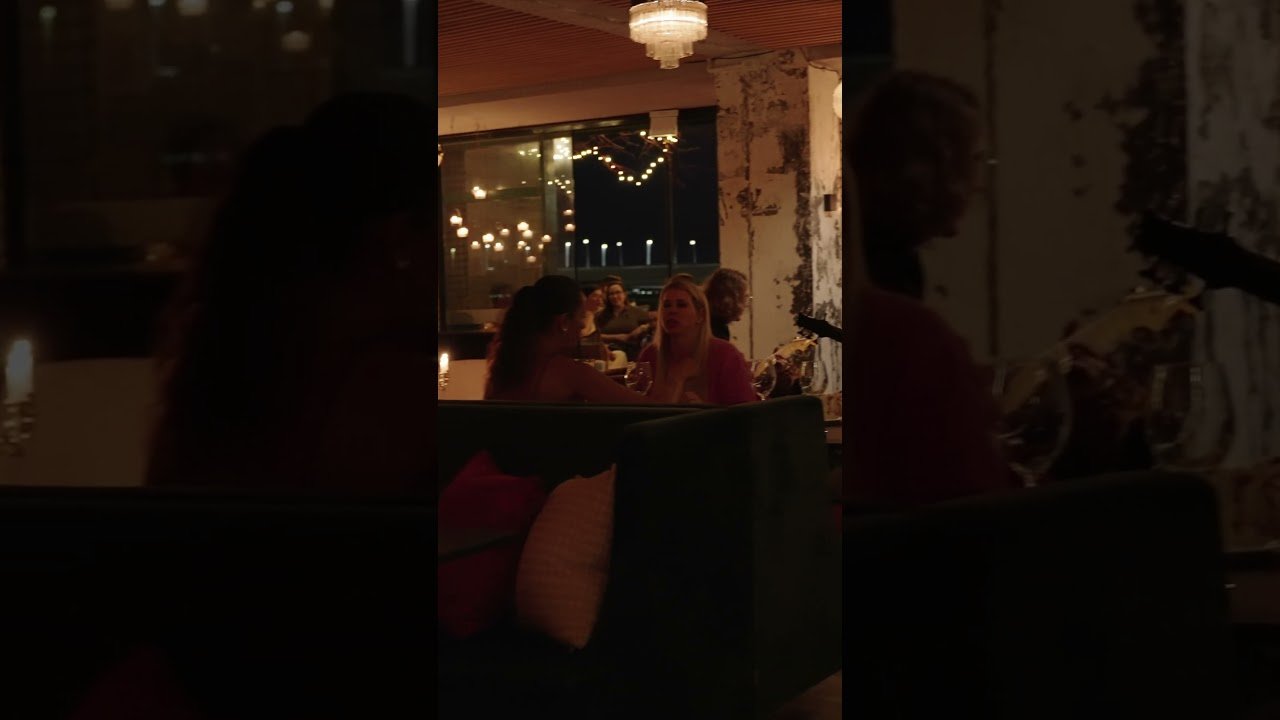
At a Glance
- Modern
- Romantic
- Sophisticated
- Scenic
- Date Night
- Celebration
- Special Occasion
- Group Dining
- Rooftop
- Panoramic View
- Open Kitchen
- Craft Cocktails
- Sake Program
- Sustainable Seafood
- Skyline
Current opening hours
- Monday
- Closed
- Tuesday
- 7–11:30 PM
- Wednesday
- 7–11:30 PM
- Thursday
- 7–11:30 PM
- Friday
- 7 PM–12 AM
- Saturday
- 7 PM–12 AM
- Sunday
- 7–11:30 PM
Hours can change for holidays and private events. Last verified .
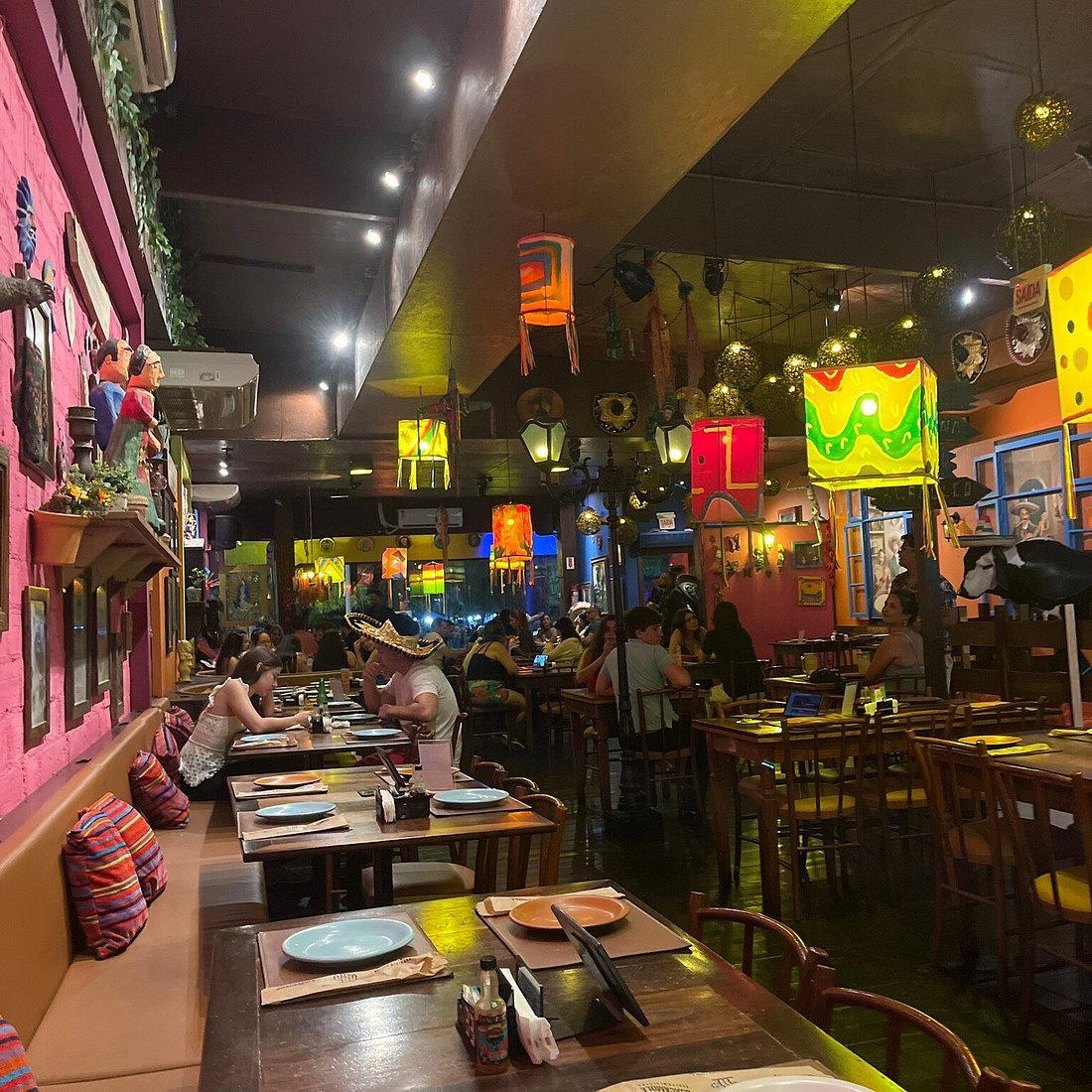
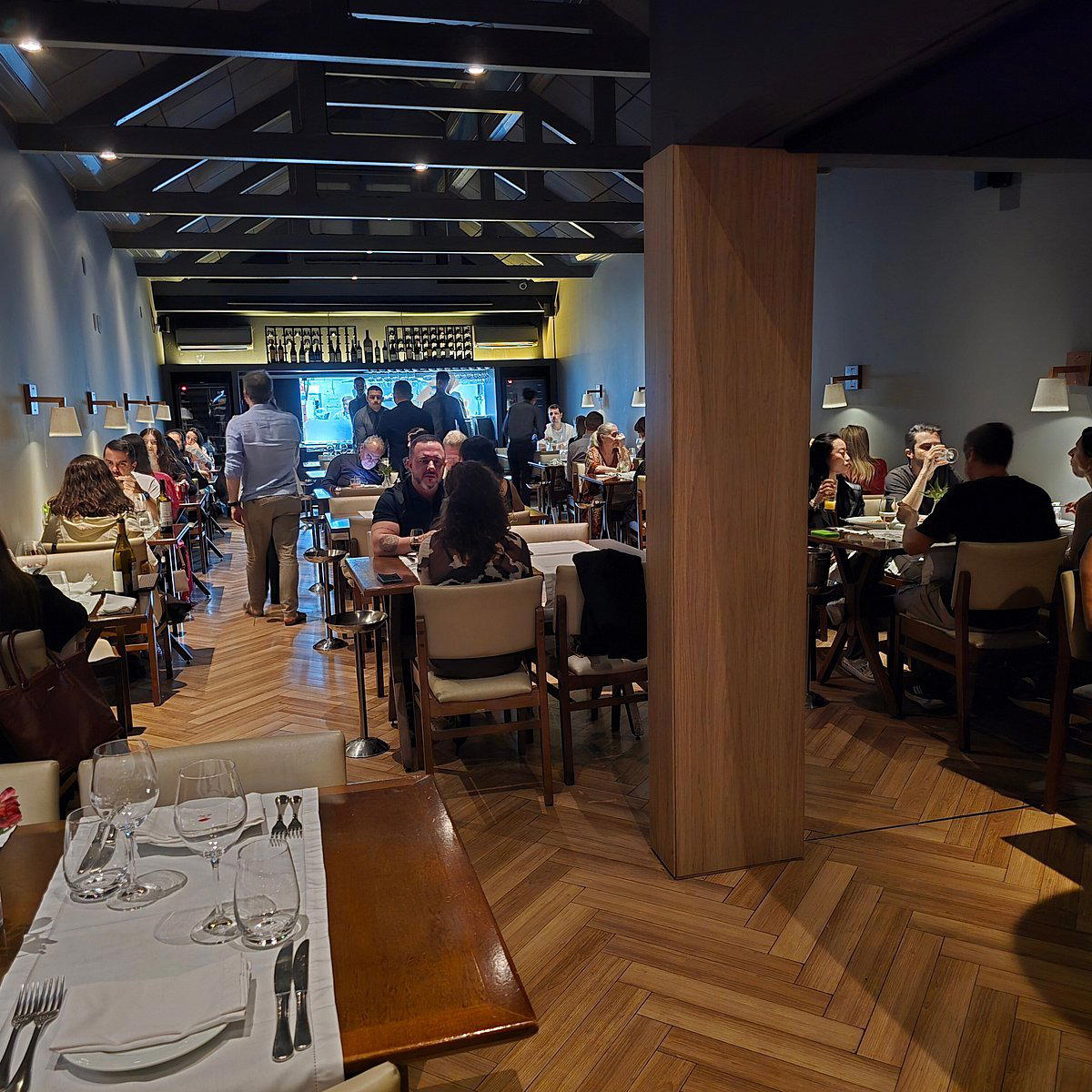
Modern and sophisticated with neon lights, hanging fairy lights, and a club-like energy; intimate yet lively with contemporary design and far-reaching city views.