Dolce Vita Restaurante
Dolce Vita Restaurante sits in the Canto da Lagoa neighbourhood of Florianópolis, a dining enclave shaped by the lagoon's fishing culture and a decades-long Italian-Brazilian culinary thread. The address on Rua Laurindo Januário da Silveira places it within one of the city's most relaxed yet culinarily serious corridors, where table turnover is slow and the emphasis falls on the meal itself.
Pearl is the En Primeur Club membership app — saves, bookings, and concierge access live there. Same editors, same standards.
- Address
- R. Laurindo Januário da Silveira, 1233 - Canto da Lagoa, Florianópolis - SC, 88062-200, Brazil
- Phone
- +5548984276643
- Website
- dolcevitarestaurante.com.br
- Directions
- Get directions
 Saves & bookings on Pearl
Where the Lagoon Shapes the Table
Canto da Lagoa sits on the eastern fringe of the Lagoa da Conceição, one of the defining geographical features of Florianópolis's interior. The neighbourhood's dining culture grew out of a different logic than the beachfront strips to the north and south: here, the pace is slower, the clientele more local, and the kitchens tend toward substance over spectacle. Dolce Vita Restaurante occupies an address on Rua Laurindo Januário da Silveira that places it squarely inside this community, at number 1233, in a part of the city where restaurants earn loyalty through repetition rather than novelty.
Italian Roots in a Southern Brazilian City
Dolce Vita Restaurante serves Italian Seafood in Florianópolis's Canto da Lagoa neighborhood. That demographic reality produced a culinary inheritance that has never fully separated itself from the broader Brazilian pantry, what you find across the state is not Italian food transplanted, but a hybrid that borrows pasta forms, slow-cooked sauces, and a certain domestic generosity of portion from the Italian tradition while drawing protein, produce, and seasoning from the local environment. The name Dolce Vita taps into that lineage, which in Florianópolis carries genuine cultural weight rather than simple branding. Comparable Italian-inflected dining can be found at Artusi Restaurante and Forneria Catarina, both of which operate within the same broad tradition, each finding a slightly different point of entry into it.
Florianópolis in Brazil's Wider Dining Conversation
Florianópolis does not occupy the same tier as São Paulo or Rio in terms of national restaurant attention. D.O.M. in São Paulo and Oteque in Rio de Janeiro operate within a different competitive and critical framework, one defined by awards cycles, international press visits, and tasting-menu formats calibrated for a global audience. Florianópolis's appeal lies elsewhere: the city's restaurants, particularly those away from the high-season tourist circuit, operate with a directness that cities with more international scrutiny sometimes lose. Neighbourhood places like this one in Canto da Lagoa sit closer to the model you find at restaurants such as Birosca S2 in Belo Horizonte or Manu in Curitiba, where the local dining public, not the international visitor, is the primary audience. That orientation tends to produce more consistent cooking over time, even if it generates less external visibility.
The Neighbourhood Table, Taken Seriously
Canto da Lagoa sits at some distance from the high-energy restaurant concentration around the Lagoa da Conceição main strip, and that distance does something useful: it filters the audience. The clientele at addresses this far along Rua Laurindo Januário da Silveira tends to know where it is going. Florianópolis has a seasonal character that compresses much of its visible dining activity into the December-to-March summer window, when the city's population roughly doubles with visitors from São Paulo, Buenos Aires, and further afield. Tables in this neighbourhood feel less affected by that cycle than those on the main tourist routes, which gives the kitchen a more stable operating context across the year. Visitors who time a stay outside the peak summer months, when the city is generally quieter, will find this part of Canto da Lagoa operating at its most characteristic.
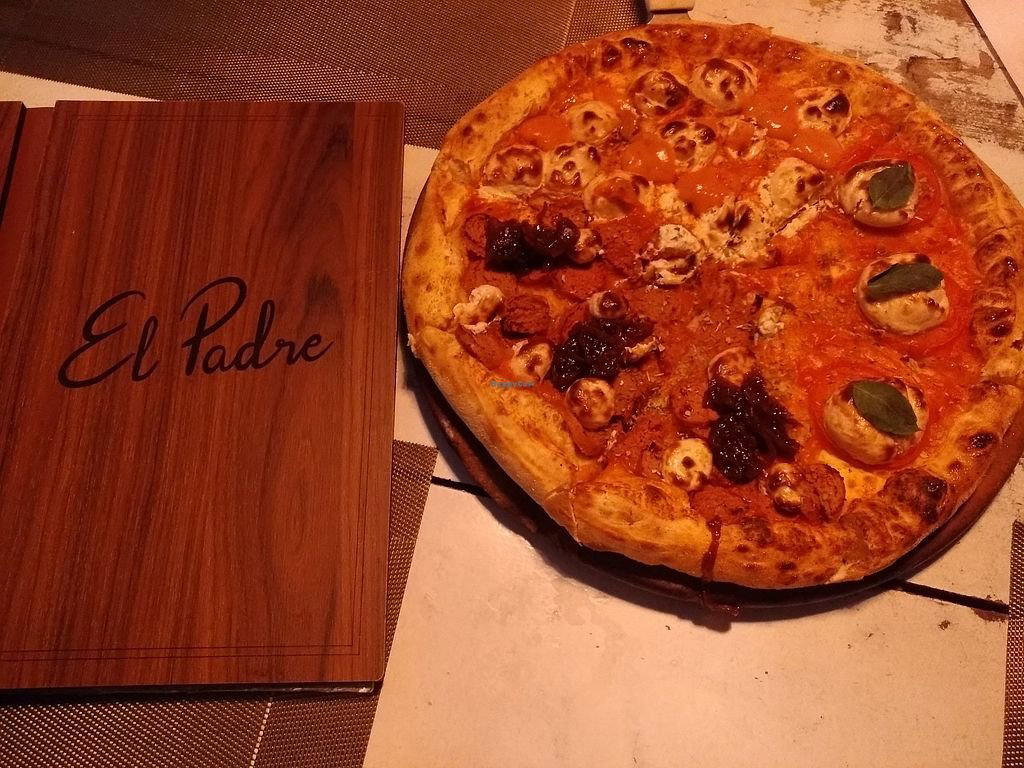
For those building a broader Florianópolis itinerary with a focus on seafood, Ostradamus handles oysters with a precision that reflects the island's position as one of Brazil's primary oyster-producing zones. Noma Sushi and El Padre Pizzas round out a city that handles both Japanese-inflected cooking and wood-fired formats with more seriousness than its size might suggest. Further afield in southern Brazil, Primrose in Gramado and Castelo Saint Andrews in Gramado offer reference points for the German-Italian mountain-town dining tradition that runs parallel to the coastal register Florianópolis inhabits.
Planning a Visit
Dolce Vita Restaurante is located at Rua Laurindo Januário da Silveira, 1233, in the Canto da Lagoa district of Florianópolis, Santa Catarina. The address is most accessible by car or rideshare from the central island; the Lagoa da Conceição area is roughly a twenty-minute drive from Florianópolis city centre under normal traffic conditions, though summer weekends extend that considerably. Reservations are recommended, and the restaurant's current hours are Wednesday through Sunday. Visitors arriving during the December-to-February high season should expect higher demand across the neighbourhood and are advised to arrive early or plan for a wait.
A Pricing-First Comparison
Comparable venues nearby, for context on price, style, and recognition.
| Venue | Cuisine | Price | Notes |
|---|---|---|---|
| Dolce Vita RestauranteThis venue — the venue you are viewing | Lagoa da Conceicao, Italian Seafood | $$$ | Not listed |
| Pizzaria Basilico | Canto da Lagoa, Neapolitan Pizza | $$ | Not listed |
| Vista Nipô | Not listed | $$$ | Passeio Primavera, Japanese Sushi with Rooftop View |
| Ostradamus | Not listed | $$$ | Ribeirão da Ilha, Brazilian Seafood and Oysters |
| Thai Thai Gastronomia Thailandesa | Lagoa da Conceição, Traditional Thai | $$ | Not listed |
| Rancho Açoriano Coqueiros | Coqueiros, Azorean Seafood | $$ | Not listed |
Continue exploring
More in Florianopolis
Restaurants in Florianopolis
Browse all →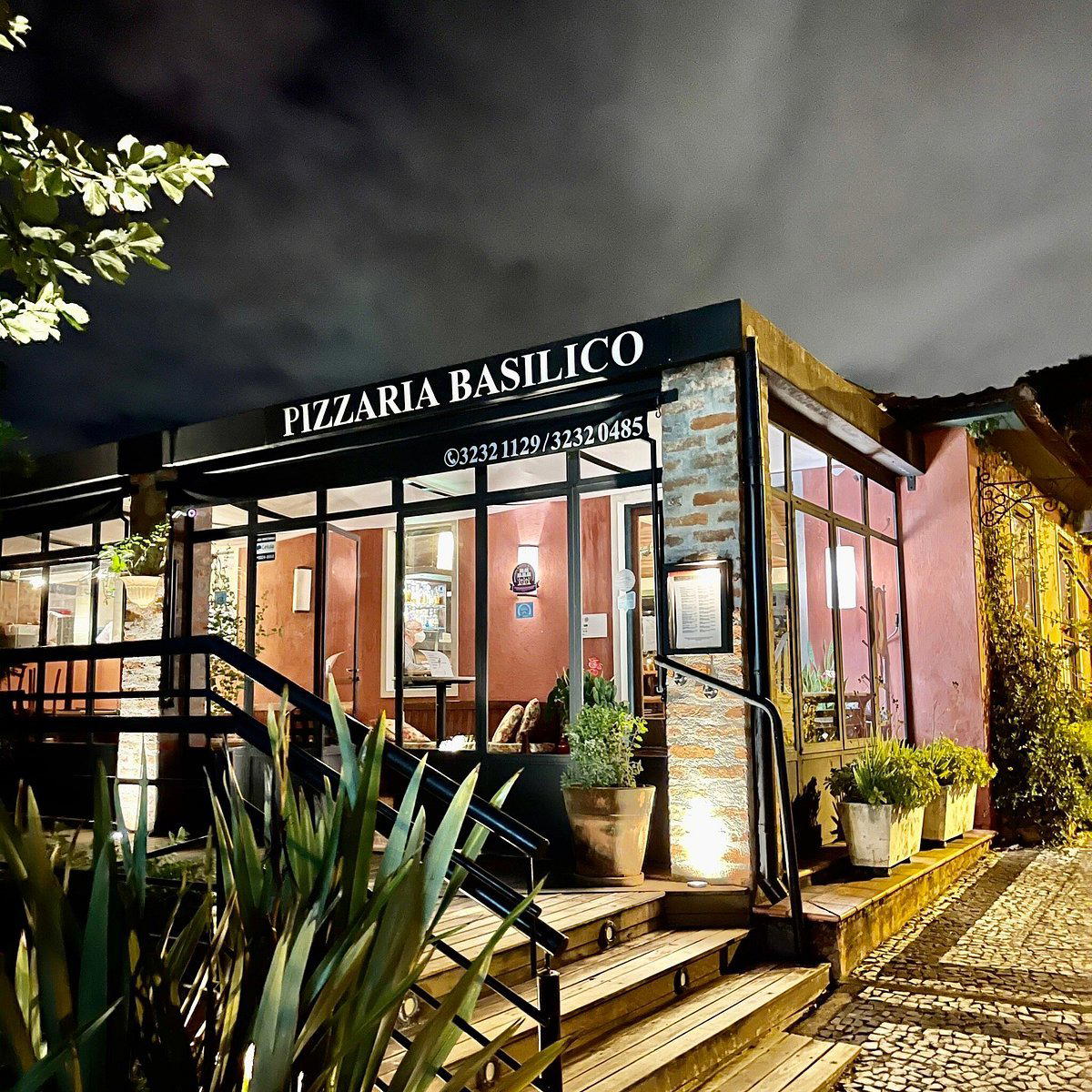
At a Glance
- Elegant
- Romantic
- Sophisticated
- Date Night
- Special Occasion
- Waterfront
- Waterfront
Current opening hours
- Monday
- Closed
- Tuesday
- Closed
- Wednesday
- 7–11 PM
- Thursday
- 7–11 PM
- Friday
- 7–11 PM
- Saturday
- 12–4 PM, 7–10 PM
- Sunday
- 12–4 PM
Hours can change for holidays and private events. Last verified .
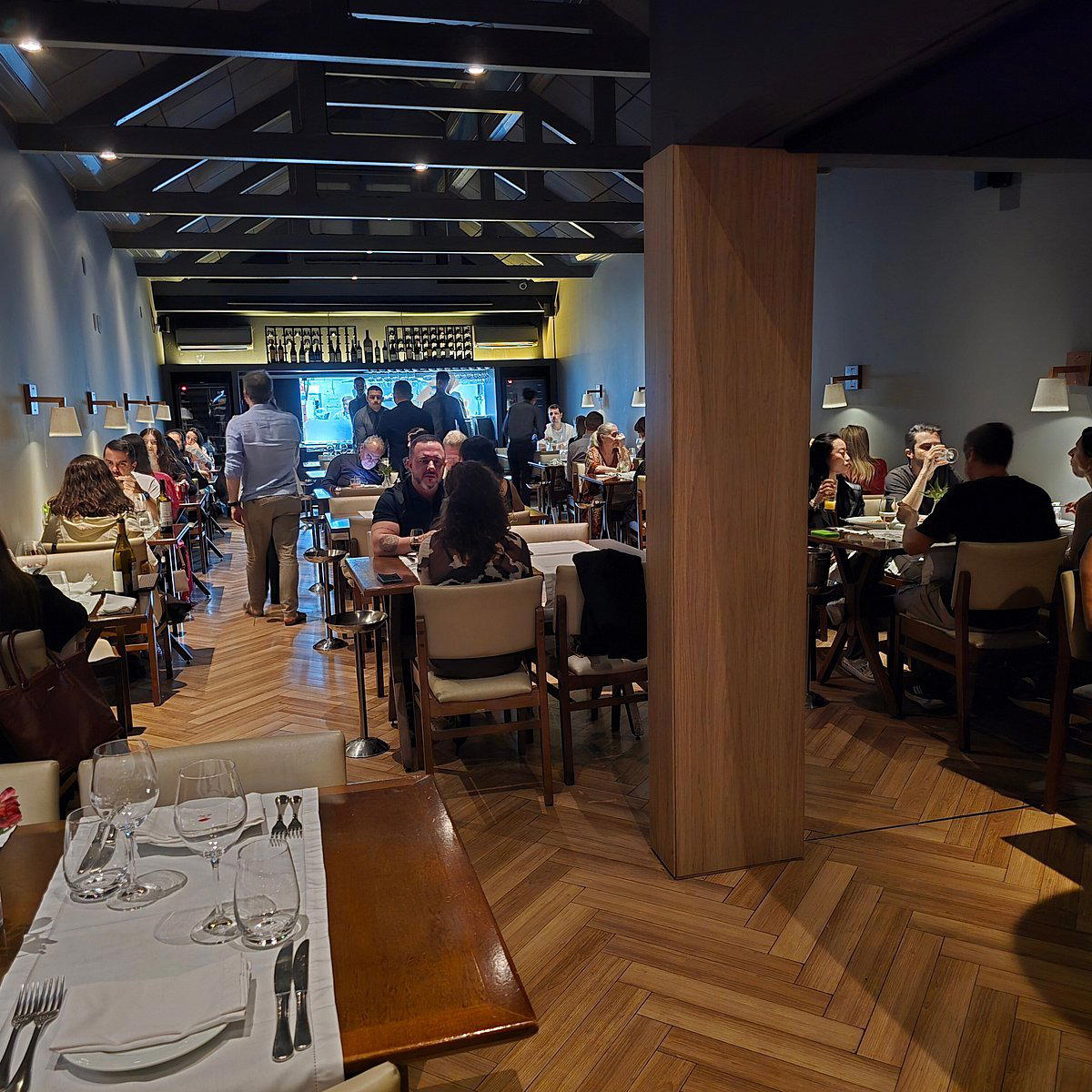
Sophisticated ambiance with warm lighting well-suited for romantic dinners.