Restaurante Le Tuá
Situated on Rua Almirante Lamego in Florianópolis's Centro district, Restaurante Le Tuá occupies a corner of the city's dining scene that rewards repeat visits. The address places it within easy reach of the island's historic centre, where a loyal clientele has built routines around the kitchen. For visitors tracing Florianópolis's restaurant circuit, Le Tuá sits alongside a compact set of addresses worth knowing.
Pearl is the En Primeur Club membership app — saves, bookings, and concierge access live there. Same editors, same standards.
- Address
- R. Alm. Lamego, 201 - Centro, Florianópolis - SC, 88015-600, Brazil
- Website
- letuarestaurant.com.br
- Directions
- Get directions
 Saves & bookings on Pearl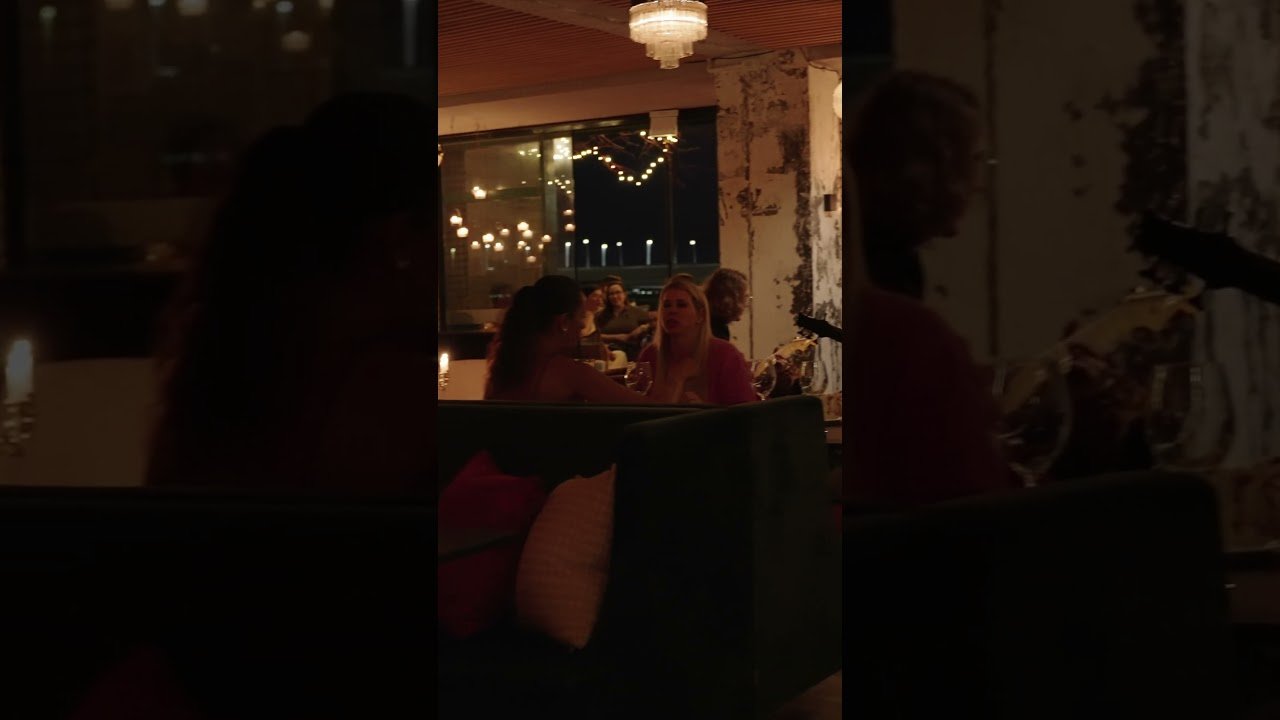
Centro's Quiet Loyalties
Florianópolis's Centro district does not announce itself the way Lagoa da Conceição or Jurerê Internacional does. The neighbourhood carries the unhurried rhythm of a working city centre: government buildings, older commercial blocks, the occasional colonial facade holding its ground against newer construction. It is in this context that a certain kind of restaurant finds its audience, not through spectacle or destination-dining ambition, but through the slow accumulation of regulars who make a place their own. Restaurante Le Tuá, at Rua Almirante Lamego 201, sits within that pattern.
The address itself is instructive. Rua Almirante Lamego runs through a part of Centro that sees local foot traffic more than tourist flow. Restaurants here tend to earn their standing over time, through weekday lunch crowds and the kind of evening business that comes from residents rather than visitors working through a shortlist. That dynamic shapes what a place becomes: menus calibrated to familiarity, a room that feels used rather than staged, and a relationship between kitchen and customer that guidebooks rarely capture.
What Keeps Regulars Returning
The regulars' perspective on any restaurant is a more demanding measure than a first visit. A newcomer accepts whatever arrives; a regular has already decided what they want before they sit down. They know which table catches the afternoon light and which to avoid. They have made peace with the menu's range and settled on a shorter list of their own. When a restaurant earns that kind of loyalty in a city centre context, it is usually because the kitchen delivers consistency rather than surprise, and because the room accommodates the particular ritual of eating in the same place often.
Florianópolis's dining scene has grown considerably over the past decade. The island's expansion as a technology and tourism hub brought a wave of new addresses, from the Italian-inflected kitchens of Artusi Restaurante and Dolce Vita Restaurante to the wood-fired output of Forneria Catarina and the Japanese counter at Noma Sushi. Against that newer wave, the Centro establishments occupy a different tier of the local consciousness: less visible in the algorithm-driven discovery cycle, more present in the actual eating lives of people who live here. That is not a consolation position. In many cities, the restaurants that matter most to the people who eat out most often are precisely the ones that do not photograph well or sit at the summit of any ranked list.
The broader Brazilian restaurant context is worth holding in mind. São Paulo and Rio de Janeiro carry the country's headline dining addresses: D.O.M. in São Paulo operates at the level of global recognition, while Lasai in Rio de Janeiro has built its reputation around ingredient sourcing and sustained critical attention. Florianópolis, by comparison, operates in a register that is more self-contained: the city's leading addresses are known locally and to the visitors who research beyond the obvious. Le Tuá's position within that local register, specifically within the Centro neighbourhood rather than the beachside districts, places it in a category of address that rewards prior knowledge.
The Neighbourhood as Context
Centro in Florianópolis is the part of the city that predates the island's transformation into a tech corridor and coastal destination. The historic fabric is visible in fragments: the Mercado Público, a few blocks away, has operated since the nineteenth century and remains one of the more reliable measures of local food culture in the city. The proximity of Le Tuá to that older commercial and civic core means the restaurant exists within a web of daily life that the beachside districts simply do not have. Lunch here draws a different crowd than dinner at a Jurerê address; the clientele is more likely to be office workers, local professionals, and the kind of repeat visitor who has moved beyond the beach itinerary.
That neighbourhood character connects Le Tuá to a pattern seen across Brazilian cities with distinct historic centres: think of the lunch culture around Cantina Pozzobon in Santa Maria, or the role that addresses like Bistro Fitz Carraldo in Manaus play within their own city-centre ecosystems. In each case, the restaurant's value is inseparable from its location in a working urban neighbourhood rather than a designated dining district.
For visitors to Florianópolis who want to eat beyond the beach-bar circuit, the Centro cluster of addresses offers direct access to the city's daily food culture. Le Tuá's position on Rua Almirante Lamego is within walking distance of the city's main transport connections and the Mercado Público, making it a practical option for a midday meal or an early evening visit before moving on to other parts of the island.
For comparison across Brazil's wider regional dining scene, addresses like Arte e Café Imperial in Angra dos Reis, Casa da Dika in Bragança, and Casa da Flor in Dourados represent the same pattern: city-centre or town-centre restaurants that function as community anchors rather than destination venues.
Planning a Visit
Le Tuá's address at R. Alm. Lamego, 201 in Centro places it in the walkable core of Florianópolis's historic district. The surrounding streets are accessible by bus from most parts of the island, and the proximity to the Mercado Público means the area sees consistent foot traffic throughout the day. For visitors building a broader itinerary across the island's dining addresses, pairing Le Tuá with nearby options such as El Padre Pizzas makes geographic sense.
Cuisine and Recognition
Comparable venues nearby, for context on price, style, and recognition.
| Venue | Cuisine | Price | Notes |
|---|---|---|---|
| Restaurante Le TuáThis venue — the venue you are viewing | French with Italian Passion | $$$$ | Not listed |
| Restaurante Lindacap | Traditional Brazilian Seafood | $$$ | Coqueiros |
| Pizzaria Basilico | Neapolitan Pizza | $$ | Canto da Lagoa |
| Thai Thai Gastronomia Thailandesa | Traditional Thai | $$ | Lagoa da Conceição |
| Forneria Catarina | Wood-Fired Italian Pizza | $$ | Centro |
| Artusi Restaurante | Contemporary Italian with Brazilian Influences | $$$$ | Centro |
Continue exploring
More in Florianopolis
Restaurants in Florianopolis
Browse all →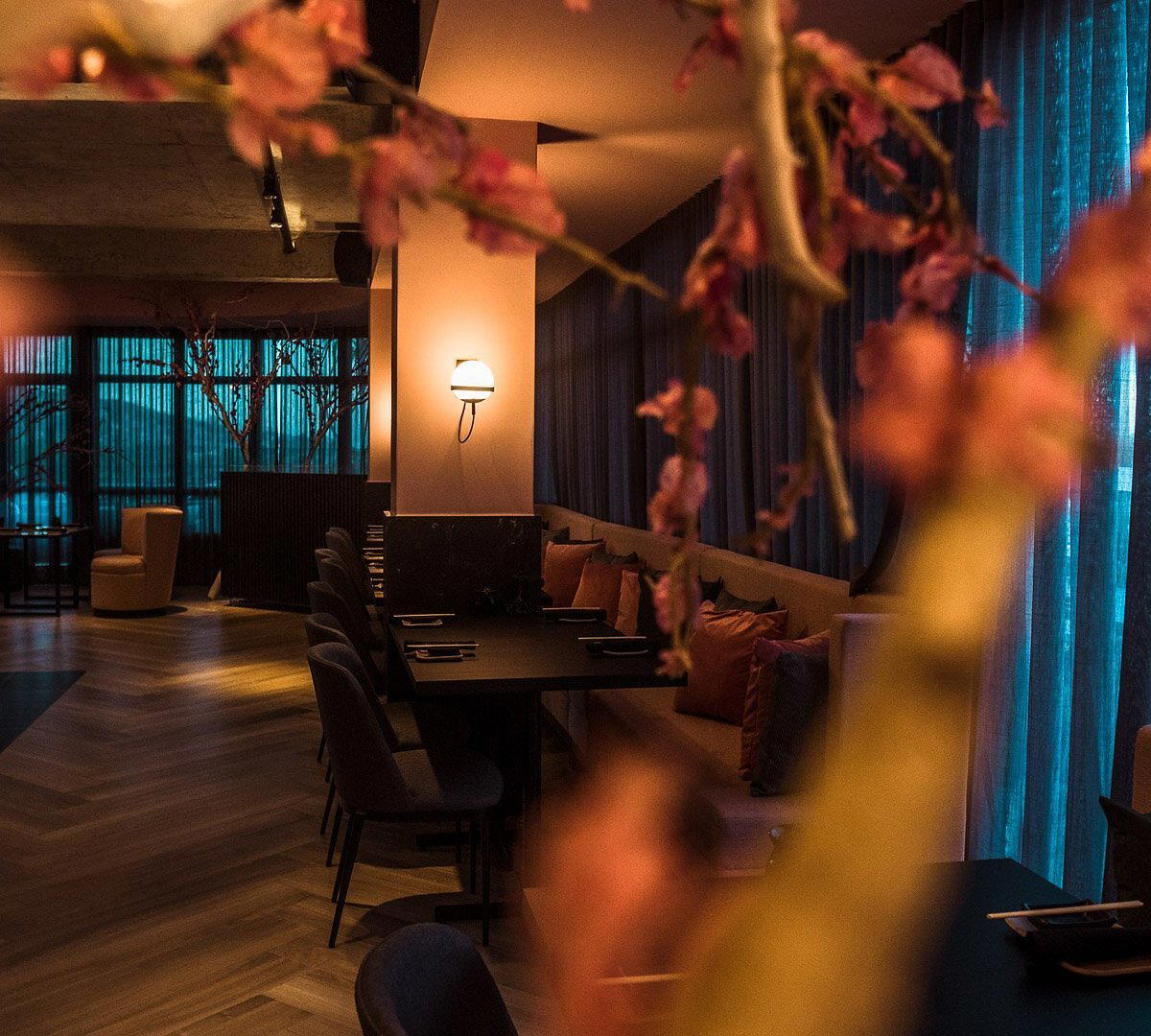
At a Glance
- Romantic
- Cozy
- Elegant
- Intimate
- Date Night
- Special Occasion
- Celebration
- Panoramic View
- Live Music
- Rooftop
- Extensive Wine List
- Skyline
Current opening hours
- Monday
- Closed
- Tuesday
- 7–11:30 PM
- Wednesday
- 7–11:30 PM
- Thursday
- 7–11:30 PM
- Friday
- 7 PM–12 AM
- Saturday
- 7 PM–12 AM
- Sunday
- 7–11:30 PM
Hours can change for holidays and private events. Last verified .
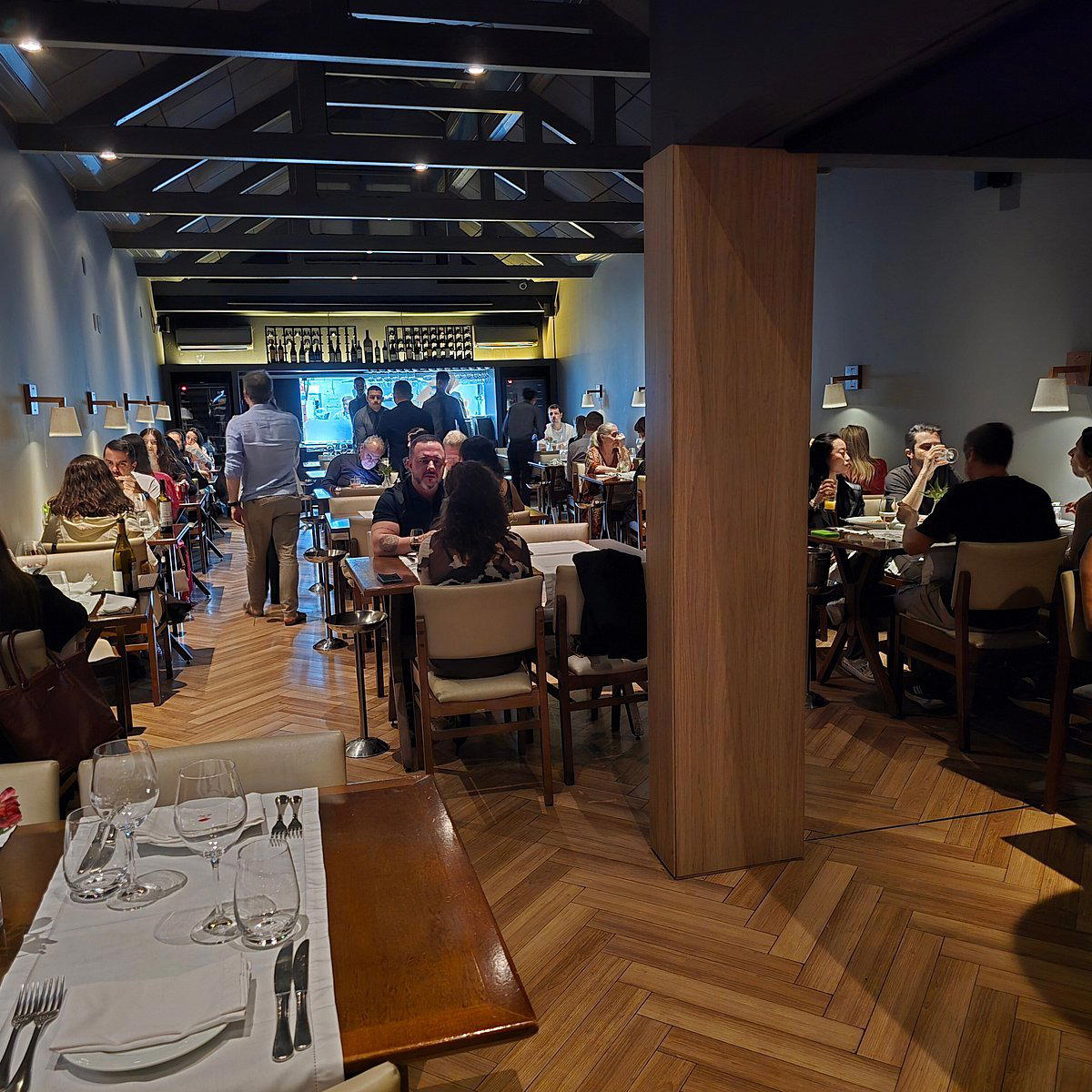
Cozy romantic atmosphere enhanced by live music and panoramic city views.