Vista Nipô
Vista Nipô sits along Rodovia SC-401 in João Paulo, bringing Japanese-influenced cuisine to Florianópolis's expanding northern corridor. The address places it outside the island's central restaurant cluster, which tends to filter out casual foot traffic and attract a more deliberate dining crowd. For those tracking Santa Catarina's growing interest in Japanese culinary traditions, it registers as a reference point worth examining alongside the city's broader Asian dining scene.
Pearl is the En Primeur Club membership app — saves, bookings, and concierge access live there. Same editors, same standards.
- Address
- Rodovia Jose Carlos Daux (SC 401), n. 4150 Passeio Primavera - João Paulo, Florianópolis - SC, 88032-005, Brazil
- Phone
- +554830234445
- Website
- niposushi.com.br
- Directions
- Get directions
 Saves & bookings on Pearl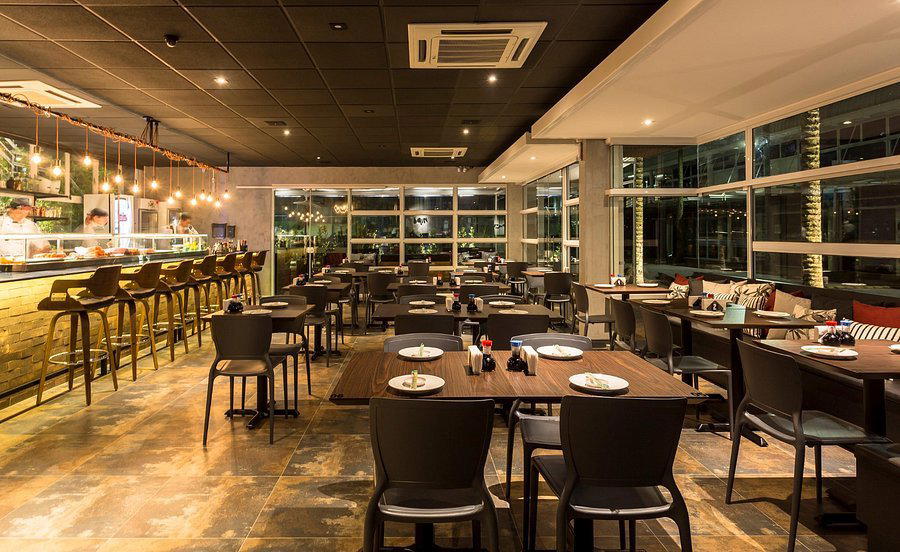
On the SC-401 Corridor: Where Florianópolis Eats Away from the Shore
The road that links central Florianópolis to the northern beaches, Rodovia José Carlos Daux (SC-401), has accumulated a dining scene that operates on different logic from the island's coastal strips. Where beachfront restaurants in Campeche or Jurerê Internacional sell location first and food second, Vista Nipô is a Japanese sushi restaurant in João Paulo, Florianópolis,010 reviews and a smart casual dress code. the stretch around João Paulo rewards repeat visitors rather than tourists scanning menus from the pavement. Vista Nipô sits at number 4150 along this corridor, in the Passeio Primavera development, and the address alone sets a particular expectation: you are arriving with intent, not stumbling in.
That physical remove from the island's tourist axis is part of how certain restaurants in this corridor have built loyal local followings. The SC-401 dining belt runs parallel to Florianópolis's wealthier residential neighbourhoods on the mainland-adjacent northern tip of the island, and the clientele it draws tends to be local professionals rather than seasonal visitors. For a Japanese-leaning restaurant, that matters: it suggests a dining room calibrated around repeat orders and kitchen familiarity rather than one-time spectacle.
Japanese Cuisine in Santa Catarina: A Longer Story Than the Menu Suggests
Brazil holds the largest Japanese diaspora outside Japan, and that presence has shaped southern Brazilian food culture at every level from supermarket shelves to fine dining. São Paulo is the obvious centre of gravity, home to Liberdade and to operations like D.O.M. in São Paulo, where Alex Atala has drawn on indigenous Brazilian ingredients in ways that occasionally intersect with Japanese precision and minimalism. In Rio, Lasai in Rio de Janeiro represents a different integration model, where seasonal sourcing and restraint recall Japanese sensibility without leaning directly on the cuisine.
Santa Catarina's Japanese community is smaller but historically rooted, concentrated in the northern part of the state around Joinville and São Francisco do Sul. Florianópolis itself sits slightly outside the densest settlement zones, which means that Japanese dining here developed through a different route: urban demand from a well-travelled middle class rather than community tradition. The result is a restaurant scene where Japanese concepts must justify themselves through food quality and sourcing credibility rather than neighbourhood authenticity. In this context, a restaurant operating on the SC-401 corridor is positioning itself for a specific, repeat-customer audience with formed opinions about Japanese cuisine.
Within Florianópolis's current restaurant map, the Japanese segment occupies a mid-to-upper tier. Noma Sushi represents one approach to the category, while the broader dining fabric of the city, covered in detail in our full Florianópolis restaurants guide, shows a range of European-influenced and Brazilian-contemporary alternatives that compete for the same discretionary spending. Restaurants like Artusi Restaurante, Dolce Vita Restaurante, and Forneria Catarina anchor the Italian end of the city's premium casual tier, while El Padre Pizzas competes further down the price register. Vista Nipô operates in a distinct segment from all of these, though it draws from the same northern corridor resident base.
Ingredient Sourcing as the Decisive Variable
In Japanese cuisine, sourcing is not a backstory detail, it is the architecture of the food. The distance between a technically adequate and a genuinely compelling Japanese meal usually comes down to where the fish was caught, how it was handled, and how quickly it arrived at the kitchen. Florianópolis is not a disadvantaged city in this respect. Santa Catarina's coastline is among the more productive in Brazil for cold-water species, with Florianópolis itself historically known for oyster cultivation in the Ribeirão da Ilha district. The island's position on the Atlantic also gives it access to seafood supply chains that northern Brazilian cities cannot match.
For a Japanese restaurant operating on the SC-401 corridor, proximity to that supply matters. The Ceasa wholesale market and local fishing cooperative networks that serve Florianópolis restaurants represent a real sourcing advantage over inland cities. Whether a given kitchen actually converts that geographic advantage into plate-level quality depends on kitchen discipline and supplier relationships, variables that are difficult to assess from the outside without current firsthand reporting. What can be said is that the structural conditions for sourcing well are present in a way they simply are not in landlocked Brazilian cities like those where restaurants such as Cantina Pozzobon in Santa Maria or Casa da Flor Restaurante in Dourados operate.
The comparison is worth making because it contextualises what a Japanese restaurant in coastal southern Brazil can credibly attempt. Operations like Atomix in New York City or Le Bernardin in New York City build their reputations on sourcing networks that took years to develop and are maintained with considerable infrastructure. A regional restaurant in Florianópolis is working at a different scale, but the principle that seafood provenance determines ceiling quality applies at every level of the category.
Planning Your Visit
The restaurant is located at Rodovia José Carlos Daux (SC-401), número 4150, in the Passeio Primavera complex in João Paulo, a neighbourhood that sits north of central Florianópolis and is most practically reached by car or rideshare. The SC-401 carries significant traffic during peak hours, particularly on weekends when northern beach traffic compounds the commuter load, so timing arrivals outside the early evening surge is advisable. Current hours are Monday to Friday from 11:30 AM to 3 PM and 6:30 to 11:30 PM, Saturday from 12 to 4 PM and 6:30 to 11:30 PM, with Sunday closed. Reservations are recommended.
For those building a broader Florianópolis itinerary that includes other parts of Brazil, the city connects to dining scenes across the country, from the Portuguese-inflected northeastern coast represented by operations like Casa da Dika Restô e Eventos in Bragança to the cattle-country tradition visible at Casa da Picanha Penedo in Itatiaia. Within Santa Catarina's own regional dining identity, Florianópolis occupies an increasingly confident position, and the northern corridor is one of the zones where that confidence is being tested with more ambitious concepts.
Side-by-Side Snapshot
Comparable venues nearby, for context on price, style, and recognition.
| Venue | Cuisine | Price | Notes |
|---|---|---|---|
| Vista NipôThis venue — the venue you are viewing | Japanese Sushi with Rooftop View | $$$ | Not listed |
| Taberna Ibérica | Traditional Portuguese & Mediterranean | $$$ | City Center |
| Ostradamus | Brazilian Seafood and Oysters | $$$ | Ribeirão da Ilha |
| Restaurante Lindacap | Traditional Brazilian Seafood | $$$ | Coqueiros |
| Rosso | Seafood and Regional Santa Catarina | $$$ | Santo Antônio de Lisboa |
| Noma Sushi | Modern Fusion Japanese Sushi | $$$ | Centro Empresarial / Jurerê Internacional |
Continue exploring
More in Florianopolis
Restaurants in Florianopolis
Browse all →
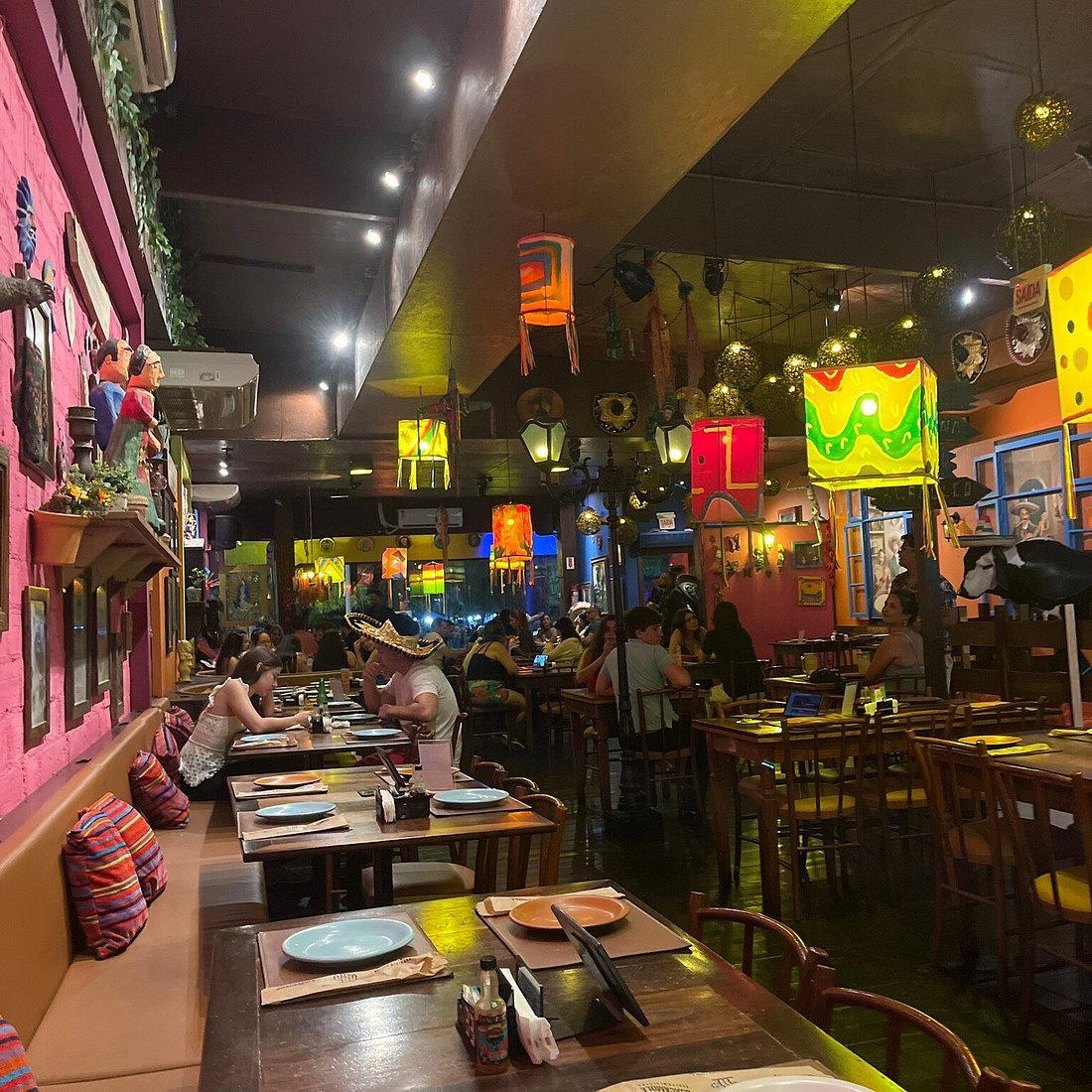
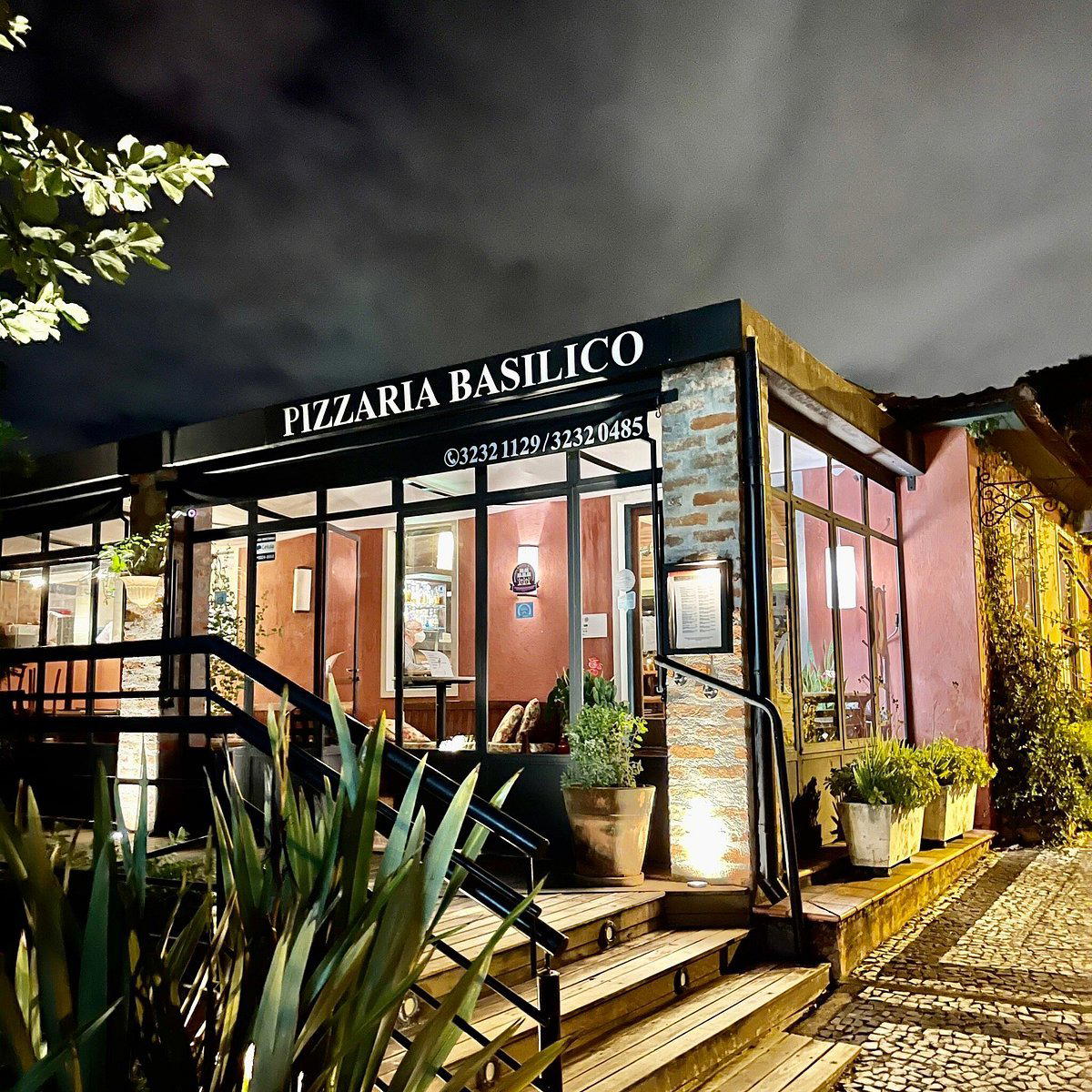
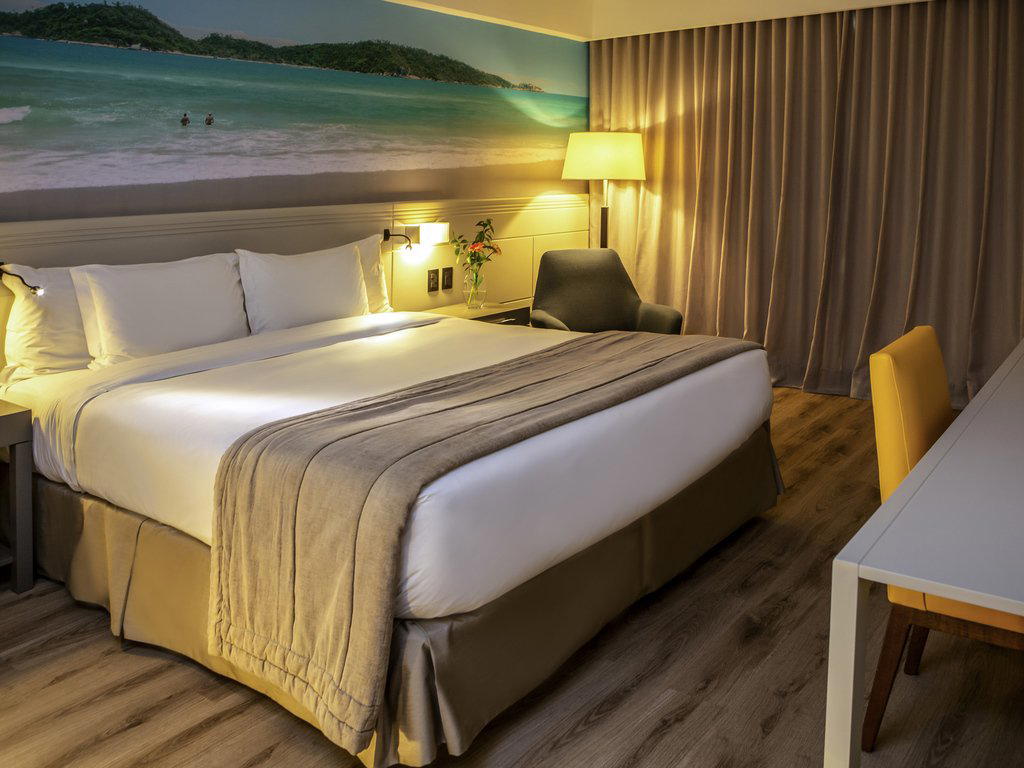
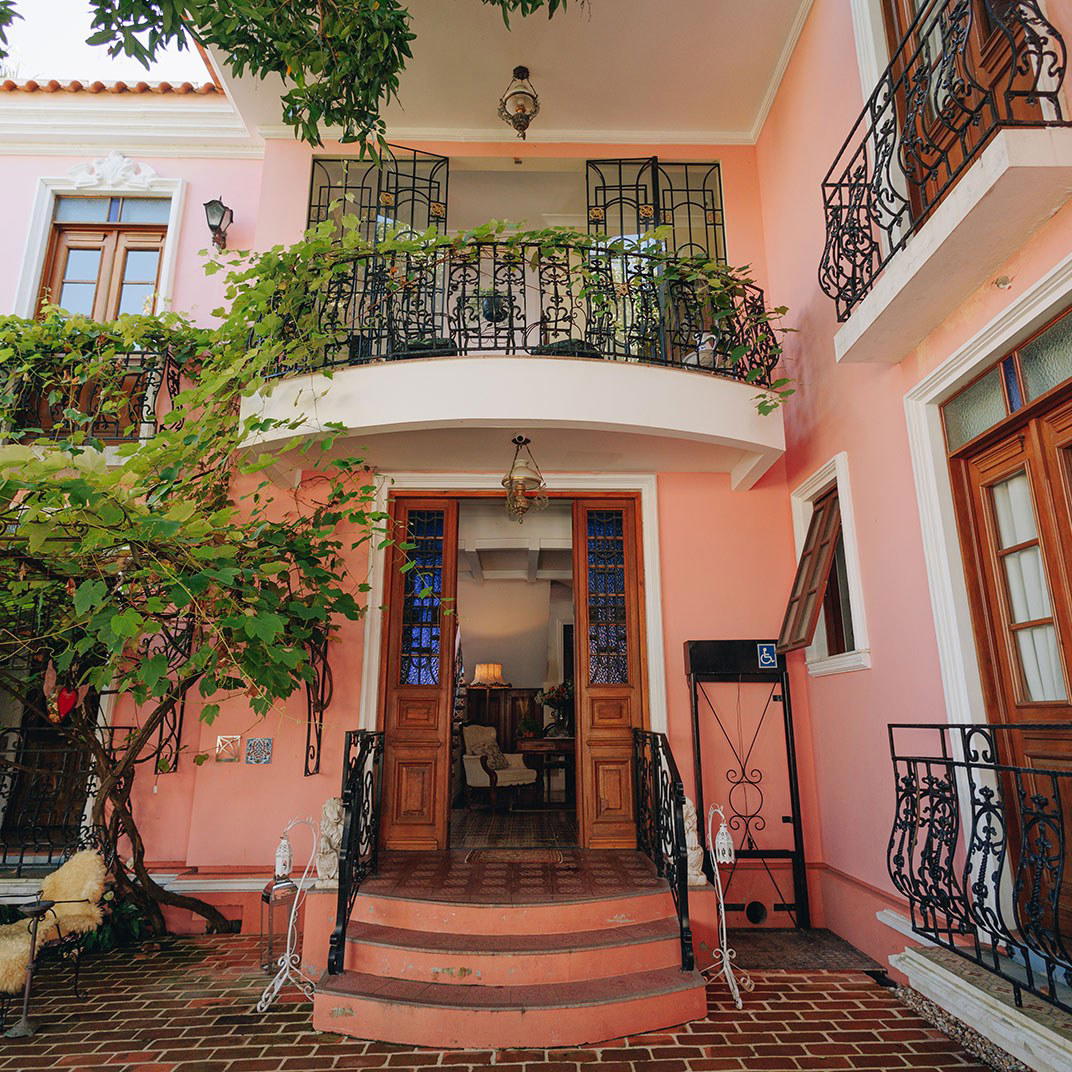
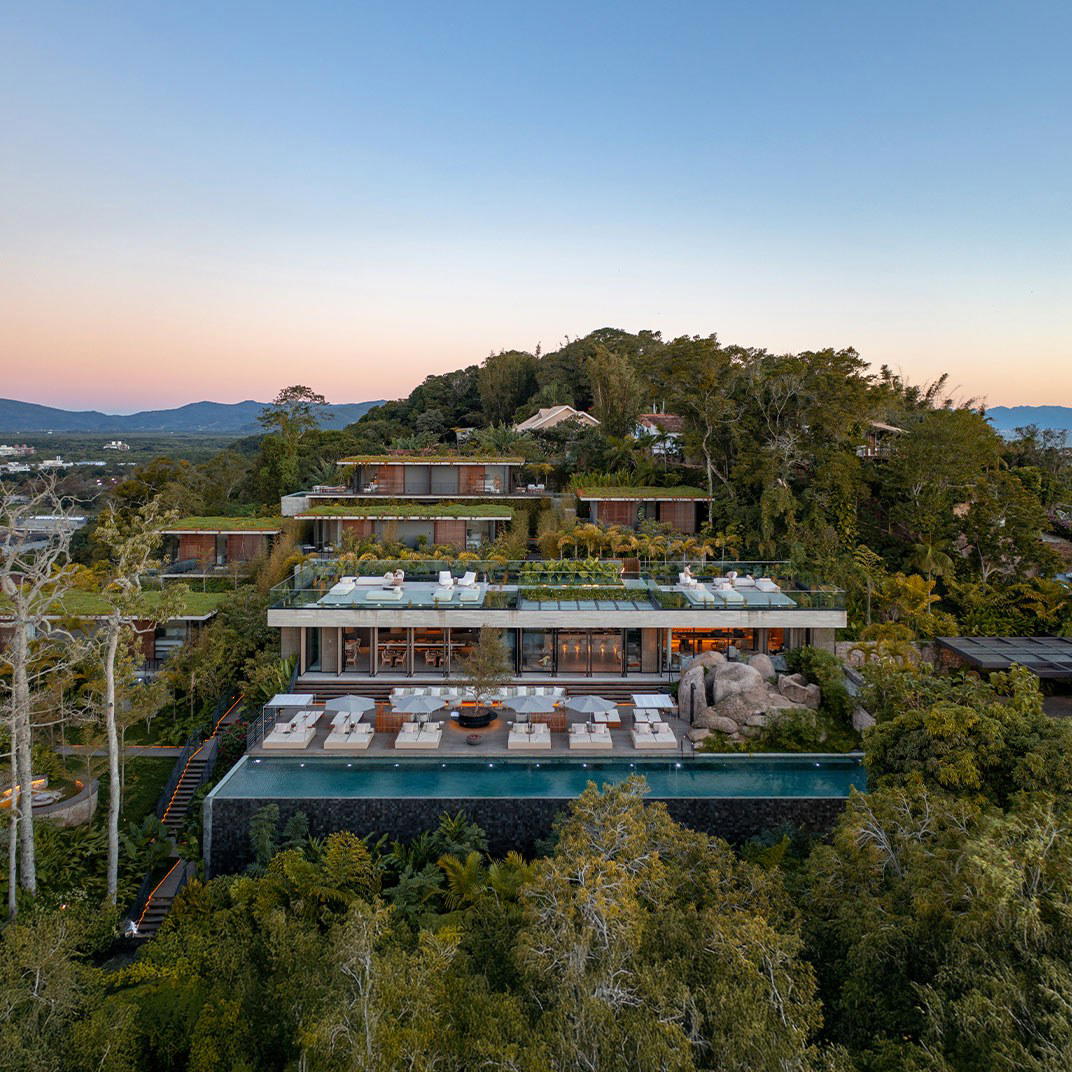
At a Glance
- Scenic
- Elegant
- Modern
- Date Night
- Special Occasion
- Rooftop
- Panoramic View
- Extensive Wine List
Current opening hours
- Monday
- 11:30 AM–3 PM, 6:30–11:30 PM
- Tuesday
- 11:30 AM–3 PM, 6:30–11:30 PM
- Wednesday
- 11:30 AM–3 PM, 6:30–11:30 PM
- Thursday
- 11:30 AM–3 PM, 6:30–11:30 PM
- Friday
- 11:30 AM–3 PM, 6:30–11:30 PM
- Saturday
- 12–4 PM, 6:30–11:30 PM
- Sunday
- Closed
Hours can change for holidays and private events. Last verified .
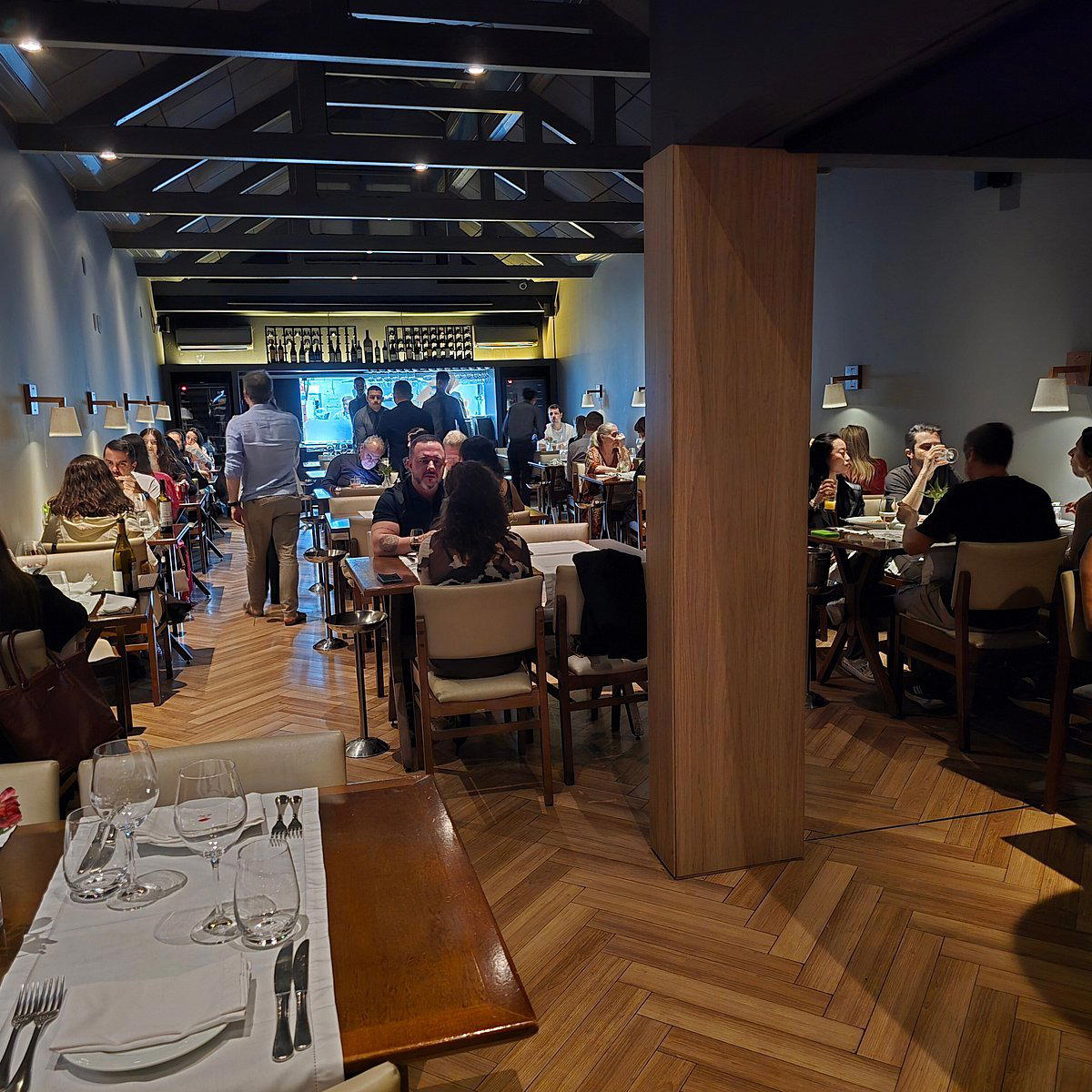
Contemporary ambiance with nice environment, well-suited service, and captivating setting.