On Landstraßer Hauptstraße at the edge of the 3rd district, Ra'mien occupies a section of Vienna's dining scene where Asian noodle formats meet the city's growing appetite for ingredient-conscious cooking. The address places it at a transit hub between the Inner City and the Erdberg quarter, making it a practical stop for a range of dining occasions without the ceremony of the Innere Stadt's fine-dining corridor.
Pearl is the En Primeur Club membership app — saves, bookings, and concierge access live there. Same editors, same standards.
- Address
- Landstraßer Hauptstraße 1b, 1030 Wien, Austria
- Phone
- +434319072841
- Website
- ramiengo.at
- Directions
- Get directions
 Saves & bookings on Pearl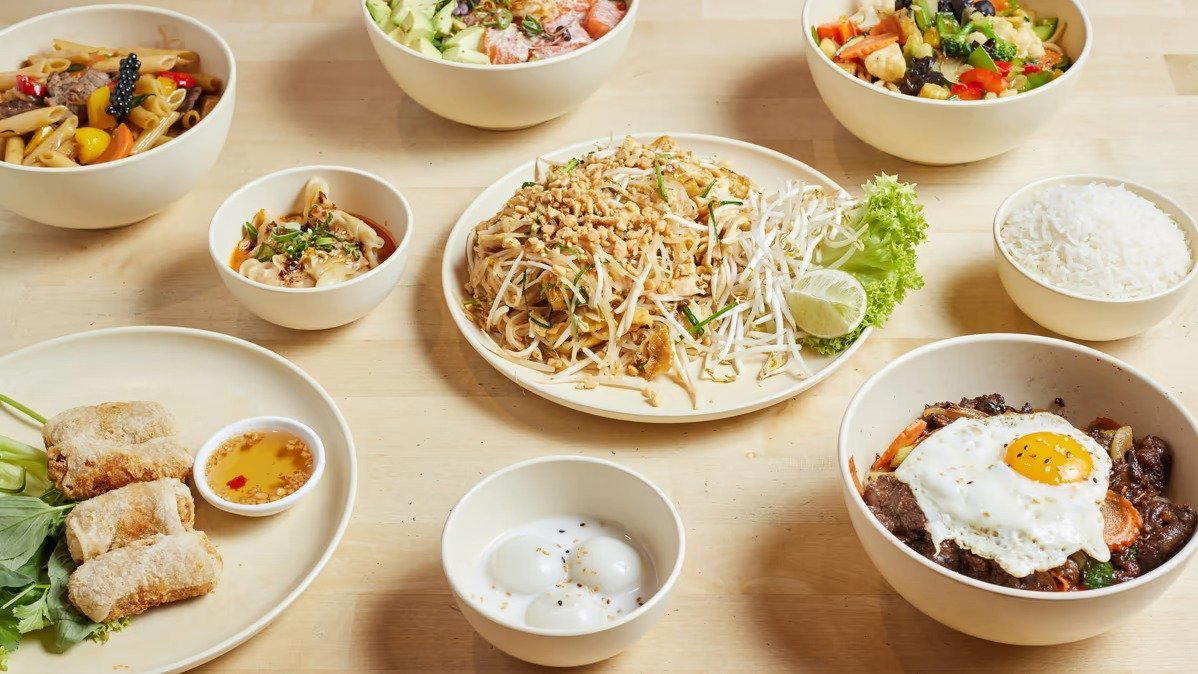
Where the 3rd District Meets the Bowl
Ra'mien is an Asian noodle bar in Vienna's 3rd district, at Landstraßer Hauptstraße 1b, 1030 Wien, Austria. Unlike Tokyo, where the category has fractured into dozens of hyper-regional sub-styles with decades of public debate behind them, or New York, where counters like Atomix have pushed Korean tasting-menu formats into the highest critical tier, Vienna is a city whose serious dining energy has historically concentrated around Austrian creative cuisine. Houses like Steirereck im Stadtpark and Konstantin Filippou anchor the €€€€ end of the market. The city's Asian noodle formats have operated in a different register entirely: casual, fast-moving, and until recently, largely invisible to the platforms tracking fine-dining credentials.
Ra'mien, at Landstraßer Hauptstraße 1b in the 3rd district, sits at that intersection. The address is telling: the 3rd is a working mixed-use district, not a tourist corridor, bordered by the Ringstraße grandeur to the west and the more workaday Erdberg quarter to the east. A restaurant choosing this location over the more visible 1st or 7th districts is making an implicit statement about its intended audience, regulars over walk-ins, neighbourhood loyalty over destination traffic.
The Sustainability Question in the Bowl Format
Across European cities, the conversation around broth-based formats has quietly become a sustainability conversation. Ramen, at its most traditional, is a study in whole-animal or whole-vegetable utilisation: long-simmered bones, fermented pastes built from by-products, broths that extract maximum flavour from minimum waste. The format is structurally aligned with the principles of nose-to-tail and zero-waste cooking that have driven so much of the past decade's fine-dining discourse at places like Mraz & Sohn and Amador in Vienna's upper tier.
At the casual end of the market, those principles are less often articulated and more often simply practiced out of economic necessity: a broth-based kitchen wastes little. Whether Ra'mien operates with an explicit sustainability framework or simply benefits from the format's inherent efficiency, the bowl itself, as a category, is one of the more resource-rational ways to feed a room. This matters in Vienna, a city whose high-end creative kitchens at Doubek and elsewhere have increasingly made sourcing legibility part of their identity. The expectation that a restaurant articulate where its ingredients come from is no longer confined to tasting-menu formats; it has filtered into mid-market dining across the city.
Austria's broader food culture reinforces this. The country's regional fine-dining circuit, from Döllerer in Golling an der Salzach to Landhaus Bacher in Mautern an der Donau to Kräuterreich by Vitus Winkler in Sankt Veit im Pongau, has long built menus around regional provenance and seasonal discipline. That sensibility, when it trickles down into city dining, creates a consumer base that reads sourcing signals, even in a bowl of noodles.
The 3rd District Context
Landstraße is one of Vienna's more practically interesting districts. It houses the Hundertwasserhaus, the Wien Mitte transport hub, and a stretch of Landstraßer Hauptstraße that transitions from polished to unpretentious within a few hundred metres. The 1b address places the restaurant at the western, more trafficked end of that strip, close enough to Wien Mitte to catch commuter and transit flow, but not so close as to be purely transactional.
For Vienna's ramen-adjacent dining, the 3rd offers something the 1st does not: space to be a local restaurant rather than a destination. The city's serious dining infrastructure, the Michelin-tracked kitchens, the long-format tasting menus, the wine programs, concentrates elsewhere. What the 3rd provides is a dining environment where the food itself, rather than the address, carries the argument. That is a different kind of pressure, and one that bowl-format restaurants in European cities have generally navigated better than their more ceremonial counterparts.
Placing Ra'mien in Vienna's Wider Dining Map
Vienna's fine-dining tier operates at considerable remove from the restaurant's category. The €€€€ houses, Mraz & Sohn, Steirereck, Konstantin Filippou, represent a different commitment of time, money, and occasion. The restaurant operates in a register that the city's award-tracked restaurants do not occupy: fast, accessible, noodle-forward, and without the infrastructure of a formal dining room.
That positioning has value. Vienna has historically underserved the middle ground between Viennese café culture and high-end tasting menus. The city's café tradition is deep and genuinely distinctive, but it is not built for the kind of precise, product-led bowl cooking that has made ramen a serious category in London, Paris, and Berlin. The restaurant, by planting itself in that gap in the 3rd district, is working a niche that the city's more decorated kitchens, from Obauer in Werfen to Ikarus in Salzburg to Griggeler Stuba in Lech, have no interest in and no intention of entering.
The comparison that matters for the restaurant is not with Vienna's Michelin tier. It is with European bowl-format restaurants more broadly: the ramen counters in Paris's 2nd arrondissement, the tonkotsu specialists in London's Soho, the pan-Asian noodle houses that have used ethical sourcing and broth transparency as differentiators. Even at a remove, a restaurant like Le Bernardin in New York City is useful as a reference point, not because the categories are adjacent, but because it illustrates how product-led thinking in any format builds credibility over time. The restaurant's version of that argument is necessarily smaller in scale, but the logic is the same.
Austria's regional dining circuit is also worth tracking separately: Schwarzer Adler in Hall in Tirol, Ois in Neufelden, and Restaurant 141 by Joachim Jaud in Mieming each represent the country's appetite for serious cooking outside the capital.
Planning Your Visit
Address: Landstraßer Hauptstraße 1b, 1030 Wien, Austria. Dress: casual. Reservations: recommended. Budget: around $20 per person.
Credentials Lens
Comparable venues nearby, for context on price, style, and recognition.
| Venue | Cuisine | Price | Notes |
|---|---|---|---|
| Ra'mienThis venue — the venue you are viewing | Asian Noodle Bar | $$ | Not listed |
| ra'mien go Kolingasse | Asian Noodle Bar | $$ | Inner City |
| Makka | Asian Fusion | $$ | Stephansdom |
| Ichi go Ichi e | Japanese Ramen Bar | $$ | Landstrasse |
| XPEDIT | Italian-inspired Nature to Table | $$ | Innere Stadt |
| Viva la Mamma | Authentic Italian Pasta & Pizza | $$ | Staatsoper |
Continue exploring
More in Vienna
Restaurants in Vienna
Browse all →
Bars in Vienna
Browse all →
Hotels in Vienna
Browse all →

At a Glance
- Trendy
- Cozy
- Casual Hangout
- Late Night
- Open Kitchen
Current opening hours
- Monday
- 11 AM–9:30 PM
- Tuesday
- 11 AM–9:30 PM
- Wednesday
- 11 AM–9:30 PM
- Thursday
- 11 AM–9:30 PM
- Friday
- 11 AM–9:30 PM
- Saturday
- 11 AM–9:30 PM
- Sunday
- 11 AM–9:30 PM
Hours can change for holidays and private events. Last verified .
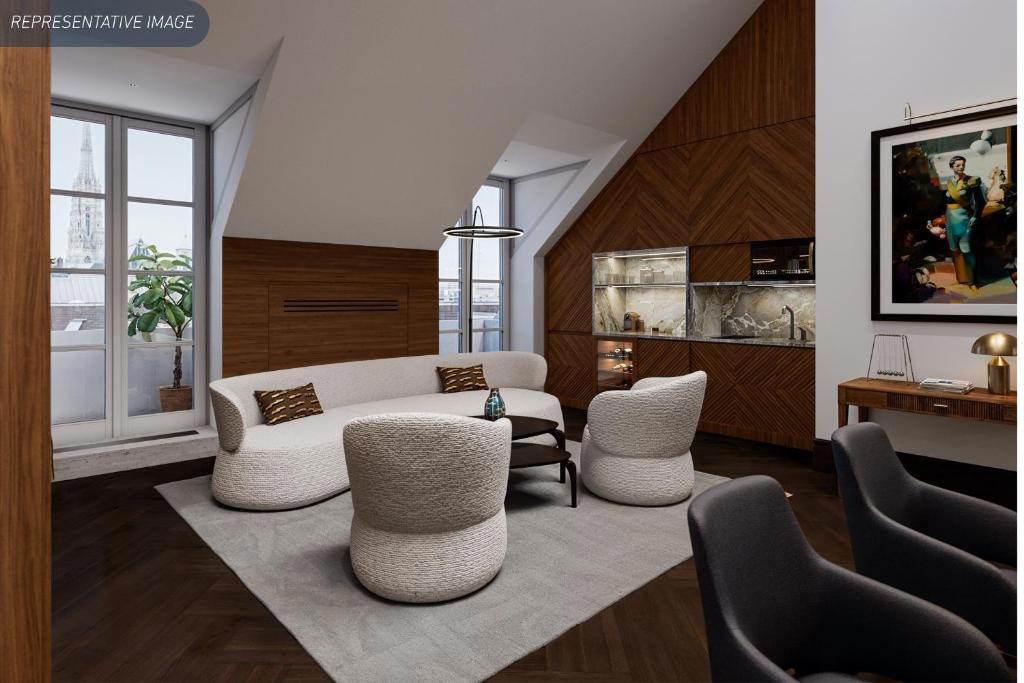
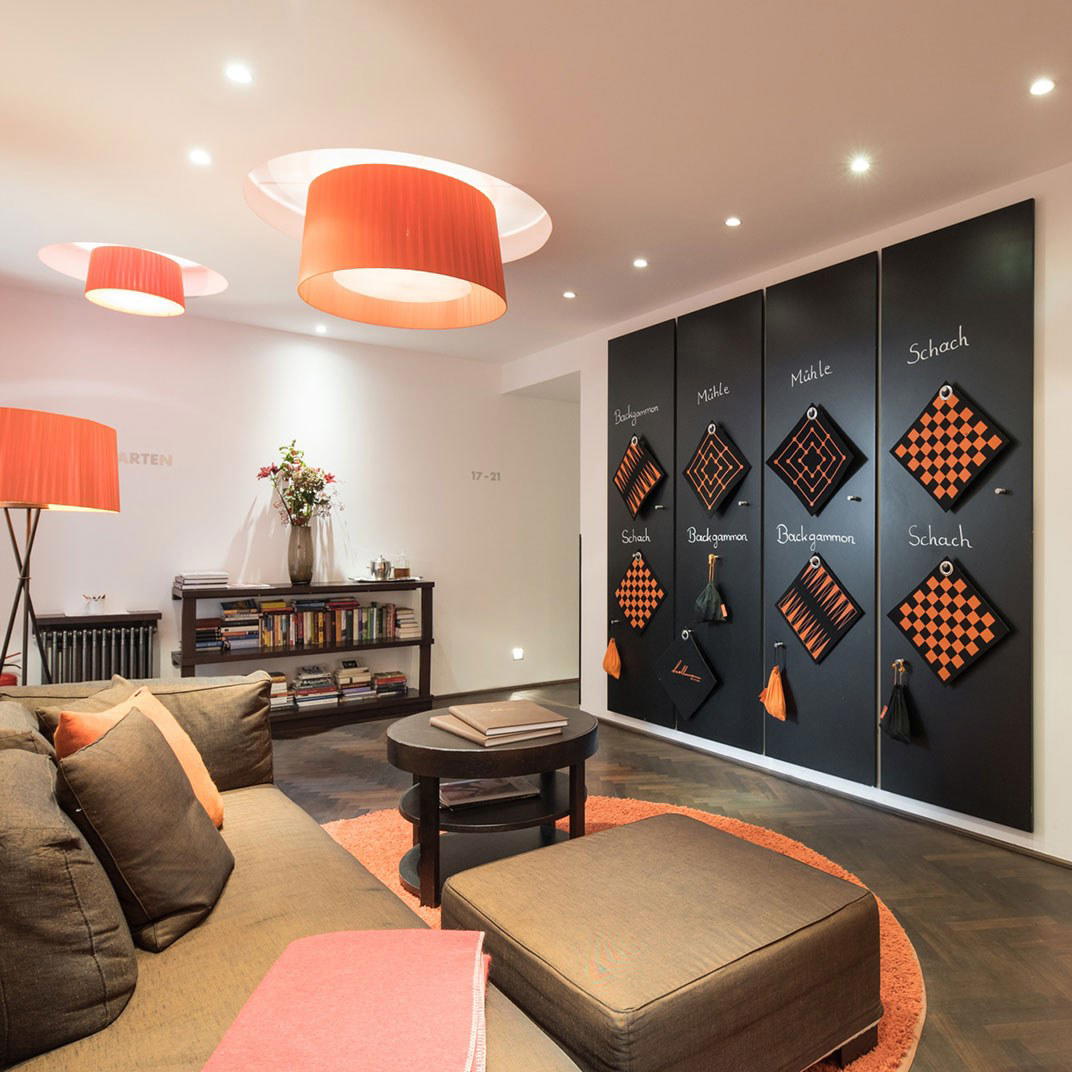
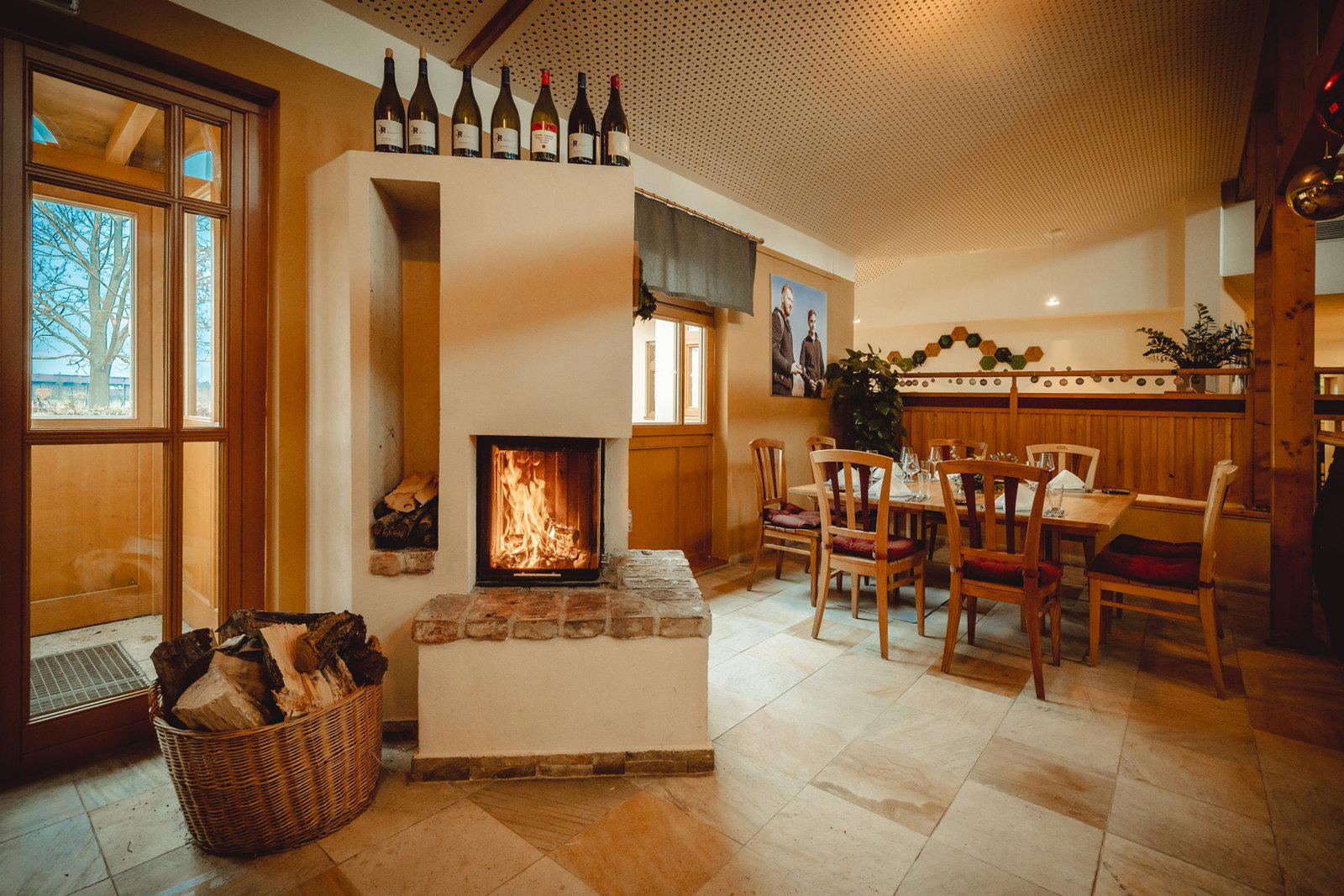
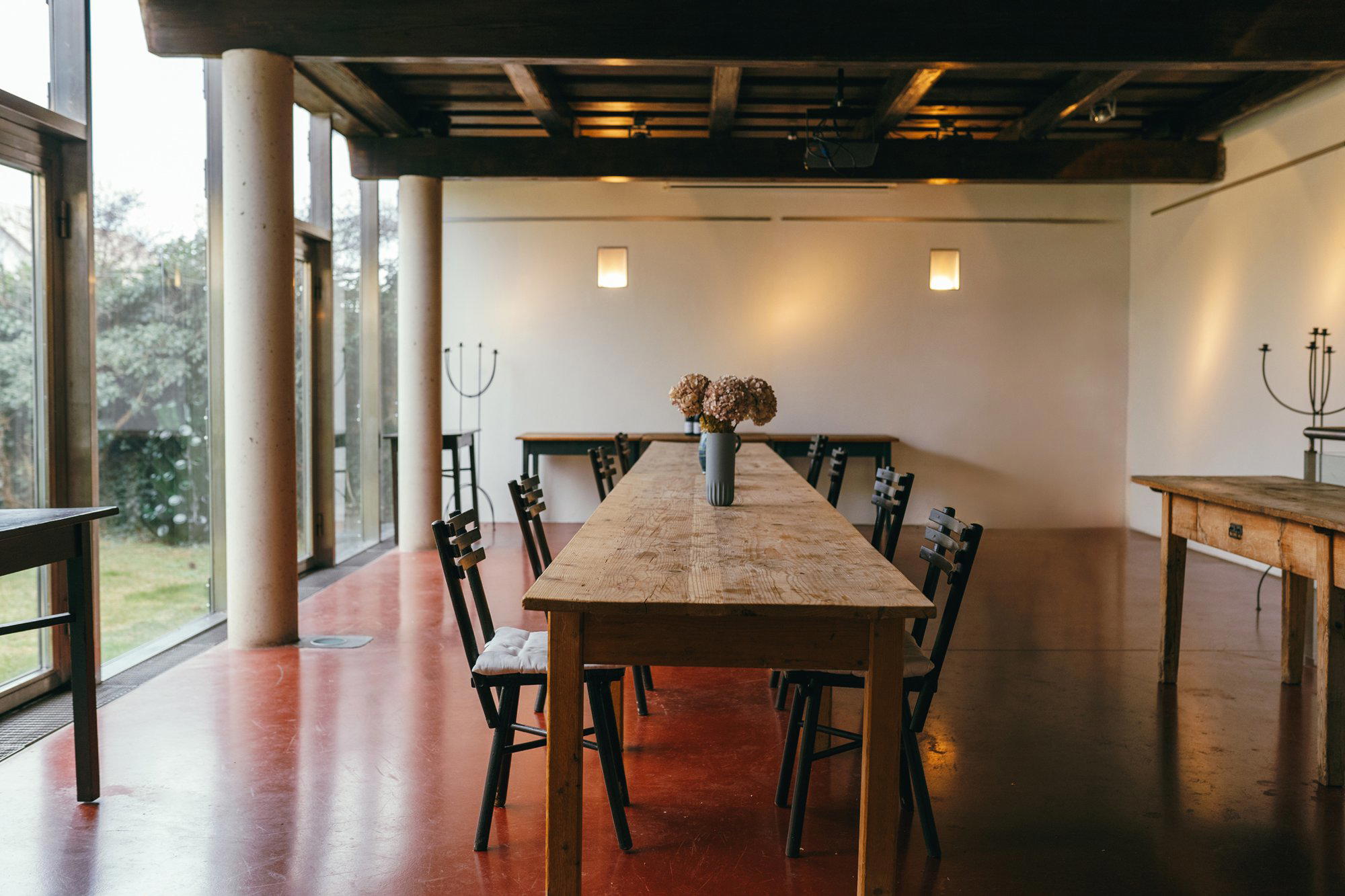
Bright and modern interior with a welcoming atmosphere, though some find it a bit cold.