
Ramen Shibahama makes Kiryu a serious stop for ramen rather than a detour between larger Gunma cities. Its morning ramen format, counter seating, tsukemen alongside ramen, and repeated Tabelog Ramen EAST 100 selections put it in a disciplined regional category where wheat, broth, and timing matter more than decoration.
Pearl is the En Primeur Club membership app — saves, bookings, and concierge access live there. Same editors, same standards.
- Address
- 1 Chome-303-1 Aioicho, Kiryu, Gunma 376-0011, Japan
- Phone
- +81 277-46-6901
- Website
- ramenshibahama.jp
 Saves & bookings on Pearl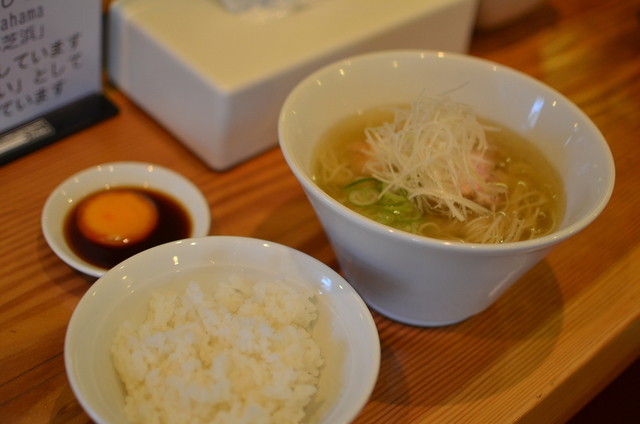
Approaching a serious ramen counter in Kiryu is a different proposition from chasing noodles through Tokyo’s station basements or late-night entertainment districts. The tempo is earlier, quieter, and more local. The room is built around counter seating, and that matters: ramen at this level is a short-form performance of heat, wheat, stock, and pace, not a long lunch padded with ceremony.
Gunma’s ramen culture sits close to wheat country, and Kiryu has long been associated with flour-based foodways, from noodles to local everyday cooking. That agricultural context gives Ramen Shibahama its editorial significance. The shop’s public identity as a morning ramen and wheat-focused address places it in a lineage where the noodle is not merely a vehicle for broth; it is the organizing principle of the meal.
Recognition has followed that narrow focus. The shop was selected for Tabelog Ramen EAST 100 in 2025, with previous selections listed back through 2017, and carries a Tabelog score of 3.81. In Japan’s ramen category, where tiny shops can attract national attention without luxury pricing or elaborate rooms, those signals matter. They place Kiryu inside the broader eastern Japan ramen conversation rather than outside it.
Morning ramen shifts the meal from night snack to regional breakfast ritual
Ramen is often framed internationally as after-dark food: salty, fast, and urban. Morning ramen changes that reading. In regional Japan, an early bowl can function more like soba at dawn or udon before a day’s work, a precise meal with little tolerance for excess. At a 15-seat counter, the format rewards solo diners and small parties who understand that turnover is part of the craft.
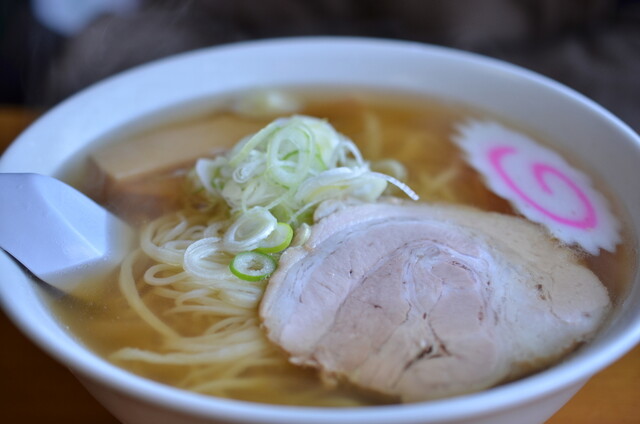
The listed categories, ramen and tsukemen, point to two different tests of wheat. Soup ramen asks the noodle to hold texture inside broth; dipping noodles expose chew, temperature, and sauce balance more directly. That dual format is useful in Kiryu, where flour culture gives the noodle extra editorial weight. The point is not abundance. The point is whether a modest bowl can carry enough structure to justify repeat recognition.
The shop’s take-out service and non-smoking room also put it closer to contemporary Japanese ramen practice than nostalgic grease-shop caricature. Serious ramen has become increasingly codified: limited seats, focused service, clear payment systems, and a customer base willing to travel for a bowl that may be finished in minutes. Ramen Shibahama belongs to that world, but the morning schedule gives it a sharper regional accent.
Kiryu's dining range makes the ramen counter feel even more specific
Kiryu is not a city where every meal needs to aim at the same price tier or format. The local field ranges from the high-spend Japanese dining bracket represented by Chisou Ikadaya to the more casual Italian lane of PIZZERIA DA MAKI. Against that spread, Ramen Shibahama occupies a precise role: low-cost, high-attention, short-duration dining with national ramen-list validation.
That comparison is useful for planning a food-led day in Kiryu. A ramen counter does not replace a composed dinner, and it should not be judged by the same criteria. Its value lies in concentration. There is no need for a long menu narrative when the category itself is demanding: broth must arrive hot, noodles must be timed, and the counter has to move without making the meal feel mechanical.
For broader city planning, pair this stop with our full Kiryu restaurants guide, then build the rest of the trip through our full Kiryu hotels guide, our full Kiryu bars guide, our full Kiryu wineries guide, and our full Kiryu experiences guide. Kiryu rewards that kind of sequencing: a focused morning bowl, a textile or heritage stop, then a slower meal later in the day.
How to read this address in Japan's wider casual dining map
Japan’s casual dining strength is not limited to ramen. It shows up in tightly defined formats across cities: sukiyaki in Kamakura at -Grilled beef Sukiyaki- KAMAKURA TANUKIAN 鎌倉 たぬき庵 in Kamakura, tuna and charcoal cooking at . 鮪と炭火焼き うお炭 秋葉原店 in Tokyo, cafe culture at.cafe in Osaka, and regional contemporary dining at.know in Kumamoto. The common thread is specialization, not spectacle.
That same logic connects a bowl in Kiryu with narrower genre addresses such as (Shoku) Vietnam in Kawasaki, [Curry Senmon Ten] Maruyama Kyoju. in Sapporo, [ki:] in Kyoto, #肉といえば松田 奈良本店 in Kashihara, and 1/3 HAMBURGER FACTORY in Kanazawa. Outside Japan, similarly focused Japanese-leaning formats appear at Jōdo Saké Bar in Los Angeles and Onigiri Time in Pasadena, though the cultural mechanics are different.
The practical reading is simple: treat this as a precision stop, not a lounge meal. Reservations are not part of the format, the counter is compact, private rooms are not the point, and private use is not the model. Credit cards, transport IC cards, and QR payments are accepted, which makes the experience easier for travelers than many small regional counters. The better editorial reason to go, however, is the ingredient logic: in a city with wheat history, a ramen shop recognized repeatedly in an eastern Japan ramen list gives the noodle itself the starring role.
Fast Comparison
Comparable venues by cuisine and price in the same metro.
| Venue | Cuisine | Price | Notes |
|---|---|---|---|
| Ramen ShibahamaThis venue — the venue you are viewing | Morning ramen and noodle sets | $$ | Not listed |
| Chisou Ikadaya | Japanese Cuisine | $$$ | Shin Kiryu |
| PIZZERIA DA MAKI | Neapolitan Pizza | $$ | Nishikicho |
| Japanese Ramen Tomita (日本の中華そば富田) | Traditional Japanese Tsukemen Ramen | $$ | Narita |
| Jiyuken | Japanese Izakaya with Western Fusion | $$ | Motomachi |
| Tengoku | Retro Japanese Cafe | $$ | Asakusa |
Recognition history
Dated appearances from independent guides and award organizations, with the underlying list record or original source where available.
Tabelog 100 #76 · No. 76
Tabelog · Tabelog 100 - Ramen - EAST - 2025
Continue exploring
More in Kiryu
Restaurants in Kiryu
Browse all →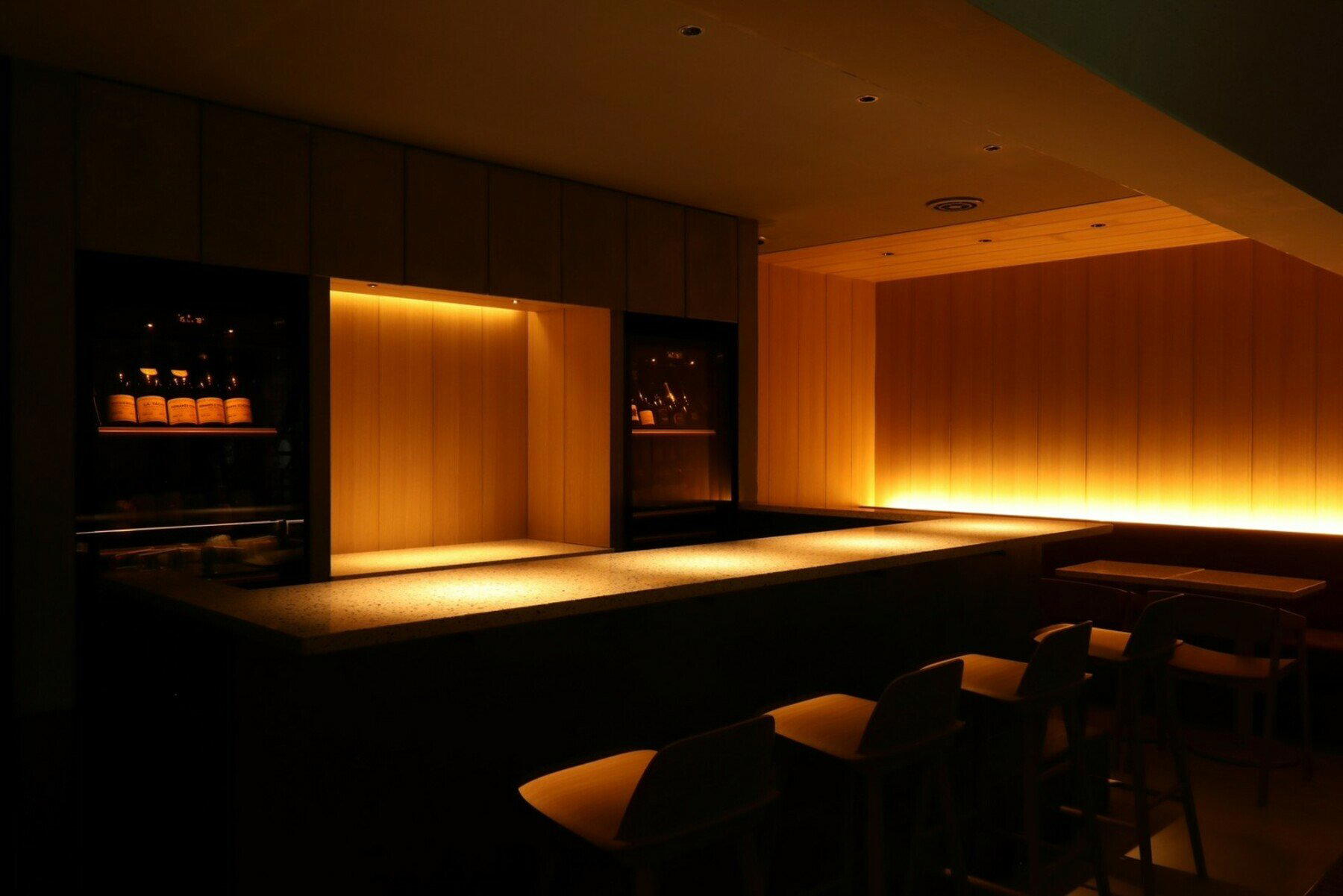
Hotels in Kiryu
Browse all →
Wineries in Kiryu
Browse all →
At a Glance
- Cozy
- Lively
- Classic
- Solo
- Casual Hangout
- Family
- Late Night
- Chefs Counter
- Standalone
- Design Destination
Current opening hours
- Monday
- 7 AM–1 PM
- Tuesday
- 7 AM–1 PM
- Wednesday
- 7 AM–1 PM
- Thursday
- 7 AM–1 PM
- Friday
- Closed
- Saturday
- Closed
- Sunday
- 7 AM–1 PM
Hours can change for holidays and private events. Last verified .
A small, warmly lit neighborhood ramen shop with a simple counter-and-table layout, a casual bustle from early-morning queues, and an atmosphere that feels both local and special despite the humble setting.