
Macarfi 7.3 Food Rating
Our verdict
Robata occupies a quiet corner of Salamanca, Madrid's most composed dining district, where Japanese robata grilling sits in a neighbourhood better known for white-tablecloth Spanish cuisine. The format — live-fire cooking at its most restrained — finds a natural audience among the area's regulars, who treat it as a counterpoint to the tasting-menu circuit. Lunch and dinner pull different crowds, and the two services reward different approaches.

Pearl is the En Primeur Club membership app — saves, bookings, and concierge access live there. Same editors, same standards.
- Address
- C. de Puigcerda, 4, Salamanca, 28001 Madrid, Spain
- Phone
- +34916006986
- Website
- robata.es
- Directions
- Get directions
- Booking
- Book on OpenTable
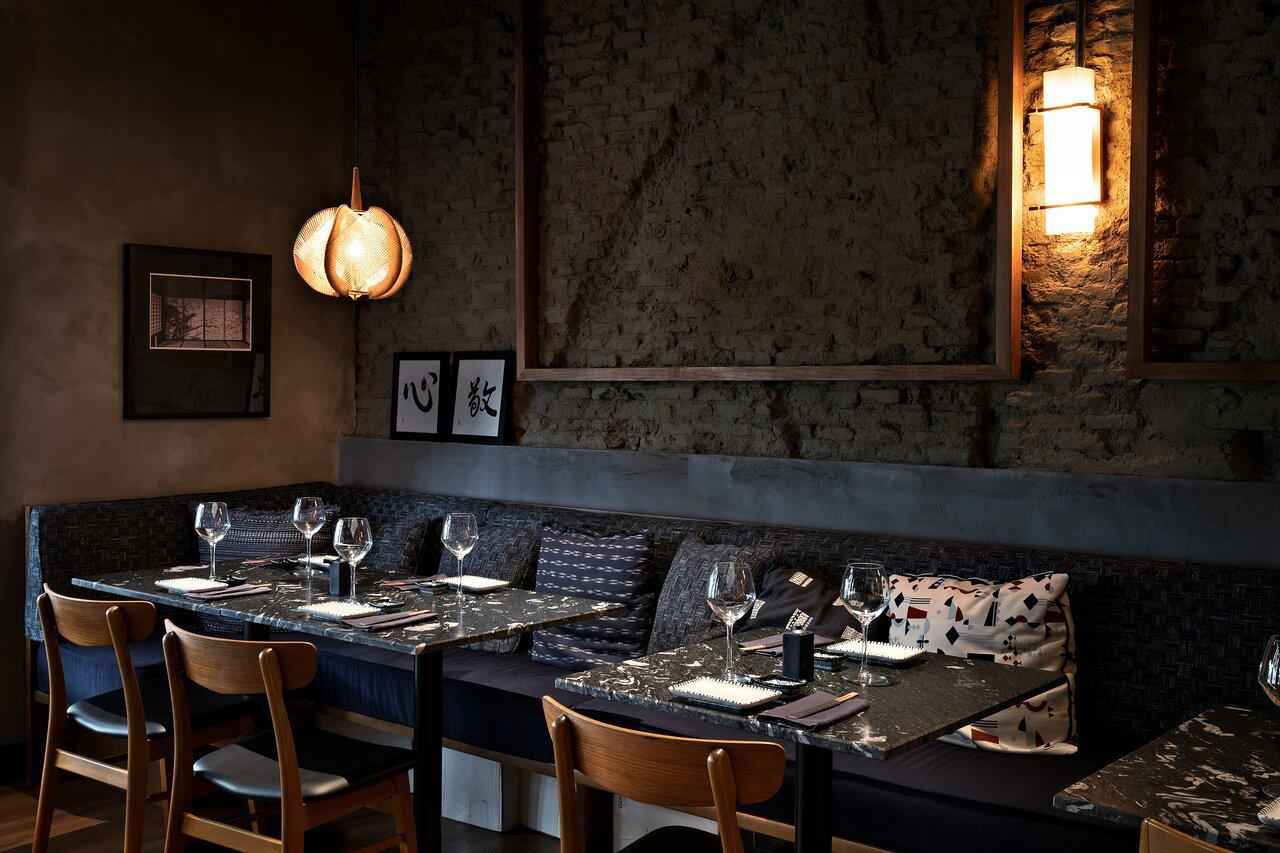
Fire and Restraint in Salamanca
Madrid's Salamanca district runs on a particular kind of confidence. The neighbourhood's restaurants, particularly those along and around Calle de Serrano and its tributaries, operate in a register that is formal without being stiff, international without losing its Spanish centre of gravity. Into this context, Robata on Calle de Puigcerdá introduces a discipline imported from Japan: cooking over charcoal, with technique as the full argument. Robata grilling, as a tradition, reduces the kitchen's brief to its essentials. There is no sauce work to fall back on, no elaborate plating to distract. The heat source is the statement.
That discipline sits in interesting tension with Salamanca's dominant dining culture. The district's top-tier restaurants, from the progressive theatrics of DiverXO to the architectural tasting formats at Coque and Deessa, tend toward elaboration. Robata's format moves in the opposite direction. Where those rooms build courses into extended narratives, robata cooking asks the diner to pay attention to a single surface — the grill — and what comes off it.
How Lunch and Dinner Work Differently Here
The lunch-versus-dinner divide is particularly pronounced in Salamanca. At midday, the district fills with a professional crowd, business lunches are a serious institution in Spanish dining culture, and Salamanca has more than its share of them. The mood is purposeful: people want to eat well without committing to a three-hour production. A robata format suits this rhythm. Grilled dishes arrive with the pace the charcoal dictates, without the orchestrated slowdown of a multi-course tasting menu. The value proposition at lunch in this tier of restaurant is also typically sharper across Madrid generally, with set lunch menus in comparable Salamanca addresses running at a significant discount to dinner à la carte pricing.
Evening service pulls a different gravitational field. Salamanca's dinner crowd is less hurried, and the robata counter, if the format runs to counter seating, as many Japanese-influenced grill rooms do, becomes a setting for watching the fire work over time. The experience of robata is inherently theatrical in a quiet way: the preparation is visible, the smoke is present, the progression from raw to finished is unhidden. At dinner, when pace slows, that transparency becomes the entertainment rather than the backdrop. It is worth considering which service you are booking for: they are likely to feel like different restaurants.
Where Robata Sits Against Madrid's Grill Tradition
Madrid has a well-documented relationship with live-fire cooking. The asador tradition, lamb and suckling pig cooked in wood-fired ovens, most famously in Castilian restaurants, is one of the city's oldest restaurant formats. More recently, a generation of contemporary grill rooms has reframed that tradition in modern terms. Paco Roncero and the progressive asador category represented by venues like Smoked Room have demonstrated that smoke and fire can carry a tasting-menu format at the city's highest price tier.
Robata grilling, as a Japanese technique, operates on a different set of assumptions. The charcoal used, traditionally binchotan, burns hotter and cleaner than most Western wood-fire equivalents, imparting a subtler smoke signature while achieving precise surface temperatures. The proteins and vegetables suited to the format are typically smaller in cut, designed for shorter exposure to intense heat. This is not the slow-roasted suckling pig of a Castilian asador; it is a fundamentally different argument about what fire is for. Spain has absorbed Japanese culinary influence across multiple formats over the past two decades, and a robata room in Salamanca represents a specific branch of that assimilation: the fire-cooking tradition translated through Japanese technique rather than European asador convention.
For readers mapping Madrid's broader fine-dining scene, Spain's fire-cooking traditions extend well beyond the capital. Azurmendi in Larrabetzu and Mugaritz in Errenteria represent the Basque Country's long engagement with live-fire and fermentation, while Arzak in San Sebastián and Martin Berasategui in Lasarte-Oria demonstrate how Spanish kitchens have absorbed global technique without abandoning their regional foundations.
Salamanca as a Dining District
Understanding what Robata offers also means understanding where it sits geographically and socially. Salamanca is Madrid's most affluent residential neighbourhood, and its restaurant trade reflects that. The area runs at a higher average price point than most of central Madrid, and its clientele tends to be local rather than tourist-driven, residents, business professionals, and a regular corps of Madrid's dining-serious crowd who treat the neighbourhood's better tables as part of their weekly rotation rather than a special-occasion destination.
This is a meaningfully different context from, say, the tourist-facing tables around the Gran Vía or the young-creative crowd that gravitates toward Malasaña and Lavapiés. Salamanca restaurants at this level are not performing for Instagram. They are feeding people who have eaten there before and will again. A robata room in this context operates as a neighbourhood specialist, competing less with the spectacle-driven tasting menus of DSTAgE and more with the reliable mid-to-upper tier addresses that Salamanca's regulars return to without much deliberation.
Spain's broader fine-dining conversation is worth keeping in mind. Venues like El Celler de Can Roca in Girona, Quique Dacosta in Dénia, Aponiente in El Puerto de Santa María, Cocina Hermanos Torres in Barcelona, Ricard Camarena in València, and Atrio in Cáceres define a national tier of restaurants where technique and identity carry global recognition. Robata sits outside that tier by format and intent, which is not a criticism. Not every room is competing for three stars. A focused grill specialist serving Salamanca's professionals does different work, and the question worth asking is whether it does that work well.
Planning Your Visit
Robata is located at Calle de Puigcerdá, 4, in the Salamanca district of Madrid (postcode 28001), within walking distance of the neighbourhood's main commercial streets and easily reachable by metro. Reservations: Given the neighbourhood's dining density and the likely limited capacity of a specialist grill room, booking ahead for dinner is advisable; lunch walk-ins may be more feasible on weekdays. Budget: Timing: Lunch service in Spanish restaurants typically runs from 1:30pm to 3:30pm; dinner from 9pm onward. The lunch service is likely to offer the better-value entry point and a quicker pace if your schedule is constrained. For a broader map of Madrid's restaurant scene, see our full Madrid restaurants guide. Readers comparing fire-focused cooking formats internationally may also find Le Bernardin in New York City and Atomix in New York City useful reference points for how technique-led formats position themselves in major dining markets.
Frequently asked questions
What kind of setting is Robata?
What's the must-try dish at Robata?
Can I walk in to Robata?
What do critics highlight about Robata?
Is Robata in Madrid a good option for Japanese grilling specifically, compared to other fire-focused restaurants in the city?
At a Glance
Comparable venues nearby, for context on price, style, and recognition.
| Venue | Cuisine | Price | Awards | Notes |
|---|---|---|---|---|
| RobataThis venue — the venue you are viewing | Contemporary Japanese Robata | $50–100 | Macarfi 7.3 Food Rating | Not listed |
| Kyoshi | Not listed | Not listed | Not listed | Cortes, Modern Japanese & Sushi by Ricardo Sanz |
| 47 Ronin | Creative Japanese Fusion | Not listed | Not listed | Recoletos, Creative Japanese Fusion |
| Yakiniku Rikyu | Japanese-Korean Yakiniku Grill | $50–100 | Macarfi 7 Food Rating | Almagro, Japanese-Korean Yakiniku Grill |
| RED PROJECT SUSHI MADRID | Modern Japanese Sushi | $30–50 | Macarfi 7.2 Food Rating | Recoletos, Modern Japanese Sushi |
| The Vegan Roll | Vegan Sushi | $20–30 | Not listed | Palacio, Vegan Sushi |
Recognition history
Dated appearances from independent guides and award organizations, with the underlying list record or original source where available.
Macarfi 7.3 Food Rating
Macarfi
Continue exploring
More in Madrid
Restaurants in Madrid
Browse all →
Bars in Madrid
Browse all →
Hotels in Madrid
Browse all →

Robata
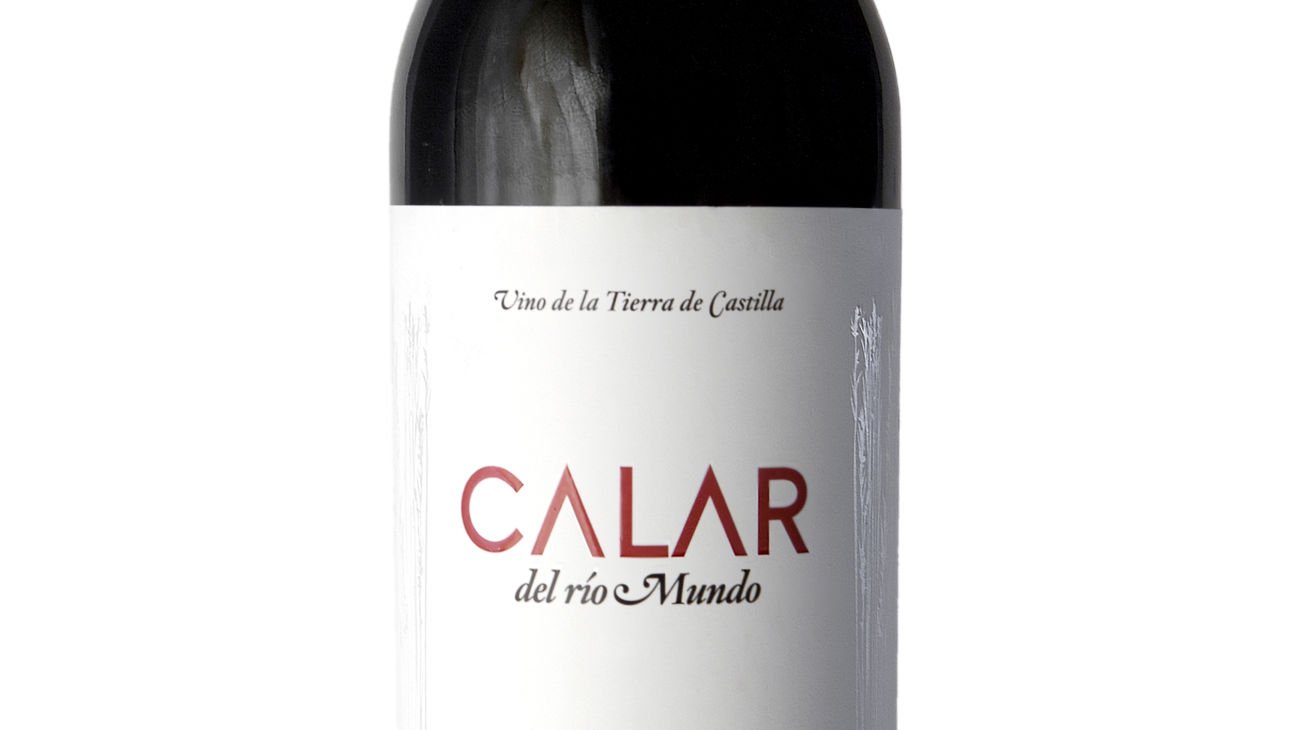
The wine
- Wine program
- Curated wine list
- Sake program
- Craft cocktails
Details
- Elegant
- Modern
- Intimate
- Trendy
- Date Night
- Special Occasion
- Open Kitchen
- Craft Cocktails
- Sake Program
- A La Carte
- Small Plates
- Cocktails
- Sake
- Gluten Free Options
- Vegetarian Friendly
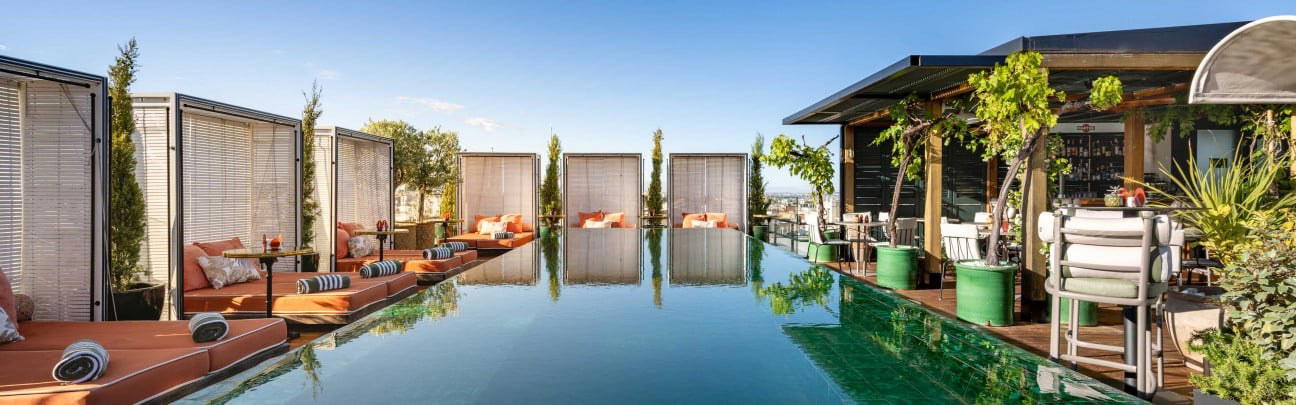
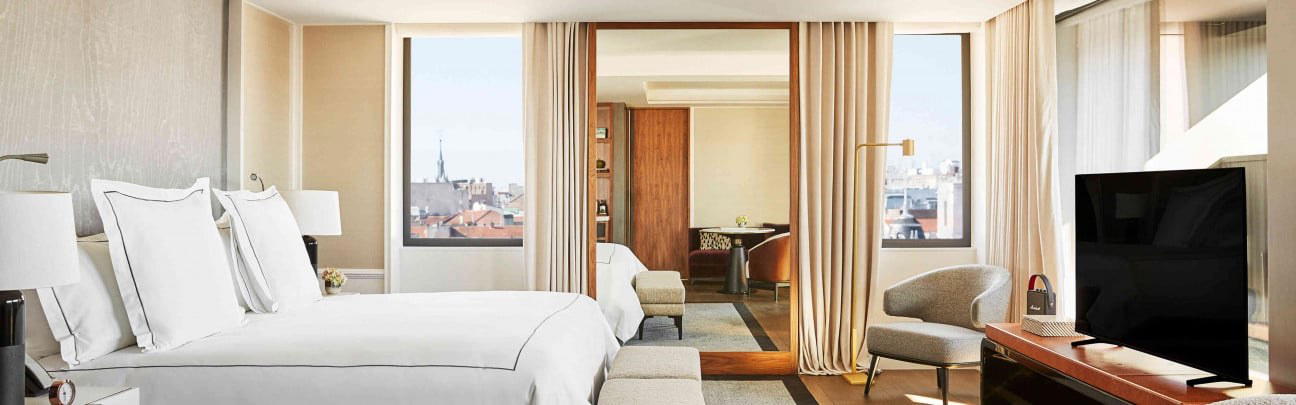
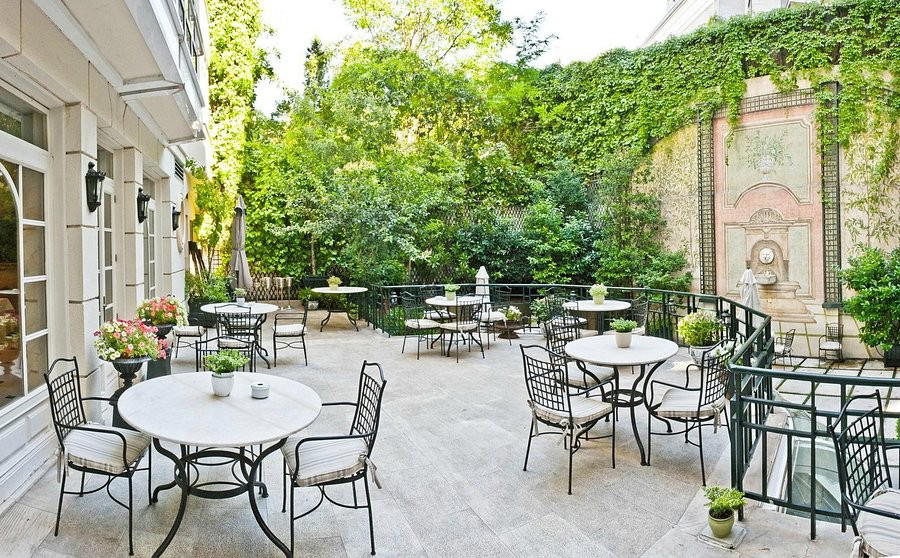
Tastefully and elegantly decorated space built on three floors with special attention to lighting, offering a pleasant and cool izakaya atmosphere.