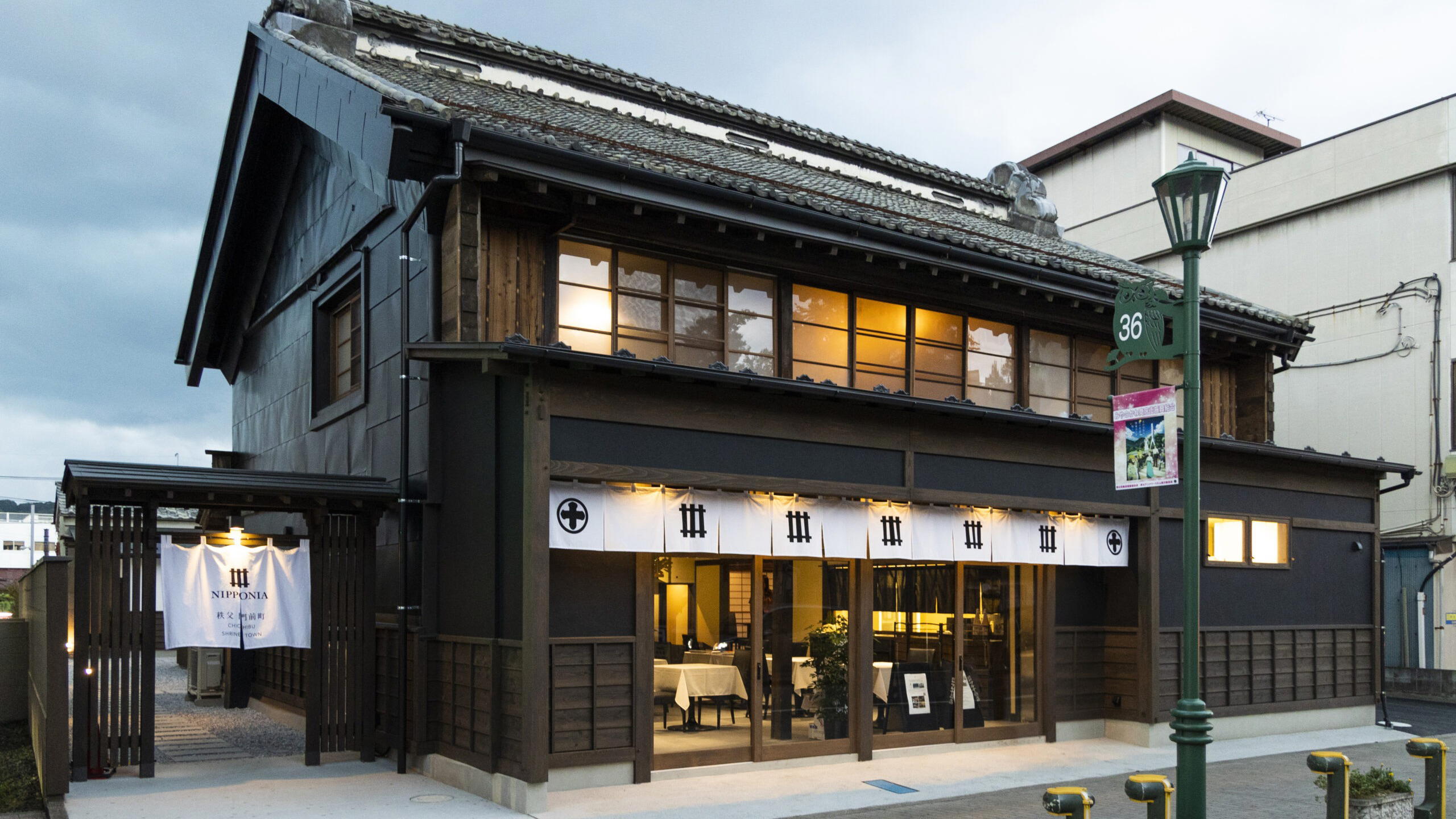
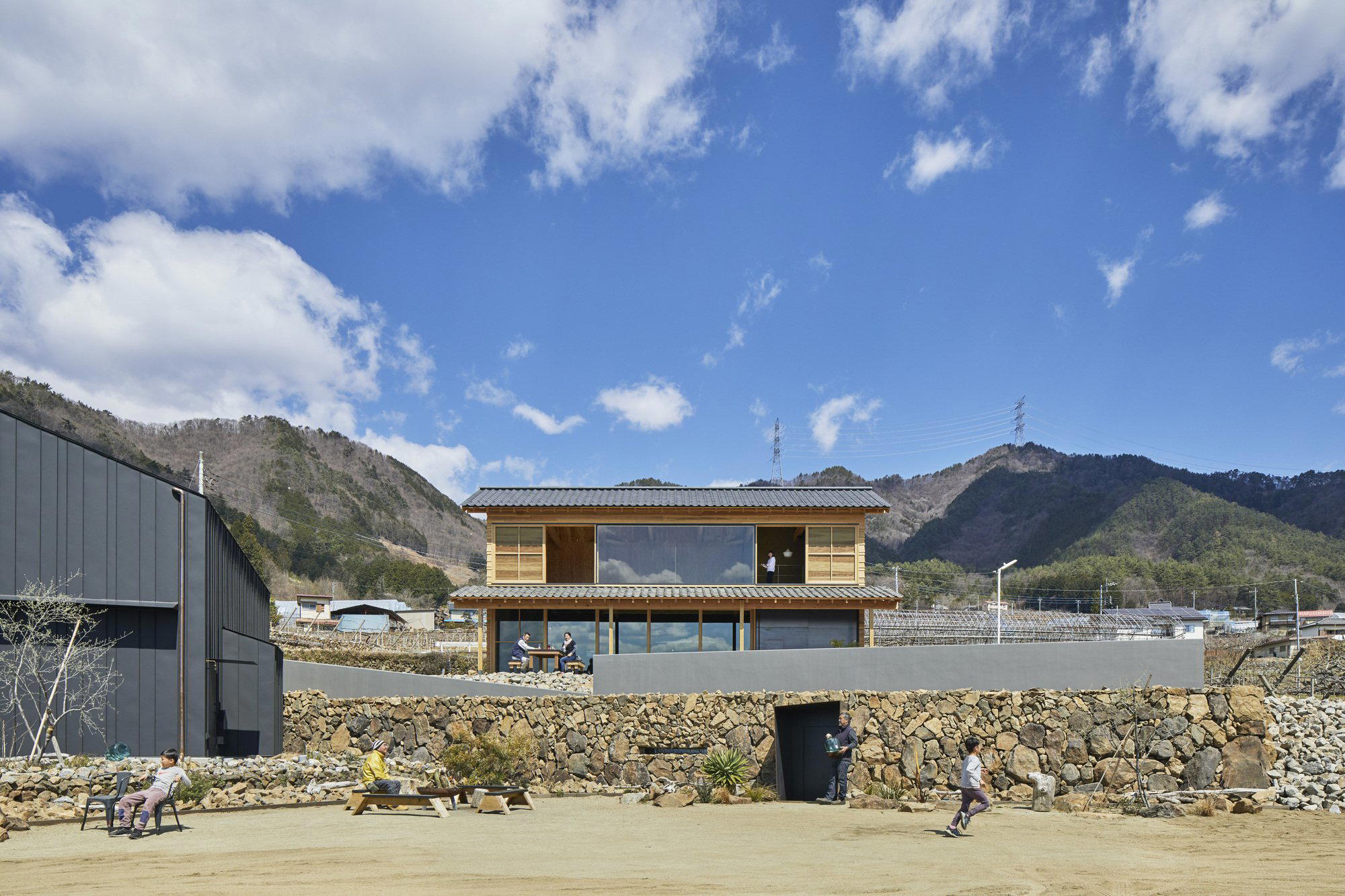
Tabelog Bronze #352
Our verdict
Opened in February 2021 in Ome, on the western fringe of the Tokyo metro area, Ramen FeeL has earned a Tabelog score of 3.95 and consecutive Tabelog Ramen TOKYO Top 100 selections every year from 2021 through 2025, plus the 2026 Tabelog Award Bronze. The 21-seat shop runs lunch-only hours and accepts reservations via TableCheck, making advance planning essential for the commute out to Hinatawada Station.
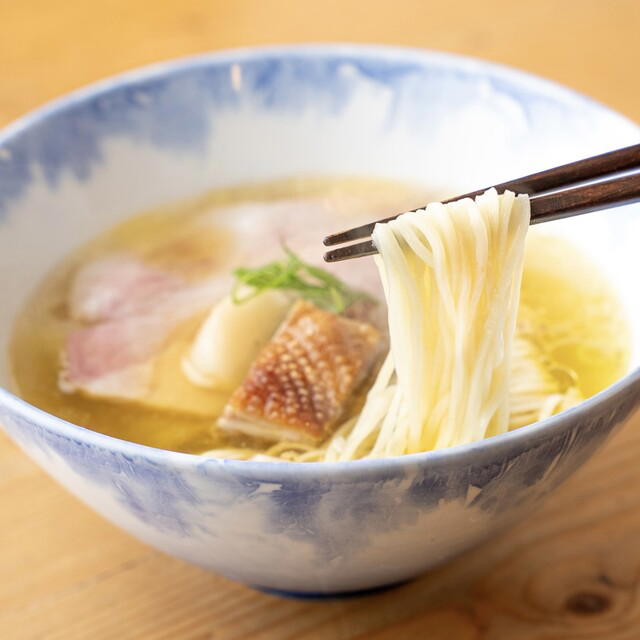
The menu
What to order
- Shio Ramen
- Shoyu Ramen
- Shio Tsukemen
- Shoyu Tsukemen
A Western Outpost in Tokyo’s Ramen Recognition Circuit
Tokyo’s ramen recognition map has historically clustered around inner-city wards: Shinjuku, Shibuya, Setagaya, the dense loop of the Yamanote line. The Tabelog Ramen TOKYO Top 100 lists tend to reinforce that geography, rewarding bowls that are easy to reach on a lunch break from central Tokyo. Against that pattern, Ramen FeeL’s position is an editorial point in itself. The shop sits in Ome, a city at the far western edge of the Tokyo prefecture boundary, approximately 15 minutes on foot from JR Hinatawada Station on the Ome Line. Getting there requires a deliberate journey rather than a convenient detour, and the fact that Tabelog’s review community has placed it in the Top 100 every year since its opening in February 2021 says something specific: the ramen is worth the trip on its own terms.
In a category where proximity to commuter traffic often drives volume and visibility, shops that draw consistent recognition from a remote address operate by a different logic. Compare that position to centrally located Tokyo ramen counters like Afuri or Fuunji, both of which benefit from high foot-traffic locations and are embedded in the city’s daily rhythm. Ramen FeeL builds its audience without those structural advantages.
Five Consecutive Years in the Tabelog Top 100
Ramen FeeL opened on 28 February 2021. Within that same calendar year, it was selected for the Tabelog Ramen TOKYO Top 100, a recognition it has held every year through 2025. The 2026 Tabelog Award added a Bronze designation with a score of 3.95, placing it in a tier that, on Tabelog’s review scale, represents sustained community confidence across a significant number of verified reviews.
For context, Tabelog’s ramen-specific Top 100 for Tokyo is drawn from the city’s broadest pool of rated shops. Earning a place in the first year of operation, then holding it for five consecutive years, is a meaningful signal in a category where turnover is frequent and competition is dense. Other Tokyo ramen shops that have achieved sustained Tabelog recognition, such as Chukasoba Ginza Hachigou and Chukasoba KOTETSU, operate from central addresses with shorter commute times. Ramen FeeL’s repeat selection, year after year from its western-Tokyo address, reflects a review base that keeps returning rather than one that benefits from passing trade.
The Format: Lunch-Only, Small Room, Deliberate Pacing
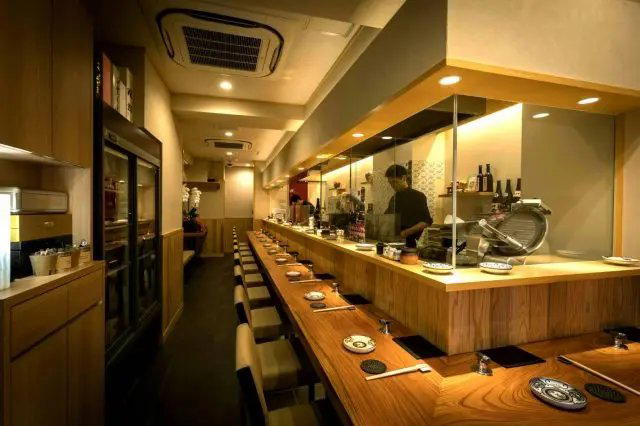
The shop seats 21 people: five at the counter, three tables of four. There is a waiting room on the second floor. Operating hours run Tuesday through Thursday from 11:00 to 15:00, and Saturday, Sunday, and public holidays from 11:00 to 16:00. The shop is closed Monday and Friday. Those are short windows. A four-hour lunch service with 21 seats and a commute-dependent audience creates a particular kind of pressure around timing.
Reservations became available from January 2024 via TableCheck, with bookings accessible through the owner’s X (formerly Twitter) account or the restaurant’s Instagram. Before that, the shop operated on a walk-in basis, which given the commute and the limited seat count, would have required early arrival or a willingness to wait. The second-floor waiting room suggests that queues have been a consistent feature of the experience.
Pricing sits in the JPY 1,000 to JPY 1,999 band for lunch, which aligns with the broader ramen category in Tokyo, where even highly awarded shops generally keep bowl prices below JPY 2,000. Review-based average spend data from Tabelog suggests some guests spend in the JPY 2,000 to JPY 3,999 range, likely reflecting add-ons or multiple items. Payment covers credit cards, electronic money including IC transit cards (Suica), and QR code payment via PayPay.
Ramen, Sake, and the Communal Table
The editorial angle that ramen belongs to a fast, solo, counter-eating tradition is accurate for part of the format spectrum, but it misses how award-tier ramen shops have evolved. Ramen FeeL’s room configuration, with table seating for four as well as counter seats, and its drink list, which includes nihonshu (sake) and wine, positions it as a space where the meal is not purely transactional. Sake alongside ramen is less unusual in western Tokyo than it might appear to visitors oriented toward the city’s central districts, where faster turnover formats dominate.
The family-friendly classification (babies, preschoolers, and school-age children listed as welcome; kids menu available; strollers welcome) and the parking for twelve vehicles, including motorcycle and bicycle spaces, reflect a local-audience orientation distinct from the city-centre ramen counter model. This is a shop built for the neighbourhood it sits in, not one designed to maximise throughput from tourists or office workers on short breaks. That combination, local-first format with nationally recognised quality, defines a particular kind of ramen shop that the Top 100 lists tend to under-represent relative to central-Tokyo addresses.
For a broader read on how Tokyo’s food scene organises itself across neighbourhood types, see our full Tokyo restaurants guide. Those planning a wider trip can also consult our full Tokyo hotels guide, our full Tokyo bars guide, and our full Tokyo experiences guide.
Where Ramen FeeL Sits in the Tokyo and Japan Recognition Picture
Tabelog’s recognition framework for Tokyo ramen sits well below the city’s Michelin-starred restaurant tier, which includes kaiseki and French dining at very different price points. Venues like Chukasoba KOTETSU or Chuogo Hanten Mita operate within the same Tabelog ecosystem. Ramen FeeL’s 3.95 score places it in a competitive tier within that category. For comparison, the city’s broader fine-dining scene, represented by venues like Chukasoba Ginza Hachigou, operates by different booking logic and pricing expectations entirely.
Japan’s broader dining recognition picture includes multi-starred institutions in other cities: HAJIME in Osaka, Gion Sasaki in Kyoto, akordu in Nara, and Goh in Fukuoka. Ramen FeeL does not belong to that tier by format or price, but it operates with similar discipline around seat count and booking access. The parallel that matters is not cuisine type but the decision to limit capacity and protect quality against volume pressure.
Outside Japan, the ramen category has developed its own recognition circuits. Akahoshi Ramen in Chicago and Afuri Ramen in Portland represent the category’s international expansion. Neither operates under the same geographical constraints as Ramen FeeL, but both reflect the same underlying dynamic: ramen earning critical recognition in contexts where the category was previously under-evaluated.
Planning Your Visit
| Detail | Ramen FeeL | Central Tokyo ramen (typical) |
|---|---|---|
| Location | Ome, western Tokyo (Hinatawada, 15 min walk from JR Hinatawada Station) | Shinjuku, Shibuya, Setagaya area |
| Hours | Tue–Thu 11:00–15:00; Sat/Sun/Holiday 11:00–16:00; closed Mon & Fri | Typically lunch and dinner service |
| Reservations | Available via TableCheck (book through owner’s X or Instagram) | Walk-in standard; some accept reservations |
| Seats | 21 (5 counter, 3 tables of 4) | Varies; many counters 8–20 seats |
| Price range | JPY 1,000–1,999 (lunch) | JPY 900–2,000 (lunch) |
| Parking | 12 spaces (car, motorcycle, bicycle) | Rarely available |
| Payment | Credit card, IC card, PayPay | Often cash-only at smaller shops |
Visitors should confirm hours directly before travelling, as the restaurant notes that hours and closed days may change. Given the commute from central Tokyo and the limited lunchtime window, arriving early or securing a reservation is strongly advisable. See also 1000 in Yokohama and 6 in Okinawa if your itinerary extends beyond Tokyo. For wineries in the region, our full Tokyo wineries guide covers the broader picture.
Frequently asked questions
Where is Ramen FeeL in Tokyo?
Ramen FeeL is located at 4 Chome-695-1 Baigo, Ome, Tokyo 198-0063, Japan, Tokyo.
What distinctions does Ramen FeeL have?
Ramen FeeL has received recognition including:
What dish is Ramen FeeL famous for?
What the record confirms is a Tabelog score of 3.95 and five consecutive years on the Tabelog Ramen TOKYO Top 100, a signal of consistent bowl-level quality rather than a single signature item. For current menu details, the restaurant's own site at ramenfeel.com is the reliable source.
What should I expect cuisine-wise at Ramen FeeL?
What should I budget for a meal at Ramen FeeL?
Pricing at Ramen FeeL is listed as JPY 1,000 - JPY 1,999.
Do I need a reservation for Ramen FeeL?
Reservations opened in January 2024 through TableCheck, reachable via the owner's X or Instagram accounts. With only 21 seats and a lunch-only format running four to five hours per service, walk-in availability is limited, particularly on weekends when the shop operates until 16:00. Booking ahead is the practical approach.
What's the standout thing about Ramen FeeL?
Geography combined with sustained critical recognition is the sharpest editorial point. Ramen FeeL sits in Ome, roughly 15 minutes on foot from JR Hinatawada Station, well outside the inner wards where most Tabelog Top 100 ramen shops cluster, yet has held that Top 100 placement every year since opening in February 2021, earning Tabelog Award Bronze in 2026.
The Essentials
| Venue | Cuisine | Price | Awards | Notes |
|---|---|---|---|---|
| Ramen FeeLThis venue (the venue you are viewing) | Refined Shio & Shoyu Ramen | Not listed | Tabelog Bronze #352 | Not listed |
| Harutaka | Edo-Style Omakase Sushi | $200–300 | 3 Michelin Stars · World's 50 Best #76 | Sushi |
| RyuGin | Modern Kaiseki | $500+ | 3 Michelin Stars · World's 50 Best #41 | Kaiseki, Japanese |
| L'Effervescence | Modern French with Japanese Influences | $200–300 | 3 Michelin Stars · World's 50 Best #69 | French |
| HOMMAGE | Modern French with Japanese Influences | $150–200 | 2 Michelin Stars · World's 50 Best #78 | Innovtive French, French |
| MAZ | Innovative Peruvian-Japanese Fusion | $150–200 | 2 Michelin Stars · World's 50 Best #28 | Innovative |
Recognition history
Dated appearances from independent guides and award organizations, with the underlying list record or original source where available.
Tabelog Bronze #352
Tabelog
Full recognition history (2 entries)
Tabelog 100 #88 · No. 88
Tabelog · Tabelog 100 - Ramen - TOKYO - 2025