
Ramen Daruma Shokudo belongs to Nagoya’s compact, serious ramen culture rather than the city’s tourist-facing dining circuit. Its 2025 Tabelog 100 Ramen Aichi selection and low everyday price bracket place it in the local noodle conversation, with curry also part of the format and a setting that suits solo dining as much as quick group meals.
Pearl is the En Primeur Club membership app — saves, bookings, and concierge access live there. Same editors, same standards.
- Address
- 愛知県名古屋市中川区上脇町2-116
- Website
- tabelog.com
 Saves & bookings on Pearl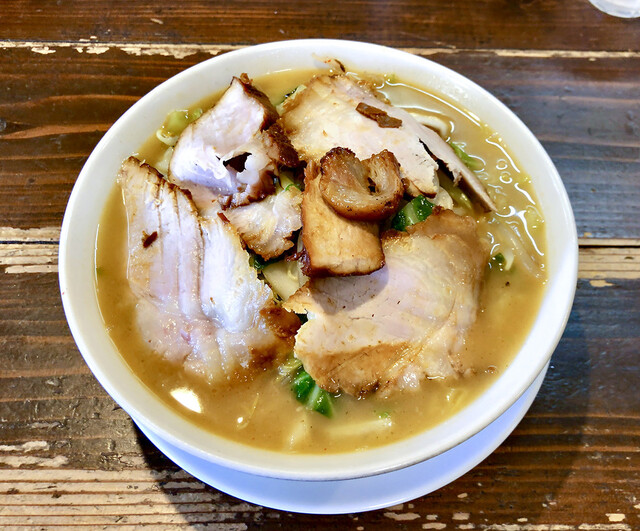
Approaching a neighbourhood ramen shop in Nagoya is rarely theatrical. The cues are modest: small frontage, lunch-service rhythm, quick-turning counter seats, and regulars who know ramen here is not a detour from the city’s food culture but one of its working forms. In Nakagawa-ku, away from hotel corridors and department-store dining floors, Ramen Daruma Shokudo fits that grammar: a local room first, a destination second.
Nagoya is often framed by miso katsu, hitsumabushi, kishimen, and tebasaki, yet its ramen culture has its own logic. The city absorbs influences from Tokyo, Gifu, and Kansai while keeping a taste for hearty, value-led formats suited to commuters, students, and office workers. A ramen shop need not signal luxury to matter here; it needs purpose, speed, consistency, and enough local approval to survive where inexpensive meals are judged with unusual precision.
Where Nagoya's ramen culture gets practical rather than performative
The point about Ramen Daruma Shokudo is not that it turns ramen into ceremony. It does the opposite. The format belongs to the everyday Japanese noodle tradition, where value, speed, and consistency matter more than tasting-menu pacing. Its recognition in the 2025 Tabelog 100 Ramen Aichi list places it among the prefecture’s selected ramen addresses for that year, a useful signal in a category where Michelin-style hierarchy matters less than dense local comparison.
Aichi ramen is not one style. Shops may lean clear and restrained, oily and thick, fish-forward, chicken-based, miso-driven, or hybrid. Curry alongside ramen reflects a broader Japanese comfort-food pattern, not novelty: the same diner who wants noodles at lunch may want spice and rice another day. The shop’s category pairing therefore makes sense. It belongs to the casual, repeat-visit economy, not the expense-account tier.
Within Nagoya, Menya Ierou and Raamen Ajisai occupy a slightly higher everyday spend band, while Ramen Aoba sits in a similar low-price bracket. Jinsei Gyoza crosses into the ramen-adjacent comfort-food lane, and Ueda, a sushi counter with a far higher spend profile, shows how sharply Nagoya’s dining economy splits between daily rituals and special-occasion counters. Ramen Daruma Shokudo sits firmly on the daily side, which is why the Tabelog selection carries weight: praise here is earned against high-frequency local habits, not ceremony.
Readers mapping the wider city can use Our full Nagoya restaurants guide for the broader dining field, with Our full Nagoya hotels guide, Our full Nagoya bars guide, Our full Nagoya wineries guide, and Our full Nagoya experiences guide for planning beyond the meal. Within the restaurant index, local entries such as 1022, 451, Aaron, Alan., and All Day Dining Montmartre show how broad the city’s dining register has become.
A small room, counter logic, and the solo-dining strength of ramen
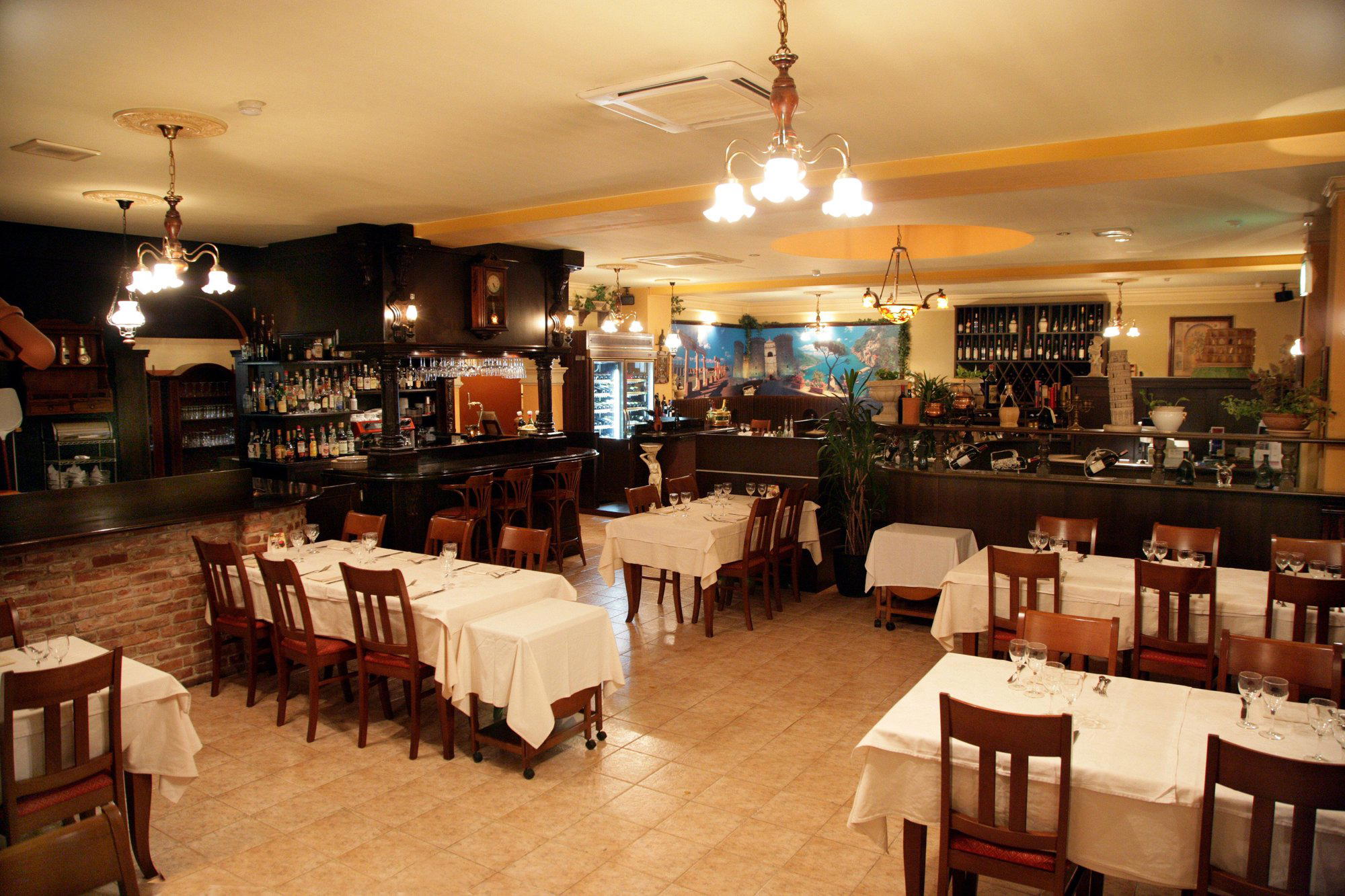
Ramen culture in Japan has long made room for solo dining without treating it as second-class. Counter seating is not a consolation prize; it is the operational core. A compact shop can move with discipline, keep bowls consistent, and let diners eat without the social choreography of a full restaurant meal. The restaurant’s mix of counter seats and tables puts it in familiar middle ground: efficient for one, flexible for small groups.
The non-smoking setup and lack of private rooms point to a simple proposition rather than managed hospitality production. This is not the place for extended courses, wine pairing, or chef biography as theatre. The interest is cultural and practical: a ramen shop in a residential-commercial part of Nagoya can hold critical attention while keeping the meal accessible. That is harder than it sounds. In Japan, low prices do not shield a shop from scrutiny; they increase diners’ comparisons.
The neighbourhood location changes the reading. Central Nagoya dining often clusters around stations, shopping complexes, and nightlife districts, where convenience can dominate judgment. Nakagawa-ku requires a more deliberate choice, filtering the audience toward local regulars and ramen-focused visitors rather than casual passersby. The credibility is less spectacle, more repetition.
Travellers building a Japan eating itinerary can read this place alongside other regional casual formats, from -Grilled beef Sukiyaki- KAMAKURA TANUKIAN 鎌倉 たぬき庵 in Kamakura to. 鮪と炭火焼き うお炭 秋葉原店 in Tokyo.cafe in Osaka.know in Kumamoto, (Shoku) Vietnam in Kawasaki, and [Curry Senmon Ten] Maruyama Kyoju. in Sapporo. For Japanese food culture outside Japan, Jōdo Saké Bar in Los Angeles and Onigiri Time in Pasadena show how differently these formats travel once removed from their everyday domestic context.
How to read the recognition without overreading it
Tabelog’s 100 selections are useful because they match Japanese dining discovery: comparison across a specific category and region, not one universal ranking. For ramen, that fits better than luxury-star logic. A shop can be notable for a tight menu, short service window, loyal neighbourhood base, or handling of a standard form. The 2025 Aichi selection gives the restaurant a clear trust signal while keeping the scale local and category-specific.
The sensible editorial read is simple: come for a grounded Nagoya ramen experience, not a trophy meal. The appeal is not scarcity theatre. It is seeing how a serious local noodle shop operates in a city better known internationally for other dishes. That makes it useful for travellers who have already eaten the obvious Nagoya specialties and want a meal integrated into daily life rather than arranged around sightseeing.
The planning logic is equally plain. This is a low-cost, casual-format stop with no need for formal dress, and its neighbourhood setting rewards checking the day’s operating pattern before crossing town. Cash matters at many small Japanese restaurants, and this shop’s payment setup is firmly traditional. Treat it as a focused meal rather than a long evening: arrive hungry, eat with pace, and let the city’s ramen culture do what it has always done well.
Price and Positioning
Nearby venues at a similar price tier for orientation.
| Venue | Cuisine | Price | Notes |
|---|---|---|---|
| Ramen Daruma ShokudoThis venue — the venue you are viewing | Nakagawa, Ramen and Japanese curry diner | $ | Not listed |
| Ramen Aoba | Atsuta, Japanese Ramen | $ | Not listed |
| China Soba Kitagawa | Minami, Ramen & wonton shop | $ | Not listed |
| Heritage | Not listed | $ | Tenpaku, Traditional Nagoya Eel (Hitsumabushi) |
| Ramen mellow | Midori, Ramen shop | $ | Not listed |
| Kounan JR sentoraru tawazu ten | Nakamura, Ramen & Gyoza Shop | $ | Not listed |
Recognition history
Dated appearances from independent guides and award organizations, with the underlying list record or original source where available.
Tabelog 100 #74 · No. 74
Tabelog · Tabelog 100 - Ramen - AICHI - 2025
Continue exploring
More in Nagoya
Restaurants in Nagoya
Browse all →


At a Glance
- Lively
- Cozy
- Solo
- Casual Hangout
- Standalone
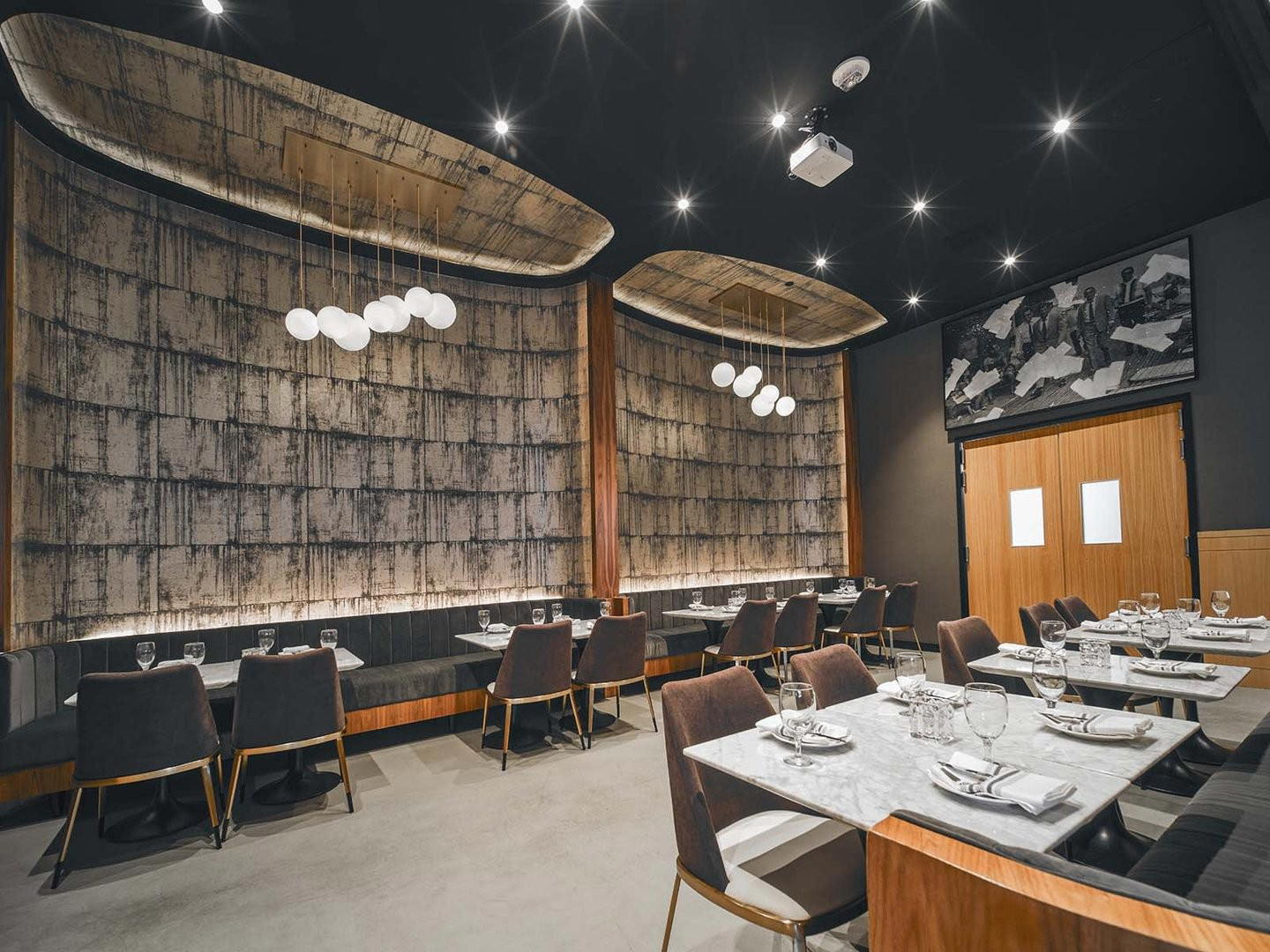
A compact, non-smoking neighborhood ramen diner with counter and small tables, creating a casual, lively atmosphere that works well for solo diners and small groups rather than formal occasions.