
Ramen Aoba belongs to Nagoya’s serious everyday ramen tier: small-room, low-price, and recognised in the Tabelog 100 Ramen Aichi 2025 selection. Its Atsuta-ku setting and compact counter-and-table format make it a useful reading of how the city’s ramen culture prizes concentration over theatre, with value, turnover, and repeatability doing the heavy lifting.
Pearl is the En Primeur Club membership app — saves, bookings, and concierge access live there. Same editors, same standards.
- Address
- 愛知県名古屋市熱田区切戸町1-6
- Website
- tabelog.com
 Saves & bookings on Pearl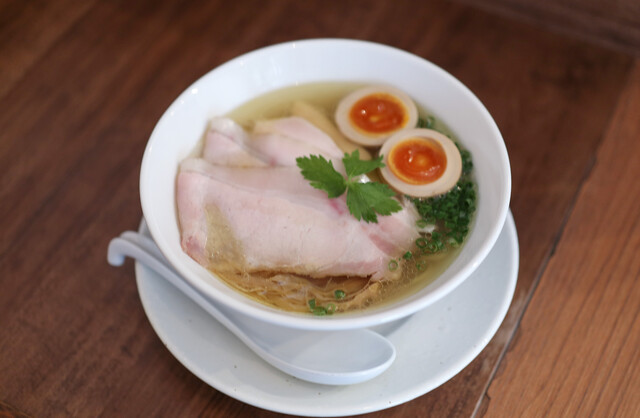
Approach a suburban ramen room in Nagoya and the cues are modest: house-scale frontage, a short street-to-counter threshold, and diners who know speed and attention can coexist. Ramen in Aichi is rarely grand dining-room performance. Its better addresses work in a narrow register where broth, noodles, ticket-machine rhythm, and counter etiquette carry the meal. Ramen Aoba fits that mode: a compact Atsuta-ku shop whose recognition in Tabelog 100 Ramen Aichi 2025 places it inside the prefecture’s closely watched ramen conversation.
That matters because Nagoya’s dining identity is often flattened into miso katsu, hitsumabushi, kishimen, and morning-service coffee culture. Ramen operates differently: less a single civic emblem than small neighbourhood circuits, rail-adjacent habits, and repeat diners comparing bowls across wards. The city accommodates richer, heavier styles and cleaner, restrained bowls, but the common denominator is utility: food that must justify itself quickly, at lunch and after work. A low-price ramen counter with outside recognition can say more about the city than a larger room with elaborate staging.
A small-format ramen room in Atsuta-ku, where restraint does the work
The environmental argument for ramen is rarely loud, but the format has built-in discipline. A narrow menu, short service cycle, and limited seating can reduce the sprawl of destination dining. Waste control depends on forecasting, stock management, and moving through service without turning the kitchen into theatre. No sourcing claim should be made without direct confirmation, but a small ramen shop rewards precision: fewer seats, fewer moving parts, and a product built around extraction rather than ornament.
Ramen Aoba is configured around counter seating with a small table component, putting it closer to the everyday specialist model than the multi-course restaurant model. For travellers, that distinction matters. Nagoya has restaurants where the meal is the evening’s event; ramen compresses judgement into a shorter encounter. The bowl must read immediately, the kitchen has less time to disguise imbalance, and the diner has fewer distractions. Counter format also changes the social contract: solo dining is normal, small groups need flexibility, and lingering is not the point.
The 2025 Tabelog 100 Ramen Aichi selection is the main external signal. Tabelog’s Hyakumeiten lists are not Michelin-style star systems, but they are useful because they isolate genre and geography. For ramen, that matters: Aichi’s scene is broad enough that a prefecture-specific selection gives sharper context than a general restaurant ranking. A 3.61 Tabelog score places the shop in a competitive public-review environment where regulars notice small differences in consistency.
Value is part of the argument, not an afterthought
Premium travel writing often treats inexpensive restaurants as charming detours. In Japan, that misses the point: some of the country’s strongest food cultures are built on narrow margins, specialised repetition, and price discipline. Ramen under the JPY 1,000 listing bracket is not merely “cheap”; it signals excellence where access and craft are not separated by a formal dining tariff. The relevant comparison is with other tightly focused counters in the same city, not tasting-menu restaurants.
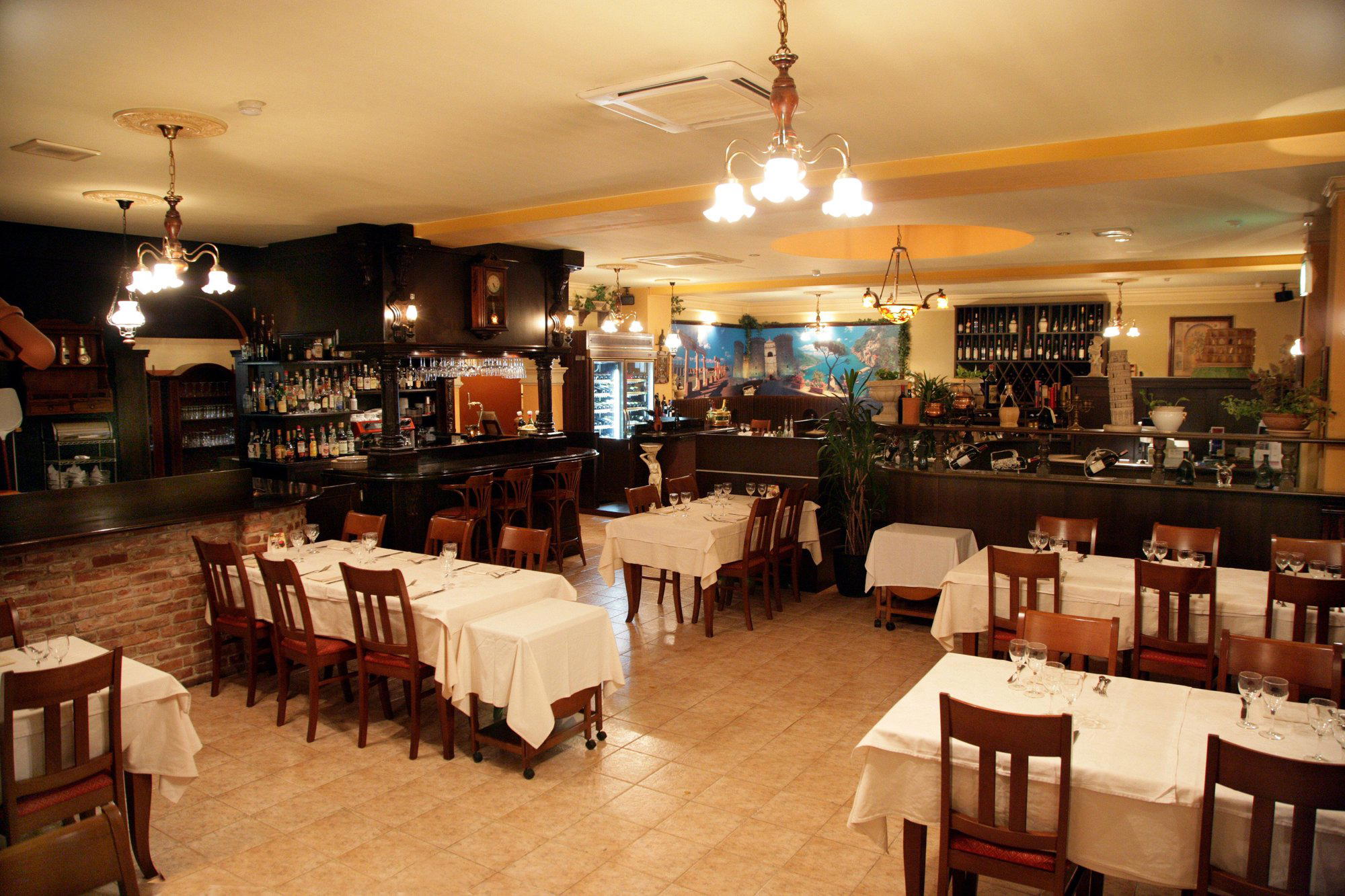
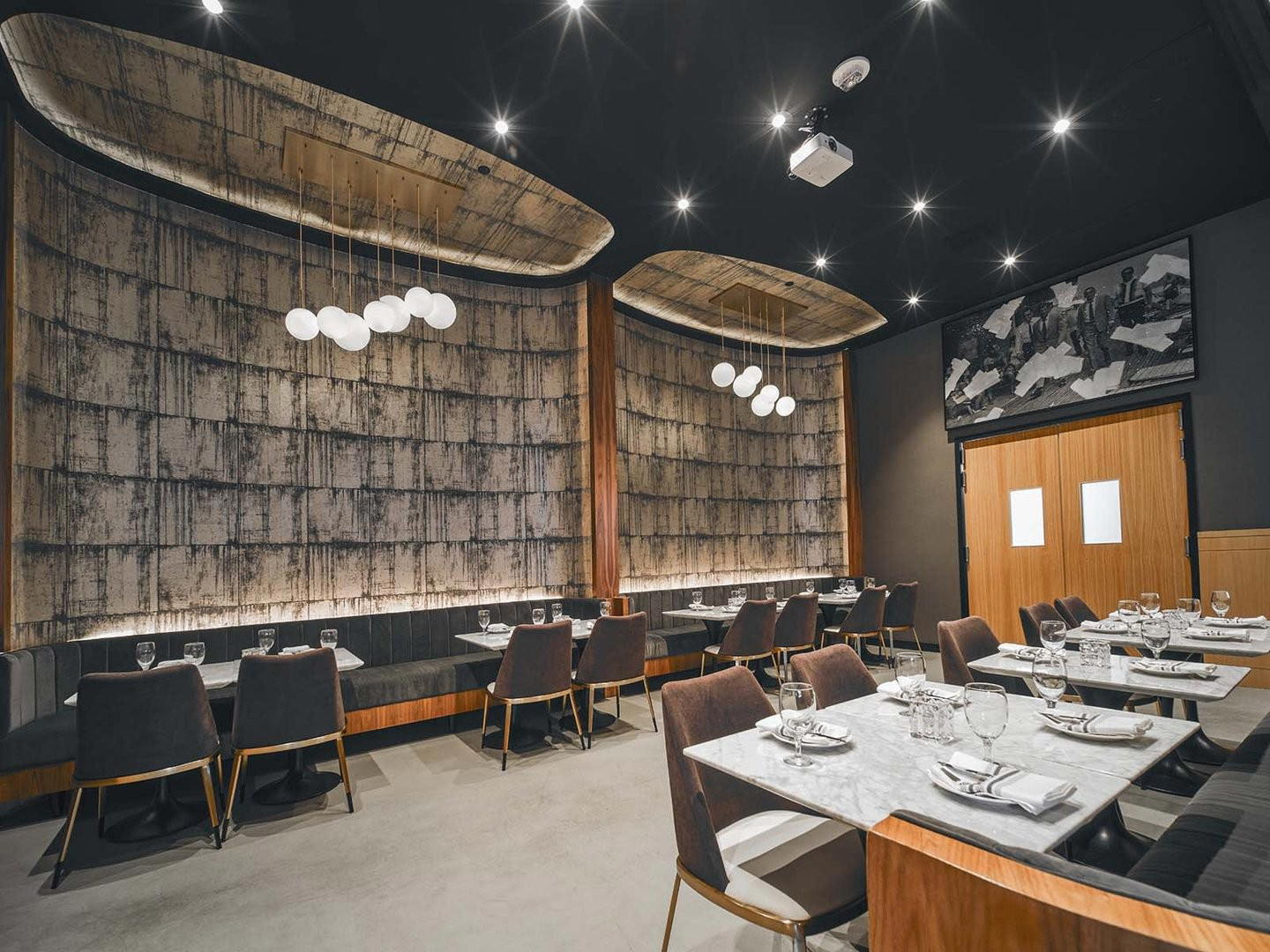
Nagoya’s comparison set makes this clear. Menya Ierou and Binyan sit in a nearby low-price ramen orbit, while BISTRO YOKOCHO, Yakiniku Jingu, and Otoubashi Sumiy represent higher-spend dining categories with different expectations around time, service, and occasion. Ramen Aoba belongs to the narrower, faster, more repeatable end of that spectrum. It helps explain why Japanese city dining cannot be read only through luxury restaurants; travellers who book only formal rooms miss the everyday systems that shape taste.
There is also a neighbourhood reading. Atsuta-ku has historic weight because of Atsuta Shrine, but its dining life is not limited to ceremonial or tourist-facing meals. Ramen shops in residential and mixed-use districts often serve local workers, families, solo diners, and repeat customers folding the meal into a regular route, not the audience of central nightlife clusters. That gives the format sustainable demand. It does not depend on spectacle; it survives by being convenient, consistent, and priced for repetition.
For visitors mapping Nagoya by appetite rather than checklist, treat ramen as one layer of the city’s food grammar. Use Our full Nagoya restaurants guide for the broader dining spread, then read ramen alongside other local categories rather than beneath them. Travellers building a wider itinerary can also cross-check Our full Nagoya hotels guide, Our full Nagoya bars guide, Our full Nagoya wineries guide, and Our full Nagoya experiences guide to see how the city’s eating, drinking, and cultural schedules fit together.
How it fits a sharper Nagoya itinerary
Understand this address not as a trophy stop, but as a calibrating meal. The restaurant gives a read on the city’s small specialist culture: low spend, limited room, and enough external recognition to separate it from a random convenience choice. It is useful between heavier bookings, or as a counterpoint to higher-budget dining where the meal stretches longer and the bill changes the stakes. In Nagoya, the contrast between a quick ramen bowl and a serious beef or bistro meal can be more instructive than another formal reservation.
That contrast runs across EP Club’s wider Japan and Asia listings. In Nagoya, venues such as 1022, 451, Aaron, Alan., and All Day Dining Montmartre show a city with more than one dining tempo. Further afield, the same editorial lens connects a ramen counter to focused specialists such as -Grilled beef Sukiyaki- KAMAKURA TANUKIAN 鎌倉 たぬき庵 in Kamakura. 鮪と炭火焼き うお炭 秋葉原店 in Tokyo.cafe in Osaka.know in Kumamoto, (Shoku) Vietnam in Kawasaki, [Curry Senmon Ten] Maruyama Kyoju. in Sapporo, Jōdo Saké Bar in Los Angeles, and Onigiri Time in Pasadena: places where narrow focus, not breadth, defines the experience.
The editorial case is simple. Nagoya rewards diners who mix categories and price points rather than chasing only formal prestige. Aoba’s recognition, compactness, and value make it a strong example of the city’s small-format ramen discipline. For a premium traveller, that discipline is the lesson: less ceremony, more concentration, and a dining culture that can express seriousness in under an hour.
Peers Worth Knowing
Comparable venues for context, by category and price tier.
| Venue | Cuisine | Price | Notes |
|---|---|---|---|
| Ramen AobaThis venue — the venue you are viewing | Japanese Ramen | $ | Not listed |
| coffee house KAKO Hanaguruma honten | Traditional Nagoya kissaten & coffeehouse | $ | Nakamura |
| Tori Soba Susuru Marunouchi honten | Modern chicken paitan ramen | $ | Naka |
| Chuka Soba Mugi no Hoshi | Traditional Japanese ramen (chuka soba) | $ | Naka |
| Menya Ierou | Japanese Ramen | $ | Nakagawa |
| Men Dokoro Guriko Nagoya sakae | Fusion Ramen | $ | Naka |
Recognition history
Dated appearances from independent guides and award organizations, with the underlying list record or original source where available.
Tabelog 100 #71 · No. 71
Tabelog · Tabelog 100 - Ramen - AICHI - 2025
Continue exploring
More in Nagoya
Restaurants in Nagoya
Browse all →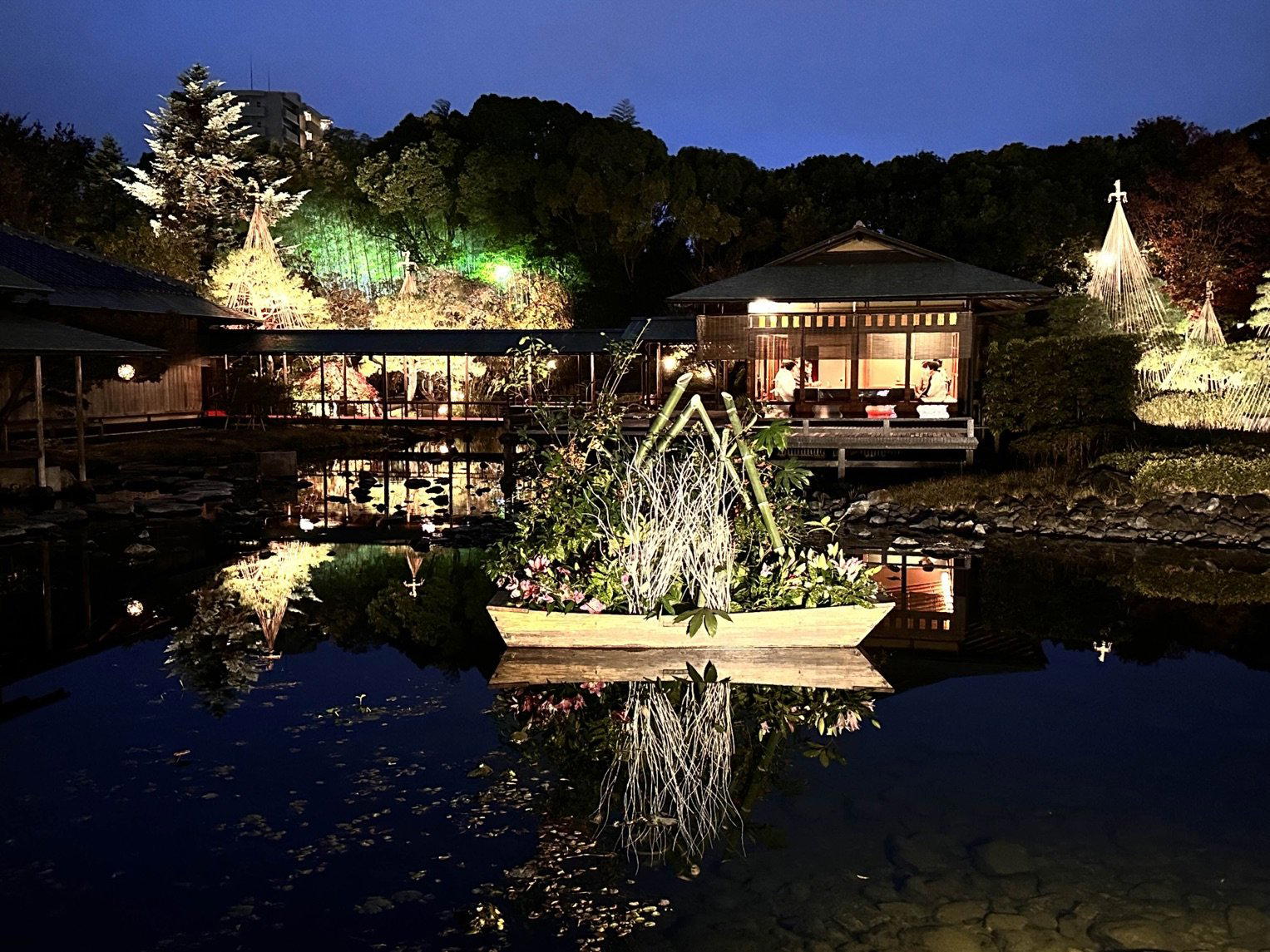

At a Glance
- Cozy
- Classic
- Solo
- Family
- Casual Hangout
- Standalone
- Sake Program
A small, house-style ramen restaurant with a simple, no-frills atmosphere centered on counter seating.