
A Nagoya Station ramen-and-gyoza address with Tabelog 100 Ramen AICHI 2025 recognition, Kounan JR sentoraru tawazu ten sits in the station-tower dining tier rather than the destination tasting-menu bracket. Its reputation rests on everyday accessibility, a compact ramen format, and the kind of third-party acknowledgement that matters in Aichi’s crowded noodle scene.
Pearl is the En Primeur Club membership app — saves, bookings, and concierge access live there. Same editors, same standards.
- Address
- Japan, 〒450-0002 Aichi, Nagoya, Nakamura Ward, Meieki, 1 Chome−1−4 タワーズプラザ 13F
- Phone
- +81 52-586-0252
- Website
- konan-nagoya.jp
 Saves & bookings on Pearl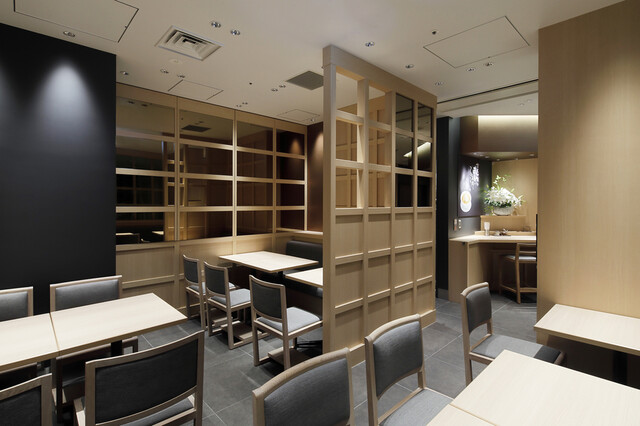
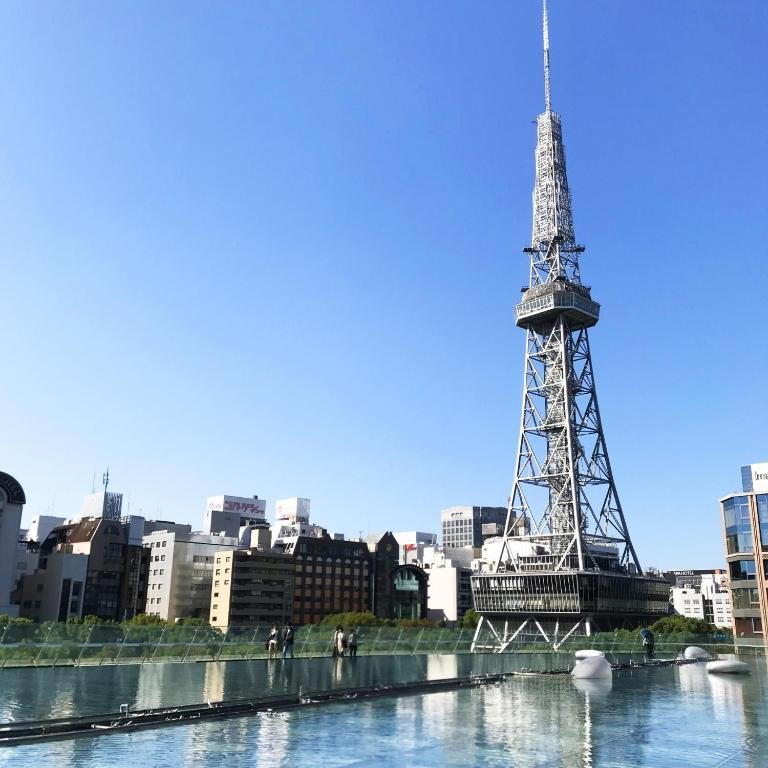
The approach is pure Nagoya Station: escalators, tower-floor traffic, shopping bags, office workers, and train schedules pressing against lunch decisions. In that setting, ramen has a different job from the hushed counter restaurants that dominate luxury dining coverage. It has to absorb solo diners, families, friends between errands, and travellers who want a meal with local credibility without turning dinner into a project. Kounan JR sentoraru tawazu ten belongs to that station-tower category, but its Tabelog 100 Ramen AICHI 2025 selection gives it a sharper editorial reason to care.
Nagoya’s dining reputation often leans toward miso-katsu, hitsumabushi, kishimen, and coffee-shop morning sets, yet its ramen culture is broad enough to reward specialists across broth styles and service formats. The Aichi ramen field is not a tourist afterthought. Tabelog’s Hyakumeiten framework, while different from Michelin or international list culture, is influential because it reflects a dense domestic review environment where small noodle shops and mall-floor counters can be judged against serious local competition. A score of 3.61 in that ecosystem signals a place operating above simple convenience, especially inside a station complex where footfall alone can keep weaker restaurants busy.
Station-tower ramen with recognition beyond convenience
The useful distinction here is between location-driven eating and reputation-driven eating. JR Central Towers can support restaurants because of movement: arrivals, departures, hotel guests, department-store shoppers, and commuters. Recognition in the Tabelog 100 Ramen AICHI 2025 list moves this ramen counter into a narrower group, where convenience is not the full explanation for its audience. That matters in Nagoya, where station dining ranges from expensive regional Japanese rooms to casual specialist counters within a few floors of each other.
The comparison is instructive. In the same Nagoya orbit, Nako Tei, Taka Fuku Nagoya JR sentoraru tawāzu ten, and MIKUNI NAGOYA sit in a far higher spending bracket, closer to occasion dining than daily noodles. Kurimukinton Suya Jeiāru nagoya takashimaya and ESTMARE occupy a lower-pressure casual tier. Kounan JR sentoraru tawazu ten reads differently: ramen and dumplings, compact service rhythm, and third-party ramen recognition rather than ceremony. For travellers mapping the city by category, that places it in the credible everyday bracket, not the formal destination bracket.
That station context also changes how the meal should be understood. A ramen shop in a residential backstreet can trade on discovery and regulars; a ramen shop above Nagoya Station has to survive constant comparison from people who may only have one meal window before a train. The award listing suggests it has cleared that harsher test. It is not trying to compete with the theatre of tasting menus. It competes on speed, clarity of format, and a narrow promise: ramen with gyoza in a setting where access is part of the value.
Ramen and dumplings in Nagoya's practical dining culture
Ramen in Japan is often treated as fast food by outsiders, but the better reading is specialist food with fast service. The category rewards repetition, seasoning control, stock discipline, noodle texture, and shop logistics. Dumplings add another layer: the ramen-gyoza pairing is one of Japan’s great casual formats, built for solo counters as much as group tables. The available details here point to precisely that mode, with counter seating, sofa seating, take-out, and an English multilingual menu. Those signals matter more than decorative narrative because they tell a traveller how the room functions.
For an international visitor, this is also where Nagoya becomes easier to eat well without over-planning. Station-connected dining in Japan often carries a stigma among travellers trained to seek side streets, but major rail terminals have become serious food infrastructure. The country’s railway buildings concentrate regional restaurants, sweets counters, noodle shops, and department-store food halls in ways that blur the line between transit and dining district. Nagoya Station is no exception. A recognised ramen counter in that environment can be a better decision than chasing a more romantic address with weaker credentials.
The absence of chef mythology is not a weakness. Ramen culture rarely needs the kind of biographical scaffolding that fine dining demands, and a shop’s reputation is often clearer when measured through category recognition, price discipline, and repeatable service. The opening date, 23 December 1999, gives the operation a long enough public history to separate it from a short-lived station fad. Longevity inside a high-traffic commercial building is a hard test: rent, volume, consistency, and competition do not reward sentiment.
How to place it in a Nagoya food itinerary
This is a sensible anchor for travellers who want Nagoya’s dining map to include more than high-spend restaurants. Use it as a station-side ramen stop before or after a rail leg, or as a casual counterpoint to a more formal meal elsewhere in the city. The value is not rarity; it is the combination of access, ramen-category acknowledgement, and a format that suits mixed itineraries. In a city where the station area can pull a visitor into generic mall dining, a Tabelog-listed ramen address provides a firmer filter.
For restaurant breadth, start with Our full Nagoya restaurants guide, then compare different formats through 1022, 451, Aaron, Alan., and All Day Dining Montmartre. For the rest of the trip architecture, use Our full Nagoya hotels guide, Our full Nagoya bars guide, Our full Nagoya wineries guide, and Our full Nagoya experiences guide.
For readers comparing casual Japanese formats beyond Nagoya, the useful reference points are range and specificity: -Grilled beef Sukiyaki- KAMAKURA TANUKIAN 鎌倉 たぬき庵 in Kamakura. 鮪と炭火焼き うお炭 秋葉原店 in Tokyo.cafe in Osaka.know in Kumamoto, (Shoku) Vietnam in Kawasaki, [Curry Senmon Ten] Maruyama Kyoju. in Sapporo, Jōdo Saké Bar in Los Angeles, and Onigiri Time in Pasadena. The lesson is simple: casual formats deserve the same scrutiny as formal rooms when recognition, function, and local demand line up.
A Pricing-First Comparison
Comparable venues to place this listing in its category.
| Venue | Cuisine | Price | Notes |
|---|---|---|---|
| Kounan JR sentoraru tawazu tenThis venue — the venue you are viewing | Nakamura, Ramen & Gyoza Shop | $ | Not listed |
| Kishiya | Chikusa, Nagoya kishimen & ramen | $ | Not listed |
| Chuka Soba Taiga | Not listed | $ | Nakamura, Traditional Japanese Ramen (Chuka Soba) |
| Minochu Honten | Not listed | $ | Naka, Traditional Nagoya Wagashi (Japanese Confectionery) |
| Taiyo Shokudo | Nakamura, Ramen & fried rice counter | $ | Not listed |
| Chuka Soba Mugi no Hoshi | Not listed | $ | Naka, Traditional Japanese ramen (chuka soba) |
Recognition history
Dated appearances from independent guides and award organizations, with the underlying list record or original source where available.
Tabelog 100 #49 · No. 49
Tabelog · Tabelog 100 - Ramen - AICHI - 2025
Continue exploring
More in Nagoya
Restaurants in Nagoya
Browse all →

At a Glance
- Lively
- Casual
- Solo
- After Work
- Casual Hangout
- Family
- Group Dining
- Late Night
- Standalone
Current opening hours
- Monday
- 11 AM–10 PM
- Tuesday
- 11 AM–10 PM
- Wednesday
- 11 AM–10 PM
- Thursday
- 11 AM–10 PM
- Friday
- 11 AM–10 PM
- Saturday
- 11 AM–10 PM
- Sunday
- 11 AM–10 PM
Hours can change for holidays and private events. Last verified .
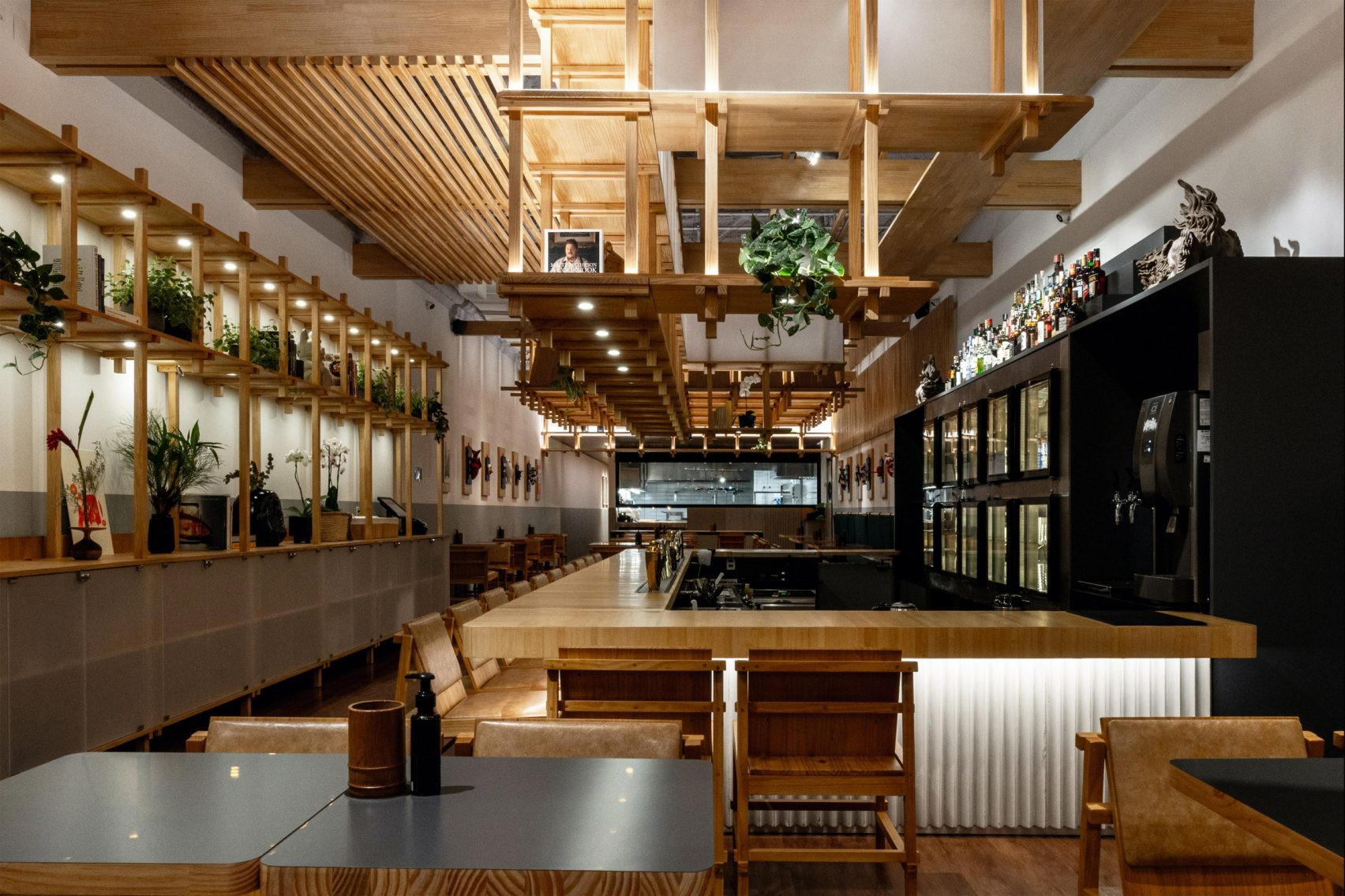
Busy, functional ramen shop atmosphere inside JR Central Towers with bright lighting, quick turnover, and a casual feel suited to commuters and shoppers rather than lingering meals.