
Nagoya’s ramen scene rewards small counters as much as famous regional specialties, and China Soba Kitagawa sits firmly in that low-capacity, high-attention lane. The seven-seat counter in Uchidabashi, selected for Tabelog Ramen AICHI “Tabelog 100” 2025, is a planning-led stop rather than a casual backup, with a sub-¥999 listed price range that keeps the stakes unusually democratic.
Pearl is the En Primeur Club membership app — saves, bookings, and concierge access live there. Same editors, same standards.
- Address
- Japan, 〒457-0862 Aichi, Nagoya, Minami Ward, Uchidabashi, 1 Chome−14−2 コーポ竹味
- Phone
- +81 52-692-7557
- Website
- twitter.com
 Saves & bookings on Pearl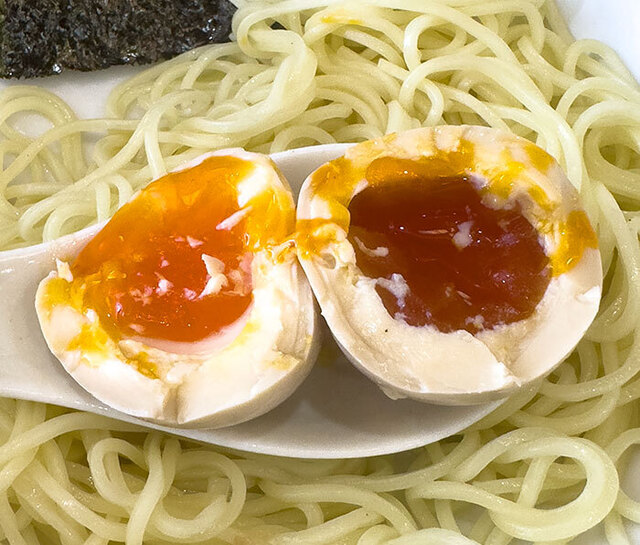
In Uchidabashi, the ramen counter is not a stage set for luxury dining. It is small, functional, and governed by the rhythm of seats turning over, bowls landing, and the quiet calculations of diners who know that a seven-seat room changes the meal before the first order is placed. China Soba Kitagawa belongs to that compact Nagoya category where access, timing, and patience matter as much as appetite.
Nagoya’s better-known food identity often leans toward miso katsu, hitsumabushi, kishimen, and other regional anchors, but the city’s ramen culture has developed a sharper sub-scene: specialist shops with narrow formats, modest pricing, and local ranking pressure. Within that frame, a place listed under JPY 999 and selected for Tabelog Ramen AICHI “Tabelog 100” 2025 occupies a telling position. It is not competing with ceremonial dining; it is competing with the everyday bowl executed well enough to draw attention in a crowded prefectural field.
A seven-seat ramen counter inside Nagoya's planning economy
Small ramen shops in Japan reward a different kind of travel intelligence from high-price restaurants. The decision is less about tasting-menu duration and more about whether the room can absorb demand at the moment a diner arrives. Seven counter seats create a tight equation: a short menu and quick turnover may keep movement steady, but the margin for bad timing is thin. That is the format’s appeal and its inconvenience.
The useful comparison is not a luxury kaiseki room or a hotel dining room, but the city’s other tightly defined food stops. Atsuta Houraiken Honten and Atsuta Houraiken Jingu ten sit in a higher-spend Nagoya tradition around hitsumabushi, with listed meal ranges in the JPY 4,000 to JPY 5,999 bracket. Ebi Soba Hiiro and Atsuta Miso Ramen Buriyu occupy the ramen lane closer to JPY 1,000 to JPY 1,999. Against that local spread, China Soba Kitagawa reads as a small-counter, low-ticket specialist whose recognition comes from execution rather than ceremony.
That price position matters. In many Japanese cities, the gap between acclaimed everyday food and formal dining is part of the pleasure: a bowl can be the serious meal of the day without asking for a full evening commitment. Nagoya amplifies that contrast because its regional staples are often destination meals in themselves. Ramen here can function as the agile counterpoint, tighter in format, less performative, and often more dependent on timing.
Recognition without the theatre of a destination dining room
The Tabelog Hyakumeiten framework carries particular weight in Japan because it tends to surface category-specific strength rather than broad hospitality glamour. Selection for the 2025 Aichi ramen list places the shop in a peer group judged within ramen, not across unrelated dining styles. That distinction is important. Awards can flatten restaurants into generic acclaim, but category recognition is more useful for travelers deciding whether a bowl is worth structuring a detour around.
The room’s counter-only setup also keeps expectations grounded. This is not a place to judge by the markers of a polished dining room: private rooms, payment breadth, extended service rituals, or a long beverage program. The sharper read is operational. A compact shop, non-smoking setting, and solo-dining suitability align with the Japanese ramen grammar of efficiency and focus. School-age children are welcomed, but the format remains counter-led rather than leisurely.
For readers mapping Nagoya by category, this is where the city becomes more interesting than a checklist of specialties. Pasta Dining ROTO, for example, sits in a different spend and meal-structure bracket, while ramen counters compress the experience into a narrower window. The distinction is not hierarchy; it is use-case. Some meals anchor a night. Others sharpen a day’s itinerary because they demand attention without consuming it.
How to place it within a Nagoya itinerary
The strongest case for China Soba Kitagawa is not that every traveler needs another ramen stop. It is that Nagoya rewards diners who understand scale. A seven-seat counter in Minami Ward asks for a more deliberate approach than a station-area fallback, particularly because the format leaves little room for large groups or leisurely indecision. The meal works better as a targeted stop for one or two people than as a broad social plan.
For wider planning, use it as one part of a Nagoya food map rather than the whole argument for the city. Our full Nagoya restaurants guide is the stronger base for building meals across ramen, eel, noodles, and contemporary dining. Travelers extending the stay can pair that with Our full Nagoya hotels guide, while evenings and off-table planning sit in Our full Nagoya bars guide, Our full Nagoya wineries guide, and Our full Nagoya experiences guide.
Within EP Club’s Japan coverage, it also belongs beside other tightly defined casual and specialist formats, from 1022, 451, Aaron, Alan., and All Day Dining Montmartre to regional stops such as -Grilled beef Sukiyaki- KAMAKURA TANUKIAN 鎌倉 たぬき庵 in Kamakura. 鮪と炭火焼き うお炭 秋葉原店 in Tokyo.cafe in Osaka.know in Kumamoto, (Shoku) Vietnam in Kawasaki, and [Curry Senmon Ten] Maruyama Kyoju. in Sapporo. For Japanese drinking and casual-food context outside Japan, see Jōdo Saké Bar in Los Angeles and Onigiri Time in Pasadena.
The editorial read is simple: Nagoya’s serious eating is not confined to high-spend rooms. A small ramen counter with category recognition, a tight seat count, and everyday pricing can be just as revealing of the city’s dining culture as its better-publicized regional classics. The value is in understanding the format before arriving.
A Tight Comparison
Comparable venues at similar price and category levels.
| Venue | Cuisine | Price | Notes |
|---|---|---|---|
| China Soba KitagawaThis venue — the venue you are viewing | Minami, Ramen & wonton shop | $ | Not listed |
| Menya Ierou | Nakagawa, Japanese Ramen | $ | Not listed |
| Yanagibashi Wa nico | Not listed | $ | Nakamura, Niboshi-focused Ramen Shop with Morning Ramen |
| Heritage | Not listed | $ | Tenpaku, Traditional Nagoya Eel (Hitsumabushi) |
| Kishiya | Chikusa, Nagoya kishimen & ramen | $ | Not listed |
| Fujimi Tei Honten | Naka, Kourai-style tonkotsu ramen | $ | Not listed |
Recognition history
Dated appearances from independent guides and award organizations, with the underlying list record or original source where available.
Tabelog 100 #93 · No. 93
Tabelog · Tabelog 100 - Ramen - AICHI - 2025
Continue exploring
More in Nagoya
Restaurants in Nagoya
Browse all →
At a Glance
- Cozy
- Intimate
- Solo
- Casual Hangout
- After Work
- Chefs Counter
- Standalone
Current opening hours
- Monday
- 11 AM–3 PM
- Tuesday
- 11 AM–3 PM, 5:30–8 PM
- Wednesday
- Closed
- Thursday
- 11 AM–3 PM
- Friday
- 11 AM–3 PM, 5:30–8 PM
- Saturday
- 11 AM–3 PM
- Sunday
- 11 AM–3 PM
Hours can change for holidays and private events. Last verified .
A small seven-seat counter-only ramen shop run solo by the owner, with a lively but orderly atmosphere, close interaction across the counter, and a focus on serious, respectful dining etiquette rather than lingering or multitasking at the table.