
Ramen Dai Nagoya ten is a compact counter ramen shop in Nishiki with Tabelog 100 - Ramen - AICHI - 2025 recognition and a narrow nine-seat format. Its appeal sits in Nagoya’s lower-cost ramen culture: quick turnover, solo-friendly dining, and a reputation built through specialist ramen scrutiny rather than luxury cues.
Pearl is the En Primeur Club membership app — saves, bookings, and concierge access live there. Same editors, same standards.
- Address
- 愛知県名古屋市中区錦2-9-6 名和丸の内ビル 1F
- Website
- tabelog.com
 Saves & bookings on Pearl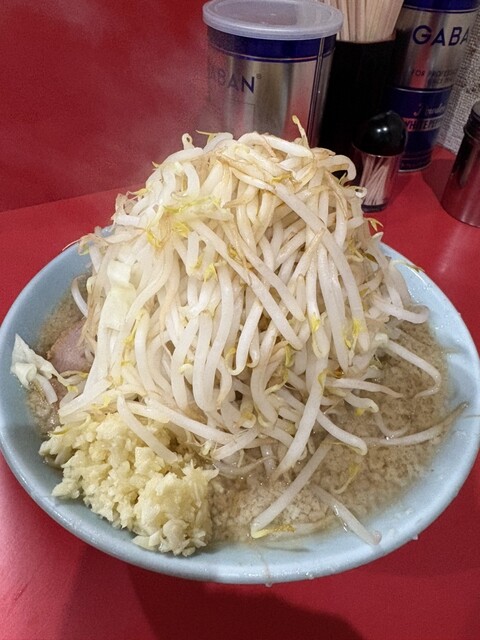
The room reads as Nagoya ramen at its leanest: counter seating, close quarters, and a service rhythm for diners who know their order before sitting down. In Nishiki, where office blocks, drinking streets, and weekday lunch traffic overlap, ramen is a working-city meal, judged by speed, consistency, and whether a bowl holds attention without ceremony.
That context matters because Ramen Dai Nagoya ten sits in a category where reputation is earned incrementally. Aichi’s ramen field is crowded, and Tabelog’s 2025 Hyakumeiten selection places the shop inside a regional shortlist shaped by repeat diners, narrow formats, and specialist comparison. Its 3.59 score is not a luxury-dining number; it is a signal in Japan’s ramen economy, where counter shops compete on a different scale from tasting-menu restaurants or hotel dining rooms.
A nine-seat counter in Nagoya's practical ramen culture
Nagoya’s better ramen addresses often work against visitor assumptions from Tokyo or Osaka. The city has its own tempo: business districts fill hard at lunch, drinking zones reset the room at night, and solo diners are normal, not exceptions. A nine-seat counter fits that pattern. Capacity shapes the experience by limiting drift: meals move quickly, groups stay small, and the room centers the bowl rather than lingering.
Ramen Dai Nagoya ten opened in 2010, giving it more than a decade of exposure to local habits before the 2025 Tabelog 100 - Ramen - AICHI selection. That longevity is evidence. In ramen, novelty can bring short-lived attention, but sustained local relevance usually depends on operational discipline: repeatable prep, efficient service, and enough identity to survive comparison across dozens of shops. The format also explains why it reads differently from Nagoya’s higher-spend dining rooms. Chinese Ryori Ryujo occupies a much heavier price tier, while Daijin Honten sits in another casual-restaurant bracket. Murasakiya is closer in low-cost positioning, but the ramen counter remains its own decision: single-purpose, fast, and unforgiving of weak execution.
The competitive set is not only ramen. Nagoya dining now stretches from polished Western rooms such as ル・タン・ペルデュ and cucina Wada to tightly focused casual formats, making the city useful for food-focused travelers. Ramen here is not a fallback between reservations. It is one way the city shows serious dining without wine service, linen, or a long bill.
What the Tabelog recognition says, and what it does not
Hyakumeiten recognition is especially relevant for ramen because formal international awards cover the field less fully. The 2025 Aichi ramen selection places the shop within a defined regional cohort rather than making a universal claim. Evaluate it against other Aichi ramen counters, not against kaiseki rooms, sushi counters, or destination restaurants chasing global rankings.
The low listed spend sharpens the point. Japan’s ramen culture can produce serious critical attention at prices far below multi-course dining, so the category rewards precision more than theatre. A compact counter, no-frills room, and Tabelog ramen citation are aligned signals. None promises conventional luxury comfort; together they suggest a shop for diners who value format clarity.
For travelers building a Nagoya eating itinerary, place this ramen stop beside rather than below formal meals. A city itinerary might pair casual counters with restaurants such as 1022, 451, Aaron, Alan., or All Day Dining Montmartre, not because they answer the same craving, but because Nagoya’s range is the point. A good eating day can move from counter ramen to French, Chinese, hotel dining, or izakaya without forcing every stop to carry the same formality.
That is also why the shop’s solo-friendly character matters. In Japan, a single diner at a ramen counter is not a compromised experience. It is often the cleanest version: direct interaction with the kitchen line, minimal table management, and a brief window of attention. Travelers who understand that rhythm will read the room correctly; those expecting a lingering restaurant evening will not.
How to place it in a Nagoya itinerary
Nishiki and the Fushimi-Marunouchi area make practical sense for ramen because they sit between business, transit, and evening drinking routes. The district rewards short, decisive meals. This is not the part of Nagoya where every worthwhile address announces itself with a grand facade; many better decisions happen at street level, in compact rooms that make little effort to soften the transaction.
The planning logic is simple: treat Ramen Dai Nagoya ten as a focused ramen stop, not a long social booking. The room is counter-only, private rooms are not part of the format, and cashless payment is not the defining assumption. Non-smoking status helps travelers sensitive to older ramen-shop habits, while the lack of parking pushes visits toward rail or a short walk from nearby stations. These are not inconveniences so much as genre mechanics.
For a broader food map, start with Our full Nagoya restaurants guide, then build around where the night is actually going: Our full Nagoya hotels guide, Our full Nagoya bars guide, Our full Nagoya wineries guide, and Our full Nagoya experiences guide help separate a quick bowl from the rest of the evening. Readers comparing casual Japanese formats beyond Nagoya can also look at -Grilled beef Sukiyaki- KAMAKURA TANUKIAN 鎌倉 たぬき庵 in Kamakura. 鮪と炭火焼き うお炭 秋葉原店 in Tokyo.cafe in Osaka.know in Kumamoto, (Shoku) Vietnam in Kawasaki, [Curry Senmon Ten] Maruyama Kyoju. in Sapporo, Jōdo Saké Bar in Los Angeles, and Onigiri Time in Pasadena.
The editorial case is clear: this is Nagoya ramen judged on ramen terms. The 2025 Aichi Hyakumeiten citation, counter-only scale, and low-cost format point to a shop whose value lies in precision and local credibility, not spectacle. In a city where dining can move from business lunch to late drink to serious regional cooking in a few blocks, that clarity has its own weight.
Cost Snapshot
Comparable venues to place this listing in its category.
| Venue | Cuisine | Price | Notes |
|---|---|---|---|
| Ramen Dai Nagoya tenThis venue — the venue you are viewing | Naka, Jiro-style Ramen Shop | $ | Not listed |
| Gin no Kura Honten | Higashi, Nagoya-style Ramen Shop | $ | Not listed |
| Sapporo Ramen Ezo Men Rock Shinsakae ten | Naka, Sapporo-style Ramen | $ | Not listed |
| Masago | Not listed | $ | Naka, Traditional Nagoya ramen (chuka soba) counter |
| Kawaguchi Ya | Naka, Japanese confectionery shop | $ | Not listed |
| Tsukesoba Jinguji | Kita, Tsukemen & Ramen Specialist | $ | Not listed |
Recognition history
Dated appearances from independent guides and award organizations, with the underlying list record or original source where available.
Tabelog 100 #32 · No. 32
Tabelog · Tabelog 100 - Ramen - AICHI - 2025
Continue exploring
More in Nagoya
Restaurants in Nagoya
Browse all →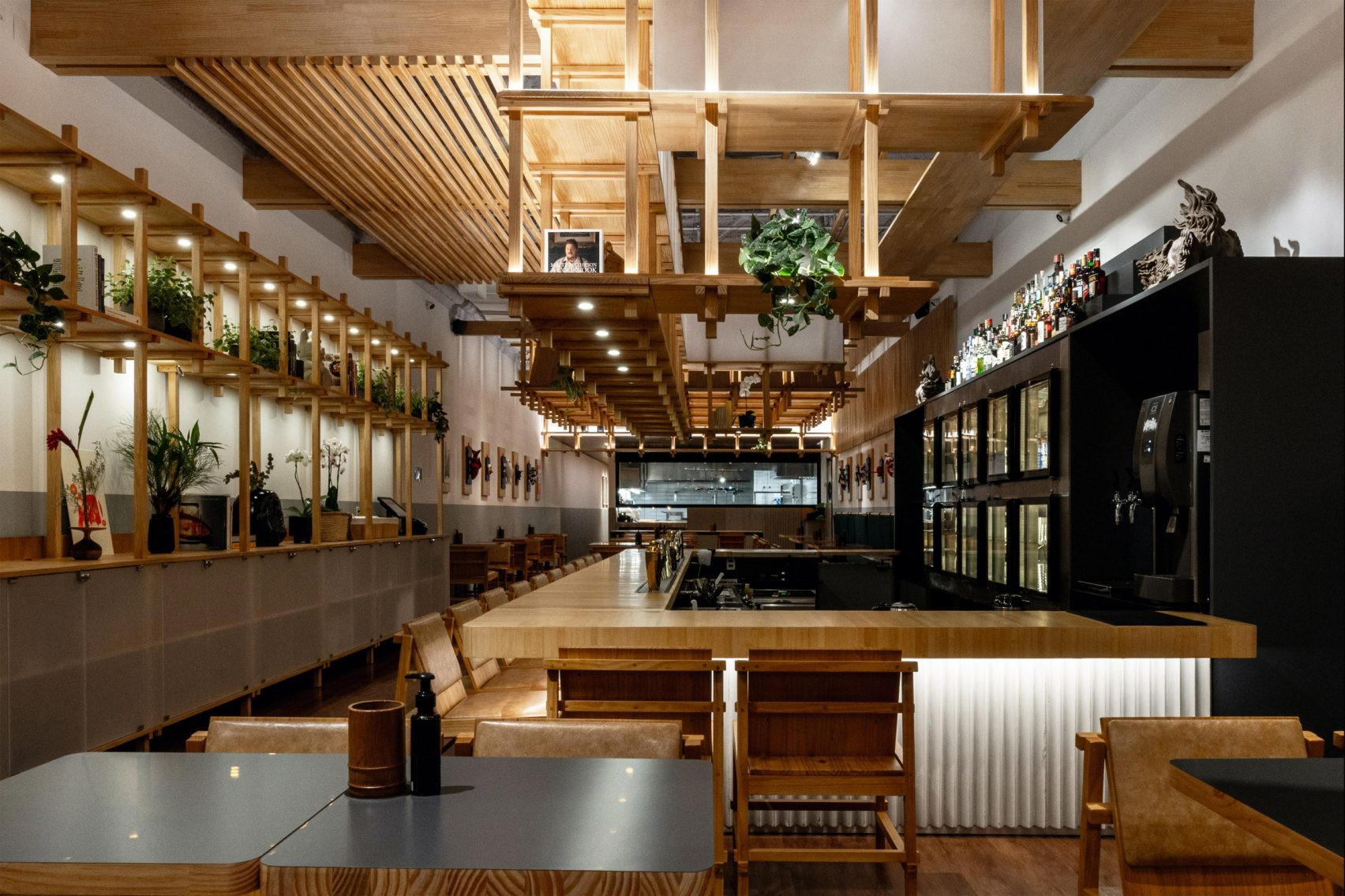
At a Glance
- Lively
- Intimate
- Solo
- Casual Hangout
- After Work
- Standalone
A no-frills, compact counter-only ramen shop with just nine seats, non-smoking, and a bustling, high-turnover atmosphere typical of popular Jiro-style spots.