
Tsukesoba Jinguji is a compact Nagoya counter for tsukemen and ramen, recognized in the Tabelog 100 Ramen Aichi 2025 selection. The appeal is less about luxury signaling than precision within an everyday price tier: a 12-seat, counter-led format near Shiga Hondori that suits solo diners, families, and anyone tracking Aichi’s serious noodle culture.
Pearl is the En Primeur Club membership app — saves, bookings, and concierge access live there. Same editors, same standards.
- Address
- 愛知県名古屋市北区若葉通1-25 若葉ビル 1F
- Phone
- +81529083611
- Website
- tabelog.com
 Saves & bookings on Pearl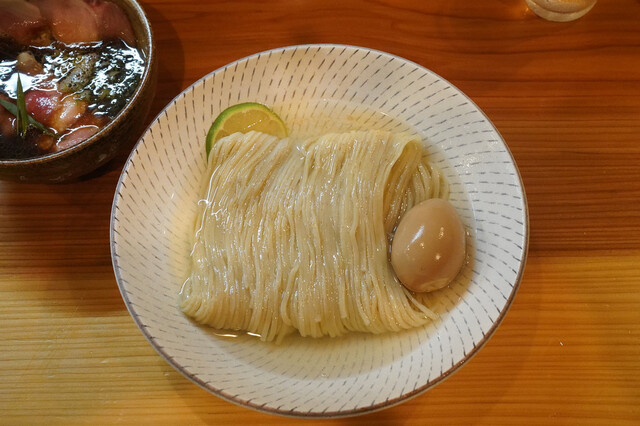
Approach the ramen counters of Nagoya’s Kita ward and the city feels less performative than Tokyo’s queue-driven ramen districts. The signal is quieter: small shopfront, counter seating, quick turnover, and bowls over theatre. Tsukesoba Jinguji belongs to the Nagoya ramen conversation because it keeps the format tight: tsukemen and ramen, a 12-seat counter, non-smoking room, and a reputation strong enough for the Tabelog 100 Ramen Aichi 2025 selection.
Aichi’s ramen culture sits apart from the region’s better-known miso-katsu and hitsumabushi staples. Noodle shops often operate as neighbourhood specialists rather than destination dining rooms, judged by repeat custom, queue discipline, broth concentration, noodle texture, and consistency across lunch and evening service. Awards matter because the price point is narrow and the differences technical. A Tabelog 100 selection does not make a ramen counter formal; it marks the shop within the prefecture’s serious noodle tier, where small choices carry disproportionate weight.
Nagoya ramen, judged by compression rather than ceremony
Tsukemen rewards concentration. Unlike soup ramen, where broth, noodles, tare, oil, toppings, and temperature meet in one bowl, dipping noodles separate the architecture. The noodles must hold their line; the dipping broth must carry force without turning crude; pacing depends on the diner controlling each pass between bowl and soup. The format tests a shop’s confidence. There is little room to hide behind abundance.
That is why recognition in a prefectural ramen list has practical meaning. Tabelog’s Ramen Aichi 2025 selection places Tsukesoba Jinguji among a defined group of Aichi shops, not the broader national dining economy. The comparison is local and category-specific, which is how ramen should be read. A counter like this competes less with kaiseki rooms or hotel dining than with shops where repeatability, speed, and noodle craft decide reputation.
Nagoya’s dining range sharpens the contrast. In the same city, Cafe Tanaka Honten and China Sichuan Kinsui En sit in a similar everyday spend bracket, while Yadorigi and Onkaiseki Shiratama move into a much higher restaurant tier. Kurokawa Yuuan Tei occupies a modest middle ground. Against that spread, a ramen counter’s appeal is not breadth of service or wine-list depth, but whether a short-format meal can justify being singled out in a crowded field.
The shop’s category listing, tsukemen and ramen, also matters. In Japan, noodle specialists are often judged by how narrowly they define themselves. A broad menu can help; a focused one reveals more. Offering both dipping noodles and ramen gives diners two related but distinct readings of the same kitchen logic: one built on separation and intensity, the other on integration in the bowl.
The counter format keeps the attention on noodles
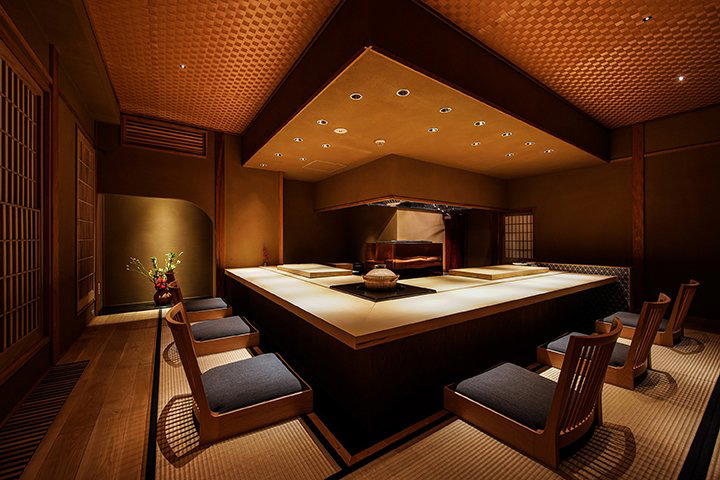
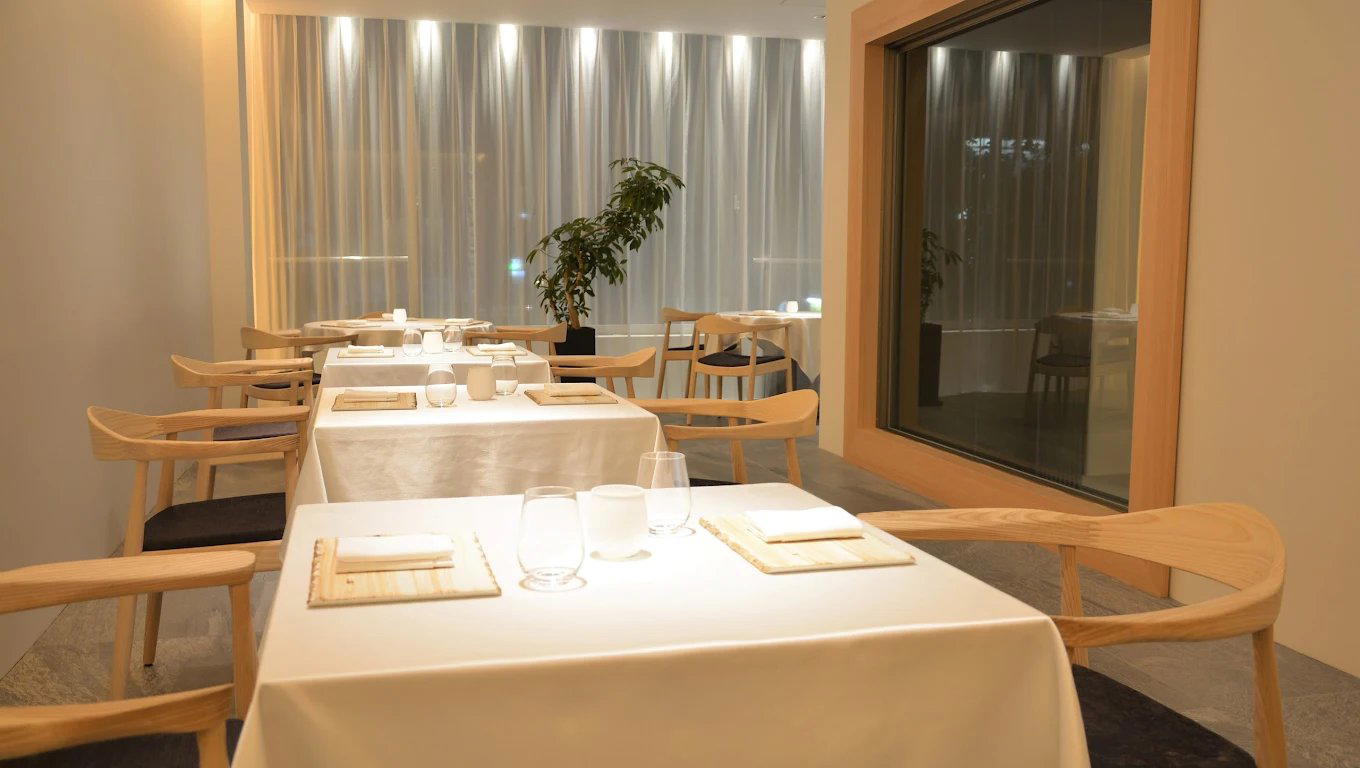
The room is built around counter seating, the right format for this food. A 12-seat ramen shop compresses dining into a direct exchange between kitchen rhythm and diner pace. There is no long arc, formal progression, or table theatre. The meal is short, concentrated, and exposed. If broth lacks focus or noodles miss texture, the counter offers few distractions.
That exposure makes ramen criticism unusually democratic in Japan. A low check average does not mean low scrutiny. Ramen shops face granular public attention many formal restaurants avoid: station access, ticketing or ordering flow, seat turnover, smoke policy, payment expectations, and consistency across repeat visits all shape reputation. The Tabelog score of 3.65 sits inside that ecosystem, where small decimal differences can reflect heavy competition and a demanding local audience.
For travellers, the location near Shiga Hondori puts the meal outside the obvious central Nagoya hotel-and-station loop. This is not a restaurant to fold casually into a high-end tasting-menu evening; it is a targeted noodle stop, and a way to read everyday Nagoya through documented local recognition. The format is socially accessible: solo dining suits the counter, and children are welcomed, widening its use beyond obsessive ramen itineraries.
Cash planning is part of the culture, not an inconvenience. Credit cards, electronic money, and QR code payments are not accepted, so the meal follows the older rhythm of Japanese ramen counters: arrive prepared, eat with focus, and keep the line moving. Parking is not provided, though coin parking exists nearby. These details may sound mundane, but they shape the experience as much as decor. Ramen’s discipline is operational as well as culinary.
Where it fits in a Nagoya eating day
Tsukesoba Jinguji works well as a purposeful stop rather than a catch-all recommendation. It suits diners seeking a recognized Aichi ramen shop without turning lunch or dinner into a luxury event. It also counters Nagoya’s broader restaurant ladder: a city where a day can move from coffee and patisserie to Sichuan cooking, from casual counters to high-spend Japanese rooms. Ramen does not replace those experiences; it reveals a different measure of quality, based on repeatable craft at speed.
That is the editorial reason to care about the award. In a low-price, small-room format, reputation must be earned through details diners notice quickly. The 2025 Tabelog 100 Ramen Aichi selection gives the shop a clear trust signal, but the more interesting point is what it says about Nagoya: serious eating is not confined to polished rooms or formal menus. Some of the city’s better evidence sits at counters where the meal may be over before a tasting menu elsewhere has finished its first course.
For a wider city read, use Our full Nagoya restaurants guide alongside related Nagoya dining pages such as 1022, 451, Aaron, Alan., and All Day Dining Montmartre. City planning can extend through Our full Nagoya hotels guide, Our full Nagoya bars guide, Our full Nagoya wineries guide, and Our full Nagoya experiences guide. For broader Japan and Japanese-dining context, compare the editorial spread with -Grilled beef Sukiyaki- KAMAKURA TANUKIAN 鎌倉 たぬき庵 in Kamakura. 鮪と炭火焼き うお炭 秋葉原店 in Tokyo.cafe in Osaka.know in Kumamoto, (Shoku) Vietnam in Kawasaki, [Curry Senmon Ten] Maruyama Kyoju. in Sapporo, Jōdo Saké Bar in Los Angeles, and Onigiri Time in Pasadena.
Price and Positioning
Comparable venues to anchor price and recognition.
| Venue | Cuisine | Price | Notes |
|---|---|---|---|
| Tsukesoba JingujiThis venue — the venue you are viewing | Kita, Tsukemen & Ramen Specialist | $ | Not listed |
| Niboshi Chuka Soba Gyogyo | Kita, Niboshi-focused Ramen & Tsukemen | $ | Not listed |
| Kourai Dojo | Chikusa, Nagoya Kourai-kei ramen | $ | Not listed |
| Yanagibashi Wa nico | Not listed | $ | Nakamura, Niboshi-focused Ramen Shop with Morning Ramen |
| Fujimi Tei Honten | Naka, Kourai-style tonkotsu ramen | $ | Not listed |
| Kanmidokoro Shibafuku | Naka, Japanese Sweets | $ | Not listed |
Recognition history
Dated appearances from independent guides and award organizations, with the underlying list record or original source where available.
Tabelog 100 #16 · No. 16
Tabelog · Tabelog 100 - Ramen - AICHI - 2025
Continue exploring
More in Nagoya
Restaurants in Nagoya
Browse all →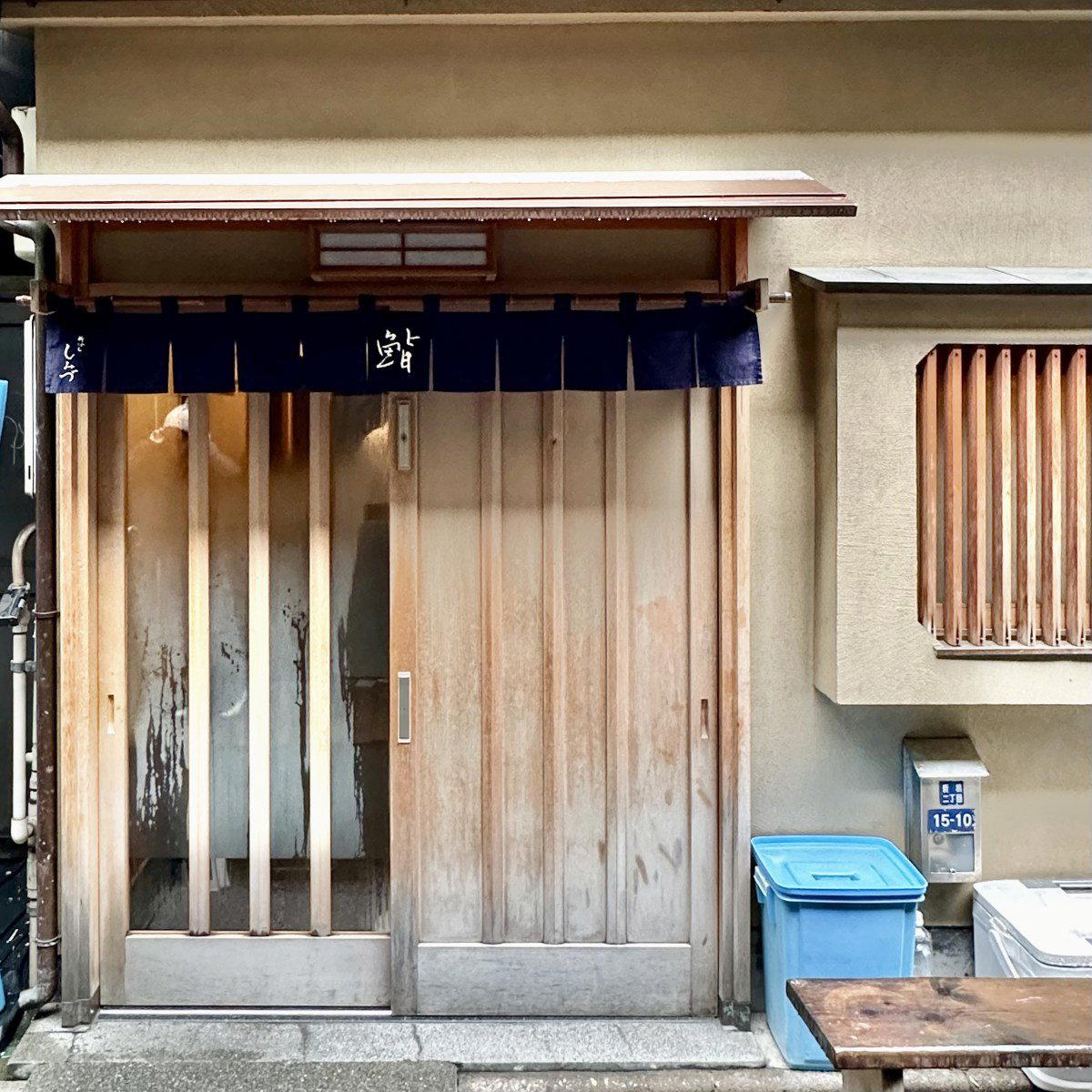
At a Glance
- Cozy
- Modern
- Solo
- Family
- Casual Hangout
- After Work
- Standalone
A compact, non‑smoking counter-only ramen shop with around a dozen seats, relaxed and functional rather than decorative, suited to solo diners and casual family visits with a focus on the noodle experience rather than lingering.