
Nagoya ramen culture rewards precision over ceremony: compact counters, fast turnover, and bowls priced far below the city’s formal dining rooms. Gin no Kura Honten sits in that practical, flavor-led bracket, with Tabelog Ramen AICHI “Tabelog 100” 2025 selection and a 10-seat counter format that keeps the experience close, efficient, and unmistakably local.
Pearl is the En Primeur Club membership app — saves, bookings, and concierge access live there. Same editors, same standards.
- Address
- Japan, 〒461-0001 Aichi, Nagoya, Higashi Ward, Izumi, 1 Chome−6−20 ライフビル 1階
- Phone
- +81 52-971-0084
- Website
- ginnokura.jp
 Saves & bookings on Pearl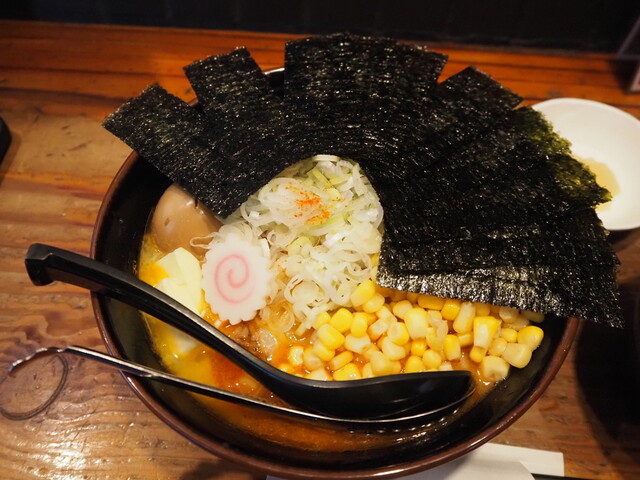
Approach the room in Izumi and the first signal is scale, not spectacle. A 10-seat counter changes the rhythm of ramen: fewer distractions, quicker decisions, and tighter focus on the bowl. Nagoya’s serious ramen shops often work this way, with kitchen movement, ticket-machine tempo, and the pause between bowl landing and chopsticks lifting as the soundtrack. Gin no Kura Honten belongs to this compact counter tradition, not the city’s slower, reservation-led dining economy.
That distinction matters. Nagoya supports high-spend rooms such as Mikan Kotohogi, Ciotto Giotto, Chisouan Hijiri, and Bottegon, but ramen follows another social contract: speed, repetition, and a price ceiling that keeps regulars returning. Gin no Kura Honten is listed in the JPY 999 bracket, far from tasting-menu theatre and close to the everyday precision of Japan’s noodle culture. Its selection for Tabelog Ramen AICHI “Tabelog 100” 2025 gives it a public marker inside Aichi’s competitive ramen field, where small differences in broth, noodle handling, and counter discipline decide reputation.
A 10-seat counter in Nagoya's practical ramen economy
Ramen in Nagoya sits between commuter habit and destination eating. Unlike kaiseki or sushi counters, where the meal often stretches into performance, ramen compresses the encounter. The room must move cleanly, seating must turn without feeling careless, and a counter-only setup forces discipline: diners see the kitchen’s pace, hear the timing, and read the room quickly. The format is not decorative; it shapes the meal.
Gin no Kura Honten’s counter-only configuration places it among shops where atmosphere comes from proximity rather than design language. The appeal is concentration, not luxury. A narrow ramen room leaves little room for indecision, which can be part of the pleasure for travelers who understand Japanese casual dining. The meal is direct, affordable, and tied to local routine, while Tabelog 100 recognition lifts it above a purely functional lunch stop.
Price frames the experience. In a city where formal Japanese and Italian rooms can run from five figures into much higher brackets, a sub-JPY 1,000 ramen listing changes the calculus. It lets a serious diner treat ramen as part of a broader Nagoya itinerary rather than a fallback between reservations. Pairing a counter lunch here with a higher-spend dinner elsewhere makes more sense than treating every meal as long-form. For a wider view of the city’s range, Our full Nagoya restaurants guide is the natural place to map those contrasts.
Why recognition matters more at low prices
Awards and rankings carry different weight at ramen level than in haute cuisine. At the luxury end, price filters the audience; in ramen, the room is accessible enough that recognition must come from consistency under pressure. Tabelog’s 2025 Aichi ramen selection puts the restaurant in a crowded regional conversation not because it imitates fine dining, but because it performs a narrow task well enough to be noticed.
For travelers, that is the useful reading. The award does not make the counter ceremonial. It signals that a low-cost, compact ramen shop has earned attention in a prefecture with deep noodle competition. Japan’s casual dining culture is easily misunderstood: affordability is not lack of seriousness. The gap between a routine bowl and a destination bowl may be small on the bill, but large in execution.
Nagoya’s dining identity is often framed through miso katsu, hitsumabushi, kishimen, and tebasaki, yet ramen is part of the city’s broader appetite for strong seasoning, quick service, and repeatable pleasure. This counter fits that urban pattern. It is not for lingering over wine; it is for reading local lunch and dinner cadence, which makes it useful for travelers staying in the city rather than passing through by rail.
The local comparison is instructive. LAO PASA, Mikan Kotohogi, Ciotto Giotto, Chisouan Hijiri, and Bottegon represent different price bands and meal structures, from casual international cooking to polished high-spend formats. Ramen sits outside that ladder. It is not the cheaper version of fine dining; it is a separate grammar with its own tests of quality. The restaurant’s value lies there.
How to place it within a Nagoya itinerary
For travelers, the smart use of a ramen counter is timing. A compact shop with no reservation availability rewards flexibility and patience, especially around peak lunch and dinner. The location near Takaoka Station on the Sakuradori Subway Line works for a Higashi Ward plan, particularly before moving on to bars, hotels, or cultural stops elsewhere in the city.
The practical character matters. Counter seating, non-smoking policy, children welcome, and cashless payment options including major cards, transportation IC cards, and PayPay place the shop in contemporary casual Japan rather than old-school inconvenience. Parking is not built into the experience, typical for this urban category; the subway is the cleaner choice.
Ramen fits easily into a Nagoya travel day: before hotel check-in, after museum time, or between shopping and an evening bar. For planning beyond the bowl, use Our full Nagoya hotels guide, Our full Nagoya bars guide, Our full Nagoya wineries guide, and Our full Nagoya experiences guide to keep the day coherent rather than overbuilt.
Readers comparing Nagoya with other Japanese dining cities can use the wider restaurant archive to see how casual formats travel across regions: 1022, 451, Aaron, Alan., and All Day Dining Montmartre show how rooms define pace and audience. Beyond Nagoya, contrast it with -Grilled beef Sukiyaki- KAMAKURA TANUKIAN 鎌倉 たぬき庵 in Kamakura. 鮪と炭火焼き うお炭 秋葉原店 in Tokyo.cafe in Osaka.know in Kumamoto, (Shoku) Vietnam in Kawasaki, [Curry Senmon Ten] Maruyama Kyoju. in Sapporo, Jōdo Saké Bar in Los Angeles, and Onigiri Time in Pasadena. The thread is not sameness; it is how format, price, and city context shape expectation before the first order.
The verdict is simple: this is a Nagoya ramen stop for diners who value compact rooms, quick service, and recognized local standing over ceremony. Its strength is the combination of a low price bracket, counter-only immediacy, and 2025 Aichi ramen recognition, which together make a stronger case than atmosphere alone could.
In Context: Similar Options
Comparable venues by cuisine and price in the same metro.
| Venue | Cuisine | Price | Notes |
|---|---|---|---|
| Gin no Kura HontenThis venue — the venue you are viewing | Nagoya-style Ramen Shop | $ | Not listed |
| Chuka Soba Mugi no Hoshi | Traditional Japanese ramen (chuka soba) | $ | Naka |
| Kanmiya Sawada Shoten | Japanese Kakigori & Sweets Café | $ | Naka |
| Ramen Senmon Ten Tokugawa Cho Josui | Ramen & tsukemen shop | $ | Higashi |
| Wagashi Karyo ocobo | Japanese Wagashi Cafe | $ | Chikusa |
| Suzume Odori Sohonten | Traditional Japanese Wagashi & Sweet Café | $ | Naka |
Recognition history
Dated appearances from independent guides and award organizations, with the underlying list record or original source where available.
Tabelog 100 #89 · No. 89
Tabelog · Tabelog 100 - Ramen - AICHI - 2025
Continue exploring
More in Nagoya
Restaurants in Nagoya
Browse all →
At a Glance
- Cozy
- Lively
- Solo
- Casual Hangout
- After Work
- Late Night
- Family
- Standalone
Current opening hours
- Monday
- Closed
- Tuesday
- 11 AM–1:45 PM, 5:30–10:30 PM
- Wednesday
- 11 AM–1:45 PM, 5:30–10:30 PM
- Thursday
- 11 AM–1:45 PM, 5:30–10:30 PM
- Friday
- 11 AM–1:45 PM, 5:30–10:30 PM
- Saturday
- 11 AM–1:45 PM, 5:30–10:30 PM
- Sunday
- 11 AM–1:45 PM, 5:30–10:30 PM
Hours can change for holidays and private events. Last verified .