Alteño




Michelin Plate · Conde Nast Hot List Restaurants · OpenTable Top 100 Restaurants
Our verdict
From Michelin-starred chef Johnny Curiel, Alteño brings the highland cuisine of Los Altos de Jalisco to Denver's Cherry Creek neighborhood. Housed in the Clayton Hotel, the menu moves from bright aguachile and raw seafood plates through soulful tacos and shareable mains like bone-in Colorado lamb shank. The price point sits at the top of Denver's Mexican dining tier, with an atmosphere built around statement lighting and a confident regional identity.

Pearl is the En Primeur Club membership app — saves, bookings, and concierge access live there. Same editors, same standards.
- Address
- 249 Clayton St, Denver, CO 80206
- Phone
- (303) 532-4999
- Hours
- Daily 3–11 PM
- Website
- altenorestaurant.com
- Directions
- Get directions
- Booking
- Book on OpenTable
The menu
What to order
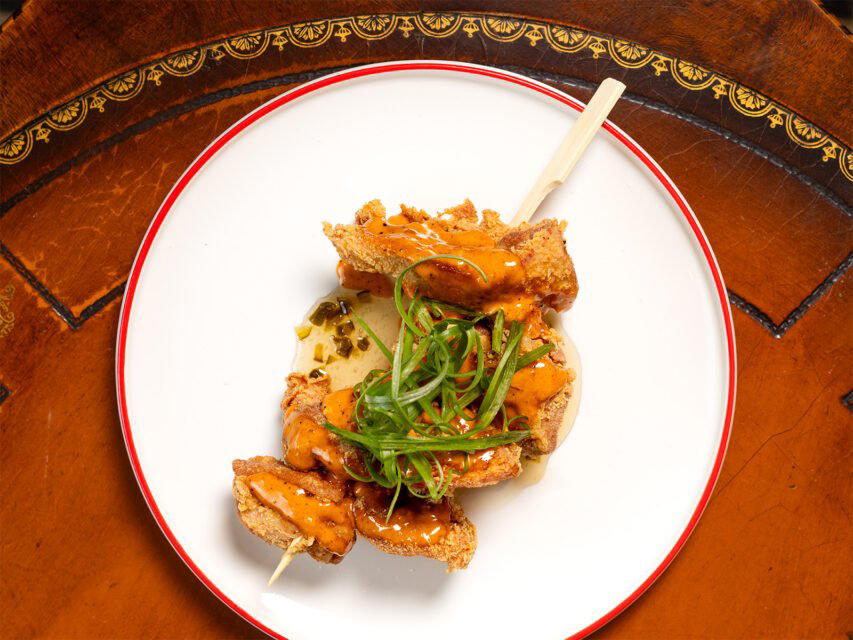
- Camote Asado
- Kanpachi Tostada
- Pollo A Las Brasas
Highland Mexico in the Mile High City
Denver's contemporary Mexican scene has quietly split into two distinct tiers over the past several years. One group occupies the accessible, neighborhood-fonda register — Alma Fonda Fina holds a Michelin star at the $$ price point, demonstrating that serious Mexican cooking in Denver does not require a premium cover charge. The other tier is smaller and more expensive, where regional specificity and fine-dining technique command top-of-market pricing. Alteño, located inside the Clayton Hotel at 249 Clayton St in Cherry Creek, occupies that upper bracket.
Chef Johnny Curiel holds Michelin recognition and ties his cooking explicitly to Los Altos de Jalisco, the highland region in Jalisco state known for cattle ranching, birria traditions, and a more rustic, ingredient-driven cuisine than the coastal Mexican cooking that tends to dominate high-end American menus. That regional specificity is the editorial fact that matters here: this is not pan-Mexican or Tex-Mex fusion, and it is not the Pacific-coast aguachile belt that most American diners associate with refined Mexican food. The Jaliscan Highlands have their own logic, and Alteño is the argument for why Denver should care.
The Mole Question and What It Reveals About the Menu
Mole is the most useful lens for understanding what any serious Mexican restaurant is trying to say. The sauce family — which spans mole negro, coloradito, verde, amarillo, and a dozen regional variants, requires a technical commitment that reveals a kitchen's true orientation. A mole negro built correctly involves more than twenty ingredients, long toasting processes, and careful calibration of bitterness from charred chili and chocolate against the sweetness of dried fruit and the earthiness of seeds. Restaurants that take mole seriously are almost always the same restaurants that take the broader canon of Mexican cooking seriously.
At Alteño, the menu's movement from raw and bright seafood into soulful, slower preparations reflects the Jaliscan approach: a cuisine that begins with freshness and moves toward depth. The bone-in Colorado lamb shank, served for DIY tacos at the table, carries the structural DNA of the region's braised-meat tradition, and the combination of local Colorado sourcing with Jaliscan technique is exactly the kind of productive tension that separates regional Mexican fine dining from mere nostalgia. The presence of kanpachi tostada with Santa Barbara uni alongside carne asada and bone-in chuleta signals a kitchen that knows its international fine-dining context without abandoning its regional argument. For comparison, Le Chique in Puerto Morelos and Arca in Tulum operate within a similar framework, rooted regional identity filtered through contemporary technique, though both operate in their source geography rather than transplanted to a Rocky Mountain city.
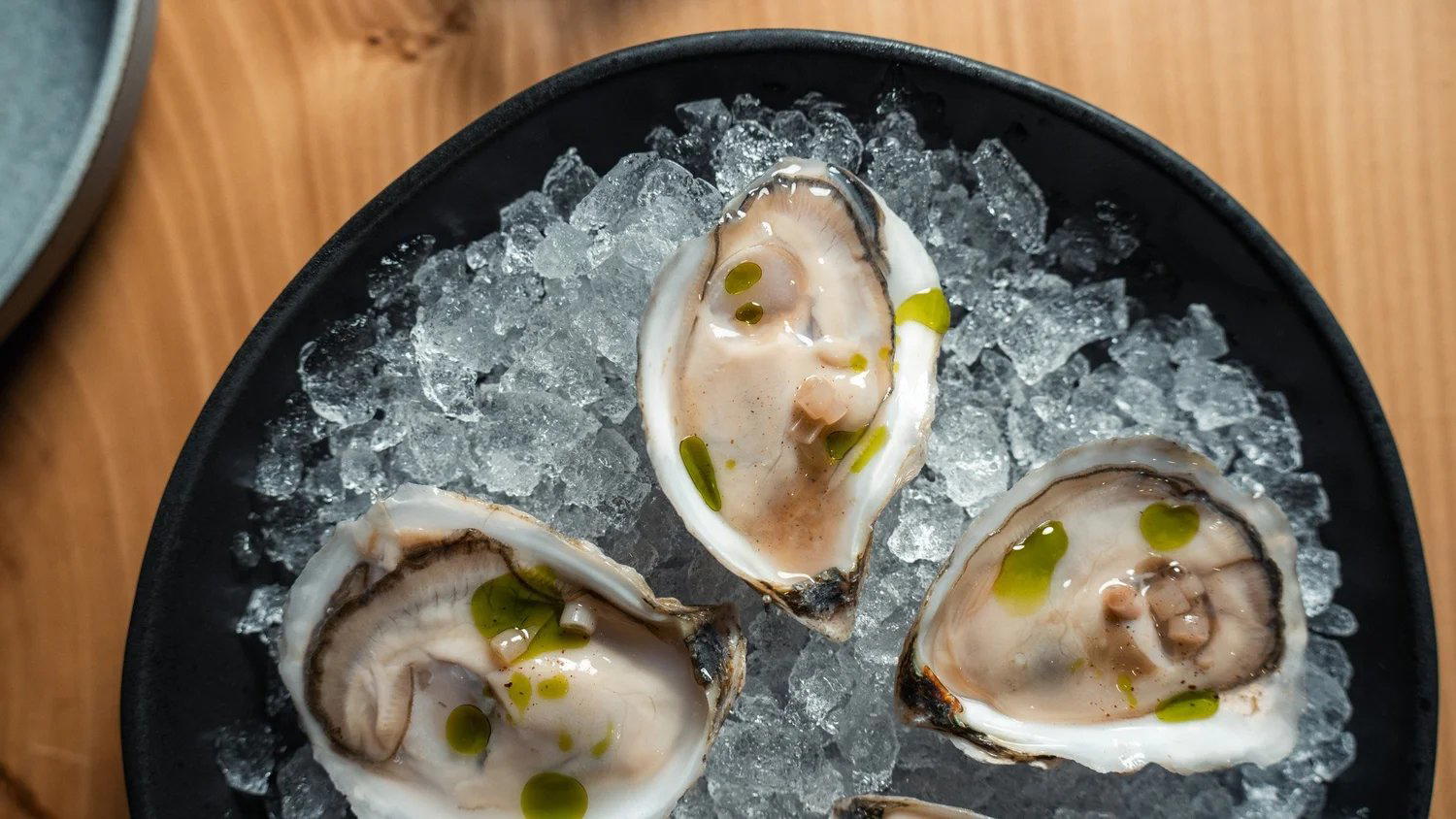
The menu's progression from aguachile and carne apache through roasted sweet potatoes and taco-format mains mirrors the way serious Mexican kitchens tend to structure service: the bright, acid-forward plates calibrate the palate early, and the fat and smoke of larger proteins arrive with the weight of the meal behind them. Oysters on the half shell anchor the raw section with a clear signal about product quality, and the kanpachi-uni tostada places the kitchen in conversation with the coastal Mexican fine-dining register even as the mains reassert the highland identity.
Atmosphere and the Hotel Setting
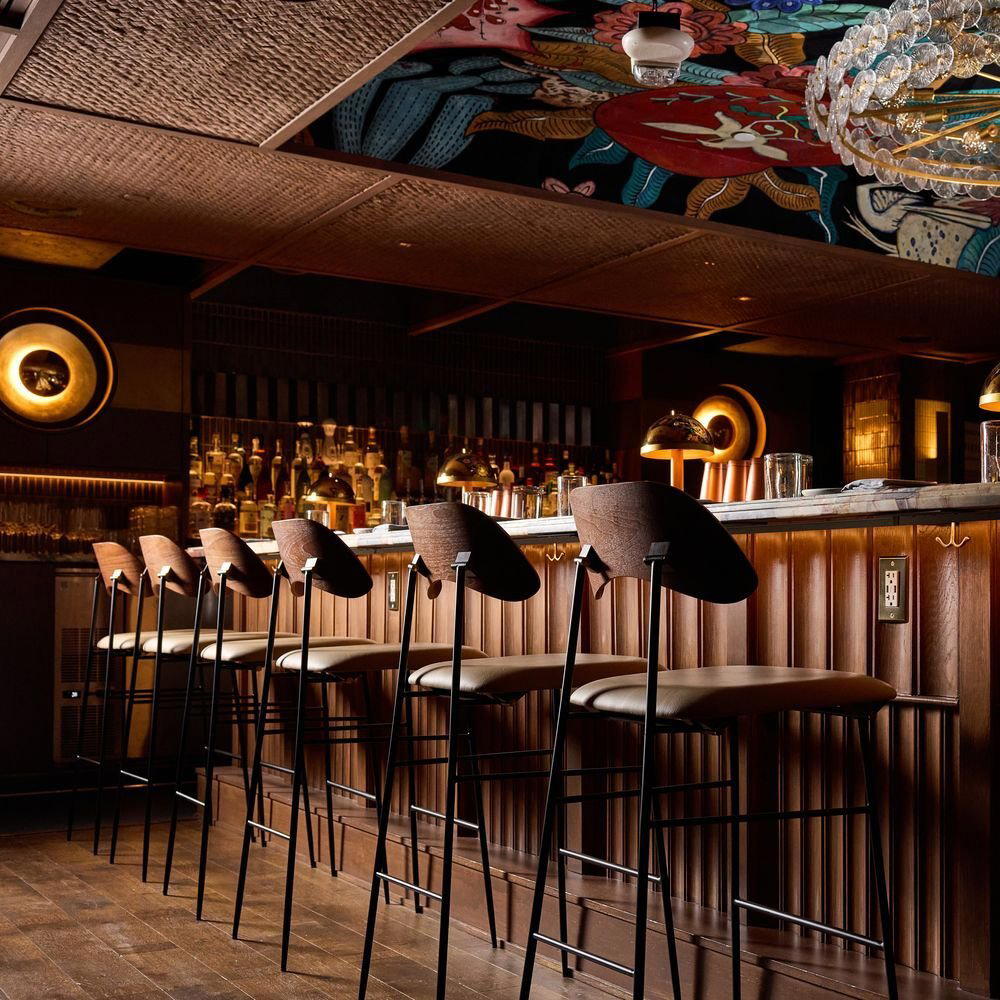
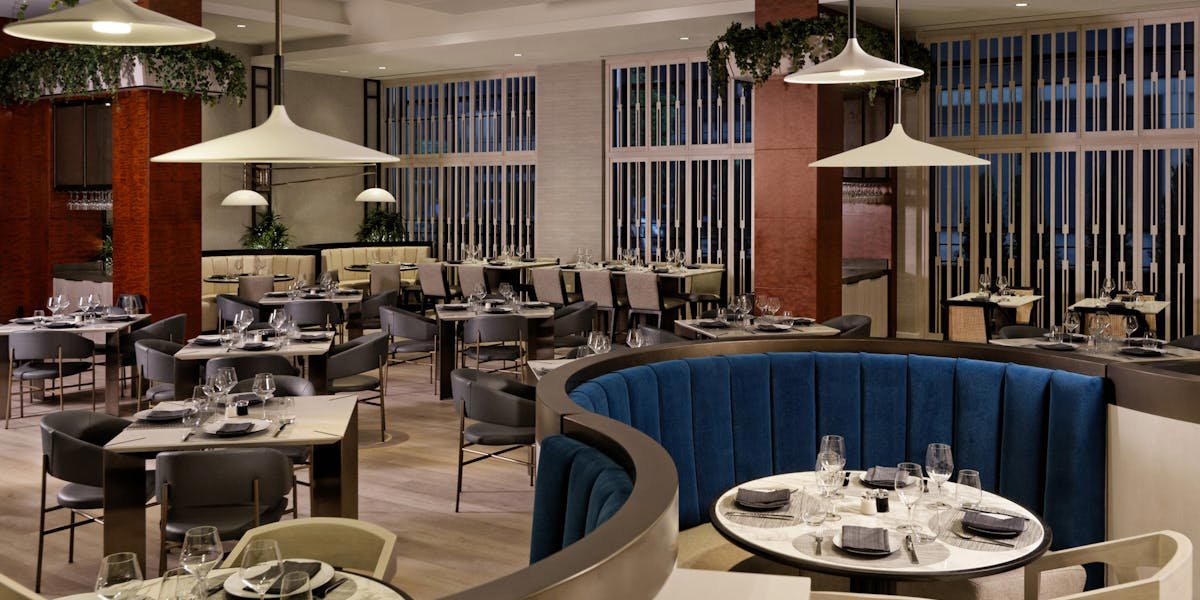
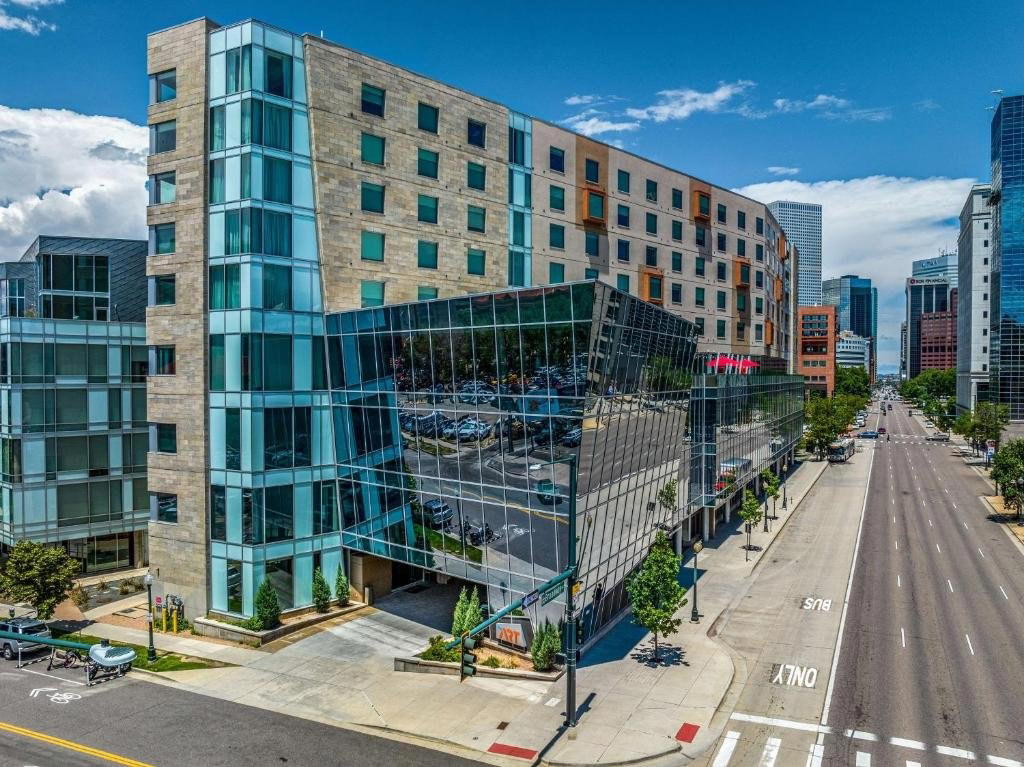
Hotel restaurants in American cities carry a structural reputation problem: they are assumed to serve the needs of guests over the expectations of serious diners. Cherry Creek is not the Strip, and the Clayton Hotel is not a convention property, but the hotel context still creates a positioning question that Alteño answers through atmosphere rather than protest. Statement lighting and a deliberately moody interior signal that the room is designed for dining-as-destination rather than dining-as-convenience. That approach is consistent with the broader trend in American fine dining, where room design is treated as a meaningful argument about seriousness, a logic visible at Beckon and in the more austere interiors of Denver's contemporary tier.
The vibe-forward atmosphere at Alteño does not contradict the food's regional ambitions; it frames them for a Cherry Creek audience. The neighborhood draws a clientele accustomed to $$$$ pricing and international reference points, and the room's character is calibrated accordingly. This is not a cantina, and it does not pretend to be.
Denver's Fine Dining Context
Denver's restaurant scene has received sustained Michelin attention since the guide's Colorado debut, and the city's fine dining tier now includes enough starred and recognized properties to support genuine comparison. At the $$$$ level, Alteño competes for the same dining occasion as Wolf's Tailor and Brutø, though the cuisine type creates a different kind of authority claim. Mexican fine dining at the leading price tier remains less common in American cities than French, Japanese, or New American formats, a disparity that makes Michelin recognition in this category particularly signal-dense. Among American restaurants operating at comparable ambition, Le Bernardin in New York City and Alinea in Chicago represent the ceiling of their respective categories; Alteño's Michelin credential places it in serious company within the Mexican fine dining subset, alongside properties like Lazy Bear in San Francisco and Single Thread Farm in Healdsburg in terms of the specificity of regional commitment. The French Laundry in Napa and Emeril's in New Orleans represent different models of American fine dining ambition, but both illustrate how regional identity, when executed with discipline, sustains long-term reputation.
For Denver visitors building an itinerary around the city's drinking culture alongside its restaurants, Mezcaleria Alma offers a logical complement to an Alteño dinner, given the Jaliscan spirits connection. Broader planning resources, including [our full Denver restaurants guide](), [hotels guide](), [bars guide](), [wineries guide](), and experiences guide, cover the city's full range of options across categories.
Planning Your Visit
Alteño sits at 249 Clayton St in Cherry Creek, inside the Clayton Hotel, making it accessible from both the neighborhood's own residential base and from downtown Denver. At the $$$$ price tier, the tab for two with drinks will land in the range typical of Denver's Michelin-recognized restaurants. Given the Michelin credential and a format designed for sharing across multiple courses, this is a meal that warrants advance planning: tables at this level of recognition in Denver book out, and a weeknight reservation will serve anyone with schedule flexibility. Cherry Creek offers walkable cocktail options before or after, and the hotel setting means late-evening options are not a logistical concern.
Frequently asked questions
What part of town is Alteño in?
Alteño is located at 249 Clayton St, Denver, CO 80206, Denver.
What's the best way to book Alteño?
Alteño sits in Denver's highest-demand dining tier as a Michelin-credentialed, $$$$ restaurant inside the Clayton Hotel at 249 Clayton St in Cherry Creek. At that level, advance reservations are standard practice — expect to book at least several weeks out, particularly for weekend seatings. Check the Clayton Hotel's dining reservations portal or third-party platforms such as Resy or OpenTable, which typically carry availability for this category of Denver restaurant.
Where It Fits
A quick peer check to anchor this venue’s price and recognition.
| Venue | Cuisine | Price | Awards | Notes |
|---|---|---|---|---|
| AlteñoThis venue — the venue you are viewing | Modern Jalisco Mexican | $50–100 | Michelin Plate · Conde Nast Hot List Restaurants | Not listed |
| The Wolf's Tailor | Modern Fusion Tasting Menu | $150–200 | 2 Michelin Stars · La Liste Top Restaurants | New American, Contemporary |
| Tavernetta | Contemporary Italian | $50–100 | Michelin Bib Gourmand · Star Wine List | Italian |
| Brutø | Contemporary American Tasting Menu | $150–200 | 1 Michelin Star · Star Wine List | Contemporary |
| Alma Fonda Fina | Modern Mexican Fine Dining | $50–100 | 1 Michelin Star · World's 50 Best #45 | Mexican |
| Safta | Modern Israeli & Mediterranean Small Plates | $50–100 | Michelin Plate · Star Wine List | Israeli Cuisine |
Recognition history
Dated appearances from independent guides and award organizations, with the underlying list record or original source where available.
Michelin Plate
Michelin
Conde Nast Hot List Restaurants
Conde Nast
Esquire Best New Restaurants
Esquire
OpenTable Top 100 Restaurants
OpenTable
Full recognition history (5 entries)
Michelin Plate
Michelin
Continue exploring
More in Denver
Restaurants in Denver
Browse all →
Bars in Denver
Browse all →
Hotels in Denver
Browse all →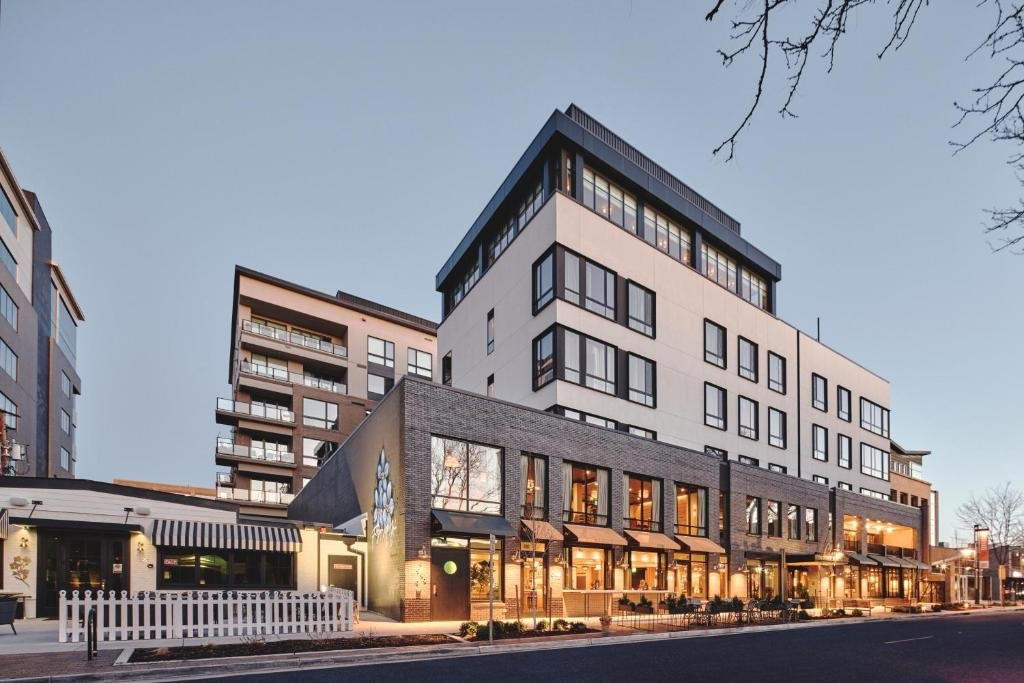

Details
- Romantic
- Elegant
- Cozy
- Energetic
- Date Night
- Special Occasion
- Celebration
- Open Kitchen
- Craft Cocktails
- Small Plates
- A La Carte
- Agave Spirits
- Mezcal Cocktails
- Vegetarian Friendly
Current opening hours
- Monday
- 3–11 PM
- Tuesday
- 3–11 PM
- Wednesday
- 3–11 PM
- Thursday
- 3–11 PM
- Friday
- 3–11 PM
- Saturday
- 3–11 PM
- Sunday
- 3–11 PM
Hours can change for holidays and private events. Last verified .
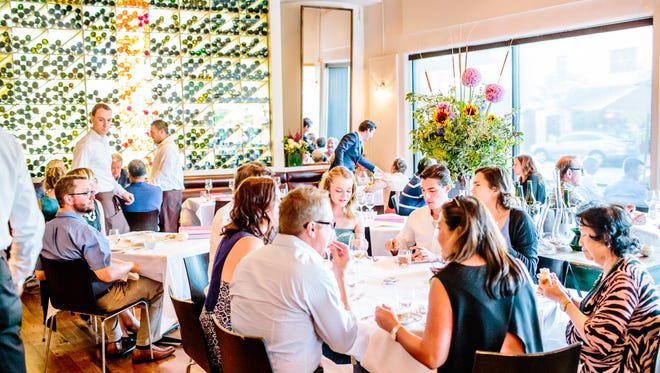
Moody with soft statement lighting, warm tones, and energetic yet intimate atmosphere evoking a welcoming Jalisco home.