Populus





Opened in 2024, Populus is the first carbon-positive hotel in the United States, a 265-room downtown Denver property whose aspen-inspired architecture and on-site food-waste composting place it at the intersection of serious sustainability and genuine comfort. Room rates from $377 per night. The Rocky Mountain views through oval Aspen-eye windows make the environmental credentials feel architectural rather than performative.
Pearl is the En Primeur Club membership app — saves, bookings, and concierge access live there. Same editors, same standards.
- Address
- 240 14th St, Denver, CO 80202
- Phone
- +1 303-800-4240
- Website
- populusdenver.com
- Directions
- Get directions
 Saves & bookings on Pearl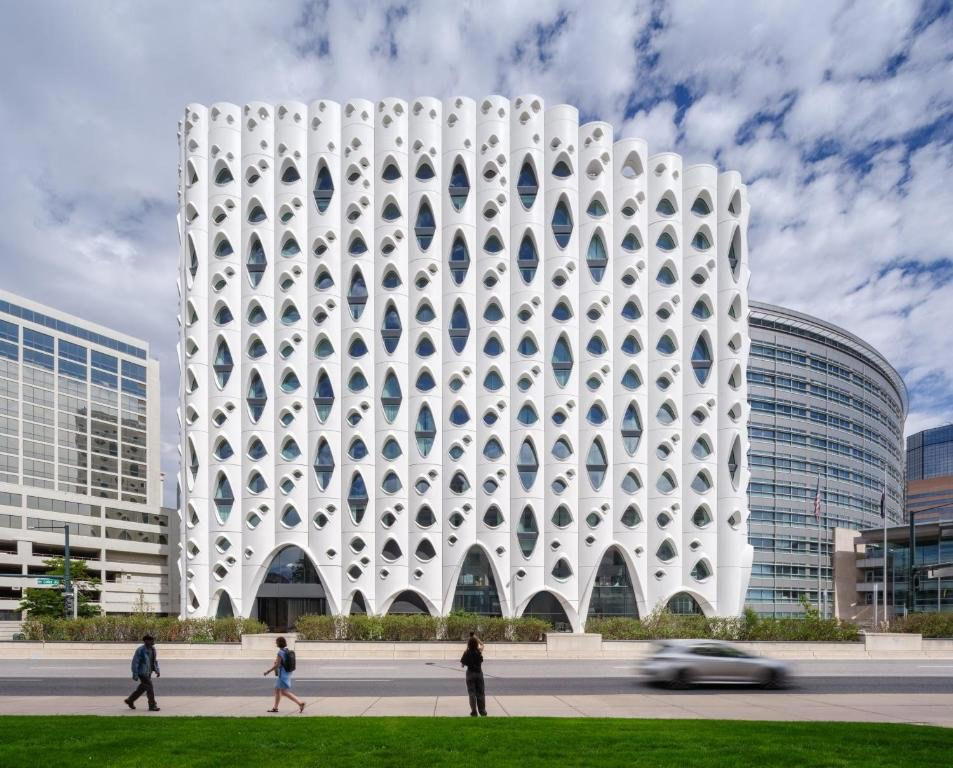
Where the Architecture Sets the Terms
Downtown Denver has a well-established hotel corridor, with properties ranging from the polished international comfort of the Four Seasons Denver to the adaptive reuse character of The Crawford Hotel at Union Station. Populus, which opened in 2024 at 240 14th Street, is a 4-star, 265-room hotel in Denver and the recipient of one Michelin Key. It occupies a different position in that set: its environmental credential is not incidental to the stay. It shapes everything from the shape of the windows to what happens to the food on your plate after the meal ends.
The building's exterior draws from Colorado's native aspen tree, and the design logic carries through without becoming a gimmick. The Aspen-eye-shaped windows, oval, slightly tilted, frame views of Denver and the Rocky Mountains in a way that standard rectangular glazing simply does not. From inside the 265 rooms, the Rocky Mountain skyline reads as something deliberately composed rather than incidentally present. That framing is the point: Populus was conceived to bring nature back into an urban setting, and the architecture makes the argument before a single conversation takes place.
The Biophilic Interior and What It Means at Meal Time
Biophilic design has become a loose marketing term in hospitality, applied to anything with a potted plant and a linen palette. At Populus, it operates at a more disciplined level. Natural and recycled materials run through the interiors, local flora appears throughout the public spaces, and the hotel commissions work from local artists rather than sourcing generic hospitality art. The detail that signals how seriously this is taken: birdsong plays in the elevators. That choice is either precisely calibrated or slightly absurd depending on your tolerance for sensory programming, but it is at minimum consistent,
The dining program extends that commitment in a measurable direction. Populus is the first hotel in downtown Denver to use Food Cycling technology, composting 100 percent of food waste on-site. For a 265-room hotel operating at scale, that is a logistical claim with real infrastructure behind it. The seasonal cuisine format follows from the same logic: a kitchen anchored to local sourcing has a different relationship with its menu than one drawing from a consolidated hospitality supplier.
The Pace and Format of Eating Here
Seasonal hotel dining in the Rocky Mountain region has developed a particular rhythm over the past decade. Properties like Sage Lodge in Pray and Post Ranch Inn in Big Sur have established a template where the kitchen's relationship to its immediate landscape becomes the organizing principle of the menu, with ingredients shifting as seasons turn and sourcing relationships with local producers driving what actually appears on the plate. Populus operates within that tradition, though it does so from a downtown Denver address rather than a remote wilderness setting, which changes the dynamic. The city is the context, and the hotel's biophilic architecture mediates between urban density and the natural world outside it.
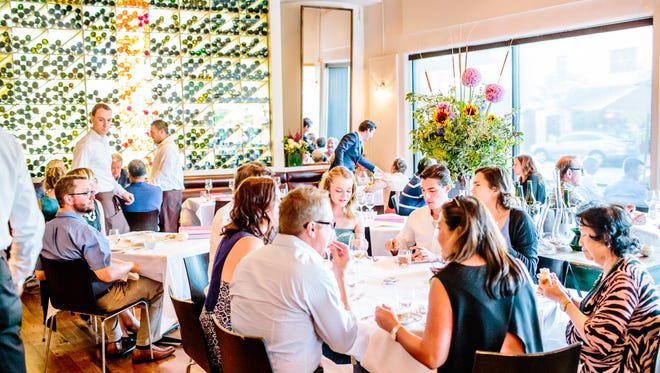
That mediation is most legible during meals. Eating at a carbon-positive property where food waste is processed on-site creates a closed-loop awareness that differs from a conventional hotel restaurant. The pacing is unhurried in the way that properties genuinely invested in their dining programs tend to be: the meal is not a service transaction between check-in and the next morning's departure, but a considered part of the overall stay.
Denver's Broader Hotel Context
Denver's premium hotel market has expanded significantly in recent years, with properties addressing different versions of what a high-end stay in the city should mean. The Clayton Hotel and Members Club operates on a members-first model that privileges local community access. Denver Union Station anchors its identity in the historic transit hub's architecture. The AC Hotel Denver Downtown and newer arrivals like Apiary Hotel and Apiary Residences address the design-conscious mid-tier. All Inn Hotel occupies a different register again.
Populus sits outside all of those comparable venues in one specific respect: its carbon-positive certification is a verifiable, first-in-the-nation credential, not a positioning claim. That places it in a national conversation about sustainable luxury that includes properties like SingleThread Farm Inn in Healdsburg and Canyon Ranch Tucson, where the environmental and wellness commitments are structural rather than decorative. The difference at Populus is the urban setting: achieving carbon-positive status in a downtown location with 265 rooms requires a different set of interventions than doing so on a rural property with more land and fewer operational constraints.
For guests whose travel priorities include environmental accountability alongside comfort, that distinction matters. Its price tier places Populus in Denver's premium market, below the ceiling set by the Four Seasons but above the volume-focused downtown market.
Planning Your Stay
Populus opened in 2024, and its operational rhythms are still establishing themselves relative to properties with longer track records. The 265-room count gives it genuine scale, but the combination of a distinctive architectural identity, a first-in-nation sustainability credential, and a downtown Denver address that serves both leisure and corporate travelers means demand does not rely on a single segment. Within Denver itself, the 14th Street address places Populus within easy reach of the city's core cultural and dining infrastructure.
Standing Among Peers
Comparable venues nearby, for context on price, style, and recognition.
| Venue | Cuisine | Price | Awards | Notes |
|---|---|---|---|---|
| PopulusThis venue — the venue you are viewing | Sustainable urban nature retreat | $$$$ | Michelin 1 Key | Not listed |
| Clayton Hotel & Members Club | Boutique luxury hotel integrated with private members club | $$$$ | Michelin 1 Key | Cherry Creek |
| The Crawford Hotel | Historic luxury boutique in restored train station | $$$$ | Michelin 1 Key | LoDo |
| Four Seasons Denver | Contemporary luxury urban resort | $$$$ | Michelin 1 Key | Central Business District |
| The Brown Palace Hotel and Spa, Autograph Collection | Historic luxury hotel blending Renaissance Revival architecture with contemporary accents | $$$$ | 4-Star | Central Business District |
| Gravity Haus Denver | Urban oasis blending hospitality and social club vibes | $$$$ | 4-Star | Highland |
Recognition history
Dated appearances from independent guides and award organizations, with the underlying list record or original source where available.
AFAR Best New Hotels
AFAR
Architectural Digest 2025 Architectural Digest Great Design Hotel Award Winners
Architectural Digest
Esquire Best New Hotels
Esquire
Michelin 1 Key
Michelin
National Geographic Hotel Awards Winner
National Geographic
Continue exploring
More in Denver
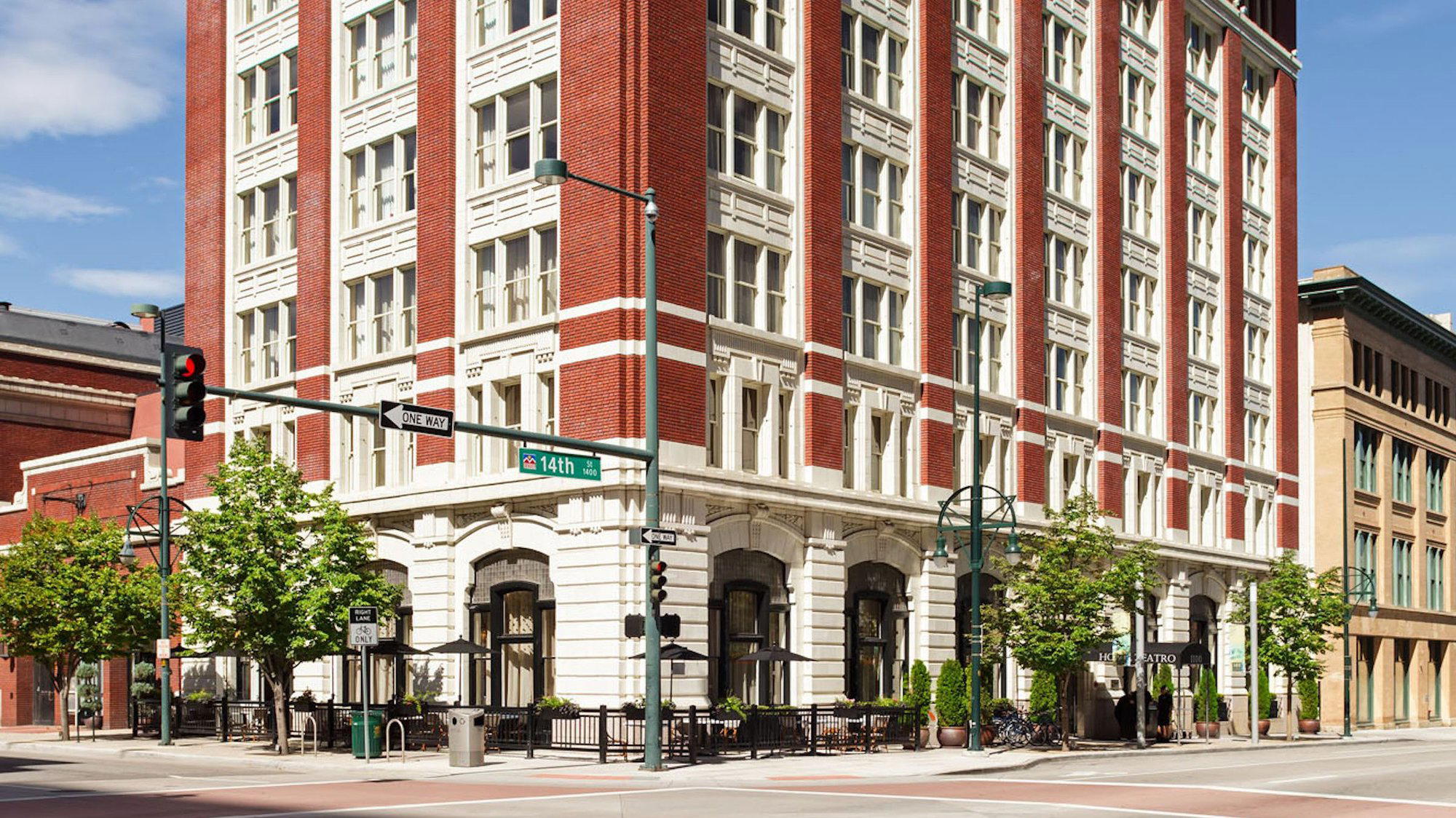
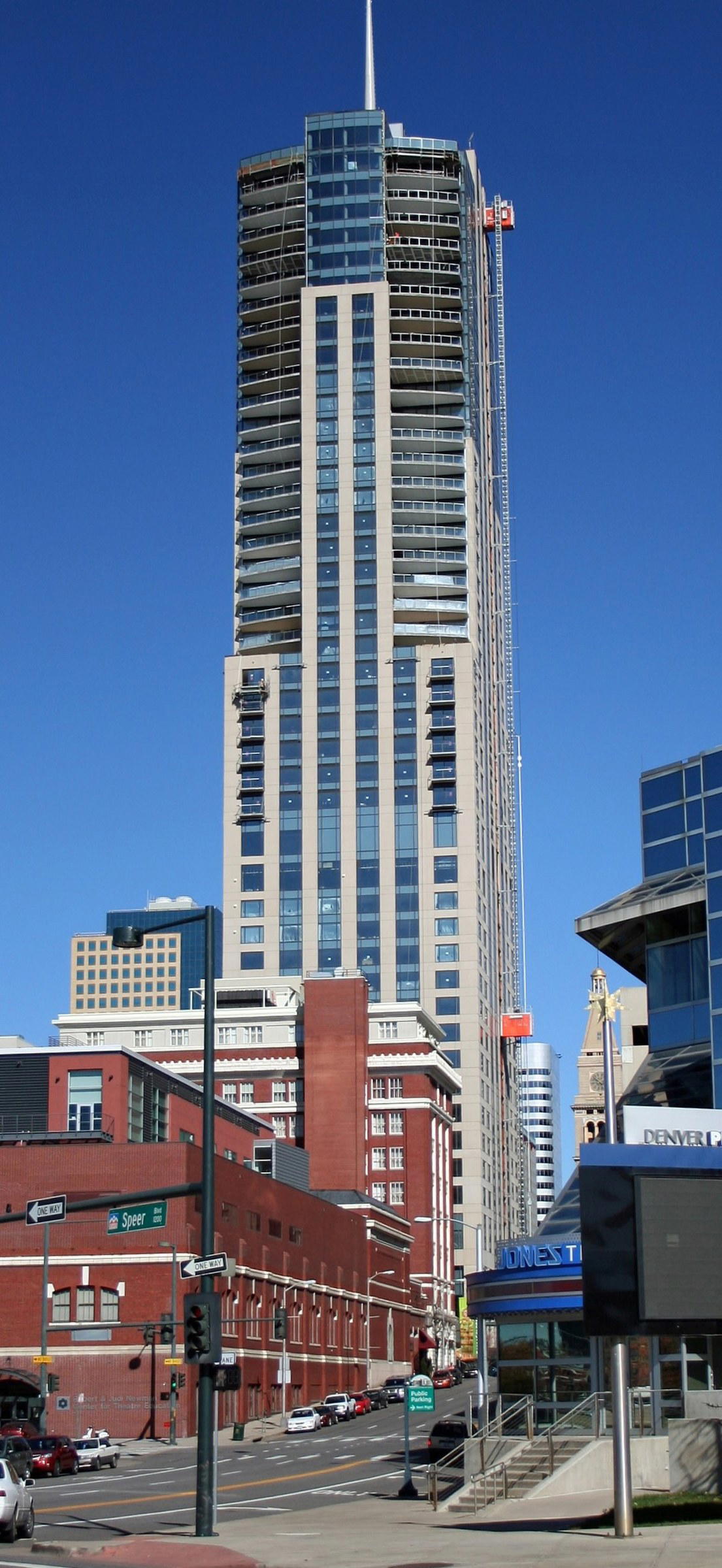
Hotels in Denver
Browse all →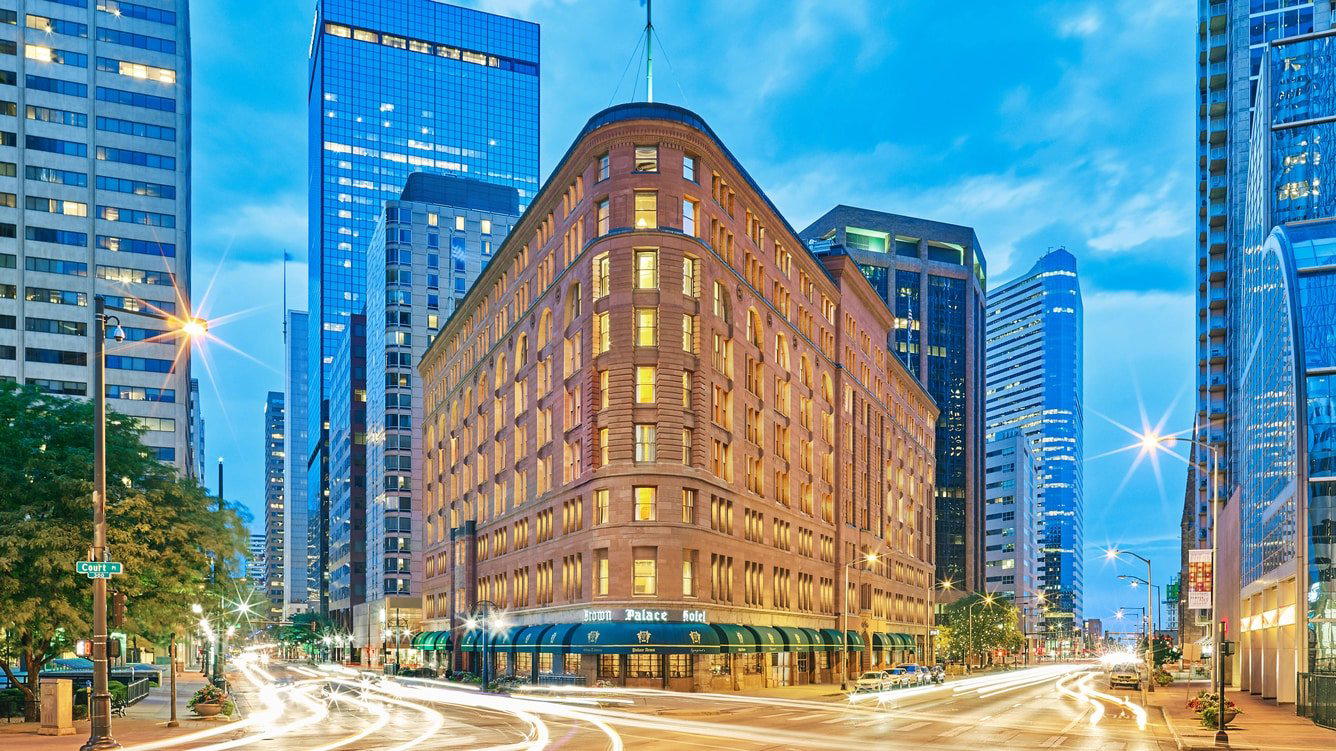
Bars in Denver
Browse all →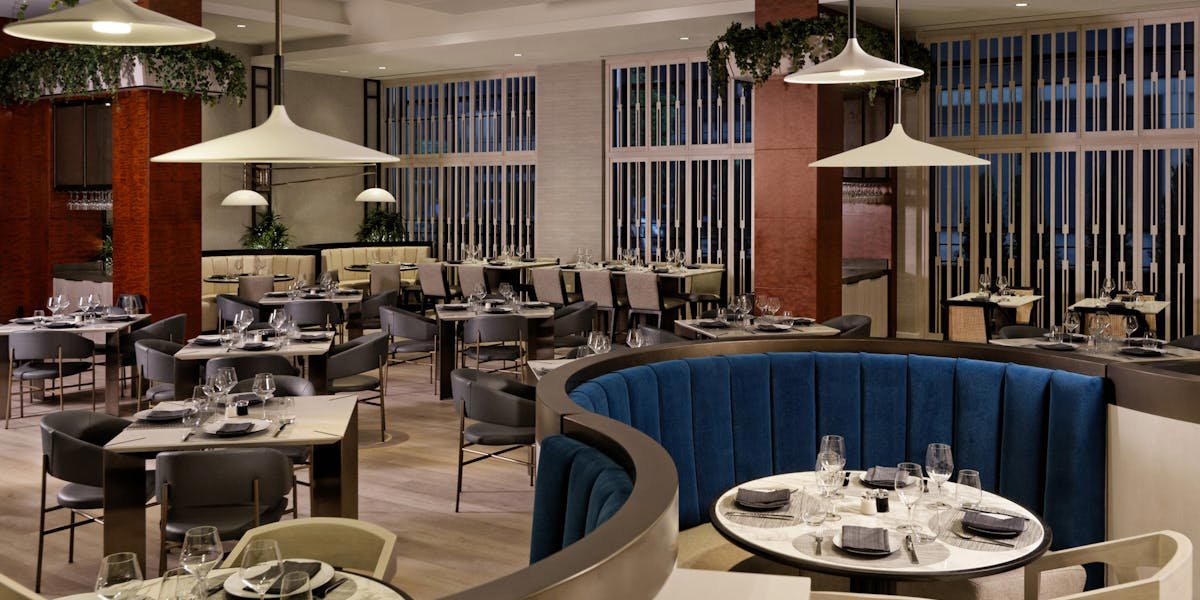
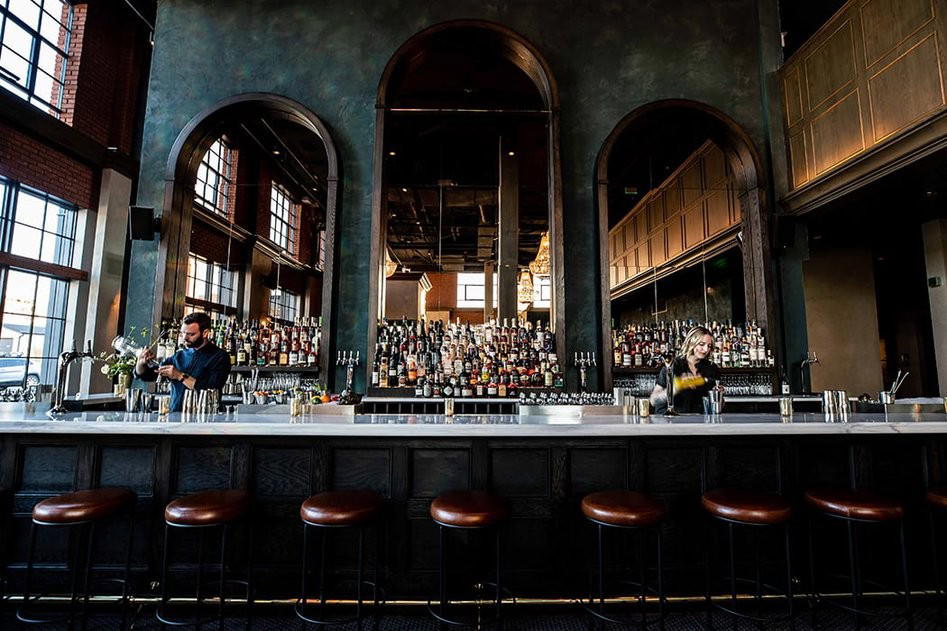
Restaurants in Denver
Browse all →

At a Glance
- Modern
- Elegant
- Scenic
- Sophisticated
- Minimalist
- Romantic Getaway
- Business Trip
- Weekend Escape
- Rooftop Pool
- Panoramic View
- Terrace
- Design Destination
- Wi Fi
- Fitness Center
- Room Service
- Concierge
- Valet Parking
- EV Charging
- Skyline
- Mountain
- Wi Fi
- Fitness Center
- Room Service
- Concierge
- Valet Parking
- EV Charging
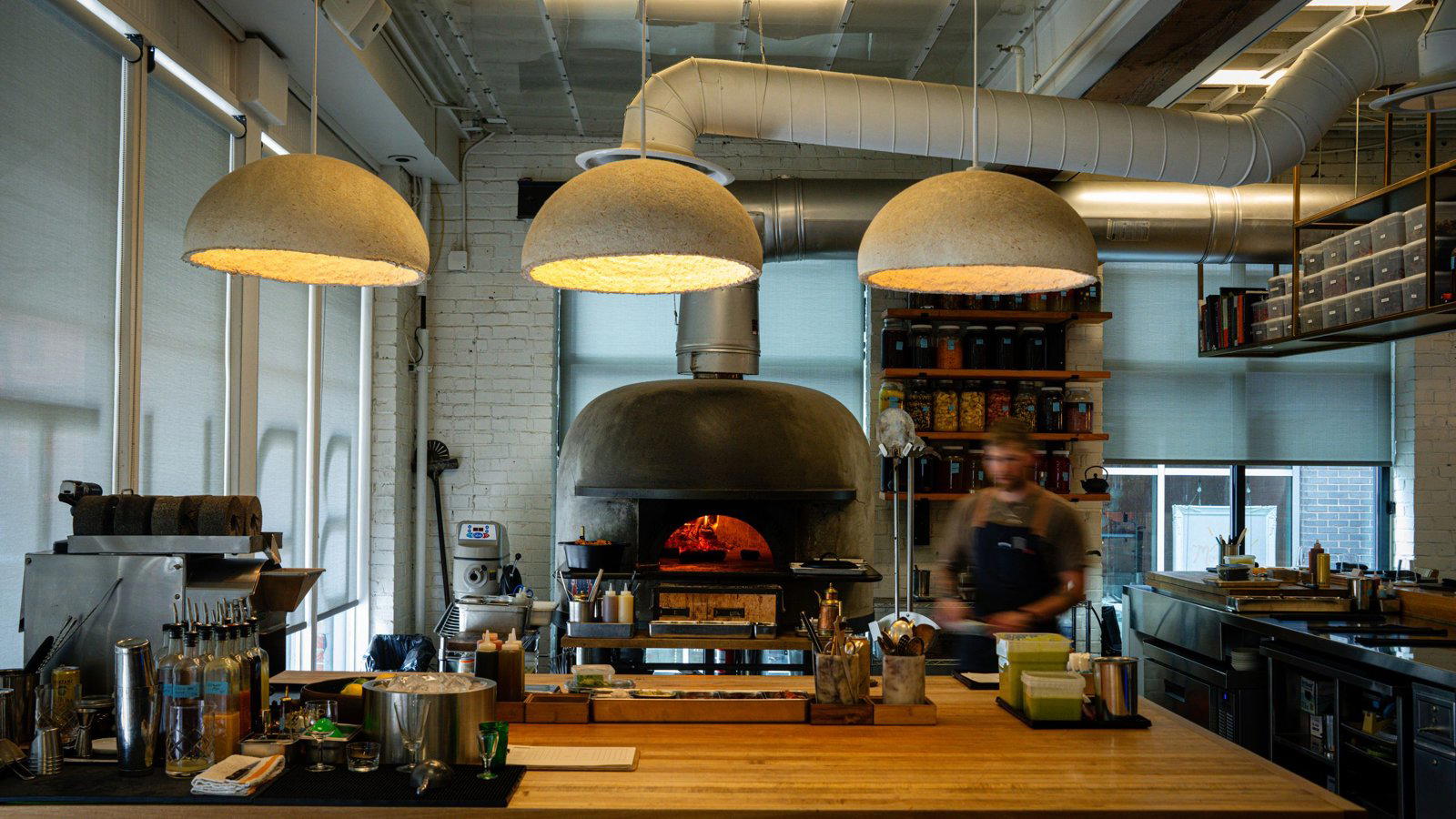
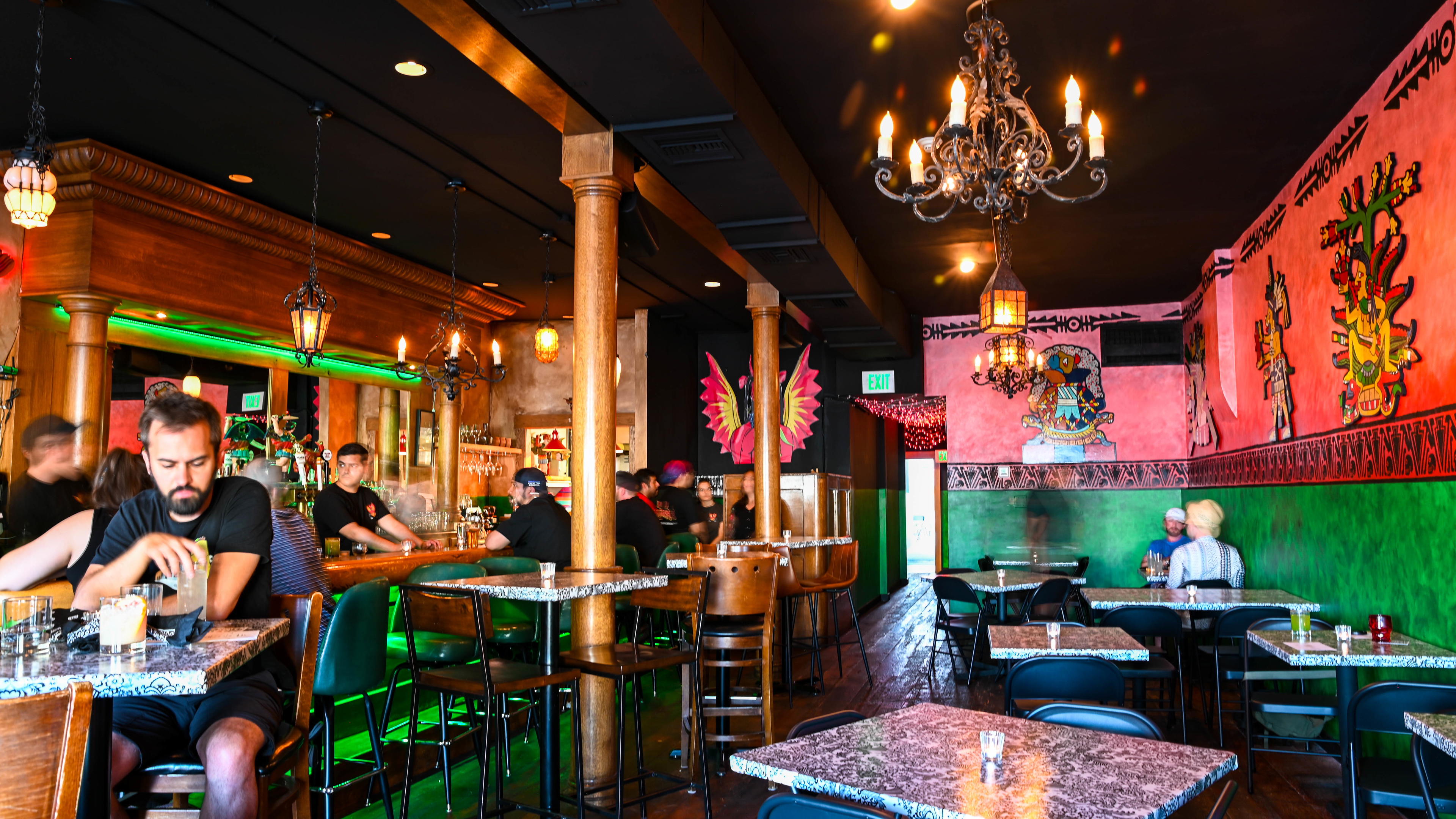
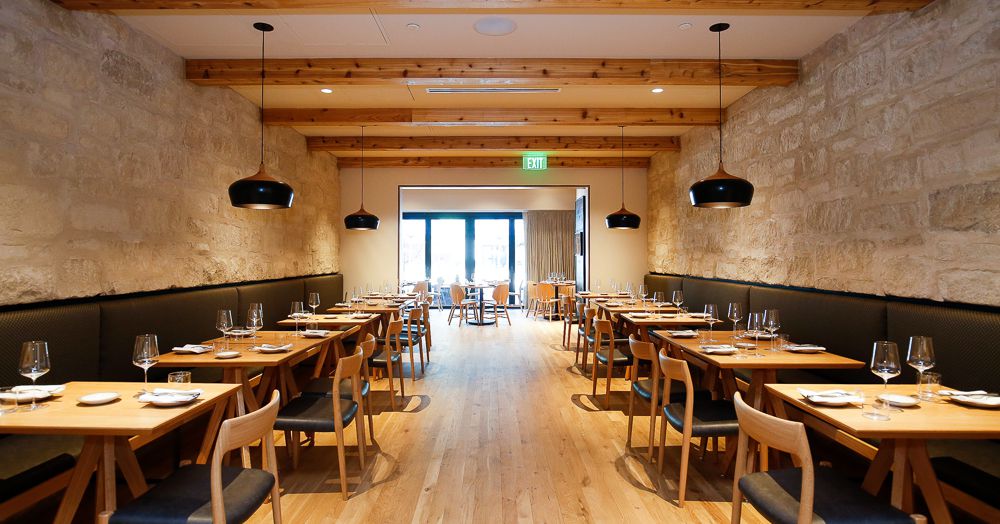
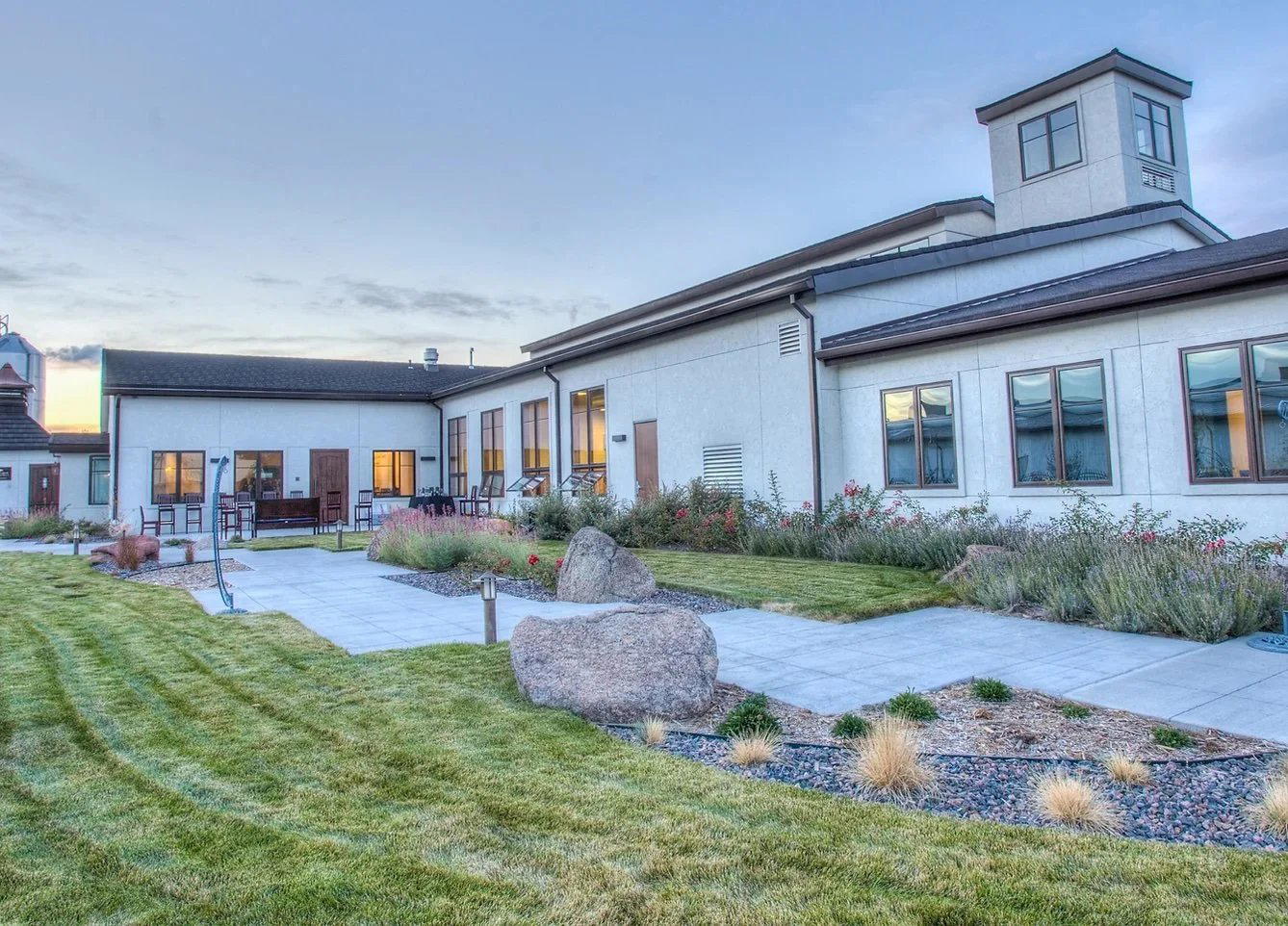
Nature-inspired with calming tones, natural light from distinctive aspen-eye windows, soft greens and terracotta hues, evoking a serene forest atmosphere amid the city.