Kizaki




1 Michelin Star · James Beard Award Semi Finalist · Esquire Best New Restaurants
Our verdict
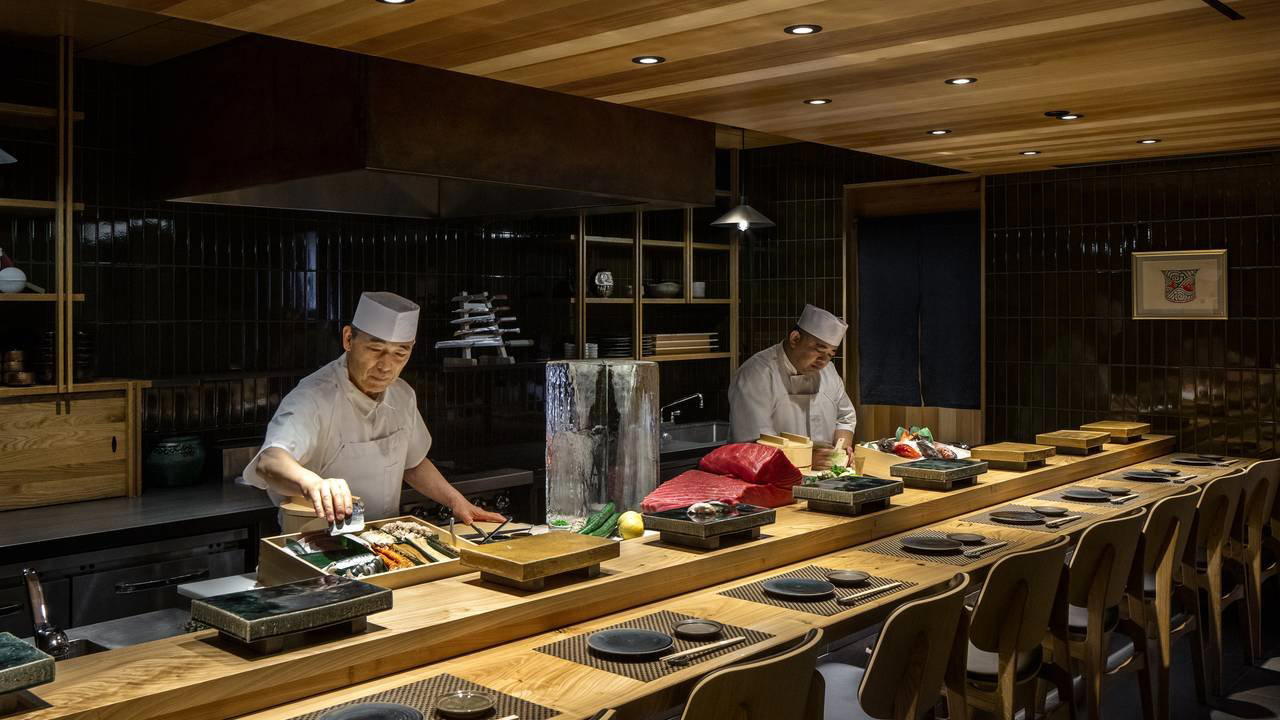
Chef Toshi Kizaki's Michelin-starred omakase counter on South Pearl Street represents a career-defining commitment to edomae tradition, with an approximately 20-course menu spanning raw, cured, seared, and dry-aged fish preparations. After more than four decades shaping Denver's Japanese dining scene, Kizaki now operates at a different register entirely, placing the city on the map for serious omakase.

Pearl is the En Primeur Club membership app — saves, bookings, and concierge access live there. Same editors, same standards.
- Address
- 1551 S Pearl St, Denver, CO 80210
- Phone
- (720) 512-2753
- Hours
- Mon–Tue ClosedWed–Sat 5–10 PMSun Closed
- Website
- denchukizaki.com
- Directions
- Get directions
- Booking
- Book on OpenTable
The menu
What to order
- Unryu Tofu
- Black Throat Sea Perch
- Bluefin Toro
Denver's Omakase Tier Shifts Upward
For most of its restaurant history, Denver occupied a respectable but secondary position in the national fine-dining conversation. That positioning has changed in the past several years, with a cluster of Michelin-recognised addresses — among them Brutø, The Wolf's Tailor, and Alma Fonda Fina — establishing the city as a place where serious critics pay attention. Kizaki sits at the apex of that shift.
That framing matters. Edomae, the Tokyo-rooted tradition of preparing fish through controlled techniques rather than simply serving it raw, is an exacting discipline. The leading counters applying this tradition, whether in New York (Atomix represents the broader Korean-Japanese fine-dining wave in that city), San Francisco (Lazy Bear operates in an analogous spirit of long-format seasonal precision), or the dedicated sushi-ya of Japan itself, share certain commitments: ingredient provenance treated as a non-negotiable, fish aged or cured to a specific textural window, and a counter format that makes the chef's process visible. Kizaki checks each of those requirements.
What the Michelin Star Signals Here
A Michelin star awarded in a mid-sized American city means something slightly different than one awarded in New York or Chicago (Alinea) or in a destination-dining region like Napa (The French Laundry). In those markets, stars exist within a dense competitive field, and the threshold is calibrated accordingly. In Denver, where the Michelin Guide made its debut relatively recently, the early cohort of starred restaurants carries additional weight as proof of concept. Kizaki earning that recognition for an omakase format is notable precisely because omakase is the format hardest to fake: the counter is small, the chef is in full view, and the menu's entire logic depends on technical honesty.
Chef Toshi Kizaki has operated in Denver's Japanese dining scene for more than four decades. That duration is a credential in itself, not as nostalgia but as evidence of sustained market presence and the trust that accumulates over a long career. The decision to open a dedicated omakase counter, with the scrutiny and booking discipline that format demands, at this stage of that career places Kizaki in a category occupied by very few American chefs. Compare the trajectory to institutions like Le Bernardin in New York City or Single Thread Farm in Healdsburg, where decades of craft accumulate toward a single, distilled expression of what the chef knows. This counter is that expression for Kizaki.
The Menu: Edomae Logic Applied to an Approximately 20-Course Arc
The approximately 20-course menu moves through a range of preparations that the edomae tradition sanctions and the better American omakase counters have adopted: raw, cured, seared, and dry-aged. Each technique addresses a different quality in the fish. Dry-aging concentrates flavor and changes texture in a way that straight sashimi cannot achieve. Curing with rice vinegar, a technique directly inherited from pre-refrigeration Edo-period practice, adds acidity and adjusts the protein structure. Searing creates a thin rendered layer that changes the aromatic profile entirely. A menu that moves through all four registers is not showing off variety for its own sake; it is demonstrating a complete technical vocabulary.
The sourcing reflects that vocabulary's demands. Black-throat sea perch, known in Japan as nodoguro, is a high-value catch prized for its fat content and appears on the menu lightly seared. Gizzard shad (kohada), a vinegar-accented preparation that functions as a classical benchmark in edomae tradition, is another marker on the menu. These are not casual inclusions. Kohada in particular is a fish that the leading Tokyo omakase counters use as a litmus test for technical precision; its balance of acidity and fishiness is easy to get wrong and difficult to calibrate correctly. Its presence at Kizaki, prepared with vinegar accentuation, signals alignment with those standards.
Menu also incorporates small dishes alongside the nigiri sequence, including preparations like sesame tofu with a black-and-white marbling that indicates careful, technique-forward kitchen work. This interplay between composed small plates and the nigiri progression is consistent with the format used at the most disciplined omakase counters in the country.
Where Kizaki Sits in Denver's Fine-Dining Map
Denver's Michelin-recognised restaurants span a wide range of formats and price tiers. Alma Fonda Fina delivers Michelin-level precision in a Mexican format at a lower price register. Beckon operates in a tasting menu format with a contemporary American frame. Annette represents a more accessible entry point. Kizaki occupies a different position: the $$$$ price tier and omakase format make it the most demanding reservation in the city, in both cost and the attention it requires from a diner. It belongs to the same rare-air category as places like Emeril's in New Orleans or 8½ Otto e Mezzo Bombana in Hong Kong: chef-led institutions where a career's worth of technical discipline is the product being sold.
The South Pearl Street address places the counter in a residential-commercial corridor with an established dining culture, rather than in a hotel or high-rise development. That location choice is consistent with the format: omakase counters designed for repeat serious diners tend to avoid the noise and visual competition of high-traffic tourist zones.
Planning Your Visit
Kizaki prices at the $$$$ tier, placing it at the top of Denver's restaurant price range and in the same bracket as the city's other Michelin-starred tasting menu addresses. The omakase format means there is no à la carte alternative: guests commit to the full approximately 20-course progression, which is the only way the menu's technical arc makes sense. Given the Michelin recognition and the intimate counter format, advance booking is the operative assumption, walk-in availability is not a reasonable expectation at a counter operating at this level of recognition and demand. Anyone planning a broader Denver visit can use our full Denver restaurants guide, our full Denver hotels guide, our full Denver bars guide, our full Denver wineries guide, and our full Denver experiences guide to build around the reservation.
Frequently asked questions
What does dinner at Kizaki typically cost?
Pricing at Kizaki is listed as $$$$.
Do they take walk-ins at Kizaki?
Walk-ins are structurally incompatible with a Michelin-starred omakase format. Kizaki runs a fixed-seat counter at the $$$$ tier on South Pearl Street, and the 20-course service requires confirmed headcounts well in advance. Advance reservations are the only reliable way to secure a seat, and demand in Denver has sharpened since Michelin's arrival in the city.
Peers Worth Knowing
| Venue | Cuisine | Price | Awards | Notes |
|---|---|---|---|---|
| KizakiThis venue — the venue you are viewing | Edomae Omakase Sushi | $200–300 | 1 Michelin Star · James Beard Award Semi Finalist | Not listed |
| The Wolf's Tailor | Modern Fusion Tasting Menu | $150–200 | 2 Michelin Stars · La Liste Top Restaurants | New American, Contemporary |
| Tavernetta | Contemporary Italian | $50–100 | Michelin Bib Gourmand · Star Wine List | Italian |
| Brutø | Contemporary American Tasting Menu | $150–200 | 1 Michelin Star · Star Wine List | Contemporary |
| Alma Fonda Fina | Modern Mexican Fine Dining | $50–100 | 1 Michelin Star · World's 50 Best #45 | Mexican |
| Safta | Modern Israeli & Mediterranean Small Plates | $50–100 | Michelin Plate · Star Wine List | Israeli Cuisine |
Recognition history
Dated appearances from independent guides and award organizations, with the underlying list record or original source where available.
Michelin 1 Star
Michelin
James Beard Award Semi Finalist
James Beard Award
Esquire Best New Restaurants
Esquire
OpenTable Top 100 Restaurants
OpenTable
Full recognition history (5 entries)
Michelin 1 Star
Michelin
Continue exploring
More in Denver
Restaurants in Denver
Browse all →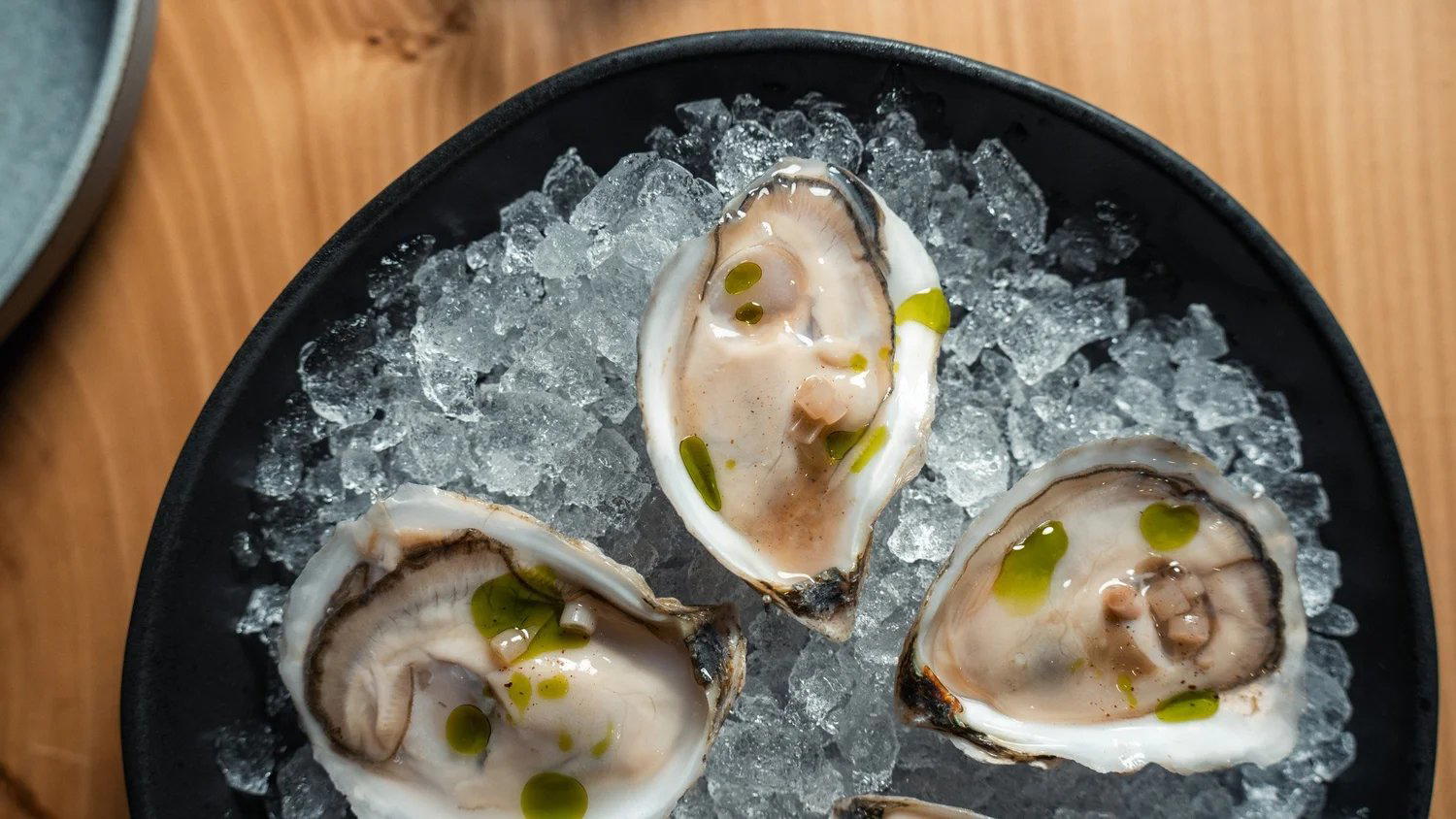
Bars in Denver
Browse all →
Hotels in Denver
Browse all →
Details
- Intimate
- Elegant
- Sophisticated
- Minimalist
- Special Occasion
- Date Night
- Chefs Counter
- Sake Program
- Craft Cocktails
- Omakase
- Counter Dining
- Sake
- Cocktails
- Pescatarian Friendly
Current opening hours
- Monday
- Closed
- Tuesday
- Closed
- Wednesday
- 5–10 PM
- Thursday
- 5–10 PM
- Friday
- 5–10 PM
- Saturday
- 5–10 PM
- Sunday
- Closed
Hours can change for holidays and private events. Last verified .
Dimly lit, warm lighting on bamboo and wood counter creating an intimate Tokyo-style sushi bar atmosphere.