The Plimoth
Our verdict
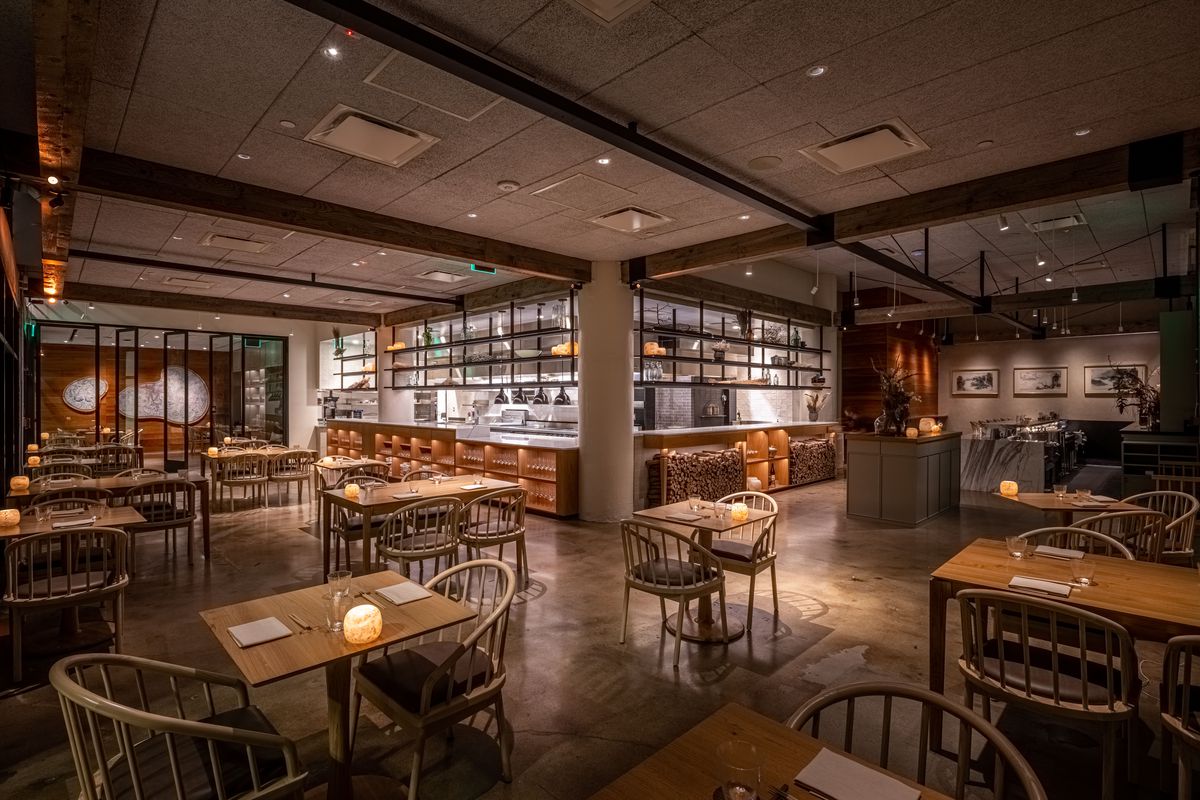
The Plimoth serves modern American with European influences at 2335 E 28th Ave, with a sommelier-led wine list and leisurely dinner pacing.

Pearl is the En Primeur Club membership app, where members save venues, book tables and use the concierge.

The menu
What to order
- Cracklin' Chicken
- Pork Rillette
- Brussels Sprouts with Hazelnut Dukkha
- Spanish Octopus Curry
On East 28th Avenue, Where Sourcing Does the Talking
The stretch of East 28th Avenue that runs through Denver's Cole neighborhood doesn't announce itself. There are no valet queues, no awnings with serif typography pressed into brass. The Plimoth, at 2335 E 28th Ave, occupies a low-key position on a residential-commercial edge that has become increasingly interesting as Denver's dining scene has moved away from downtown anchors toward neighborhood rooms with a clearer point of view. That geographic choice carries a statement: the food here is meant to earn attention, not borrow it from a flashier address.
Denver's serious restaurant tier has expanded considerably over the past decade. The city's altitude and agricultural adjacency have pushed a cohort of chefs toward ingredient-led cooking that would have been harder to sustain, or harder to sell, a generation ago. The Plimoth operates within this cohort, in a neighborhood that rewards regulars more than first-time visitors arriving with a checklist.
The Sourcing Argument
The broader shift in American restaurant culture over the past fifteen years has made ingredient provenance a central editorial concern. At the highest tier, places like Blue Hill at Stone Barns in Tarrytown or Single Thread Farm in Healdsburg, the sourcing story is essentially the menu. Guests at those tables understand that what they're paying for is as much the supply chain and the land relationship as it is the plate. That model has filtered into city-based restaurants at a different scale, where the sourcing claim has to be credible without the surrounding acreage to demonstrate it.
Colorado's agricultural calendar gives Denver kitchens a specific toolkit. The Front Range and Western Slope produce lamb, bison, stone fruit, root vegetables, and heritage grains with enough regional identity to support a localist cooking argument. The challenge for any Denver restaurant making that argument is selectivity: sourcing from nearby producers requires relationships, volume commitments, and menus flexible enough to move with harvest timing. The kitchens that do this well, including those in The Plimoth's neighborhood tier, tend to run shorter menus that change with more frequency rather than maintaining a static card built around year-round availability.
At the national level, the restaurants that have made ingredient sourcing most credible, Providence in Los Angeles with its sustainable seafood sourcing, Le Bernardin in New York City with its direct fishing relationships, do so by making the supply chain a visible part of the guest experience, not just a footnote on the menu. The question for a neighborhood room in Cole is how much of that transparency translates to a smaller, less ceremonially structured format.
Where The Plimoth Sits in Denver's Dining Geography
Cole and the surrounding Five Points corridor have attracted a different kind of restaurant operator than LoDo or RiNo. The price-to-rent dynamic allows for smaller, more personal operations that can take creative risks without the volume pressure of a downtown room. Annette and Alma Fonda Fina both work within a similar neighborhood logic: thoughtful food in spaces that prioritize the regulars who return over the tourists who arrive once. The Plimoth at 2335 E 28th Ave positions itself within this pattern.
The comparison table below places The Plimoth against its closest Denver peers on the dimensions that matter for planning a visit.
| Venue | Neighborhood | Price Tier | Format | Booking Difficulty |
|---|---|---|---|---|
| The Plimoth | Cole / E 28th Ave | Not confirmed | Neighborhood dining room | |
| The Wolf's Tailor | Baker | $$$$ | Tasting / à la carte | Books weeks ahead |
| Brutø | RiNo | $$$$ | Contemporary tasting | High demand |
| Beckon | Congress Park | $$$$ | Set menu | Advance booking required |
| Alma Fonda Fina | Five Points | $$ | À la carte Mexican | Moderate |
The National Frame
Denver's position in American dining has shifted. A decade ago, the city's serious restaurants were measured primarily against the Mountain West. Now the comparison set runs wider. Kitchens like Alinea in Chicago, The French Laundry in Napa, and Addison in San Diego set a national baseline for what a serious American tasting experience can look like. Denver's top tier doesn't mirror those formats directly, but it has absorbed their core insistence: that the sourcing story, the technical execution, and the hospitality model all need to be coherent rather than incidental.
Internationally, the same pressure applies. Restaurants like Atomix in New York and 8 1/2 Otto e Mezzo Bombana in Hong Kong demonstrate that a clear sourcing and cultural identity, executed at a high technical level, travels. Denver kitchens in The Plimoth's neighborhood tier are working within a smaller register, but the logic is the same: a defined point of view, consistently executed, builds the kind of reputation that outlasts any single media cycle. See our full Denver restaurants guide for broader context on how this neighborhood tier fits the city's dining geography.
For reference on what ingredient-sourcing narratives look like at American restaurants with fully documented programs, Emeril's in New Orleans and Lazy Bear in San Francisco offer contrasting models: one built on regional culinary identity at scale, the other on a communal dinner format that foregrounds producer relationships. The Inn at Little Washington in Virginia represents a third model, where the sourcing story is embedded in the property's broader hospitality identity. The Plimoth's neighborhood format sits closer to the Lazy Bear end of that spectrum: smaller, more direct, less dependent on ceremony to make its case.
Planning a Visit
The Plimoth is located at 2335 E 28th Ave, Denver, CO 80205, in the Cole neighborhood. The neighborhood is accessible by car with street parking typical of the area; the 28th Avenue corridor is a short drive from RiNo and the broader Five Points district.
Frequently asked questions
Where is The Plimoth in Denver?
The Plimoth is located at 2335 E 28th Ave, Denver, CO 80205, Denver.
Is The Plimoth a good option for a dinner that avoids the RiNo and LoDo crowds?
The Plimoth's address at 2335 E 28th Ave places it squarely in Cole, a neighborhood that draws a different dining demographic than Denver's busier corridors. Operators in this part of the Five Points area have historically attracted locals and food-focused visitors who prioritize sourcing and kitchen focus over scene. It represents a deliberate departure from the high-volume, high-visibility model that defines much of central Denver dining.
What do people recommend at The Plimoth?
Specific dish guidance is best sourced directly from the venue or recent diners, since confirmed menu details aren't locked into public record. What the Cole neighborhood context establishes is that restaurants operating on East 28th Avenue in Denver's Five Points corridor tend to anchor their menus around seasonal, locally sourced ingredients. Ask your server what's driving the kitchen that week.
How hard is it to get a table at The Plimoth?
Confirmed booking difficulty data isn't available, but Denver's stronger neighborhood rooms in the Cole and Five Points corridor do fill on weekends. Calling ahead or checking the venue directly at 2335 E 28th Ave is the most reliable approach until a booking channel is confirmed.
What is The Plimoth known for?
The Plimoth operates in Denver's Cole neighborhood, a corridor that has drawn ingredient-conscious restaurant operators precisely because the price-to-rent dynamic allows tighter sourcing margins than higher-profile districts like LoDo or RiNo. That positioning signals a kitchen focused on provenance over spectacle.
How does The Plimoth handle allergies?
Denver neighborhood restaurants at this tier generally handle dietary requirements through direct server communication rather than printed substitution menus. Contact the venue before your reservation to confirm specific accommodations.
Does The Plimoth justify its prices?
What the Cole neighborhood context suggests is that operators here typically price closer to ingredient cost reality than to the inflated margins common in Denver's central entertainment districts, making value a reasonable expectation rather than a marketing claim.
Fast Comparison
Comparable venues nearby, for context on price, style, and recognition.
| Venue | Cuisine | Price | Awards | Notes |
|---|---|---|---|---|
| The PlimothThis venue (the venue you are viewing) | Modern American with European Influences | $50–100 | Not listed | Not listed |
| Former Saint Craft Kitchen and Taps | Contemporary Colorado American | $30–50 | Not listed | Central Business District |
| Fruition Restaurant | Modern American Farm-to-Table | Not listed | Not listed | Country Club |
| Apple Blossom | Modern American with Southern Twists | $30–50 | Wine Spectator Award of Excellence | Ballpark |
| The Grand Atrium at The Brown Palace | Classic American Afternoon Tea | Not listed | Not listed | Central Business District |
| The Ponti at Denver Art Museum | Modern Contemporary American | Not listed | Not listed | Civic Center |
Continue exploring
More in Denver
Restaurants in Denver
All restaurants in Denver →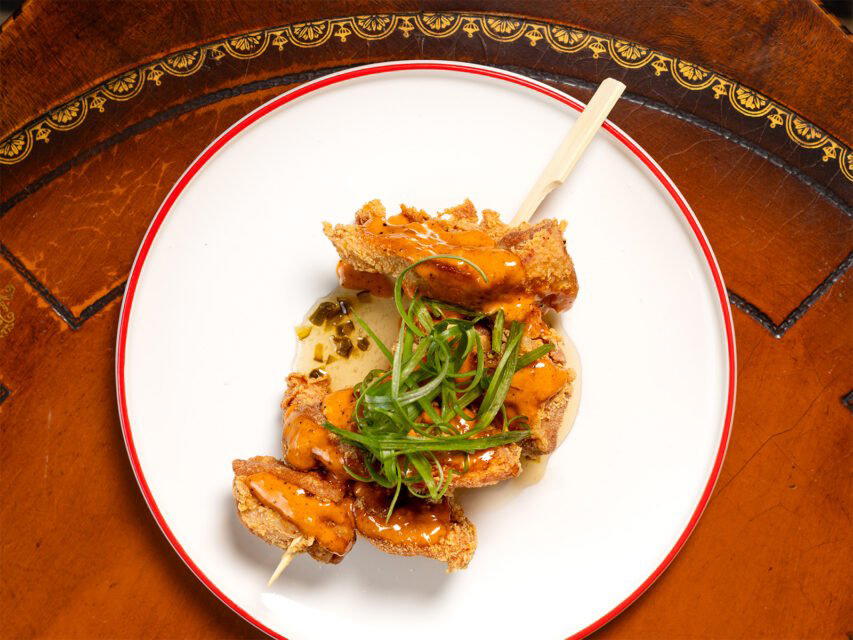
Bars in Denver
All bars in Denver →


Details
- Cozy
- Lively
- Intimate
- Elegant
- Date Night
- Group Dining
- Special Occasion
- Celebration
- Standalone
- Open Kitchen
- Extensive Wine List
- Sommelier Led
- Farm To Table
- Local Sourcing
- Organic
- A La Carte
- Prix Fixe
- Wine Pairings
- Regional Wine Selections
- Vegetarian Friendly
- Organic Focus
Current opening hours
- Monday
- Closed
- Tuesday
- Closed
- Wednesday
- 5–9 PM
- Thursday
- 5–9 PM
- Friday
- 5–9 PM
- Saturday
- 5–9 PM
- Sunday
- Closed
Hours can change for holidays and private events. Hours as of .
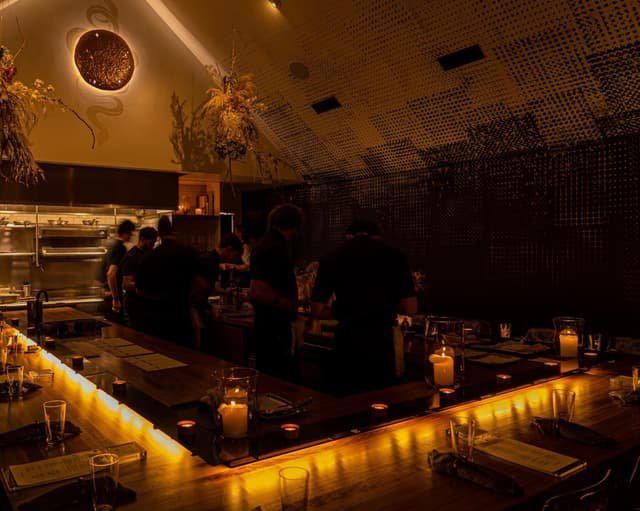
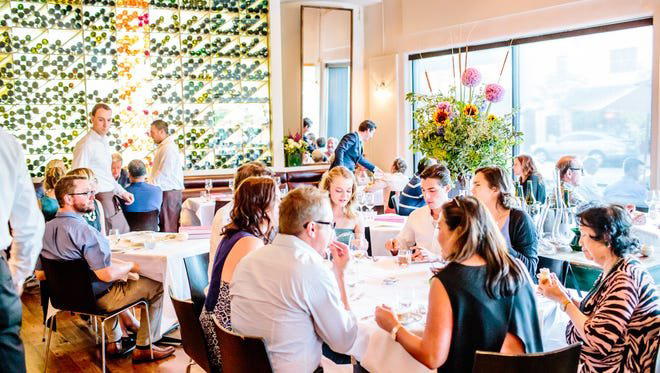
Warm, bustling neighborhood atmosphere with friendly service; can become crowded and noisy when full, creating an energetic dining environment reminiscent of dining at a friend's home.