Mar Bella Boqueria
Mar Bella Boqueria brings Boqueria-style Spanish cooking to Denver's dining scene, working within a tradition that prizes live fire, market-driven ingredients, and the kind of shared-table format that defines Spain's mercado culture. The restaurant sits in a city whose appetite for serious European reference points has grown considerably alongside its broader culinary ambitions.
Pearl is the En Primeur Club membership app — saves, bookings, and concierge access live there. Same editors, same standards.
- Address
- Denver, United States
- Website
- marbellawinebar.com
 Saves & bookings on Pearl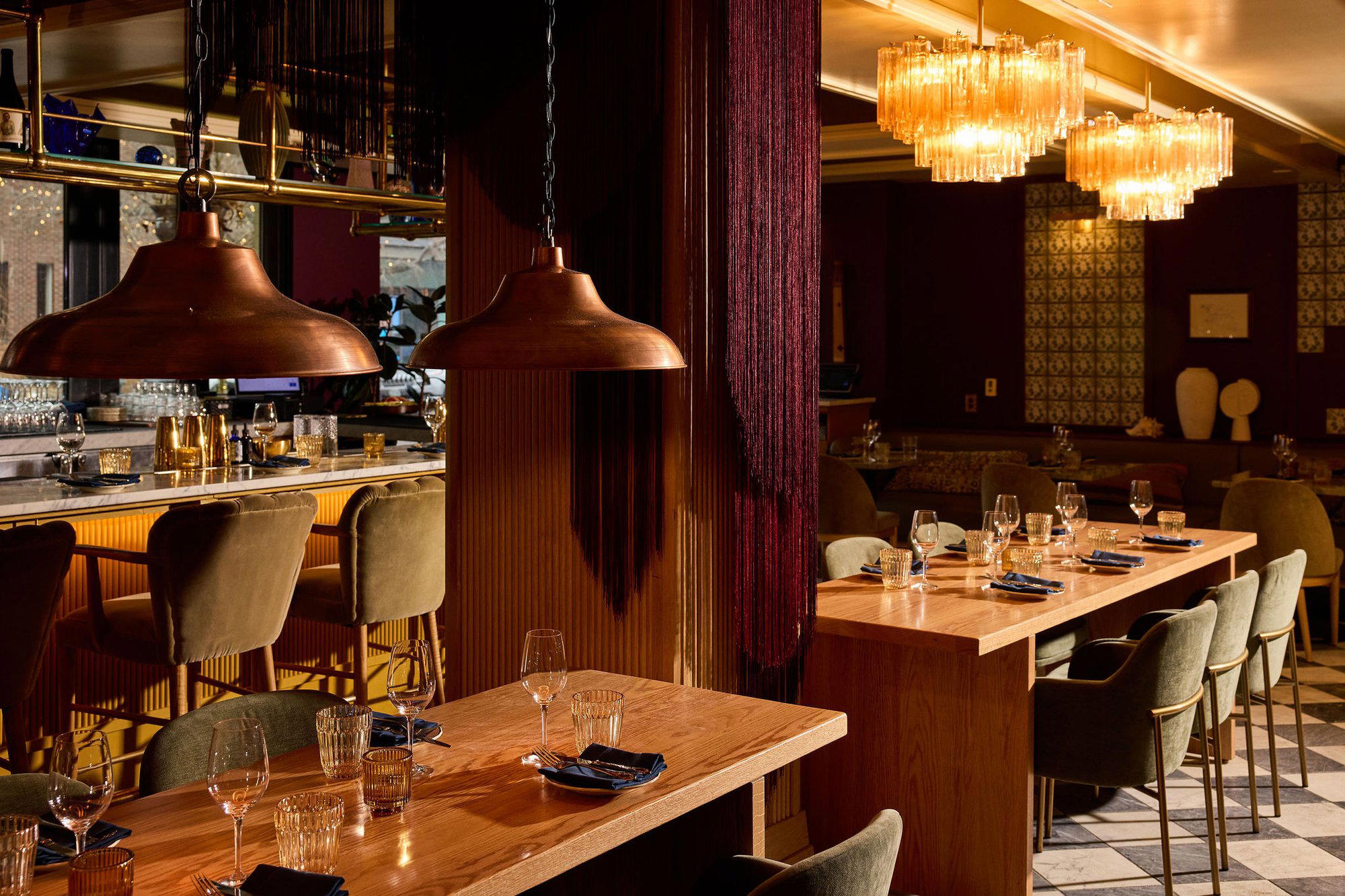
Fire, Market, and the Spanish Grill Tradition in Denver
The asador tradition in Spain is not about spectacle. It is about restraint: a well-managed fire, a whole animal or a precisely cut piece of fish, and the discipline to leave technique visible rather than hidden beneath sauce. That cooking logic, sourced from the Basque grill masters of the Rioja Alavesa and the wood-fired kitchens of Castile, is what gives Boqueria-style restaurants their structural identity when they travel. Mar Bella Boqueria is a restaurant in Denver serving Spanish Neo-Bistro Tapas and Omakase, priced at about $75 per person. It works within that lineage, arriving in a city that has spent the past decade building a dining culture genuinely capable of sustaining it.
Denver's Spanish restaurant tier is thin compared to its Italian or Mexican offerings. That gap matters because it shapes what Mar Bella Boqueria is competing against. While the city has strong contemporary operators, Brutø and The Wolf's Tailor hold the serious end of the contemporary bracket at $$$$, and Alma Fonda Fina and Annette anchor the more accessible tier, the specifically Spanish, market-hall format remains underrepresented. That structural gap is precisely where a Boqueria-concept has room to operate with some authority.
The Boqueria Format and What It Actually Means
La Boqueria in Barcelona is a reference point, not a template. The market-hall dining culture it represents, counter seating, shared plates, product sourced at the stalls surrounding you, evolved over centuries as a practical response to how Spanish cities fed themselves. When restaurants take that format and translate it outside Spain, the honest ones retain its core logic: the menu follows what is available, portions are designed for sharing, and the room rewards lingering. The less honest versions take the aesthetic and discard the discipline.
What distinguishes the Boqueria format from generic tapas is the emphasis on product transparency. In a functioning mercado context, you can see where the octopus came from, how the jamón was cut, what the season looks like. Translated to a restaurant setting, that same ethic tends to produce shorter menus, closer supplier relationships, and a cooking approach that does not over-process ingredients. The asador element reinforces this: live fire is, by definition, a technique that exposes rather than obscures the quality of the raw material. A poorly sourced piece of lamb survives a heavy braise. It does not survive a grill.
Denver as Context
Colorado's ranching history gives Denver an unusual advantage for a restaurant working in the asador tradition. The region's beef, lamb, and bison supply chains are among the shortest of any major American city, and the local appetite for fire-cooked meat is embedded in the culture well before any Spanish restaurant arrives to formalize it. What Basque grill culture brought to the international conversation, the quality-over-ceremony approach to whole-animal cooking, the preference for charcoal over gas, the willingness to let a cut of aged beef speak without garnish, lands with particular coherence here.
Denver's dining scene has matured substantially since the mid-2010s. The city now holds serious tasting-menu programs at Beckon, a growing international reference pool among its restaurant-going public, and a price tolerance at the upper end that now approaches, if not matches, coastal benchmarks. That context matters for a Spanish restaurant operating with any fidelity to the original format, where ingredient quality and sourcing discipline carry real cost.
Placing the Concept in Broader Company
The ambition of a Boqueria-format restaurant is easier to gauge when you set it against what serious Spanish cooking looks like elsewhere. The asador tradition at its highest expression, the kind represented by the grill programs that influenced global fine dining, occupies a different tier from what most American cities sustain. Restaurants like The French Laundry in Napa, Alinea in Chicago, or Lazy Bear in San Francisco have each built their identity around a specific culinary logic executed at high consistency. The honest measure of a Spanish concept in Denver is not whether it matches those programs, but whether it applies the same fidelity to its own tradition.
On the seafood and produce-driven side of Spanish cooking, the reference points extend further. Le Bernardin in New York demonstrates what product-first cooking looks like under sustained pressure. Single Thread Farm in Healdsburg shows how a market-to-table philosophy translates into formal restaurant structure. The comparison is instructive, not competitive: the Boqueria format operates in a different register, but the underlying discipline requirement is not so different.
Internationally, the Spanish tradition connects to a broader world of European fire-cooking that includes programs as far-ranging as Alain Ducasse at Louis XV in Monte Carlo and the produce-driven intensity of 8½ Otto e Mezzo Bombana in Hong Kong. These programs share a commitment to sourcing discipline that the asador tradition demands at any level. Emeril's in New Orleans offers a different comparison point: an American restaurant that built its identity around a specific regional cooking tradition and sustained it over decades.
Planning a Visit
In a city where the better Spanish and fire-focused restaurants tend to fill at weekends, booking ahead rather than walking in is the practical approach regardless of format. The shared-plate structure typical of Boqueria-style restaurants generally suits groups of three to five, where the table can work through more of the menu without over-ordering.
Budget Reality Check
Comparable venues nearby, for context on price, style, and recognition.
| Venue | Cuisine | Price | Notes |
|---|---|---|---|
| Mar Bella BoqueriaThis venue — the venue you are viewing | Not listed | $$$ | Not listed |
| The Plimoth | Not listed | $$$ | Skyland, Modern American with European Influences |
| Apple Blossom | Not listed | $$$ | Ballpark, Modern American with Southern Twists |
| Pasque | Not listed | $$$ | Central Business District, Seasonal American Fine Dining |
| Madeline | Country Club, Seasonal American Bistro | $$$ | Not listed |
| Sorry Gorgeous | Not listed | $$$ | Elyria-Swansea, American Small Plates & Cocktail Bar |
Continue exploring
More in Denver
Restaurants in Denver
Browse all →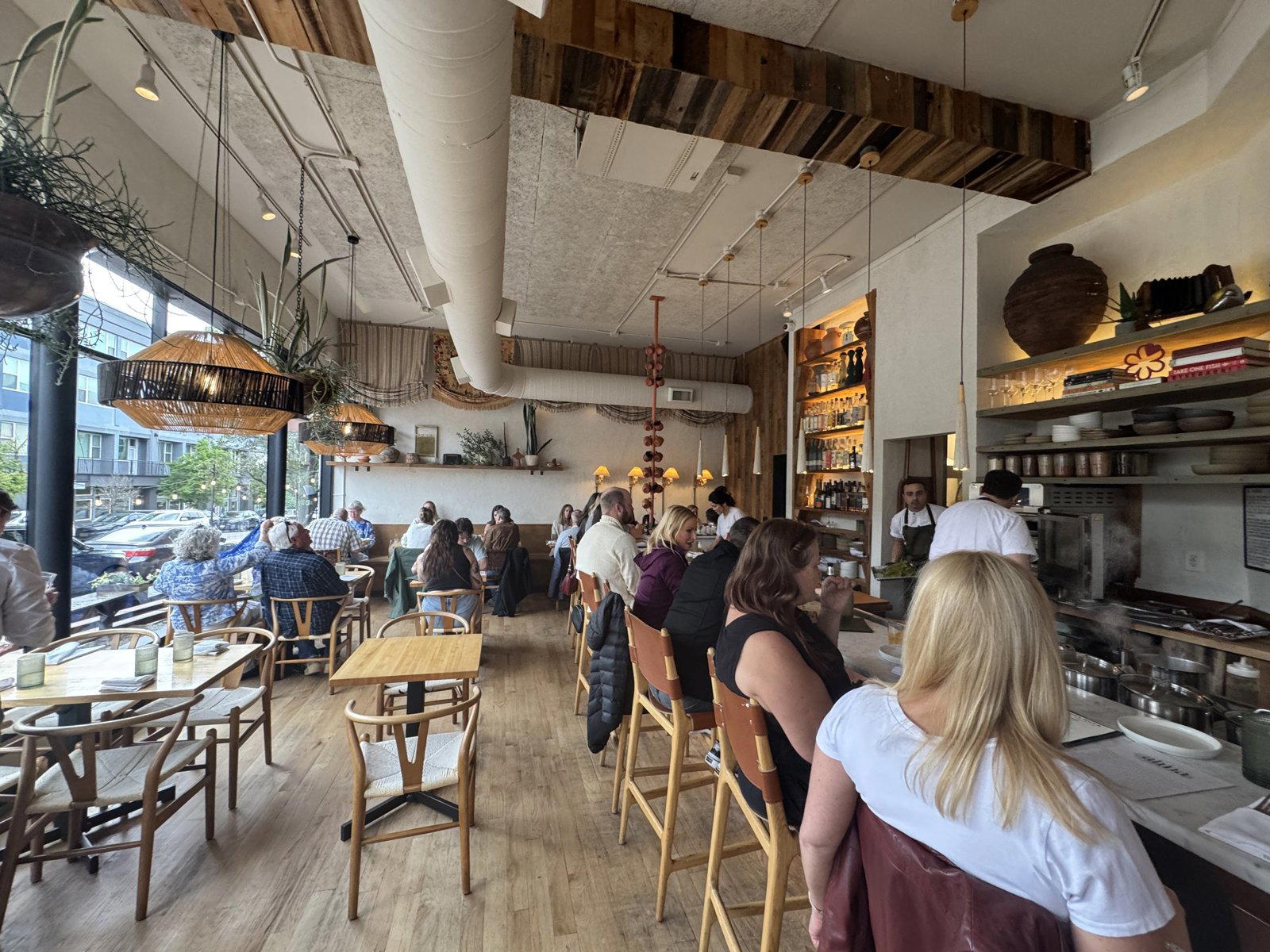
Bars in Denver
Browse all →
Hotels in Denver
Browse all →


Wineries in Denver
Browse all →
At a Glance
- Elegant
- Lively
- Sophisticated
- Trendy
- Date Night
- Special Occasion
- Chefs Counter
- Open Kitchen
- Extensive Wine List
- Craft Cocktails
- Street Scene
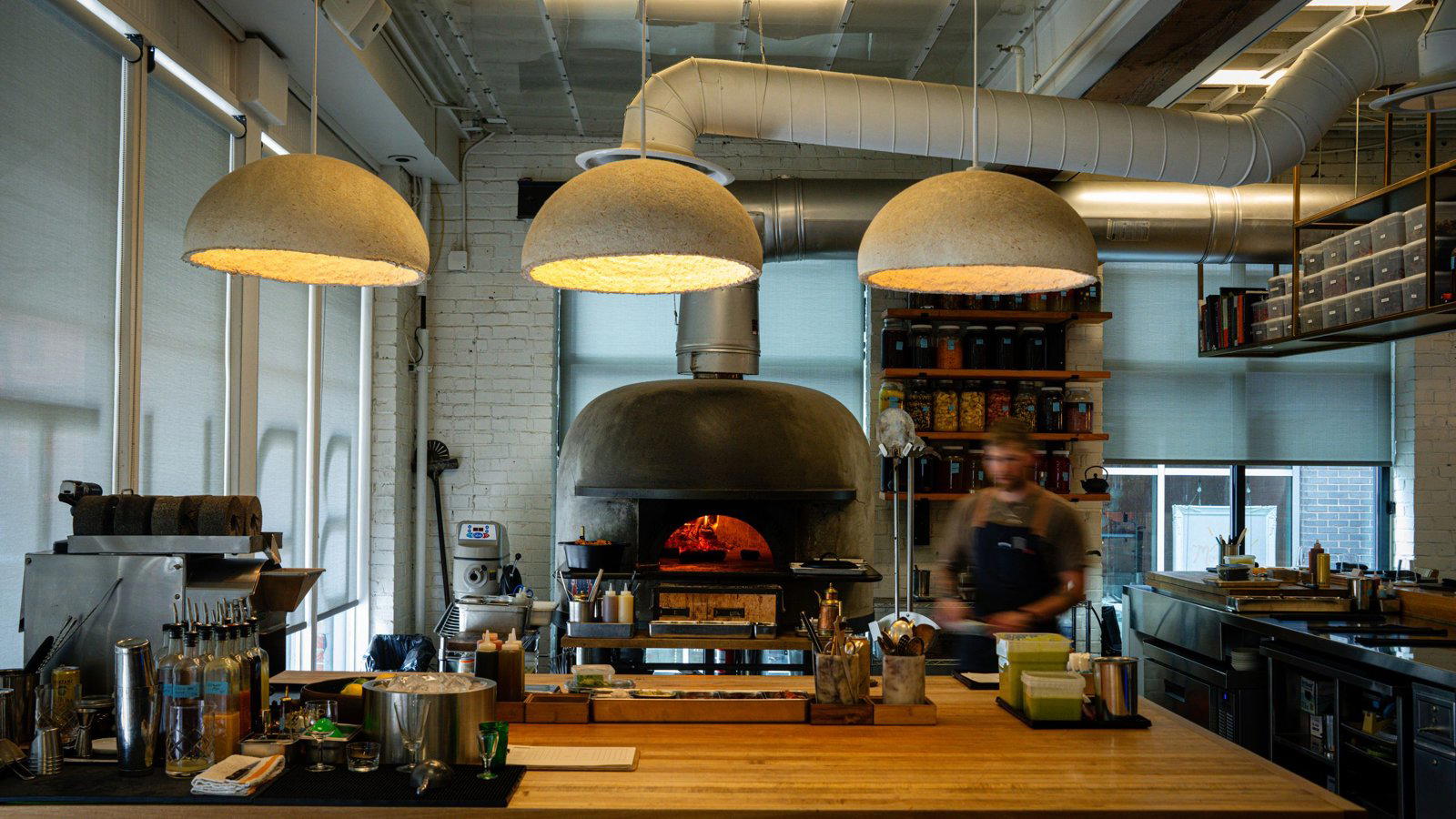
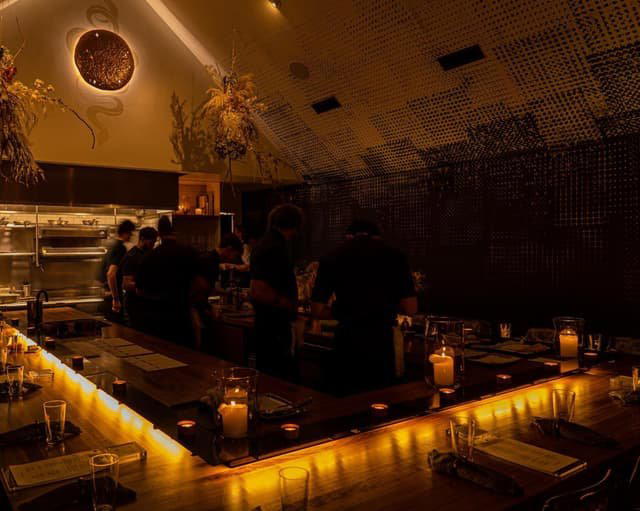
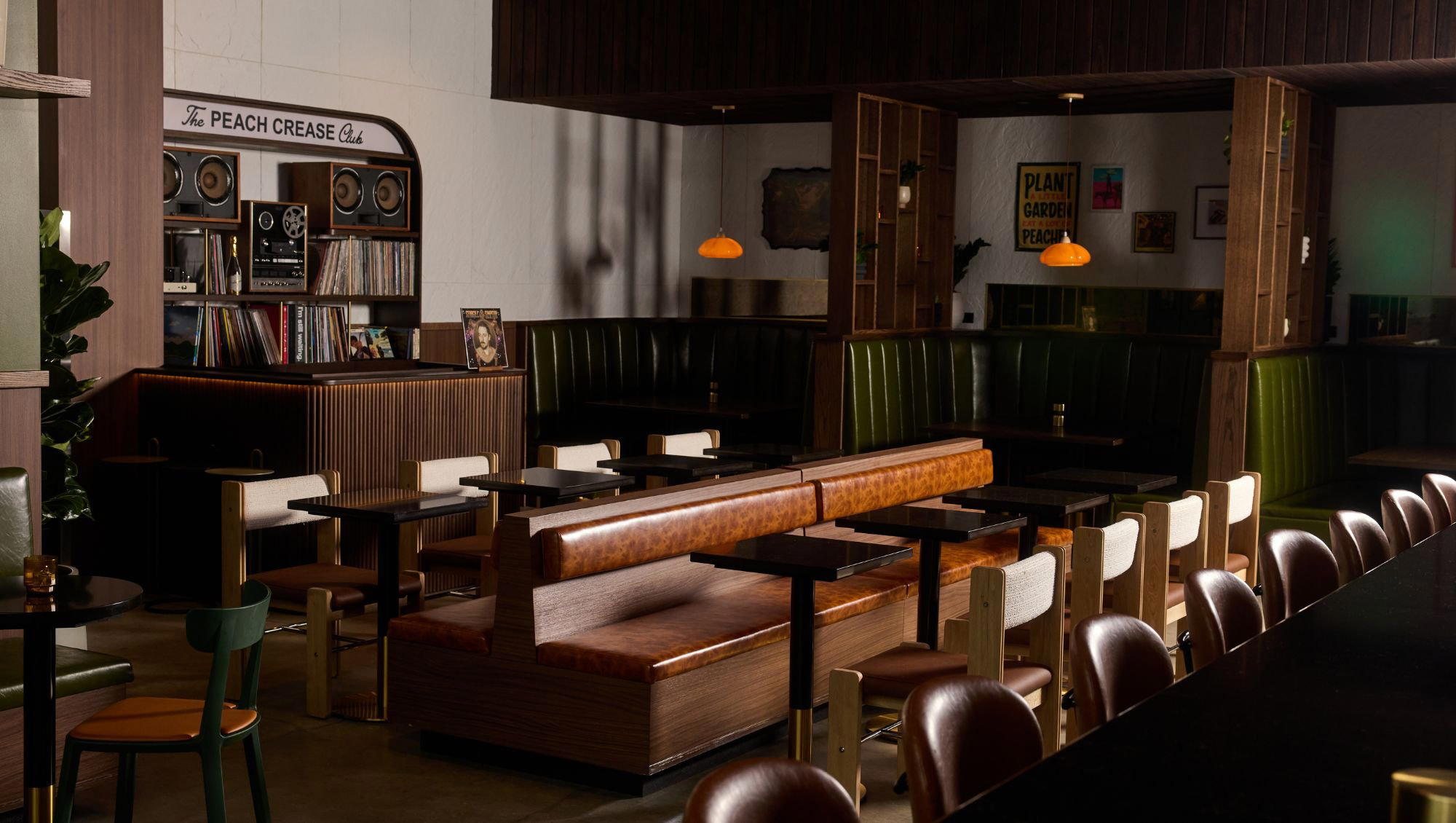
Warm sophisticated dining room with dim lighting, jewel-toned elements, marble tables, checkered floors, and convivial social energy from the bustling counter and bar.