Ash & Agave
Ash & Agave enters Denver’s restaurant conversation at a moment when the city is asking more of casual dining: clearer sourcing, stronger bar thinking, and menus that understand Colorado’s appetite for smoke, grain, chile, and seasonal produce. With few public specifics attached, the useful lens is not hype but fit: how a Denver table can read ingredient intent before committing an evening.
Pearl is the En Primeur Club membership app — saves, bookings, and concierge access live there. Same editors, same standards.
- Address
- Denver, United States
- Website
- ashagave.com
- Directions
- Get directions
 Saves & bookings on Pearl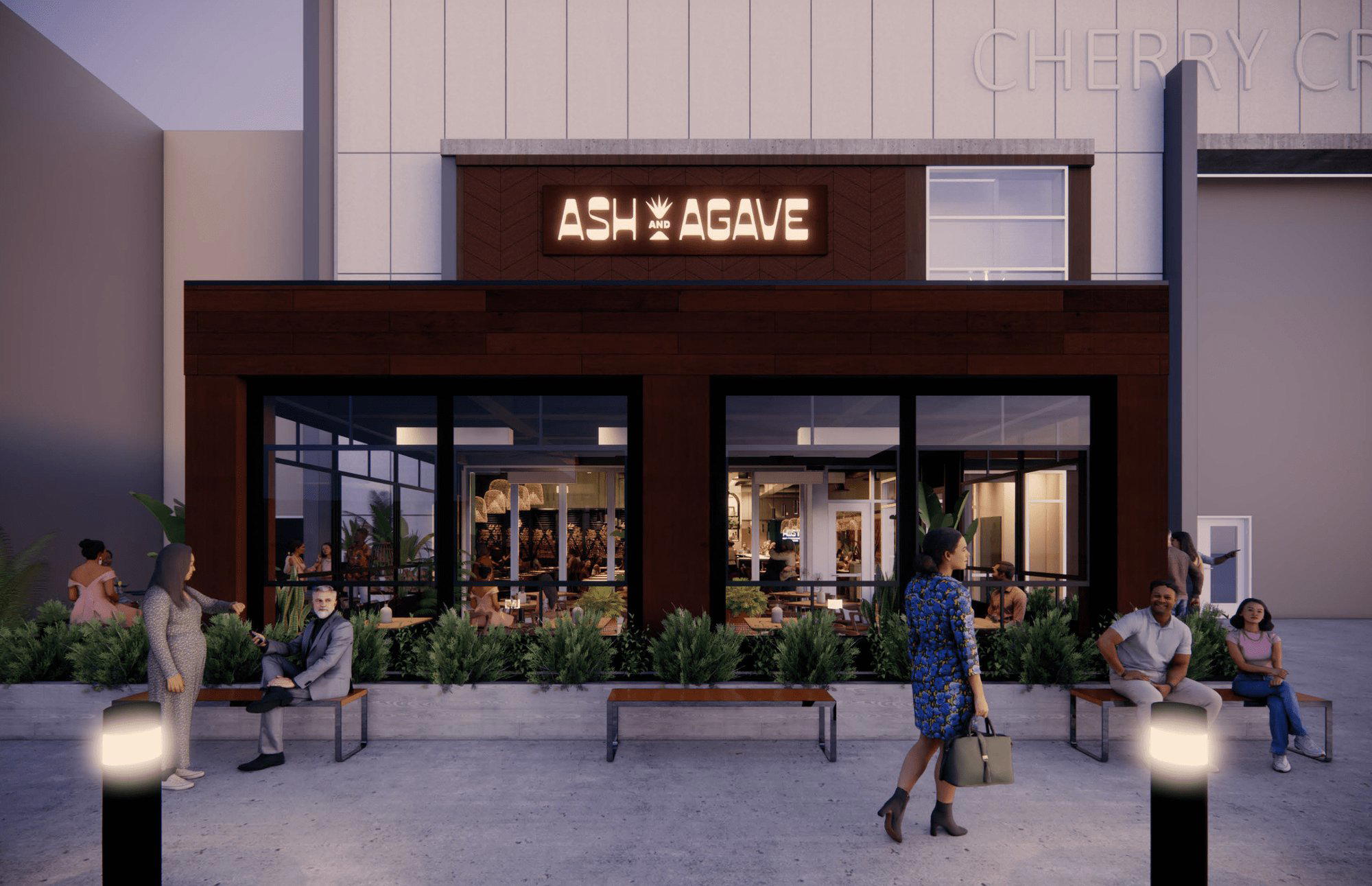
In Denver, the first read on a restaurant often comes before the first plate: light off brick, the pitch of the room, the way the bar claims attention, the scent of heat and citrus if the kitchen is working in that register. Ash & Agave has a name that points toward two durable forces in contemporary American dining, fire and agave, and that pairing matters in a city where casual restaurants are judged less by polish than by whether the food has a reason to be here.
Denver’s dining identity has become more ingredient-conscious without becoming precious. The city’s serious tables draw from Colorado lamb, Western Slope fruit, Pueblo chile, high-altitude grains, and a growing network of small producers, while its more relaxed rooms often work through smoke, masa, pickles, grilled vegetables, and spirit-led bar programs. That context is the useful way to approach Ash & Agave: not as a blank venue name, but as part of a local shift toward restaurants that need to connect the plate, the glass, and the region with more discipline than a generic night out.
Fire, agave, and the sourcing question Denver now asks
Ingredient sourcing has become a dividing line in Denver. The stronger restaurants in the city do not simply import a coastal template and add mountain décor; they make choices that fit the altitude, the weather, and the way people eat here after skiing, working downtown, or moving between RiNo, LoDo, Capitol Hill, and the western suburbs. In that frame, a concept built around ash and agave should be judged by fundamentals: the quality of its vegetables, the handling of char, the balance of acid and fat, and whether the beverage side treats agave as a category with range rather than a shortcut to easy sweetness.
Agave-based drinking has also matured beyond the old tequila-versus-mezcal split. The better contemporary programs account for denomination, roast method, mineral snap, and how smoke interacts with salt, citrus, chile, and grilled food. Denver is a receptive city for that thinking because its diners already accept bold flavors, outdoor-season eating, and bar-forward restaurants as part of the local rhythm. If Ash & Agave is working in that lane, the right order is likely the one that tests sourcing and technique rather than the largest plate on the table.
For broader context across the city, our full Denver restaurants guide maps the range from casual neighborhood rooms to expense-account dining. Nearby category expectations can be read through places such as 3 Margaritas - Downtown Denver, 801 Chophouse, A5 Steakhouse (Steakhouse), AC Kitchen, and Ace Eat Serve, each useful less as a direct match than as evidence of how broad Denver’s restaurant field has become.
How to read the room before ordering
Ash & Agave is better approached through sequence than spectacle. Start by reading the menu for sourcing language: named farms, Colorado produce, regional chiles, masa work, wood or charcoal references, and spirits identified with enough detail to show selection rather than bulk buying. If those signals are present, the strongest path is usually shared plates and a drink order that moves from brighter, citrus-led profiles into smokier or more savory territory. If the menu is quieter on provenance, use structure instead: grilled items, vegetable sides, and agave pours will reveal more about the kitchen than default comfort orders.
This is where Denver’s altitude and seasonality enter the decision. Winter favors deeper char, braises, roasted roots, darker spirits, and chile heat. Late spring and summer reward menus that can handle herbs, corn, tomatoes, peaches, and lighter agave cocktails without flattening them under sugar. Autumn is Colorado’s strongest restaurant season for cooks who understand smoke and produce together. The sourcing angle is not a decorative detail; it changes what should be ordered.
The city also rewards flexibility. A single Denver evening can move from dinner to a serious bar, a hotel lobby drink, or a cultural stop without needing a rigid itinerary. For planning around the meal, our full Denver hotels guide, our full Denver bars guide, our full Denver wineries guide, and our full Denver experiences guide help place dinner inside the larger trip rather than treating it as an isolated booking.
Where Ash & Agave fits in a wider American appetite
The American restaurant conversation has moved toward regional specificity: not just what cuisine is being served, but who grew the produce, how the grain was handled, and whether the beverage list understands place. That same instinct appears across the country in different forms, from the precision of Jōdo Saké Bar in Los Angeles and the compact focus of Onigiri Time in Pasadena to the casual Mexican grammar of ¿Por Qué No? in Portland. Denver’s version is less about imitation and more about translating appetite through altitude, fire, and an increasingly educated drinking culture.
That wider pattern also explains why sourcing-led restaurants no longer need white tablecloth formality to be taken seriously. Plant-driven Hawaiian cooking at 'Ai Love Nalo in Waimanalo Beach, island-inflected dining at 'āina in San Francisco, coastal resort dining at 'Ama 'Ama in Kapolei, beef-focused Japanese cooking at -Grilled beef Sukiyaki- KAMAKURA TANUKIAN 鎌倉 たぬき庵 in Kamakura, and the Los Angeles Mexican register of ¡Salud! in Los Angeles all show the same lesson: format matters less than whether the sourcing and technique are legible. Ash & Agave belongs in that conversation only if the plate and glass make their origins clear.
In Context
Comparable venues nearby, for context on price, style, and recognition.
| Venue | Cuisine | Price | Notes |
|---|---|---|---|
| Ash & AgaveThis venue — the venue you are viewing | Cherry Creek, Coastal Mexican Grill | $$$ | Not listed |
| Chicken Riot | Not listed | $$ | Cherry Creek, Mexican-inspired smoked chicken & BBQ |
| Xiquita | Not listed | $$ | North Capitol Hill, Modern Ancestral Mexican Masa |
| Maize | LoHi, Modern Mexican Masa Tasting Menu | $$$$ | Not listed |
| Tamayo | Union Station, Modern Mexican | $$$ | Not listed |
| The Bindery | Highland, New American Fine Dining | $$$ | Not listed |
Continue exploring
More in Denver
Restaurants in Denver
Browse all →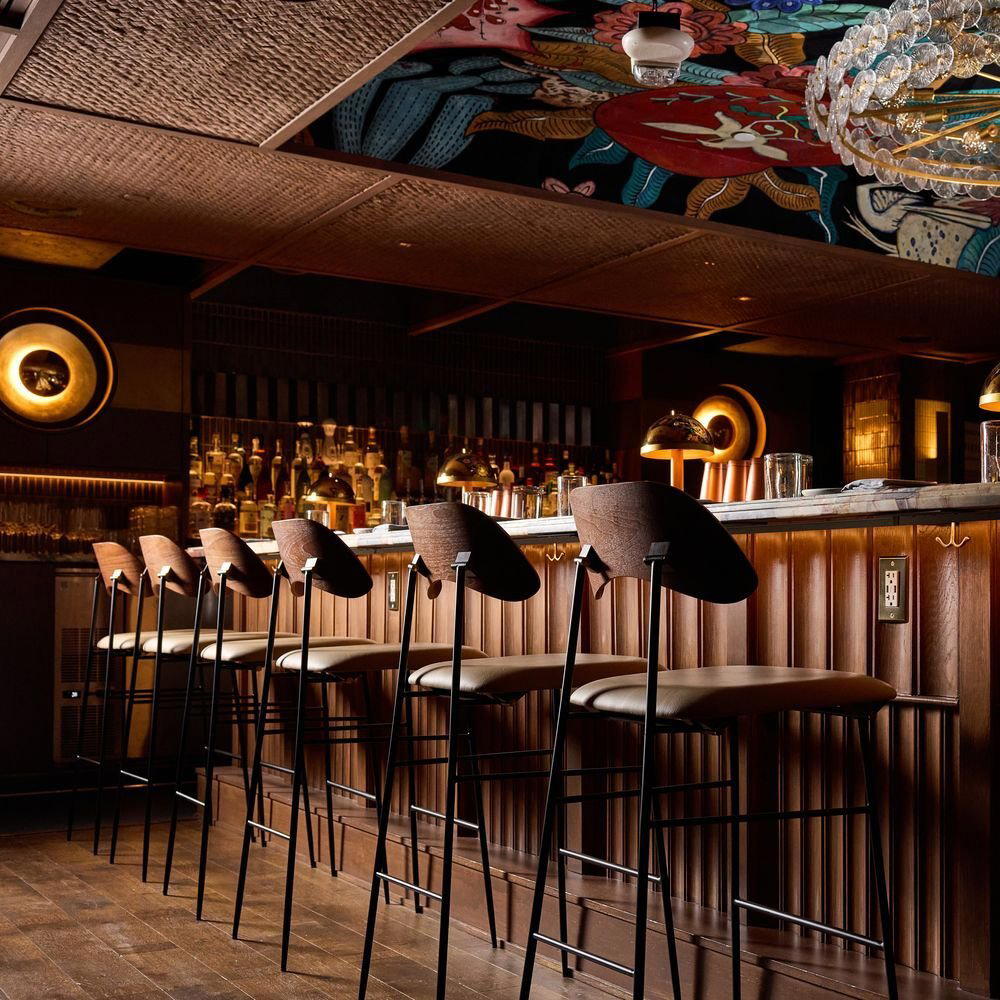
Bars in Denver
Browse all →
Hotels in Denver
Browse all →




At a Glance
- Lively
- Modern
- Trendy
- Energetic
- Sophisticated
- Group Dining
- Celebration
- Casual Hangout
- After Work
- Date Night
- Open Kitchen
- Design Destination
- Standalone
- Craft Cocktails
- Beer Program
- Local Sourcing
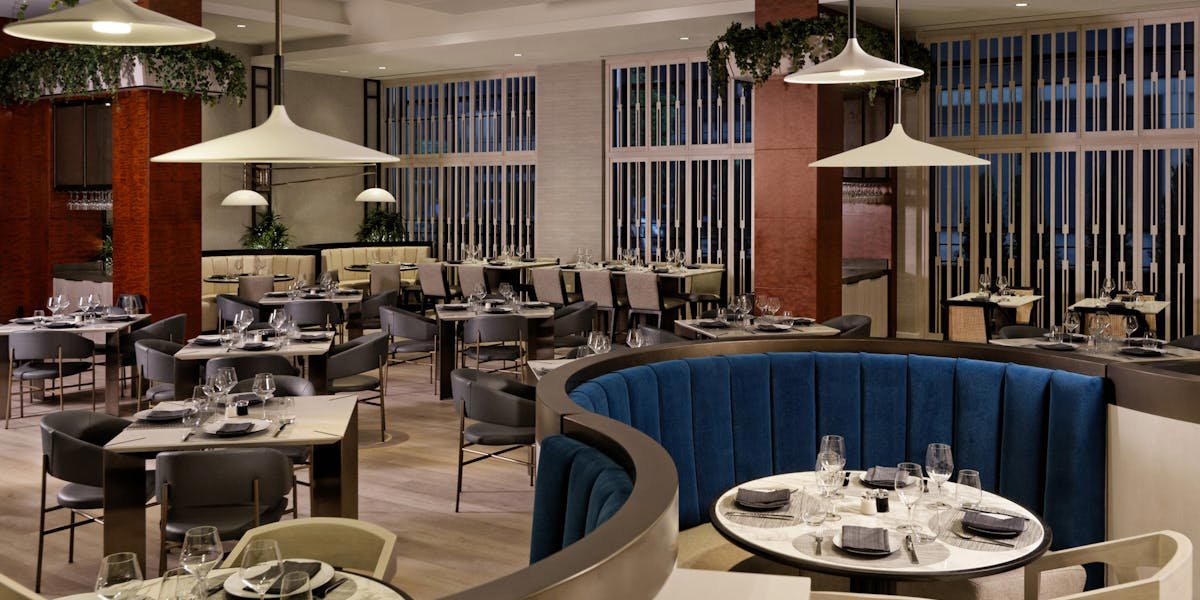
Coastal, resort-like, and tropical-inspired, with a golden-hour glow, lush greenery, lounge areas, and a fire-and-agave cocktail mood.