Michelin Bib Gourmand
Our verdict
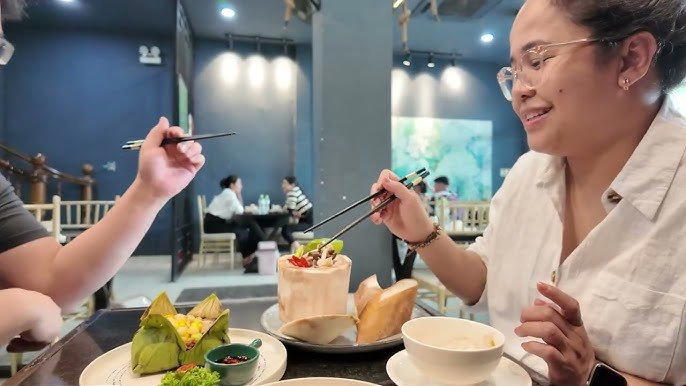
Năm Hiền on Phan Thanh Street holds back-to-back Michelin Bib Gourmand recognition for 2024 and 2025, placing it among the most consistently cited addresses in Da Nang's street-food tier. The kitchen works squarely within the Vietnamese tradition of assembling dishes at the table — cooked proteins alongside plates of raw herbs, rice paper, and uncut vegetables. Prices stay at the lowest range on Da Nang's dining scale.

Pearl is the En Primeur Club membership app — saves, bookings, and concierge access live there. Same editors, same standards.
- Address
- 46 Phan Thanh, Thạc Gián, Thanh Khê, Đà Nẵng 550000, Vietnam
- Phone
- +84 905 684 246
- Hours
- Daily 9:30 AM–9:30 PM
- Website
- facebook.com
- Directions
- Get directions
Phan Thanh Street sits in Thanh Khê district, west of the Han River, in a stretch of Da Nang that tourists rarely cross into without purpose. The addresses here are functional: shophouses, local pharmacies, small family kitchens with plastic stools spilling onto the pavement. Năm Hiền occupies one of those shophouses at number 46, and on a busy evening the signal that you have arrived is the cluster of motorbikes outside and the smell of broth carrying into the street before you can read the sign.
This is the spatial and sensory context that Michelin's Bib Gourmand designation was built for. Since the guide expanded into Da Nang, the Bib category has consistently picked out exactly this type of address: high-output, low-price, technically grounded cooking with no ambient-design ambitions whatsoever. Năm Hiền earned the recognition in both 2024 and 2025, which within a relatively new regional programme is a signal of repeatability, not novelty. It is worth sitting with that for a moment: two consecutive years of recognition from an external body that sends anonymous inspectors back multiple times before confirming a listing. That is a consistency argument, not a one-off event.
The Table as Assembly Line
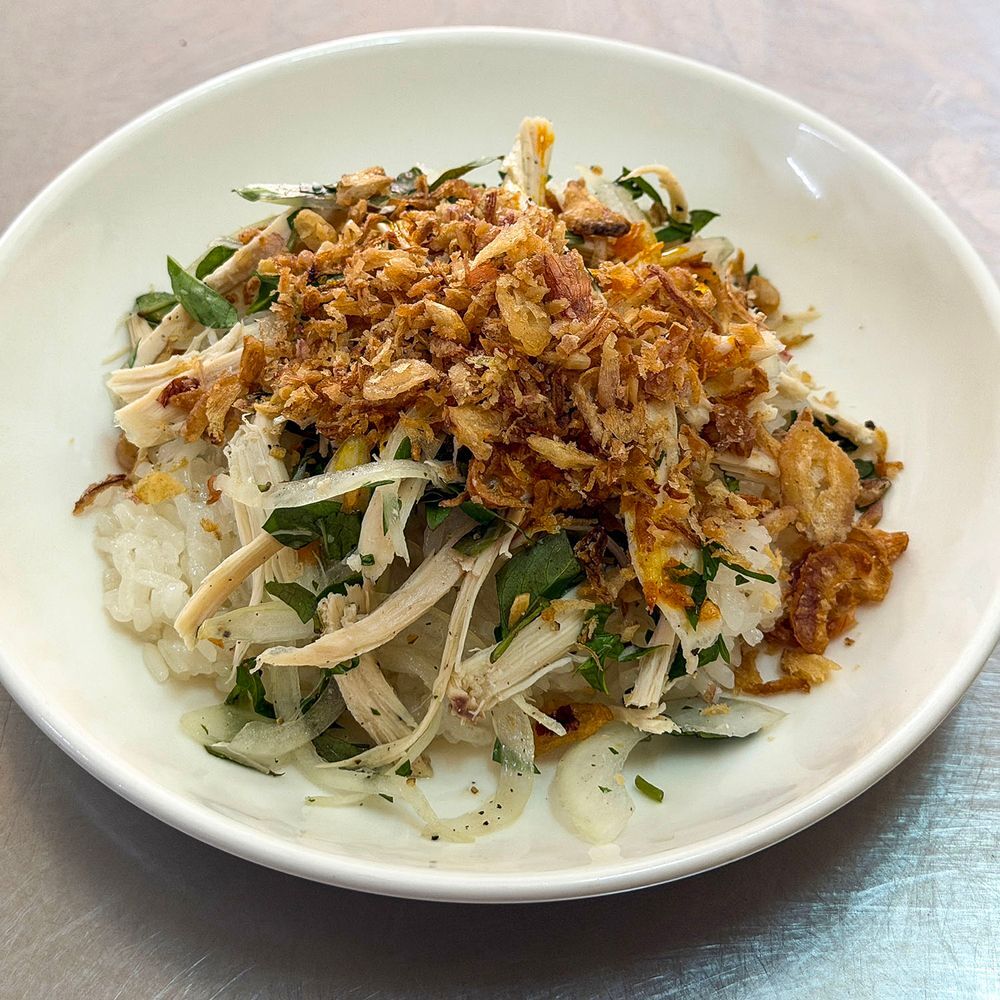
The editorial angle that cuts to the centre of what Năm Hiền does is the relationship between cooked and raw at a Vietnamese dining table. In much of the world's food culture, raw components in a meal are a garnish. In central Vietnamese cooking, and especially in the cuốn and bánh xèo traditions that run through this region, the raw plate is load-bearing. A basket of rau sống — typically a combination of lettuce, perilla, mint, bean sprouts, and local herbs that have no clean English translation — arrives not as a side note but as a structural ingredient. You wrap, you layer, you balance. The cooked element provides fat and protein; the raw plate provides acid, bitterness, and crunch in proportions the diner controls.
This format demands that the raw components are genuinely fresh, because there is nowhere to hide. A wilted perilla leaf or a bean sprout that has been sitting too long is immediately apparent when it is the entire counterpoint to a piece of braised pork or a prawn. The kitchens in Da Nang that earn sustained recognition in this tier tend to be the ones that treat their herb procurement with the same seriousness as their protein. That is harder to maintain than it sounds at the volume these shophouse operations run.
For a broader sense of how Da Nang's cuốn and wrapping tradition compares across different formats and price points, the Bếp Cuốn and Bếp Hên listings offer useful reference points. The city also has a distinct bánh xèo corridor, the sizzling rice-flour crêpe that similarly depends on a fresh herb plate for its final form, documented at Bánh Xèo 76, Bánh Xèo Bà Dưỡng, and Bánh Xèo Tôm Nhảy Cô Ba.
Where Năm Hiền Sits in the Da Nang Tier Structure
Da Nang's restaurant price range now spans from ₫ street-food operations to the French Contemporary cooking at La Maison 1888, which operates at the ₫₫₫₫ ceiling. Năm Hiền prices at the ₫ floor, alongside other Michelin-recognised addresses in the city such as the noodle specialist Bún Bò Bà Rơi in Hai Chau and the street-food kitchen Cô Chủ Nhỏ. These are not discount options that happen to have picked up attention; they represent a deliberate category in the Michelin framework, one that recognises cooking quality independently of room quality, service formality, or ticket size.
Further up the register, Anan Saigon in Ho Chi Minh City shows how Vietnamese ingredients can move into a more composed, internationally legible format. Năm Hiền does not operate in that register and makes no apparent attempt to.
For those looking at how Vietnamese cuisine is interpreted outside the country, Berlu in Portland, Camille in Orlando, and A Bản Mountain Dew in Hanoi offer different points of comparison across the formality spectrum. Agave in Ubon Ratchathani and Hibana by Koki in Hanoi sit at the opposite end of the regional dining range.
What Regulars Order
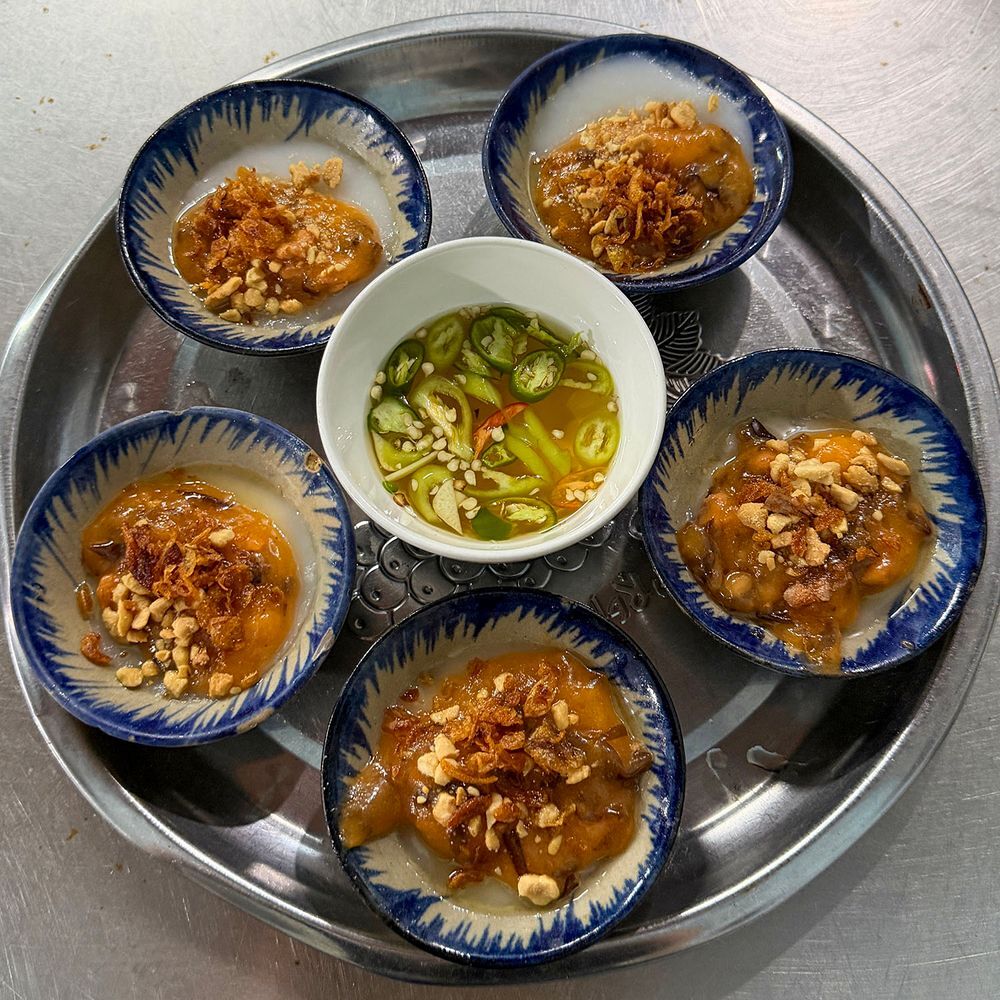
These are the formats that define the neighbourhood kitchen category across central Vietnam, and the ones that Michelin inspectors in this region have repeatedly flagged as technically credible at the street-food price tier. The herb plate, whatever its precise composition on a given day, is where the kitchen's supply chain reveals itself most directly, and for regulars it is often the first thing they check on arrival.
Planning a Visit
Năm Hiền is at 46 Phan Thanh, Thạc Gián, in Thanh Khê district. The address falls outside Da Nang's main tourist circuit, which means arriving by taxi or ride-hailing app is the practical approach rather than walking from the beach hotels. Prices sit at the ₫ tier, meaning a full meal remains among the most affordable in the city's recognised dining set. No booking method is documented, which is consistent with the walk-in format that defines almost all operations in this price bracket across Vietnam.
For the broader Da Nang picture, the [full Da Nang restaurants guide]() maps the city's dining range from street-food to fine dining. Separate guides cover [hotels](), [bars](), [wineries](), and experiences across the city.
Frequently asked questions
What's the price range at Năm Hiền (Phan Thanh Street)?
Pricing at Năm Hiền (Phan Thanh Street) is listed as ₫.
Where is Năm Hiền (Phan Thanh Street) located?
Năm Hiền (Phan Thanh Street) is located at 46 Phan Thanh, Thạc Gián, Thanh Khê, Đà Nẵng 550000, Vietnam, Da Nang.
Has Năm Hiền (Phan Thanh Street) won any awards?
Năm Hiền (Phan Thanh Street) has received recognition including: Michelin Bib Gourmand (2025); Michelin Bib Gourmand (2024).
What do regulars order at Năm Hiền (Phan Thanh Street)?
The Bib Gourmand recognition, awarded in both 2024 and 2025, points toward the kind of Vietnamese cooking built around wrapping and fresh-herb assembly — dishes where diners construct each bite at the table using rice paper, greens, and accompanying components. This format is a Da Nang signature and the address in Thanh Khê, a residential district away from tourist-facing menus, reinforces that the kitchen is cooking for a local standard.
Fast Comparison
| Venue | Cuisine | Price | Awards | Notes |
|---|---|---|---|---|
| Năm Hiền (Phan Thanh Street)This venue — the venue you are viewing | Vietnamese Bánh Xèo | $1–10 | Michelin Bib Gourmand | Not listed |
| La Maison 1888 | Michelin-Starred French Contemporary | $150–200 | 1 Michelin Star · La Liste Top Restaurants | French Contemporary, ₫₫₫₫ |
| Ăn Thôi | Authentic Vietnamese | $10–20 | Michelin Bib Gourmand | Not listed |
| Bé Ni 2 | Fresh Local Seafood | $10–20 | Michelin Bib Gourmand | Not listed |
| Bún Bò Bà Rơi (Hai Chau) | Noodles | Not listed | Noodles, ₫ | Not listed |
| Cô Chủ Nhỏ | Vietnamese Duck Street Food | $1–10 | Michelin Bib Gourmand | Not listed |
Recognition history
Dated appearances from independent guides and award organizations, with the underlying list record or original source where available.
Michelin Bib Gourmand
Michelin
Full recognition history (3 entries)
Michelin Bib Gourmand
Michelin
Michelin Bib Gourmand
Michelin