


Virtuoso Luxury Hotel Partner · Tatler Listed in Best Hotels Asia-Pacific · Small Luxury Hotels of the World Member
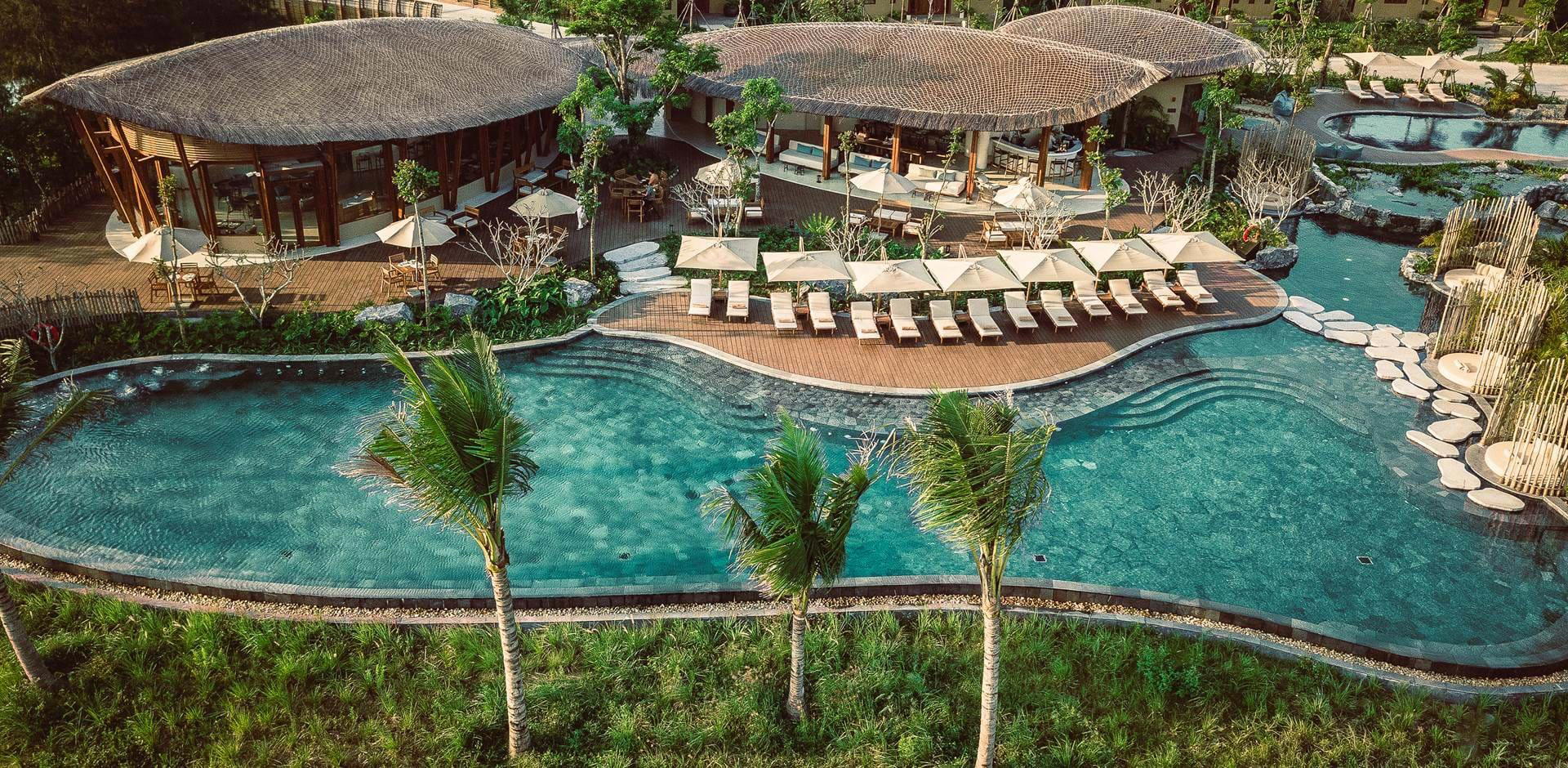
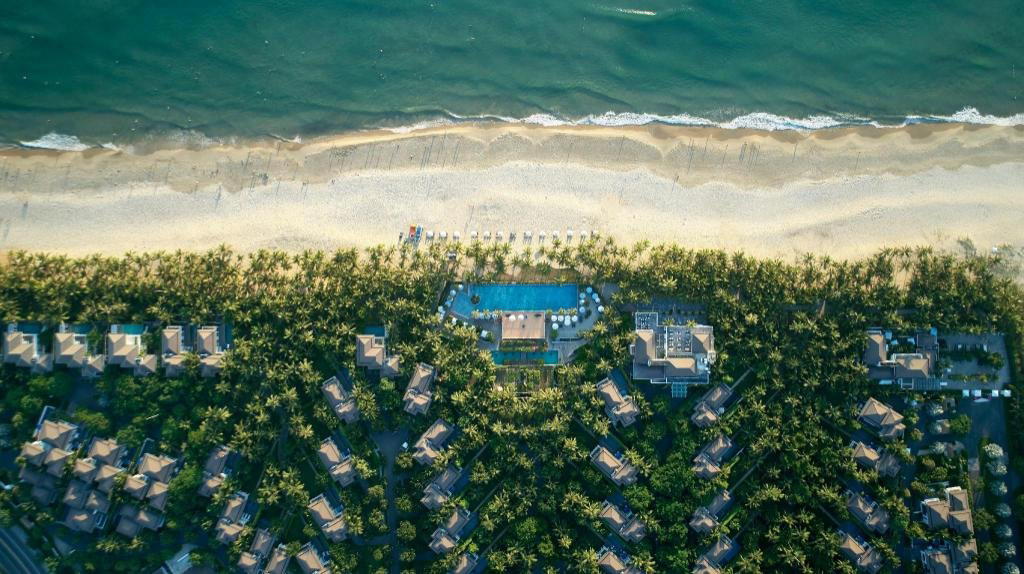
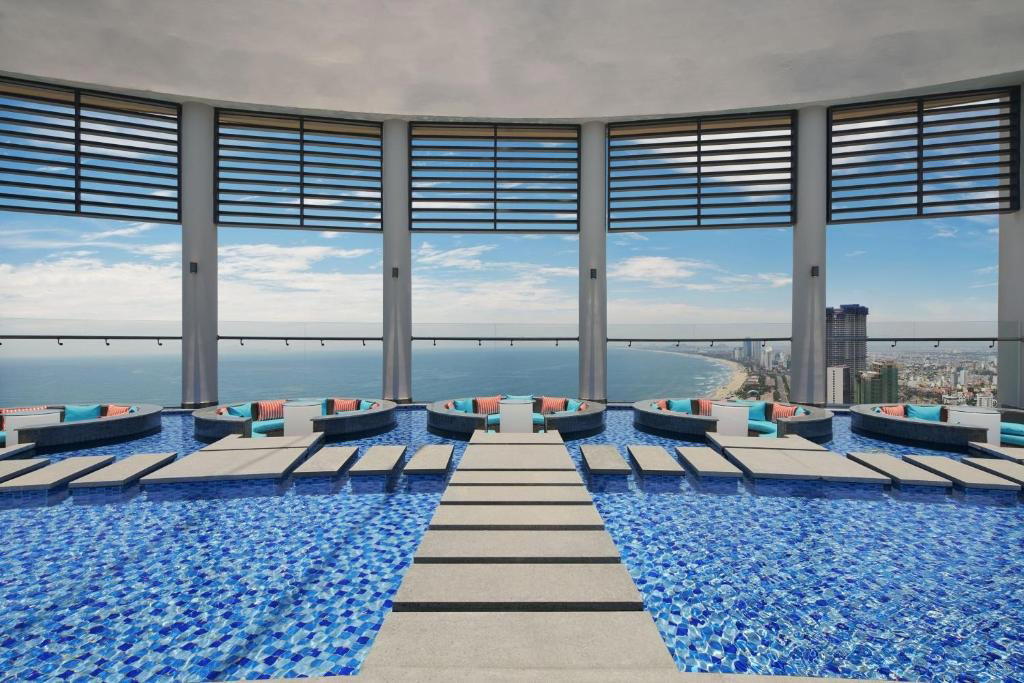
On the Cồn Ba Xã Islet along the Thu Bon River, Namia River Retreat operates in a small tier of Hoi An properties where wellness programming is the primary architecture of a stay, not an amenity attached to rooms. Named Tatler Asia's Best Wellness Retreat in Vietnam for 2025, the retreat pairs private pool villas with therapies rooted in Thuốc Nam, the southern Vietnamese herbology tradition, and two restaurants drawing from local seafood markets and regional spice routes.

Pearl is the En Primeur Club membership app — saves, bookings, and concierge access live there. Same editors, same standards.
- Address
- Cồn Bắp, Cẩm Nam, Hội An, Quảng Nam, Vietnam
- Directions
- Get directions
Where the River Sets the Pace
Hoi An has accumulated a dense layer of accommodation over the past decade, ranging from guesthouses in the ancient town to large beach resorts lining An Bang. Within that spread, a smaller category has emerged: riverside properties on the quieter southern bank, where the Thu Bon separates the UNESCO-listed old quarter from the floodplain villages of Cẩm Nam. These properties operate on a different logic from the beach resorts further out. The river view is the primary landscape feature, the scale stays intimate, and the programming tends toward slower, culture-adjacent experiences rather than watersport or nightlife adjacency. Namia River Retreat sits on Cồn Ba Xã Islet within this geography, and it has pressed further into the wellness positioning than most of its river-facing peers.
The retreat's 2025 recognition from Tatler Asia as Leading Wellness Retreat in Vietnam, within the Tatler Leading Hotels Asia-Pacific list, marks a meaningful data point in how the property is positioned against the broader Vietnamese hotel market. That award category is specific: it evaluates programming depth and coherence, not simply the presence of a spa. Competing for that designation places Namia in a different peer conversation than, say, Anantara Hoi An Resort or Hoi An Memories Resort and Spa, both of which offer spa facilities as part of a wider resort proposition rather than as a programmatic anchor.
The Thuốc Nam Framework
Vietnamese wellness has not attracted the same international codification as Balinese or Thai traditions, but the underlying systems are equally layered. Thuốc Nam, the southern folk herbology practice, draws on plant remedies cultivated and documented across central and southern Vietnam for centuries, distinct in its botanical vocabulary from northern Vietnamese medicine and from the Chinese-derived frameworks that often get applied loosely across Southeast Asia. The decision to ground Namia's therapy menu in this specific tradition rather than in a pan-Asian spa language is an editorial choice with consequences for what guests actually experience on the treatment table.
Properties structured around a specific wellness lineage tend to produce more coherent stays than those assembling therapies from multiple traditions. When the herbal ingredients used in treatments connect to the plants growing in the surrounding region, and those same ingredients appear in the kitchen, the retreat logic becomes self-reinforcing rather than ornamental. Namia's programming approach follows this pattern, with locally sourced ingredients threading from the therapy rooms into both restaurants on property.
Two Restaurants, Two Reference Points
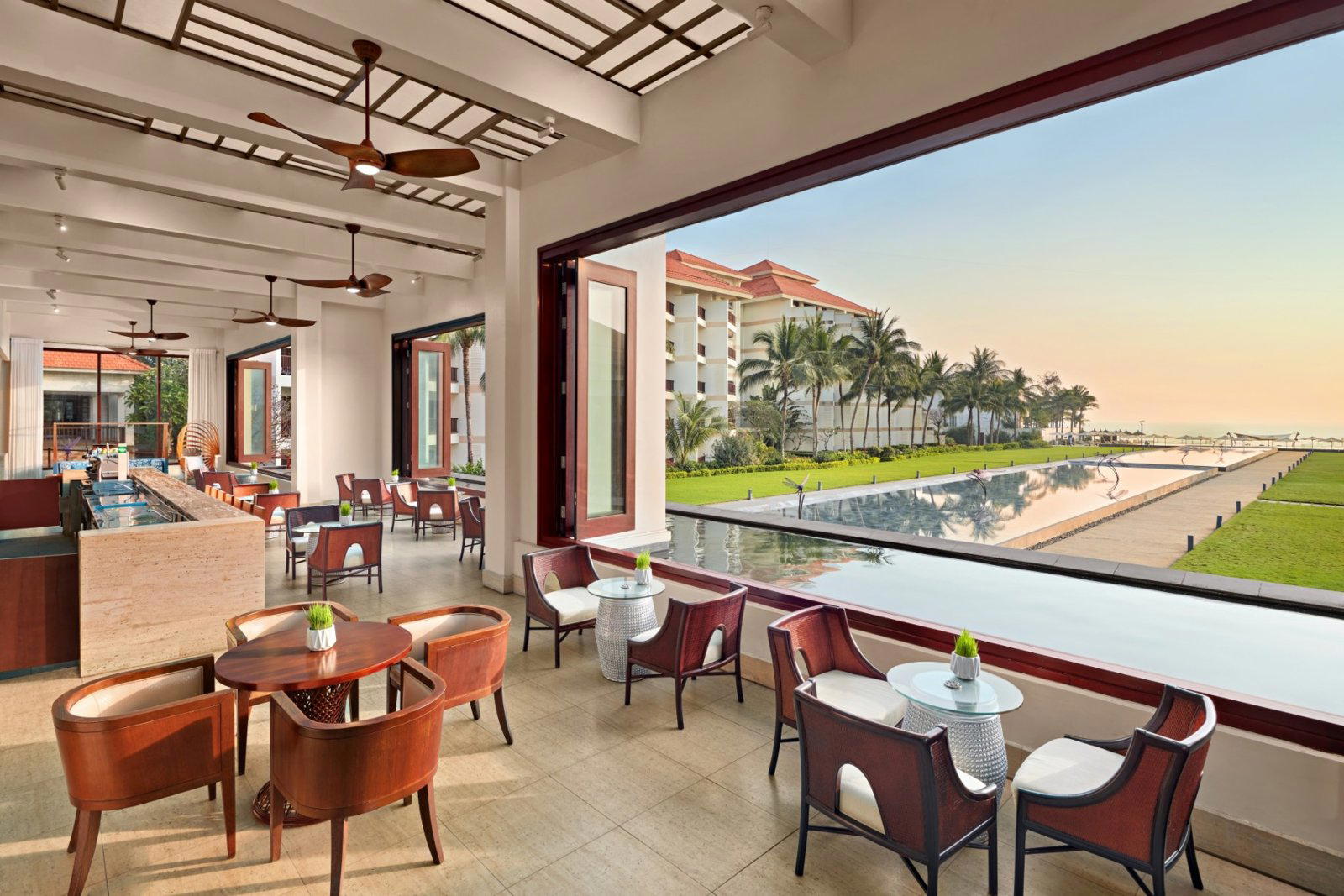
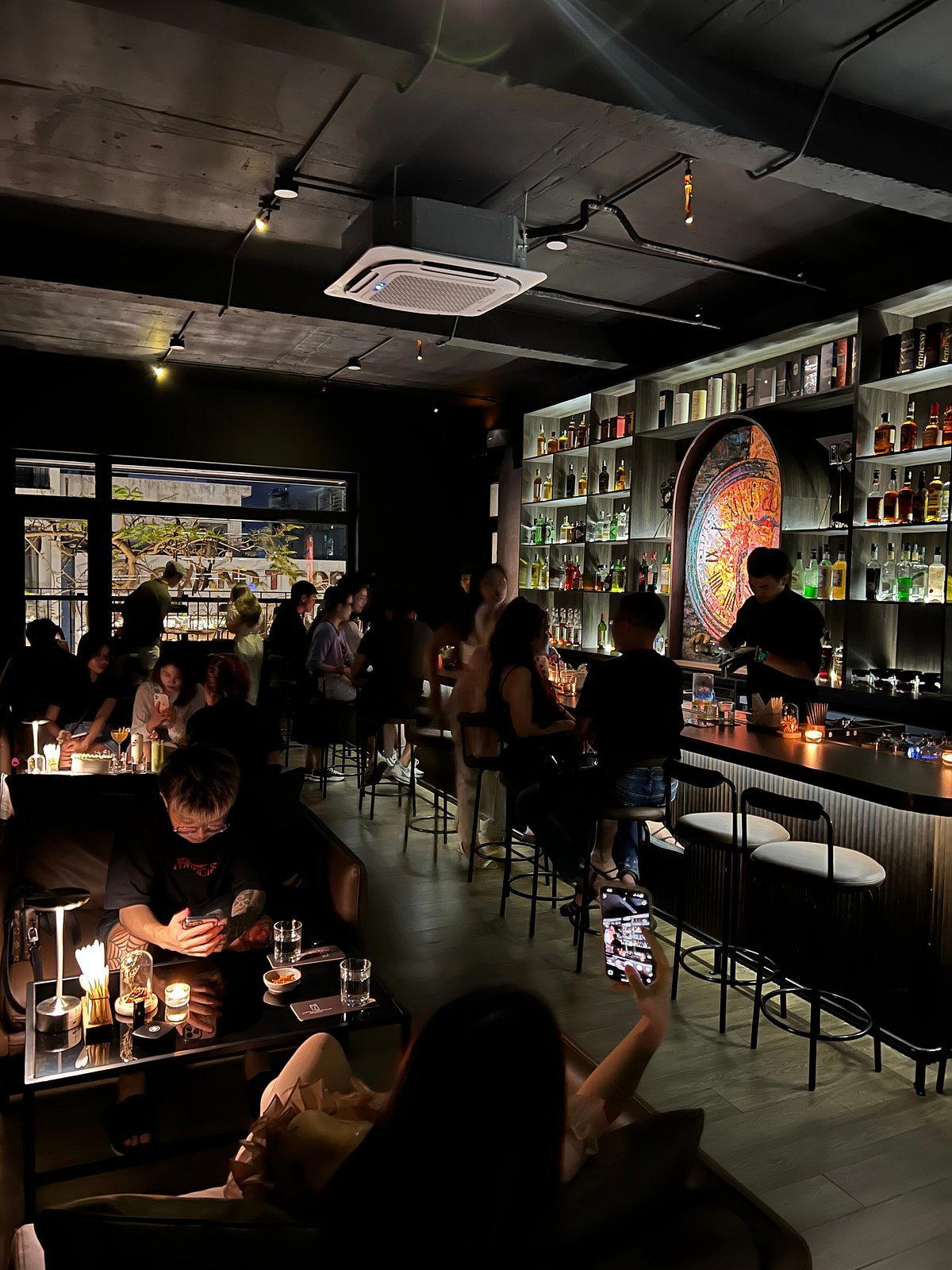
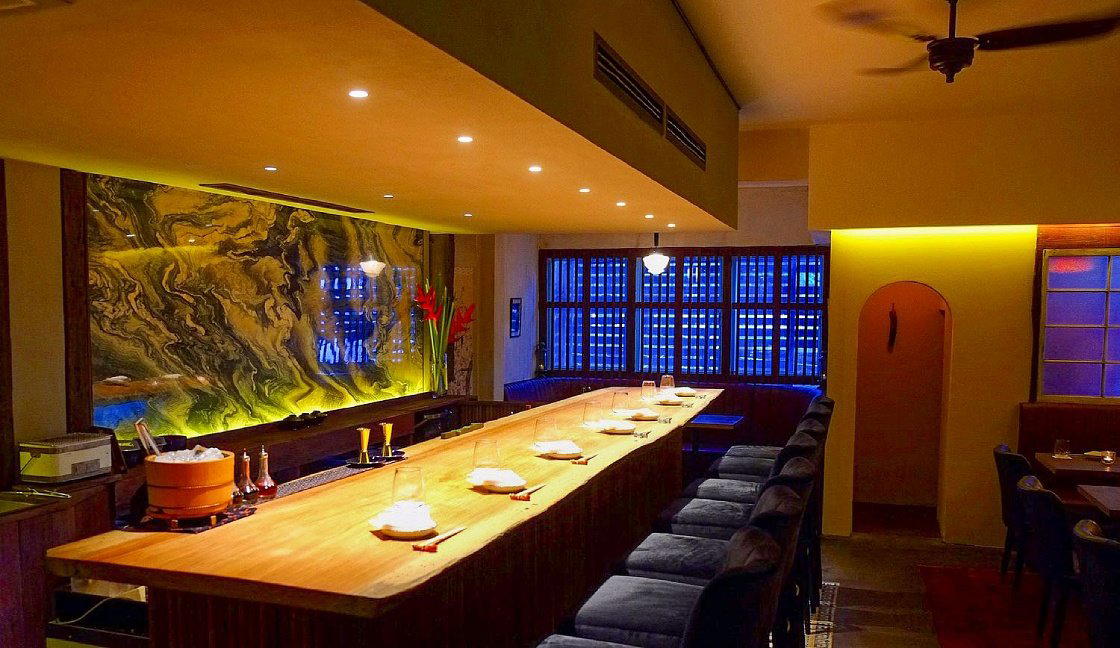
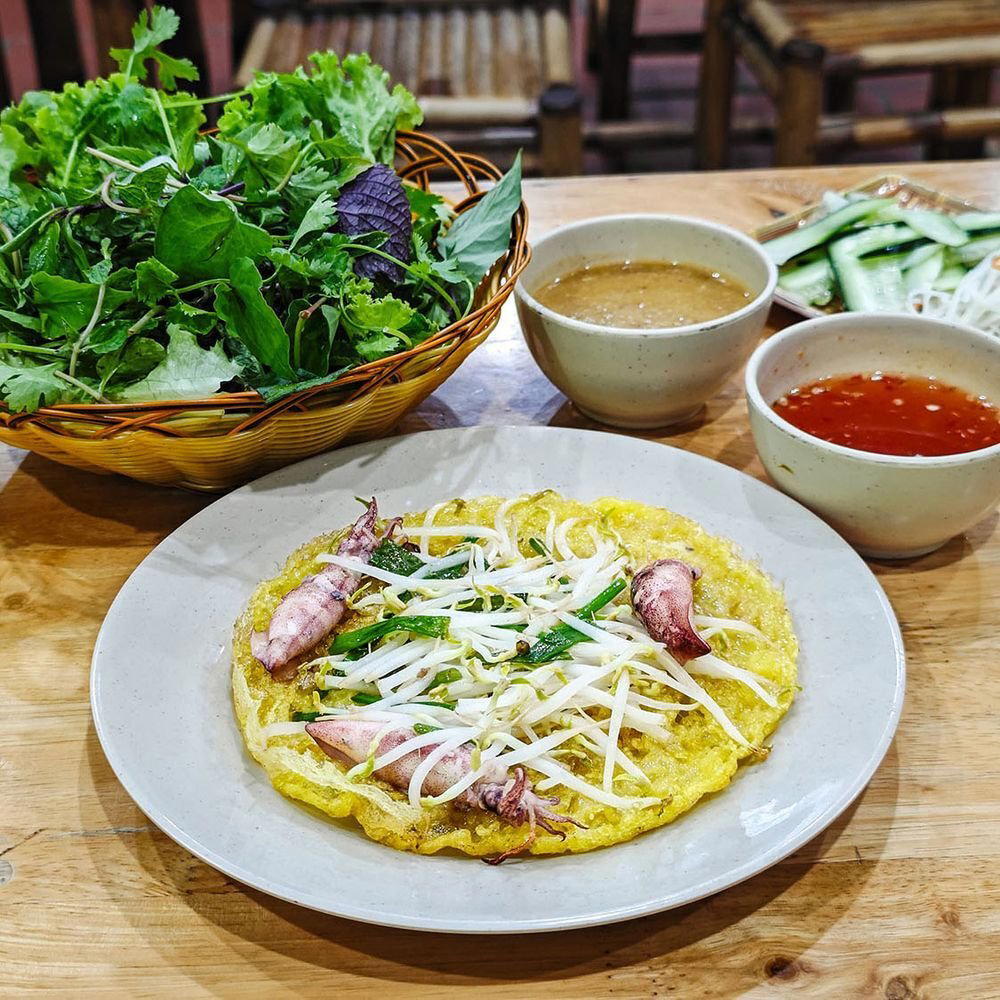
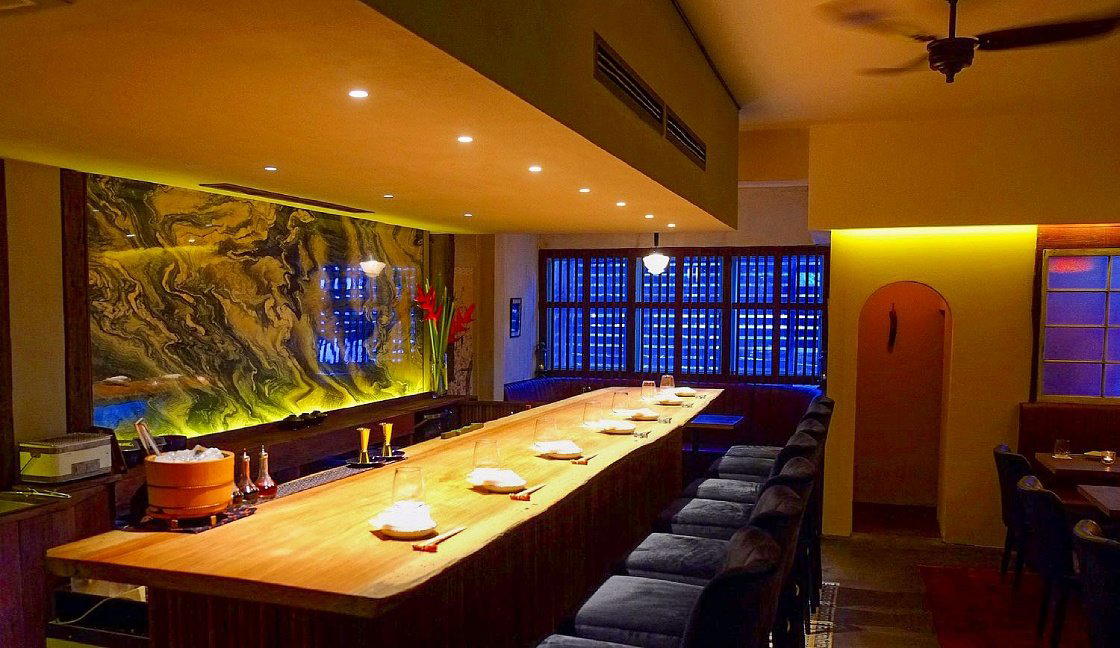
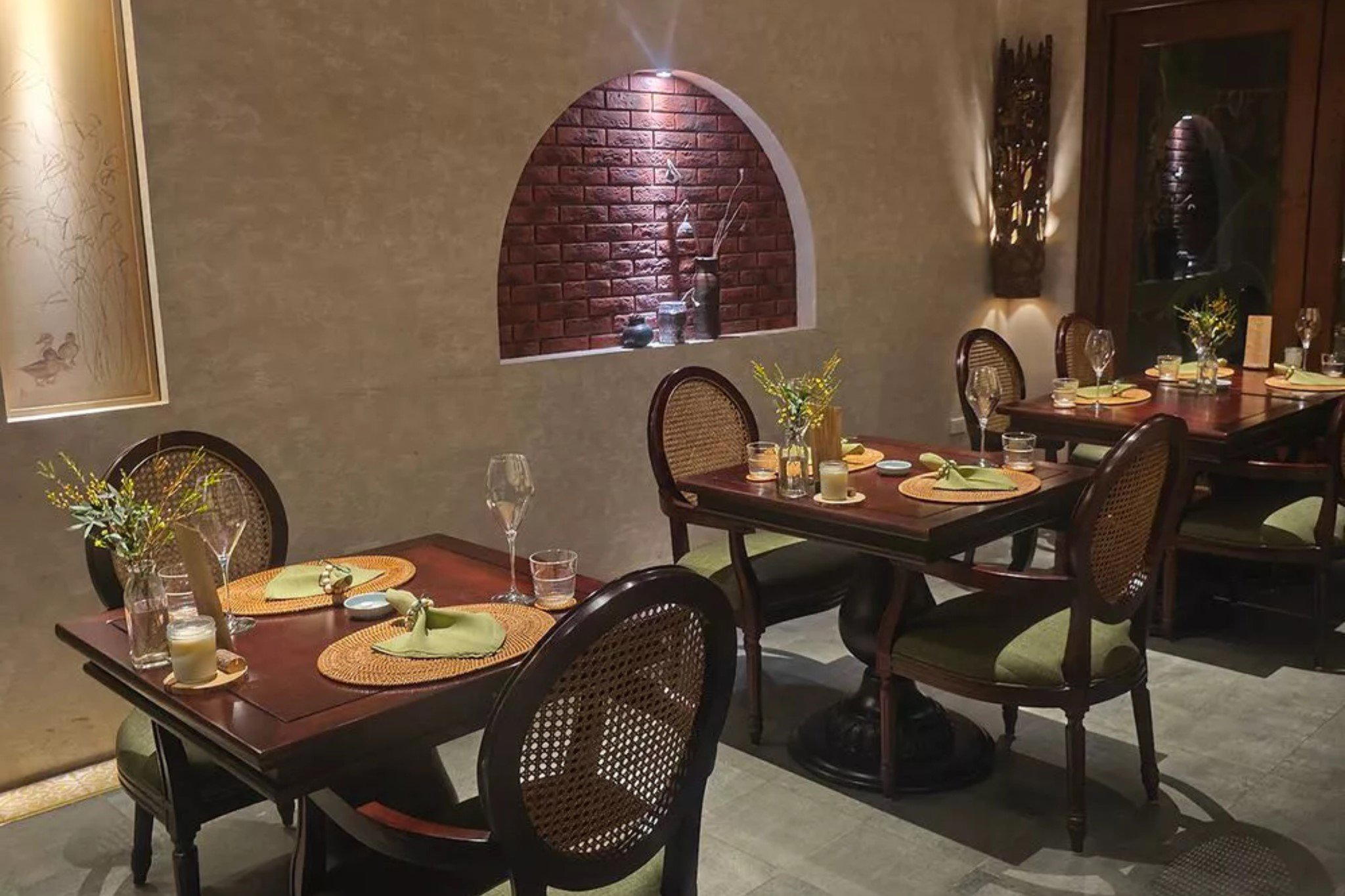
Hoi An's food identity is built on a handful of dishes that originated in the town's history as a trading port: cao lầu, the white rose dumpling, Quảng noodles. The ingredient logic was always hybrid, drawing from Chinese merchant communities, Japanese traders, and the spice routes that ran through the port. Mia Merchant Restaurant at Namia works within this layered culinary inheritance, presenting Vietnamese dishes alongside the spice influences that historically arrived through Hoi An. Nam Eatery takes a different reference point: the fishing communities and seafood markets that have defined the town's daily food culture at a more local level. Having two distinct restaurants with different editorial perspectives, rather than a single all-day dining room, allows guests to move between registers without leaving the property.
For a broader sense of where Hoi An's dining sits regionally, our full Hoi An restaurants guide maps the scene from street stalls in the old quarter to river-facing properties on the south bank.
The River Property Format in Context
Across Vietnam, the properties that have attracted consistent international recognition tend to divide into two formats: large-footprint beach resorts with extensive amenity lists, and smaller, design-considered retreats where location specificity and programming coherence carry more weight than scale. Amanoi in Vinh Hy sits at one extreme of the second category. Anantara Quy Nhon Villas in Quy Nhon and Banyan Tree Lăng Cô occupy the beach-resort tier with strong wellness annexes. Namia positions itself closer to the specialist retreat model, where the absence of a beach is not a trade-off but an alignment with a guest who is choosing a river environment deliberately.
In Hoi An specifically, the riverside format appeals to guests who want proximity to the ancient town without the acoustic and logistical friction of staying inside it. The old quarter is walkable or easily reached by boat from the south bank, which means cultural access is preserved while the property itself remains genuinely quiet. Silk Sense Hoi An River Resort and Almanity Hoi An Wellness Resort operate in a comparable geographic and format tier; Namia's differentiation is the specificity of its wellness framework and its 2025 Tatler recognition.
Other Hoi An properties worth considering depending on your priorities include Hotel Royal Gallery Hoi An, The Pearl Hoi An, and Wyndham Hoi An Royal Beachfront Resort and Villas for those prioritising coastal access. For the broader Vietnam circuit, properties like Azerai La Residence in Hue, InterContinental Hanoi Westlake by IHG, Amiana Resort Nha Trang, Four Seasons Resort The Nam Hai, Asteria Mui Ne Resort in Phan Thiet, Hilton Quang Hanh Onsen Resort in Cam Pha, Emeralda Resort Ninh Binh, Dalat Palace Heritage Hotel, Amanaki Saigon Boutique Hotel, Novotel Danang Premier Han River, and Four Points by Sheraton Danang each serve distinct itinerary needs across the country's central and northern corridor.
Planning a Stay
Namia River Retreat is addressed at Cồn Bắp, Cẩm Nam, Hội An, in Quảng Nam Province. The retreat can be reached by phone at (+84) 0235 3969 888, and the property website is namiariverretreat.com. Hoi An is accessible via Da Nang International Airport, roughly 30 kilometres to the north, with private transfers available from most properties in the area. The dry season running from February through August represents the most predictable weather window for central Vietnam, though the shoulder months of September and October can offer quieter conditions with the trade-off of occasional rain. Given the retreat's wellness programming emphasis, a minimum stay of three nights is worth considering to allow time for multiple treatment sessions alongside the cultural access Hoi An provides.
Credentials Lens
Comparable venues nearby, for context on price, style, and recognition.
| Venue | Cuisine | Price | Awards | Notes |
|---|---|---|---|---|
| Namia River RetreatThis venue — the venue you are viewing | Wellness-inclusive riverside resort with private pool villas | Not listed | Virtuoso Luxury Hotel Partner · Tatler Listed in Best Hotels Asia-Pacific | Not listed |
| Anantara Hoi An Resort | Split-level colonial architecture inspired by Asian and French influences | $300–500 | Virtuoso Luxury Hotel Partner | An Bang Beach |
| Almanity Hoi An Wellness Resort | Heritage wellness resort blending colonial architecture with modern minimalist interiors. | $100–200 | Not listed | Cam Pho |
| Silk Sense Hoi An River Resort | Green luxury riverside escape with private villas and lush gardens | Not listed | World Luxury Hotel Awards WLHA Continent Winner | Hoi An |
| Hotel Royal Gallery Hoi An | Refined boutique blending heritage and artistry inspired by 17th-century Japanese-Vietnamese romance. | Not listed | World Luxury Hotel Awards WLHA Country Winner | Hoi An Old Town |
| Four Seasons Resort, The Nam Hai | Contemporary interpretation of traditional Central Vietnamese garden house architecture with feng shui principles, featuring timber frames, pitched tile roofs, and split-level design elements. | $750–1,000 | 2 Michelin Keys · La Liste Top Hotels | Ha My Beach, Hoi An |
Recognition history
Dated appearances from independent guides and award organizations, with the underlying list record or original source where available.
Virtuoso Luxury Hotel Partner
Virtuoso
Small Luxury Hotels of the World Member
Small Luxury Hotels of the World
Tatler Listed in Best Hotels Asia-Pacific
Tatler
Full recognition history (5 entries)
Tatler Best Vietnam: Best Wellness Retreat
Tatler
Tatler Best Wellness Retreat
Tatler
Details
- Quiet
- Scenic
- Elegant
- Romantic
- Cozy
- Wellness Retreat
- Romantic Getaway
- Honeymoon
- Family Vacation
- Private Villa
- Infinity Pool
- Waterfront
- Panoramic View
- Spa
- Pool
- Wi Fi
- Fitness Center
- Massage
- Concierge
- Room Service
- Bicycle Rental
- Kids Club
- Waterfront
- Garden
Tranquil and serene with peaceful river views, modern chic design fusing traditional Vietnamese elements, soundproofed rooms, and calming neutral tones.