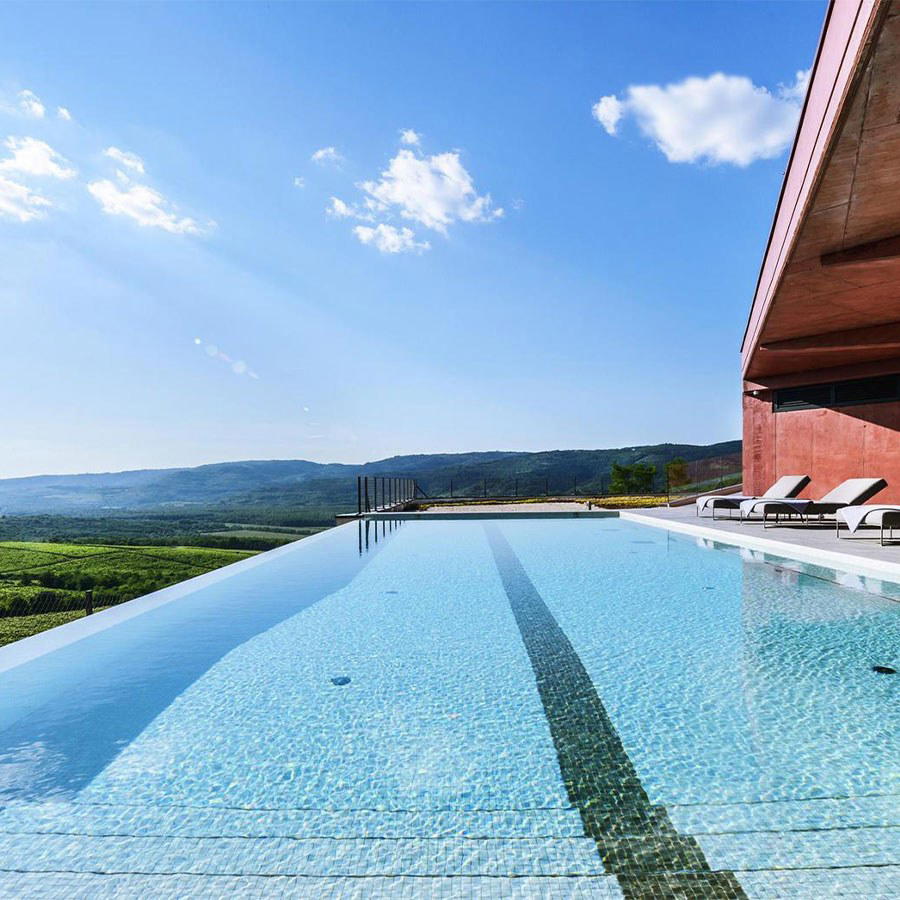
Puli Pineta sits in Žminj, a quiet Istrian inland town that most coastal-bound visitors pass without stopping. The address alone, karlov vrt 1, signals a departure from the tourist circuit, placing it inside a tradition of Istrian rural dining where the sourcing logic of the plate matters more than the postcode. For travellers prepared to leave the waterfront behind, that trade-off carries real weight.
Pearl is the En Primeur Club membership app — saves, bookings, and concierge access live there. Same editors, same standards.
- Address
- karlov vrt 1, 52341, Žminj, Croatia
- Phone
- +385989911795
- Directions
- Get directions
 Saves & bookings on Pearl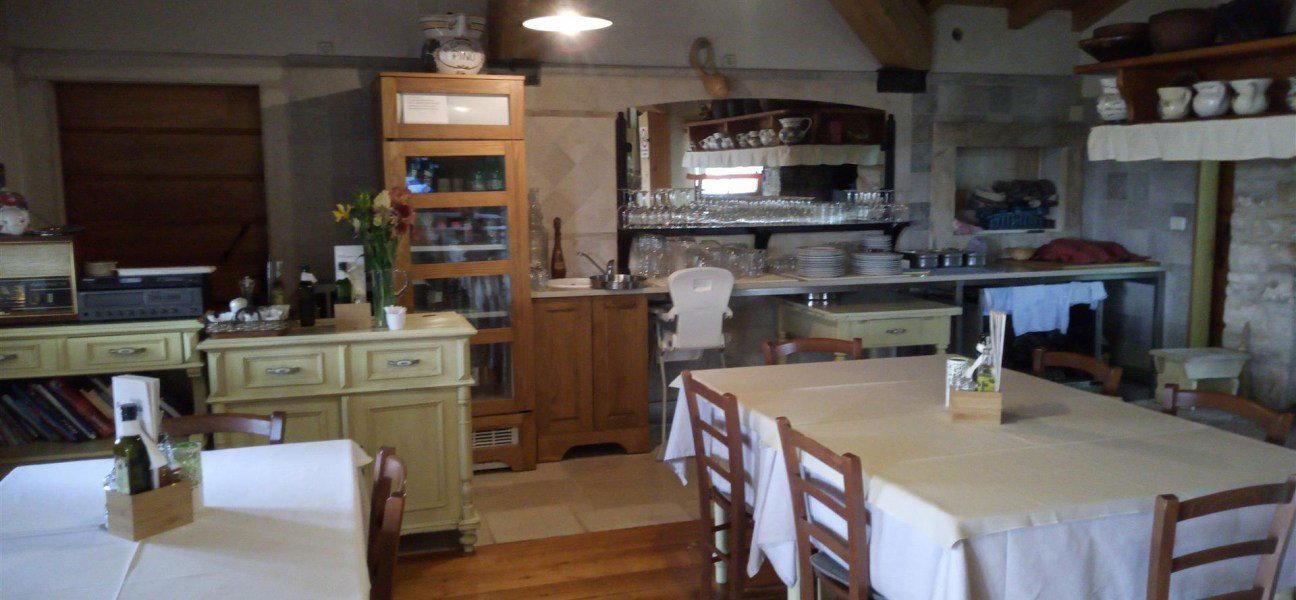
Inland Istria and the Case for Eating Away from the Coast
Croatia's premium dining conversation overwhelmingly centres on the water. Restaurant 360 in Dubrovnik commands city-wall views; Pelegrini in Sibenik works its Mediterranean sourcing against a cathedral backdrop; Agli Amici Rovinj brings Italian contemporary technique to Rovinj's waterfront energy. The inland Istrian table operates on different logic entirely. Here, the sea is not the reference point. The forest, the karst soil, the forager's basket, and the aging cellar are. Žminj, a small market town roughly equidistant from Poreč, Rovinj, and Pula, sits inside that inland tradition, and Puli Pineta at karlov vrt 1 is a traditional Istrian restaurant in Žminj, Croatia, with.
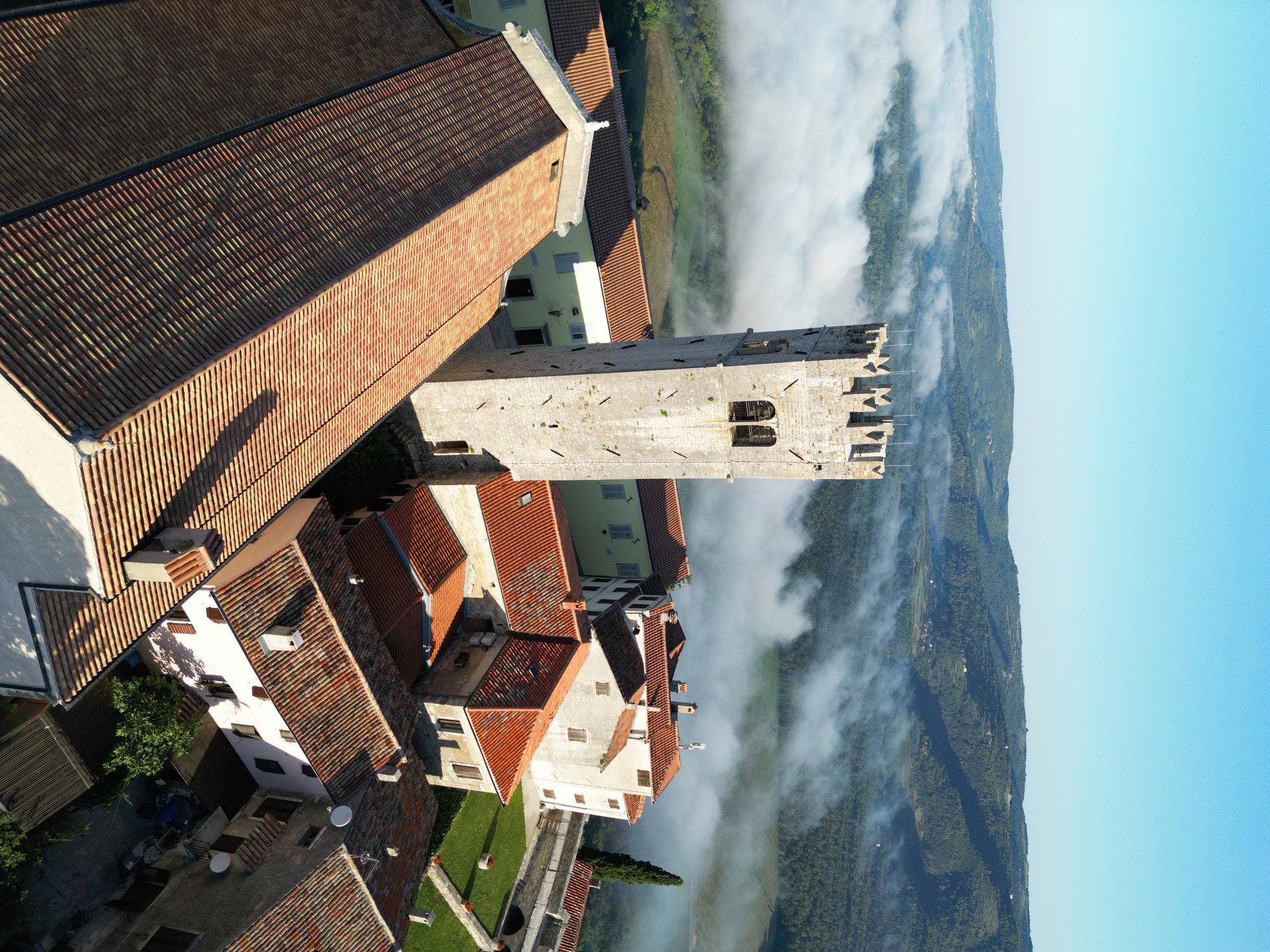
The approach to Žminj itself functions as a kind of palate-cleanser. The Istrian interior is defined by stone villages on low ridges, oak forest, and the kind of agricultural quiet that the coastal towns shed decades ago. Arriving here from the Poreč or Rovinj riviera, the contrast is immediate and deliberate. The name Puli Pineta, pine-adjacent in the local dialect register, points toward that environment: this is a place framed by its surroundings rather than despite them.
The Sourcing Logic of the Istrian Interior
Istrian inland cuisine rests on a sourcing philosophy that predates any contemporary farm-to-table framing. The region's truffles, both the white Tuber magnatum pico from the Mirna valley and the black varieties found through the broader Istrian interior, have shaped local cooking for generations, long before they became an international marketing category. The same applies to Istrian olive oil, which carries PDO status and is produced in small quantities by growers whose groves often border the same karst terrain where wild herbs and game are found. Pršut, the air-dried ham cured in the bora wind, and sheep's milk cheeses from the peninsula's interior complete a larder that is genuinely place-specific rather than assembled from regional distribution.
What distinguishes inland Istrian dining from its coastal counterpart is not prestige but proximity. At a venue like Puli Pineta, operating within Žminj's local economy, the supply chains are short by geography rather than by brand positioning. That structural fact shapes what appears on the plate and how it is priced relative to the coast, where the same ingredients often travel further and cost more once the tourist premium is applied. Comparable inland-oriented Croatian addresses, Korak in Jastrebarsko, Dubravkin Put in Zagreb, operate on related logic, rooting the menu in territorial ingredients rather than coastal spectacle. In Istria specifically, that approach carries particular weight because the ingredient base is both distinctive and legally protected.
What the Žminj Setting Means for the Plate
The Istrian interior's seasonal calendar is sharper than the coast's. Spring brings wild asparagus from the scrubland edges; autumn shifts decisively toward truffles, game, and chestnuts. Olive harvest runs through November. These are not interchangeable seasons. A restaurant in this geography that respects the calendar will read differently in May than in October, which is both a constraint and the source of its credibility. Venues that operate on a fixed, year-round menu in this setting are typically serving a different audience than those that let the forest and the soil set the terms.
The restaurant's address in Žminj places it within reach of all of this material. The town's weekly market and the broader Istrian truffle and olive networks mean that a kitchen here has genuine access to the ingredients that define the region at the highest level, not as imported luxury items but as local staples. For context, the white truffle season centred on nearby Motovun and the Mirna valley draws specialist buyers from across Europe each autumn, and the quantities traded there represent particularly valuable fungi in the world by weight. That is the ingredient environment in which an inland Istrian kitchen operates.
Positioning Within Croatia's Broader Dining Range
Croatia's premium restaurant tier has expanded considerably over the past decade. Nebo by Deni Srdoč in Rijeka and Boskinac in Novalja represent the direction in which serious Croatian hospitality has moved: technical ambition, strong wine programs, and an explicit dialogue with European fine dining conventions. LD Restaurant in Korčula and Krug in Split anchor the Dalmatian coast's upper tier. Inland Istria operates somewhat apart from that conversation, not beneath it. The reference points are different: less about technique signalling, more about the integrity of the ingredient and the directness of the cooking. Alfred Keller in Mali Lošinj and Cubo in Opatija sit in the Kvarner register; addresses like Burin in Crikvenica and Cantilly Garden Restaurant in Samobor illustrate how Croatian dining rewards lateral exploration beyond the headline cities. Žminj is that kind of lateral move within Istria itself.
For a frame of reference outside Croatia entirely: the discipline of sourcing close, cooking with restraint, and letting terroir-driven ingredients carry the plate is what separates addresses like Le Bernardin in New York City from volume-driven alternatives, and what distinguishes Atomix in New York City within its category. The ambition differs by scale and setting, but the underlying logic, that ingredient provenance is the non-negotiable foundation, applies across price points and geographies.
Planning a Visit to Puli Pineta
Žminj sits in the geographic centre of Istria, approximately 20 kilometres from Rovinj and 25 kilometres from Pula, making it accessible as a day excursion from either coastal base. The address at karlov vrt 1 is the practical anchor for navigation; Žminj itself is small enough that arrival in the town effectively means arrival at the venue. Given the inland location and the likely seasonal orientation of the kitchen, autumn visits aligned with the truffle season offer one direct engagement with what the Istrian interior does at its most concentrated. Confirm hours and availability before travel. For those also considering island or coastal addresses with similar sourcing values, BioMania Bistro Bol in Bol and Bodulo in Pag offer instructive points of comparison.
How It Stacks Up
Comparable venues nearby, for context on price, style, and recognition.
| Venue | Cuisine | Price | Notes |
|---|---|---|---|
| Puli PinetaThis venue — the venue you are viewing | Traditional Istrian | $$ | Not listed |
| Don Dino Restaurant | Modern Dalmatian Seafood | $$ | Trogir Old Town |
| Veli Jože | Traditional Istrian Seafood | $$ | Old Town |
| Oštarija Fortica | Croatian-Mediterranean | $$ | Kastav |
| Amfiteatar Restaurant | Mediterranean and Istrian with Modern Twist | $$ | Pula Arena |
| Konoba Galija | Mediterranean Seafood & Pizza | $$ | Krk town |
Continue exploring
More in Zminj
Restaurants in Zminj
Browse all →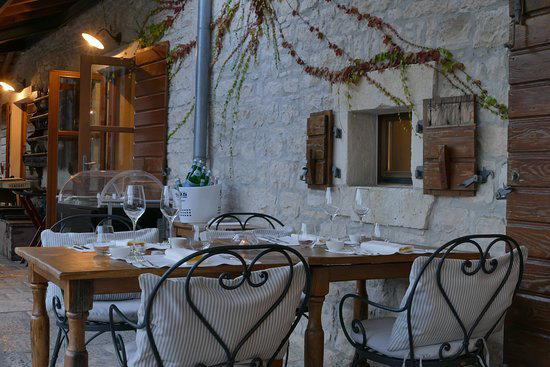
Bars in Zminj
Browse all →
Hotels in Zminj
Browse all →

At a Glance
- Rustic
- Cozy
- Classic
- Intimate
- Group Dining
- Casual Hangout
- Special Occasion
- Terrace
- Open Kitchen
- Standalone
- Beer Program
- Local Sourcing
- Farm To Table
Current opening hours
- Monday
- 12–10 PM
- Tuesday
- 12–10 PM
- Wednesday
- Closed
- Thursday
- 12–10 PM
- Friday
- 12–10 PM
- Saturday
- 4–10 PM
- Sunday
- 1–8 PM
Hours can change for holidays and private events. Last verified .
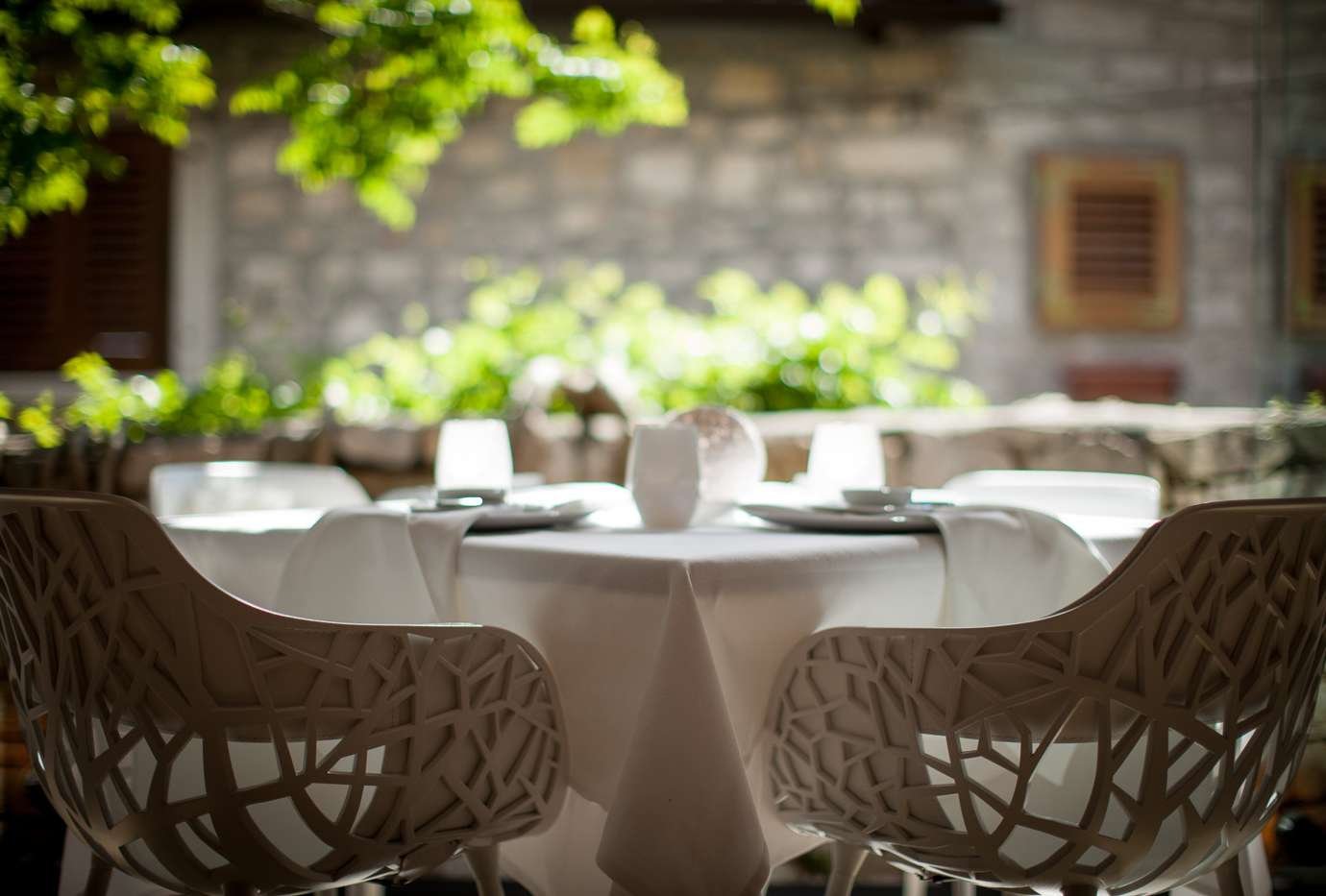
Homely and old-school interior dominated by traditional hearth and vintage sideboard; intimate dining with white tablecloths and vine-draped terrace in warm, welcoming setting.