Oštarija Fortica occupies the old town square of Kastav, a hilltop settlement above Rijeka where the Kvarner Gulf spreads across the horizon. The kitchen draws on the produce and preserved traditions of the Kvarner hinterland, placing it within a small group of Croatian restaurants that treat local sourcing as methodology rather than marketing. For anyone tracing serious dining through inland Istria and the Kvarner region, this is the stop that rewards the detour.
Pearl is the En Primeur Club membership app — saves, bookings, and concierge access live there. Same editors, same standards.
- Address
- Trg Matka Laginje 1, 51215, Kastav, Croatia
- Phone
- +385951691417
- Directions
- Get directions
 Saves & bookings on Pearl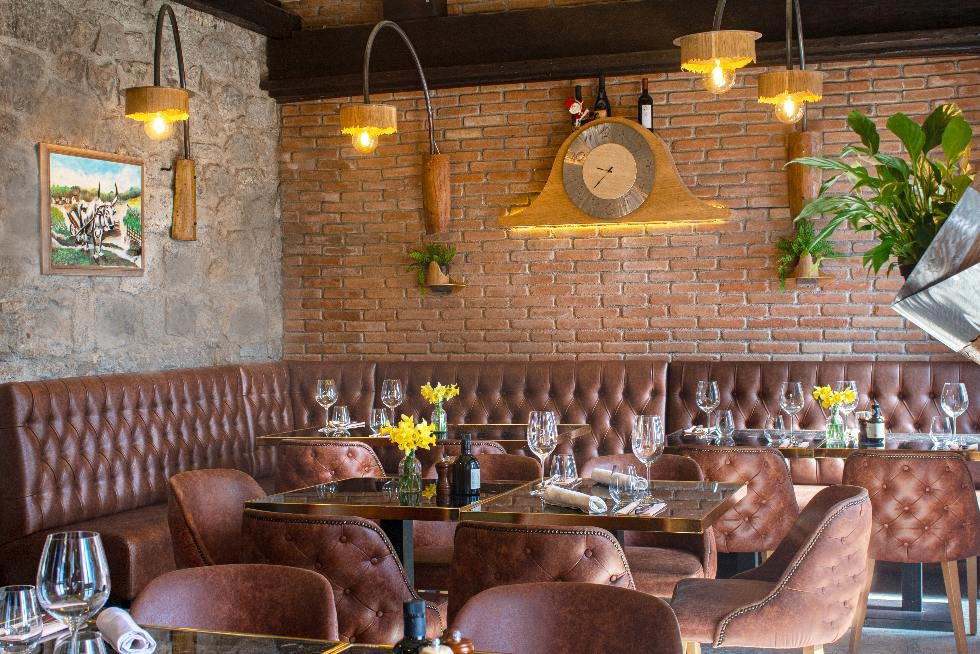
The Setting: Kastav's Town Square and What It Signals
Kastav is not a resort town. Perched on a limestone ridge above Rijeka, it holds its medieval street plan intact, with a main square ringed by stone facades that have changed little in centuries. When a restaurant occupies that square, at Trg Matka Laginje 1, it is not trading on proximity to a beach or a marina, but on something older: the gravitational pull of a fortified hilltop settlement that once controlled the routes between the coast and the continental interior. That position still shapes what ends up in the kitchen.
Arriving on foot from the car parks at the edge of the old town, the approach narrows through stone alleys before opening onto the square. The altitude brings a cooler air than the Opatija Riviera below, and with it a reminder that Kastav sits at a point where coastal and inland Croatian food traditions overlap. Oštarija Fortica sits within that overlap.
A Kitchen Shaped by the Kvarner Hinterland
The Kvarner region has a sourcing story that differs from Dalmatia and Istria in important ways. While Istrian truffles and Dalmatian lamb command broader international recognition, Kvarner produces a quieter but equally specific set of ingredients: Krk lamb grazed on aromatic scrubland, scampi from the Kvarner Gulf that chefs across Croatia cite as among the leading in the Adriatic, cheese traditions from the island interior, and cured meats from villages in the Gorski Kotar highlands just inland. A restaurant positioned in Kastav sits at a natural collection point for all of this.
The word oštarija itself is the Chakavian dialect term for an inn or tavern, the kind of place that historically served travellers moving through the region with whatever the surrounding land and sea could provide. That etymology is not decorative. In the better Croatian restaurants working under a traditional frame, the choice of a dialect name signals an intent to stay rooted in a specific geography, rather than reaching for the pan-Mediterranean register that defines much of the Croatian coast's premium dining offer. Compare the approach with something like Pelegrini in Sibenik or Restaurant 360 in Dubrovnik, both of which operate in a modern Mediterranean idiom with international reference points. Oštarija Fortica occupies a different register: locally anchored, dialect-named, hilltop-positioned.
Ingredient Sourcing as Editorial Argument
Across Croatian fine dining, sourcing claims have become commonplace enough to warrant scepticism. The restaurants that actually build supply relationships with specific producers, rather than simply listing regions on a menu, tend to show it in seasonal consistency and in the specificity of what they serve. In the Kvarner context, that means spring lamb before the summer heat, Kvarner scampi at their peak in cooler months, and the mushrooms and game that the Gorski Kotar forests produce in autumn. Positioning in a hilltop inland town, rather than on the coast, gives a kitchen natural proximity to the land-side of this supply chain.
This is the same logic that drives sourcing-led restaurants elsewhere in Croatia. Boskinac in Novalja on Pag makes the island's own lamb, olive oil, and wine its structural foundation. Korak in Jastrebarsko builds around the Samobor-Zagreb hinterland's produce. In each case, geography is not a backdrop but a constraint that shapes the menu's possibilities. Oštarija Fortica's Kastav address places it in that same category of restaurants where the map matters.
The Kvarner Dining Scene and Where Fortica Fits
Rijeka, the city immediately below Kastav, has developed a more serious restaurant culture than its profile outside Croatia typically suggests. Nebo by Deni Srdoč in Rijeka holds Michelin recognition and operates at the technical end of the regional offer. Cubo in Opatija, ten minutes down the hill, works the Riviera's premium leisure market. Oštarija Fortica is neither of these things. It reads as the kind of place that the Kvarner region has historically needed more of: a serious kitchen anchored in local tradition, in a location that rewards deliberate travel rather than passing trade.
That positioning carries practical implications. Kastav is a fifteen-to-twenty minute drive from Rijeka's centre and sits above the Opatija coastal road. It is not on anyone's accidental route. Guests arrive with intent, which tends to produce a different kind of dining room: fewer tourists on tight schedules, more people who have made a specific decision to eat here. The square itself is quiet by Croatian coastal standards, particularly outside the summer peak.
How Fortica Compares Across Croatian Dining Tiers
Croatia's restaurant scene has stratified considerably over the past decade. At the leading, Michelin-starred and 50 Best-adjacent restaurants like Agli Amici Rovinj and Alfred Keller in Mali Lošinj compete on technical ambition and international recognition. A tier below, restaurants like Dubravkin Put in Zagreb and LD Restaurant in Korčula offer polished regional cooking with serious wine programs. Then there is a category of smaller, place-specific restaurants where the editorial interest is less about technical bravado and more about what the kitchen expresses about its location. The restaurant belongs to that third category, where the standard comparison set includes places like Burin in Crikvenica and Bodulo in Pag, each of which makes a case for a specific stretch of the Croatian coast and its immediate hinterland.
Travellers moving through the wider Croatian dining circuit will also find useful reference points in Krug in Split, Cantilly Garden Restaurant in Samobor, and BioMania Bistro Bol in Bol, each representing a different answer to the question of what grounding a menu in Croatian geography can look like.
Planning a Visit
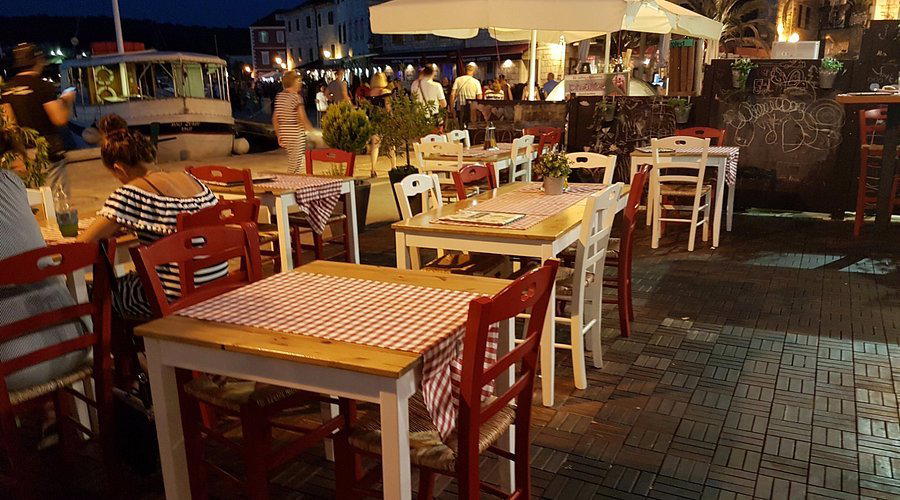
Kastav is most easily reached by car from Rijeka or from the Opatija Riviera, with parking available at the edge of the old town's pedestrian zone. The square address means the restaurant occupies a public setting, and the hilltop location brings cooler temperatures than the coast, which makes outdoor seating in the summer months more comfortable than at sea level. The town rewards time on foot before or after a meal: the old fortifications and the views across the Kvarner Gulf toward Cres and Lošinj are the context that makes the oštarija format here make sense.
Side-by-Side Snapshot
Comparable venues nearby, for context on price, style, and recognition.
| Venue | Cuisine | Price | Notes |
|---|---|---|---|
| Oštarija ForticaThis venue — the venue you are viewing | Croatian-Mediterranean | $$ | Not listed |
| Konoba Tri Maruna | Traditional Croatian Konoba | $$ | Poljica |
| Corto Magarese | Mediterranean | $$ | Vis |
| Art Farm Filozići POP | Farm-to-Table Mediterranean | $$ | Filozići |
| Primizia | Mediterranean Pizza & Istrian | $$ | Brtonigla |
| Roko | Traditional Croatian Mediterranean Seafood | $$ | Opatija Center |
Continue exploring
More in Kastav
Restaurants in Kastav
Browse all →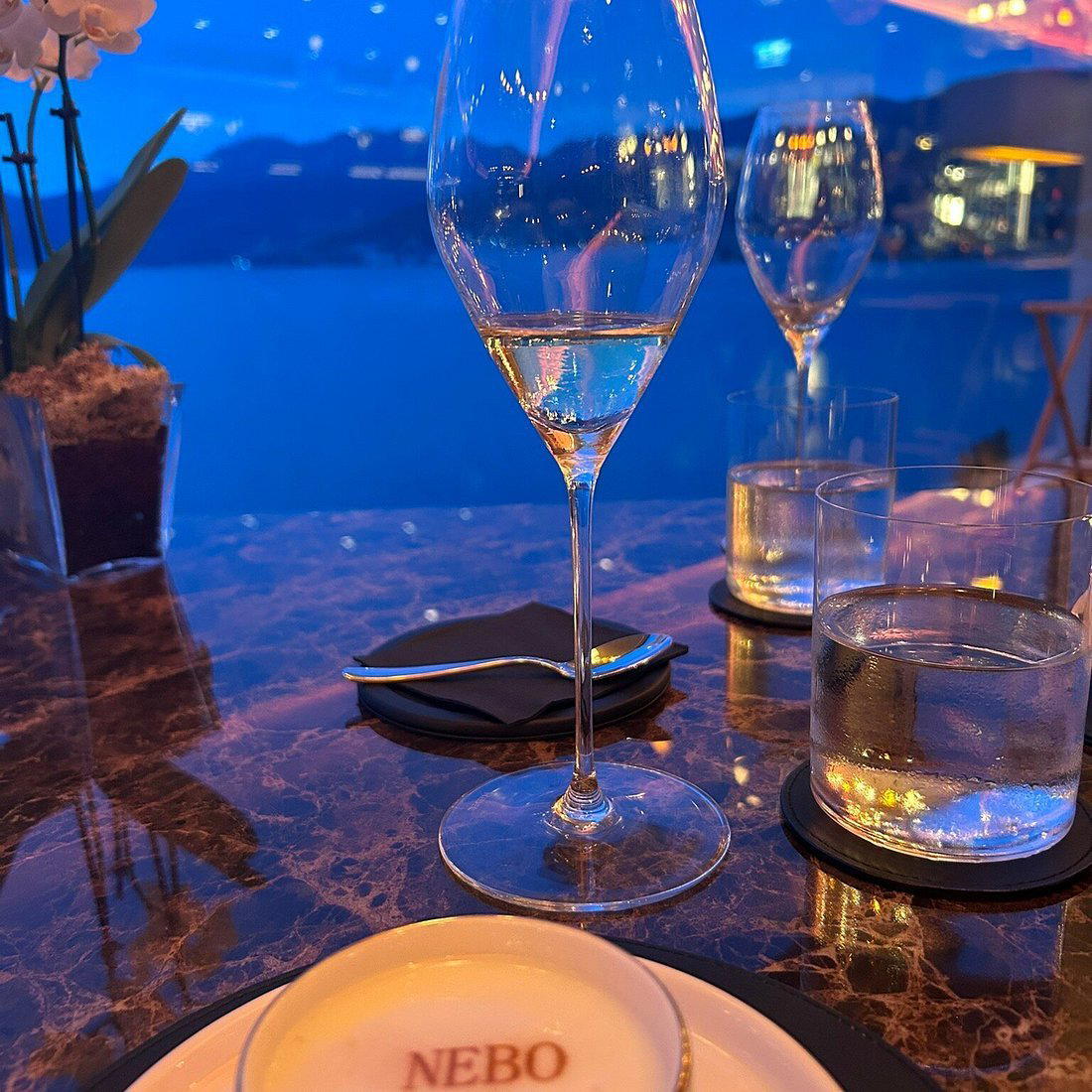
Bars in Kastav
Browse all →

Hotels in Kastav
Browse all →
At a Glance
- Cozy
- Rustic
- Scenic
- Date Night
- Business Dinner
- Group Dining
- Family
- Terrace
- Open Kitchen
- Local Sourcing
- Street Scene
Current opening hours
- Monday
- Closed
- Tuesday
- 10 AM–11 PM
- Wednesday
- 10 AM–11 PM
- Thursday
- 10 AM–11 PM
- Friday
- 10 AM–11 PM
- Saturday
- 12–11 PM
- Sunday
- 12–6 PM
Hours can change for holidays and private events. Last verified .
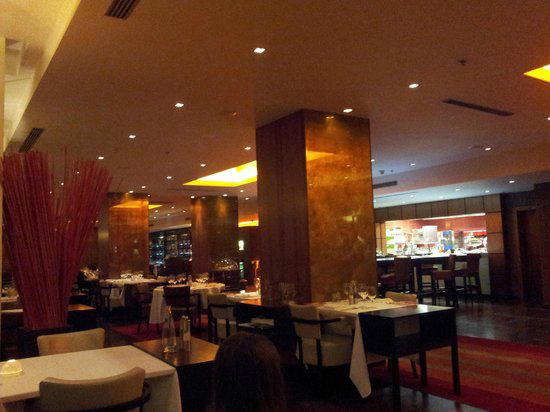
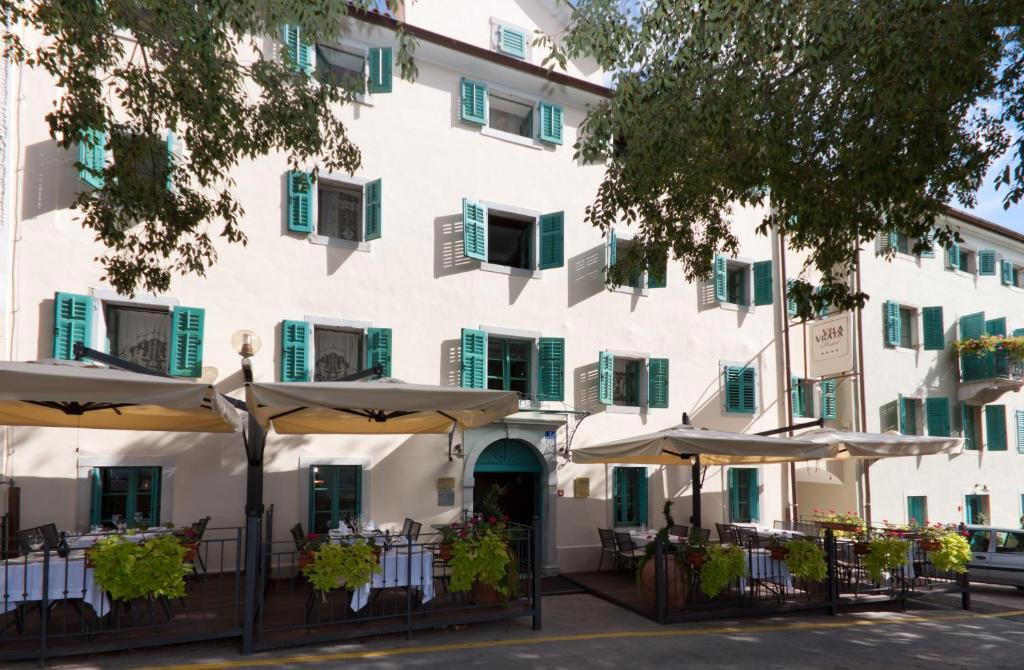
Cozy rustic interior with open kitchen and warm lighting, complemented by a pleasant terrace shaded by natural greenery.