On Krk's old town waterfront, Konoba Galija occupies the kind of address that defines the Kvarner Gulf dining tradition: stone walls, Adriatic catches landed nearby, and a menu built around what the sea and the island's interior provide. Among Krk's konoba circuit, it sits in the more established tier, drawing both locals and visitors who arrive specifically for the seafood.
Pearl is the En Primeur Club membership app — saves, bookings, and concierge access live there. Same editors, same standards.
- Address
- Frankopanska 38, 51500, Krk, Croatia
- Phone
- +38551221250
- Website
- galijakrk.com
- Directions
- Get directions
 Saves & bookings on Pearl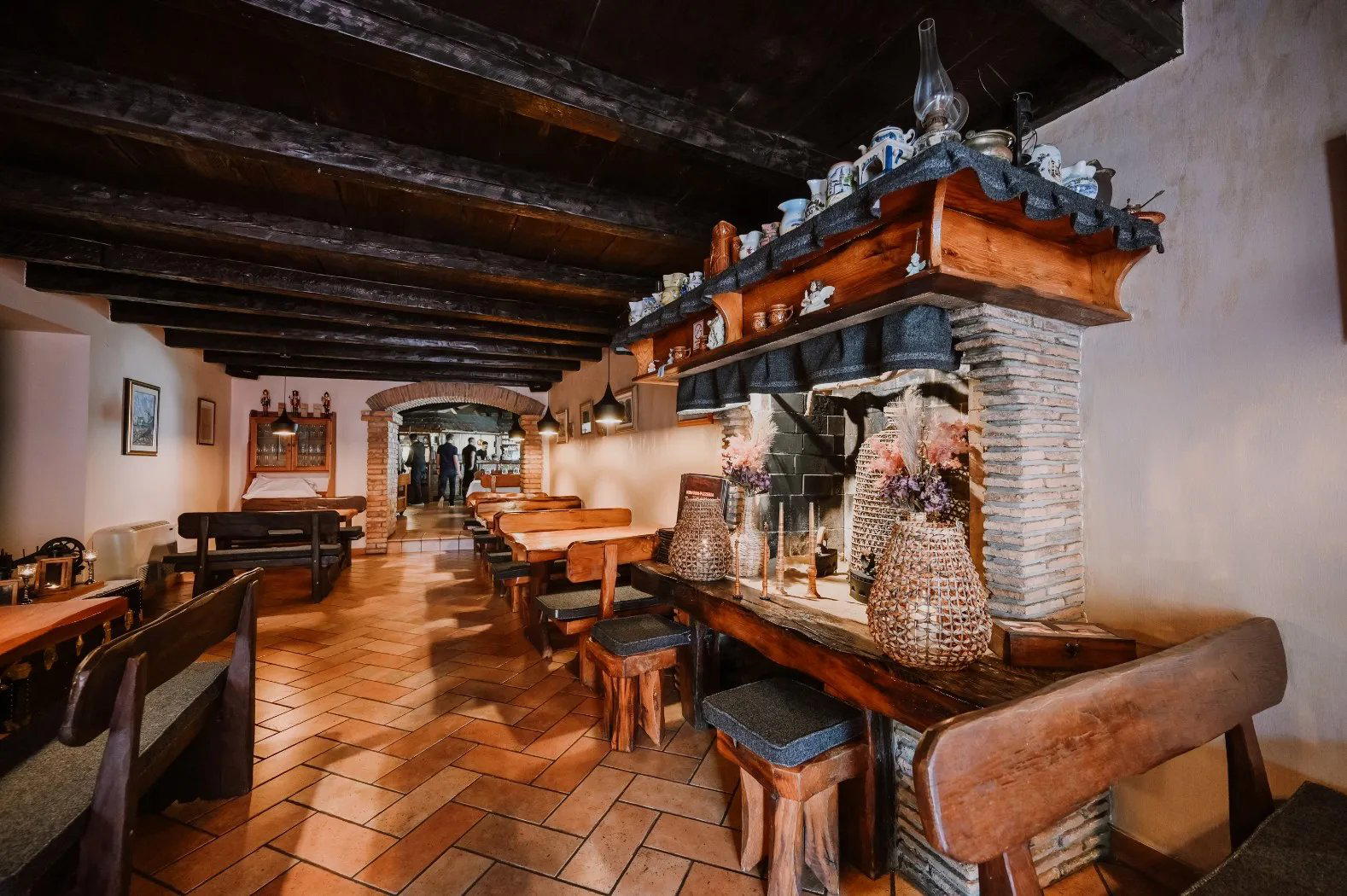
Stone, Salt, and the Kvarner Shoreline
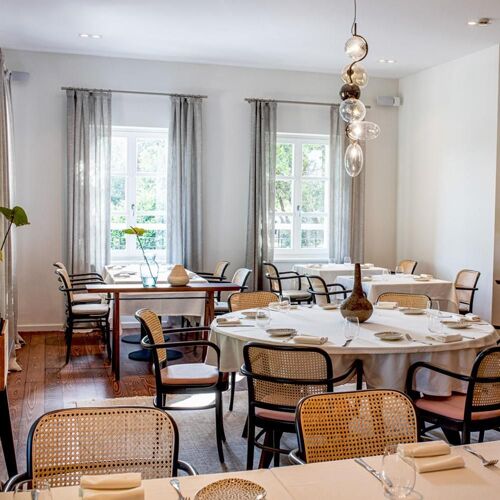
Konoba Galija is a restaurant at Frankopanska 38 in Krk, Croatia, serving Mediterranean Seafood & Pizza. The street runs through the medieval core, where the stone buildings press close and the pace drops noticeably from the harbour esplanade. Konoba Galija sits at number 38, inside that grid of narrow lanes, and the setting is worth reading as context before the meal. The room reads as a working dining space rather than a stage set, which on an island where coastal atmosphere can tip quickly into tourist theatre, is a meaningful distinction.
The Konoba Tradition on the Kvarner Islands
The konoba format is the dominant dining idiom across the Croatian coast and its islands. In its original form, a konoba was a cellar or simple tavern where wine and preserved food were stored and served. Over generations, the word has come to describe a broader category of informal, family-run dining rooms where the menu follows seasonal and local availability rather than a fixed creative program. On Krk, this means Adriatic fish, shellfish from nearby waters, lamb from the island's inland pastures, and local wines, primarily from indigenous grape varieties that don't circulate widely beyond the Kvarner region.
Distinction within the konoba tier matters. Some establishments on Krk have drifted toward simplified tourist menus, trading seasonal fidelity for year-round consistency. The more respected houses in the category hold closer to the original logic: shorter menus, daily changes driven by catch and availability, and an approach to olive oil, bread, and side vegetables that treats them as seriously as the centrepiece protein. Konoba Galija's address in the old town rather than on a more commercially visible waterfront strip is one signal of where it positions itself within that spectrum.
What the Location Means for the Experience
Place matters on Krk in a way that's easy to underestimate from a distance. The island is the largest in the Kvarner Gulf and more accessible than most Croatian islands, connected to the mainland by a bridge that makes it a realistic day trip from Rijeka or even Zagreb. That accessibility has shaped Krk town's dining scene differently from more isolated Adriatic islands: the volume of visitors is higher, the range of options is wider, and the konoba circuit includes establishments operating at several different levels of ambition and authenticity.
Krk's old town core, enclosed by its medieval walls, operates at a quieter register than the marina-facing streets. Dining inside the walls tends toward smaller rooms, less ambient noise, and a clientele that skews toward repeat visitors and locals rather than first-time arrivals. For a konoba, that context is broadly positive: the format rewards unhurried meals and benefits from a room where conversation is audible. Approaching from the harbour, the walk to Frankopanska takes under five minutes but crosses a threshold in atmosphere that feels more significant than the distance suggests.
Konoba NONO, Konoba pud Brest, Karaka, and Golden Rose, all of which operate in variations of the seafood-forward, informal format.
Seafood Cooking in the Kvarner Context
Kvarner seafood has a distinct reputation within Croatian cooking. The gulf's waters produce scampi (langoustines) that are considered among the leading on the eastern Adriatic, along with sea bass, dentex, and bream caught by local day-boat fishermen. The regional cooking approach keeps intervention minimal: grilling over charcoal or wood, finishing with cold-pressed olive oil, and relying on the quality of the raw material rather than complexity of technique. Nebo by Deni Srdoč in Rijeka or the Michelin-recognised work at Pelegrini in Sibenik, but it answers a different question, one about locality and directness rather than transformation.
At the upper register, places like Restaurant 360 in Dubrovnik, LD Restaurant in Korčula, and Agli Amici Rovinj in Rovinj operate with tasting menus and formal service structures. Below that, the konoba tier handles the majority of serious dining across Croatia's coastal towns and islands. For visitors oriented toward the second category, Krk's old town options are among the more considered on the northern Croatian islands, with Boskinac in Novalja on nearby Pag island representing a hybrid case where a wine estate and konoba sensibility are combined with higher production values. Further inland, Dubravkin Put in Zagreb and Korak in Jastrebarsko show how the same seasonal, local-sourcing logic translates to the continental interior. Le Bernardin in New York City, even if the scale and formality are entirely different categories.
Planning a Visit
Krug in Split, Alfred Keller in Mali Lošinj, or BioMania Bistro Bol in Bol, will find Galija fits naturally into an itinerary built around the Adriatic's less formal but equally ingredient-focused end of the dining spectrum.
A Minimal comparable set
Comparable venues nearby, for context on price, style, and recognition.
| Venue | Cuisine | Price | Notes |
|---|---|---|---|
| Konoba GalijaThis venue — the venue you are viewing | Krk town, Mediterranean Seafood & Pizza | $$ | Not listed |
| Konoba pud Brest | Not listed | $$ | Milohnići, Traditional Croatian Farm-to-Table |
| Konoba NONO | Not listed | $$ | Krk, Traditional Croatian Seafood & Grill |
| Golden Rose | Krk, Creative Adriatic Seafood | $$ | Not listed |
| Karaka | Krk, Croatian Mediterranean Seafood | $$ | Not listed |
| Corto Magarese | Vis, Mediterranean | $$ | Not listed |
Continue exploring
More in Krk
Restaurants in Krk
Browse all →
Bars in Krk
Browse all →
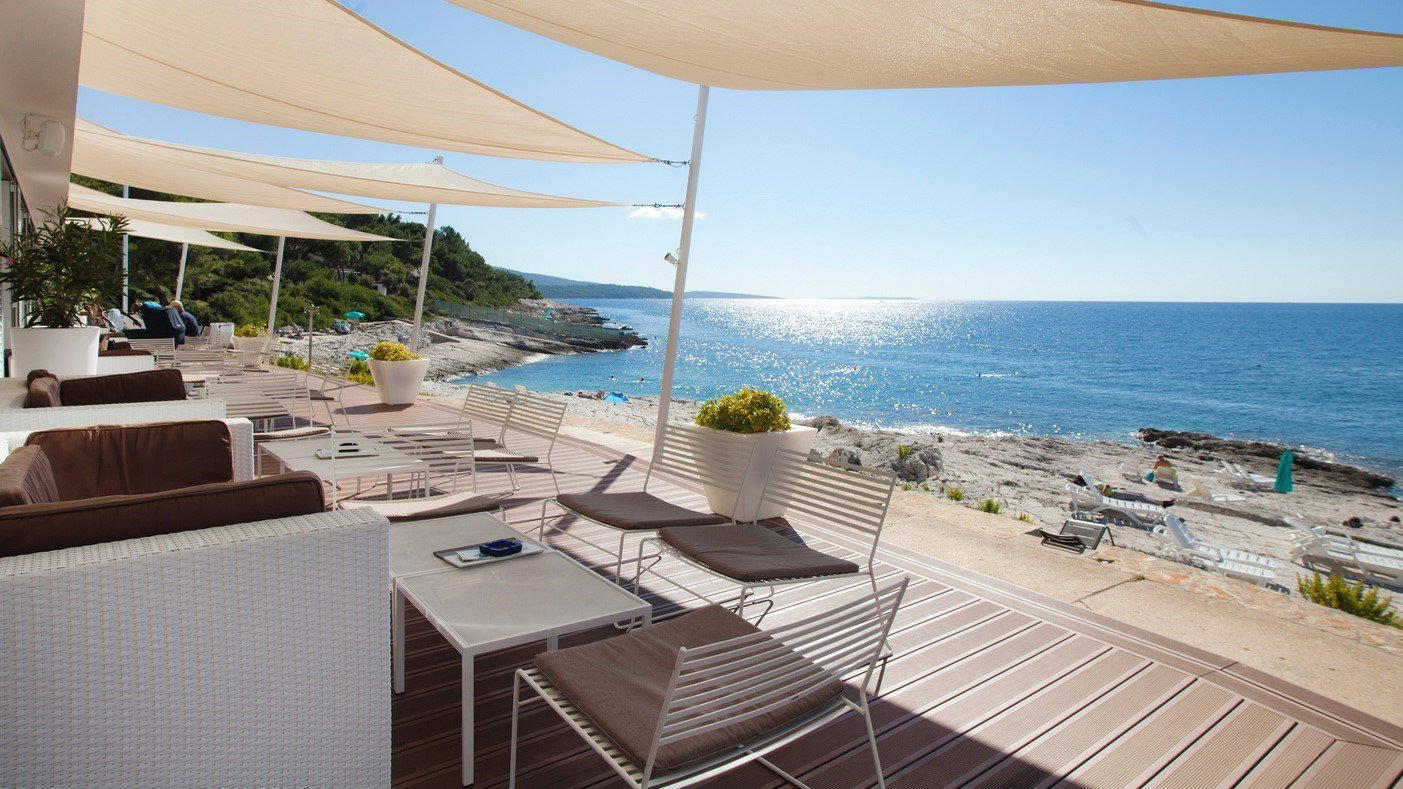
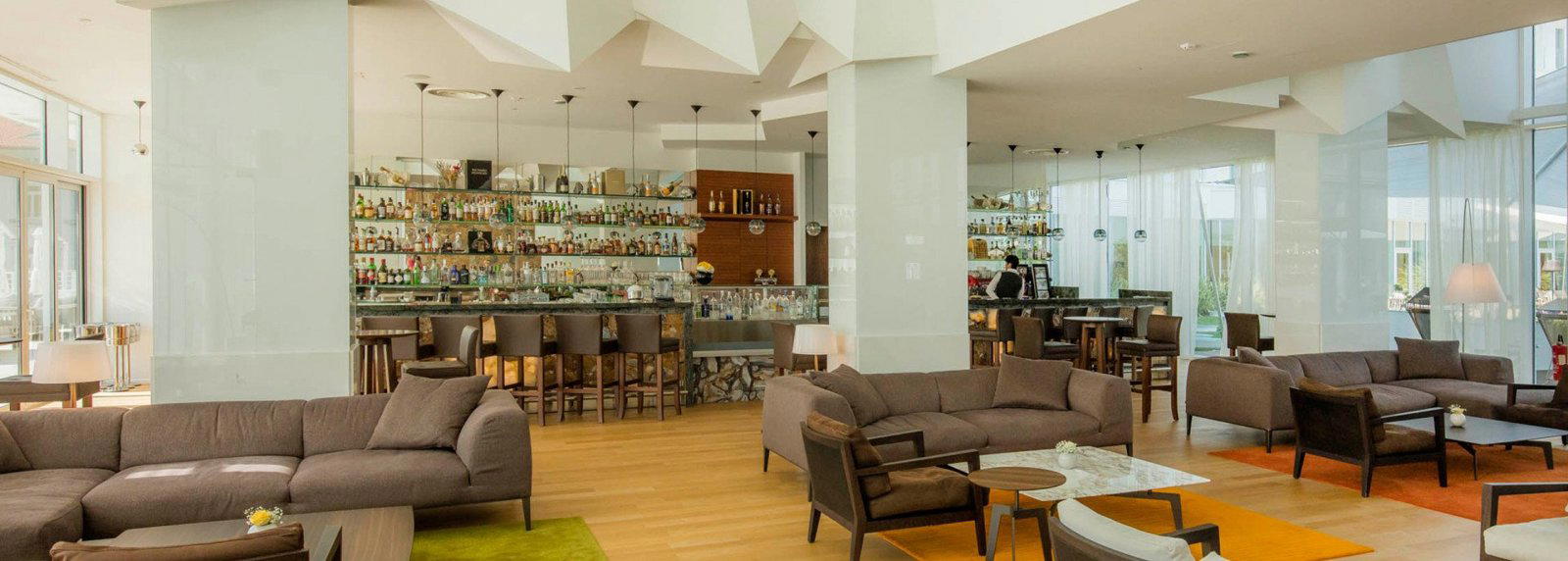
Hotels in Krk
Browse all →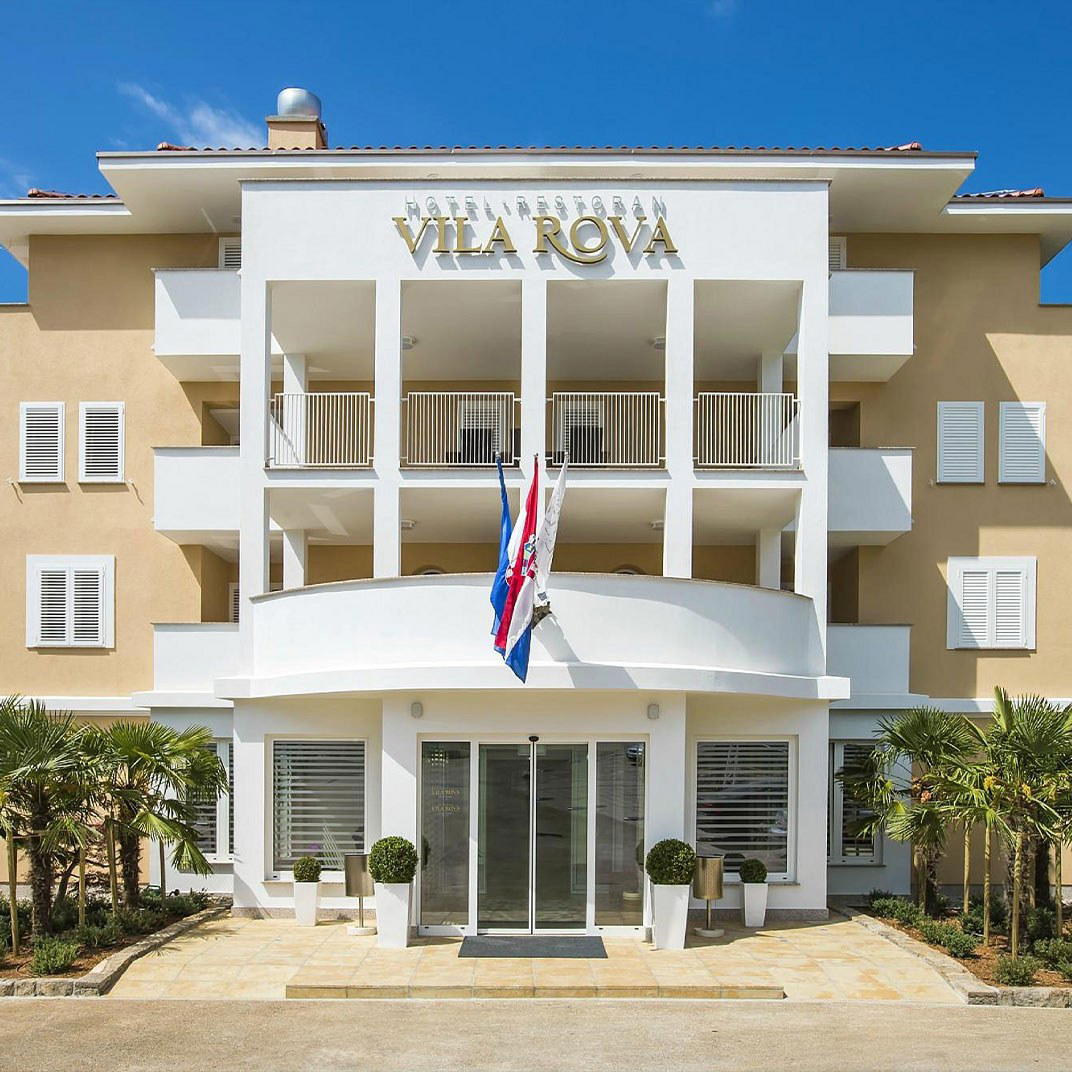
At a Glance
- Rustic
- Cozy
- Family
- Casual Hangout
- Standalone
- Local Sourcing
Current opening hours
- Monday
- 12–11 PM
- Tuesday
- 12–11 PM
- Wednesday
- 12–11 PM
- Thursday
- 12–11 PM
- Friday
- 12–11 PM
- Saturday
- 12–11 PM
- Sunday
- 12–11 PM
Hours can change for holidays and private events. Last verified .
Inviting and classic Mediterranean atmosphere with a focus on fresh, simple preparations.