
Tabelog 100 #99
Our verdict
Puja places Bengali-leaning Indian curry inside Tokyo’s quieter Machiya circuit rather than the city’s hotel-dining orbit. Its Tabelog 100 selections across curry and Asian/Ethnic categories give it a credible place in the city’s serious casual-dining conversation, with a small-room format that suits diners who value focus over ceremony.

Pearl is the En Primeur Club membership app, where members save venues, book tables and use the concierge.
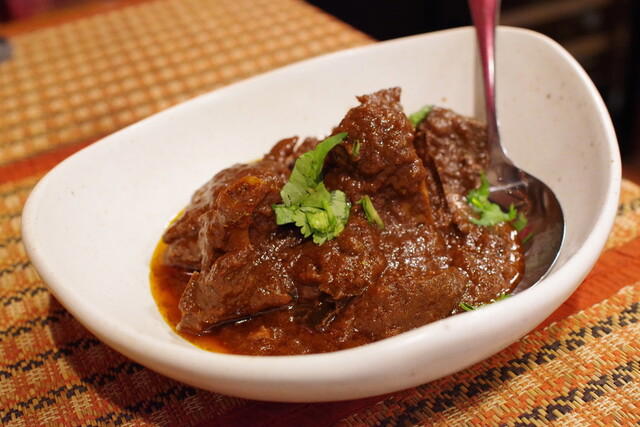
The menu
What to order
- Bengali thali set
- Fish curry (machh-bhaat)
- Mustard-based Bengali curries
The approach sets the tone before the first order: a Tokyo restaurant setting where service rhythm still matters. Tokyo curry culture is not one lane; it runs from train-station katsu curry and spice-curry counters to Indian restaurants with loyal local followings. Puja belongs in that broader conversation: a restaurant whose recognition has been built through local attention rather than spectacle.
That distinction matters. Tokyo’s Indian dining scene is broad, yet visitors often read curry too casually, as an interchangeable lunch category. The better reading is granular: North Indian restaurant formats, South Indian canteen-style meals, Japanese curry shops, spice-curry specialists, and other cooking styles occupy different lanes. Puja is listed for Indian and Indian curry, placing it away from the generic shorthand many diners associate with Indian restaurants in Japan.
Tokyo curry culture with a regional accent
Tokyo is not only the major hotel-and-department-store axis, which is part of the argument. The city rewards diners willing to look beyond the most obvious dining circuits. Across Tokyo, restaurants often run at neighbourhood scale: practical service, regular local use, and pricing that does not mimic central Tokyo tasting-menu economics. Puja’s Tabelog Hyakumeiten recognition in 2024 signals more than convenience. It has been noticed within the city’s deeper casual-dining tier.
The point is not that every awarded curry restaurant in Tokyo belongs in the same conversation. Other Tokyo dining rooms speak to different strands of the city’s curry culture, while Ramen 1/20 in Tokyo, from the comparison set, sits in a separate dining bracket. Puja complicates the map: Indian and Indian curry in Tokyo, in a format where kitchen and floor still need to work in close rhythm.
The team dynamic is less about named personalities than format. In this kind of restaurant, the division between cooking, service, and table management is visible: pacing must suit lunch traffic and evening meals; the room must absorb regulars and visitors without turning chaotic; and the experience depends on more than a bare-bones curry-counter model. That does not make the restaurant formal. It makes coordination part of the experience.
A small room changes how the meal works
Tokyo diners often evaluate restaurants through precision: counter seats, course length, chef lineage, reservation scarcity. Curry rooms need another lens. The question is whether the format lets food carry detail without drowning it in ceremony. Puja’s Tokyo setting points to a lower-friction meal rather than a performance. That is meaningful in Tokyo, where many serious restaurants can feel difficult to read for first-time visitors even when the meal itself is casual.
The room also fits a broader Tokyo pattern: ethnic and regional restaurants that build credibility through consistency, not luxury cues. Tabelog’s 3.61 score is not a trophy number alone, but paired with Hyakumeiten recognition it indicates sustained attention from a demanding local review culture. In a city where diners parse decimal points and category lists intensely, that combination carries more weight than generic praise.
Comparison defines the choice. Senju Takeyabu in Tokyo, from the comparison set, belongs to a different dining lane. Yamada Ya in Tokyo operates as another kind of itinerary decision. Puja is not a substitute for those meals; it is a different decision, trading formality for category focus and neighbourhood scale. For a Tokyo itinerary, it works between larger-ticket meals rather than as an imitation of them.
For planning, Our full Tokyo restaurants guide gives the wider dining frame, while Our full Tokyo hotels guide, Our full Tokyo bars guide, Our full Tokyo wineries guide, and Our full Tokyo experiences guide help place the meal inside a fuller trip. Within Tokyo’s restaurant spread, adjacent editorial reference points can range across casual dining, specialty formats, and neighbourhood draws, each reflecting a different reading of how the city eats outside its most formal rooms.
Where it fits in a Tokyo itinerary
Puja works when the itinerary has room for Tokyo beyond the hotel concierge circuit. It is better read as a focused Tokyo meal than a grand destination dinner. The listed budget places it in the practical dining category, but the award history argues against treating it as filler. Schedule it when the day already allows a more local route, or when a traveller wants a meal showing how deeply Tokyo’s non-Japanese cuisines are embedded in the city’s everyday dining map.
Regional comparison across Japan clarifies the point. Serious Asian cooking often sits outside the capital’s obvious luxury grid, and curry conversations extend beyond Tokyo as well. Other casual restaurants around Japan sit in different regional categories, but together underline the same planning principle: Japan’s compelling meals are not confined to the formal dining tier.
For international contrast, casual Japanese and Asian formats abroad often come with clearer branding and more explicit storytelling. Tokyo can be less explanatory. Puja asks the diner to read signs locals already understand: category recognition, Tabelog scoring, neighbourhood loyalty, and a meal format built for repeat use.
Same-City Peers
Comparable venues for orientation by cuisine and category.
| Venue | Cuisine | Price | Awards | Notes |
|---|---|---|---|---|
| PujaThis venue (the venue you are viewing) | Authentic Bengali home-style restaurant | $10–20 | Tabelog 100 #99 | Not listed |
| Shōtai-en | Japanese Yakiniku | $50–100 | Tabelog 100 #17 | Not listed |
| Ramen 1/20 | Ramen shop | $10–20 | Tabelog 100 #29 | JPY 1,000 - JPY 1,999 |
| Senju Takeyabu | Traditional Soba Noodle Shop | $10–20 | Tabelog 100 #62 | JPY 4,000 - JPY 4,999 JPY 2,000 - JPY 2,999 View spending breakdown |
| Yamada Ya | Tokyo Yakiniku (Japanese BBQ) | $20–30 | Tabelog 100 #73 | JPY 8,000 - JPY 9,999 JPY 6,000 - JPY 7,999 View spending breakdown |
| Moranbong | Traditional Korean Yakiniku with Sendai Beef | $100–150 | Not listed | Not listed |
Recognition history
Dated appearances from independent guides and award organizations, with the underlying list record or original source where available.
Tabelog 100 #99 · No. 99
Tabelog · Tabelog 100 - Asian cuisine / Ethnic cuisine - TOKYO - 2024
Continue exploring
More in Tokyo
Restaurants in Tokyo
All restaurants in Tokyo →


Bars in Tokyo
All bars in Tokyo →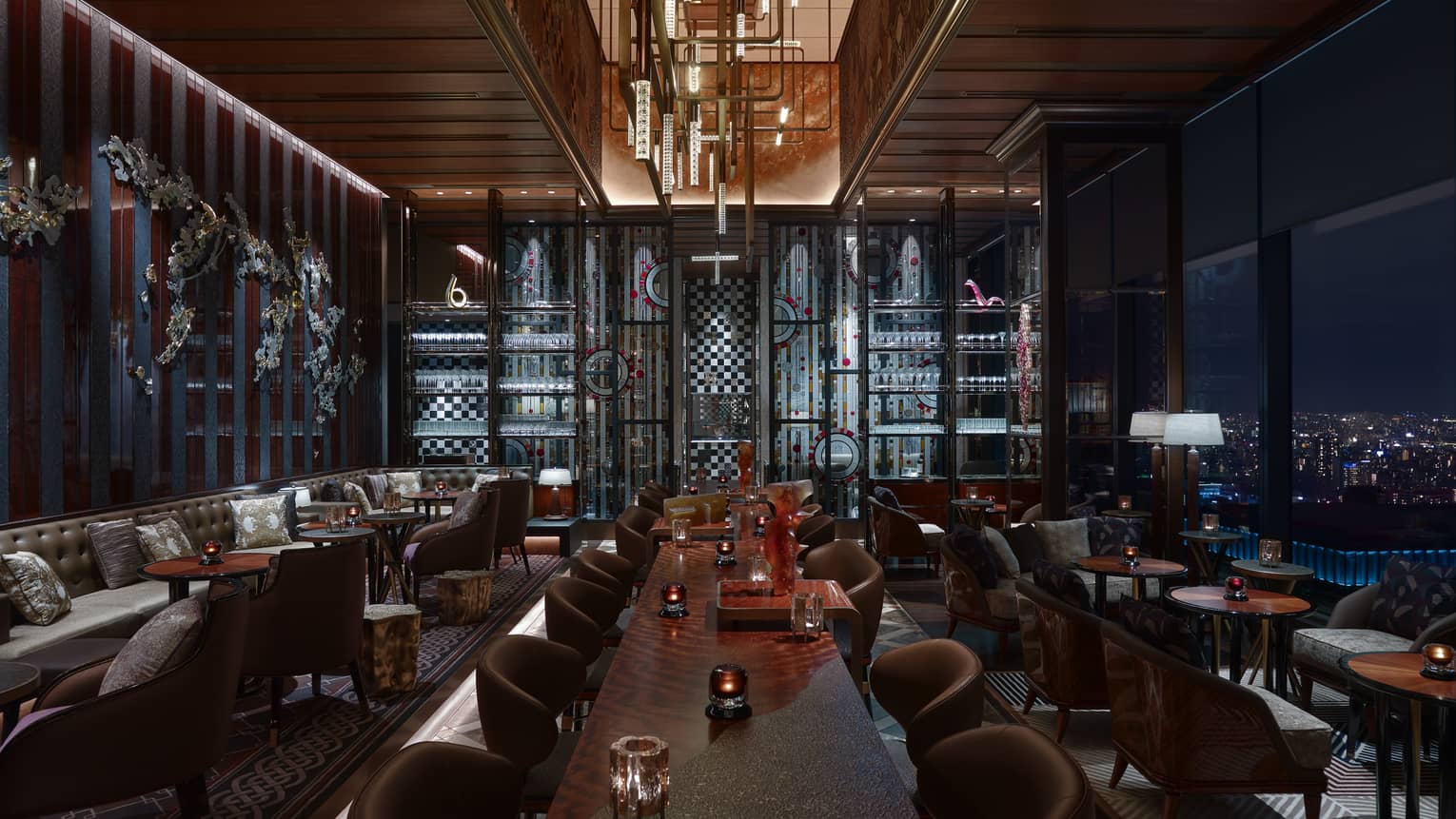







Details
- Cozy
- Solo
- Family
- Group Dining
- Casual Hangout
- Standalone
- A La Carte
- Family Style
- Vegetarian Friendly
- Halal
Current opening hours
- Monday
- 12–2 PM, 6–8 PM
- Tuesday
- 12–2 PM, 6–8 PM
- Wednesday
- Closed
- Thursday
- 12–2 PM, 6–8 PM
- Friday
- 12–2 PM, 6–8 PM
- Saturday
- 12–2 PM, 6–8 PM
- Sunday
- 12–2 PM, 6–8 PM
Hours can change for holidays and private events. Hours as of .
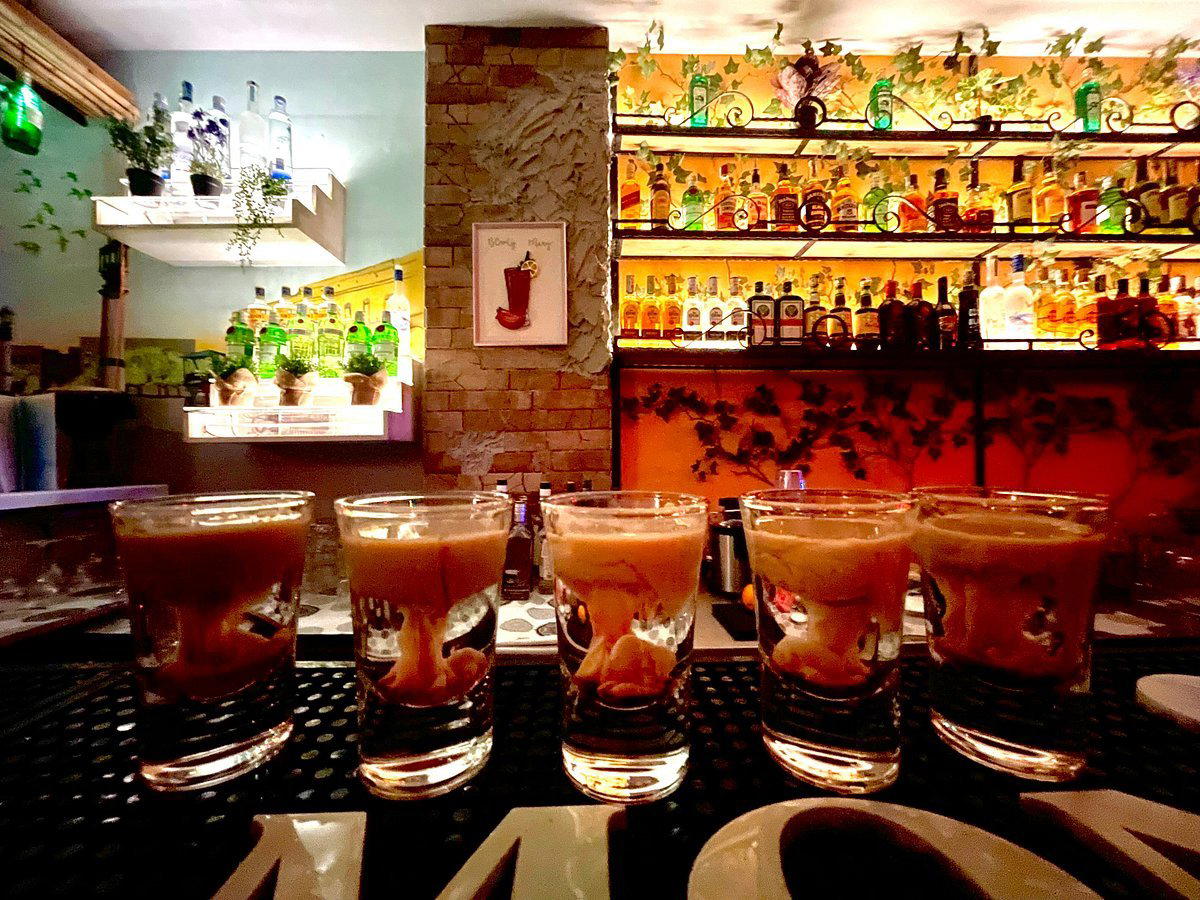
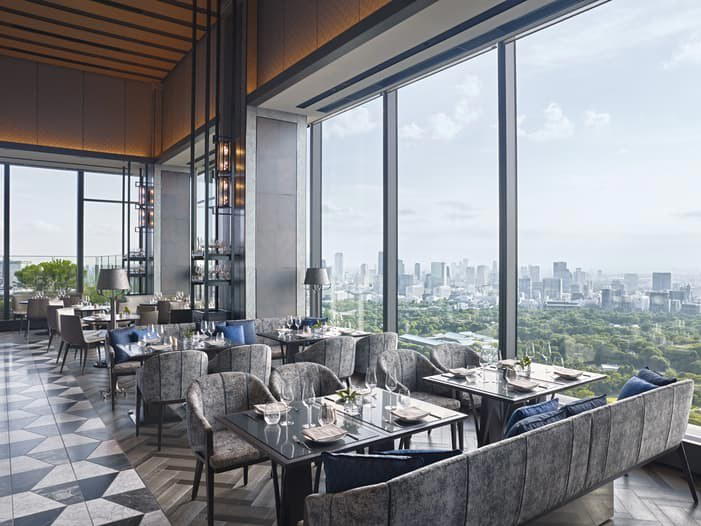
A warm, unpretentious basement dining room with around sixteen seats, simple décor and brass serving ware, creating a homely, canteen-like feel where the focus is on conversation and food rather than design.