
Shokudo chisan places Nagoya’s Meieki dining culture in a polished but compact Italian register: charcoal-grill cues, pasta, steak, fish-led cooking, and a wine-aware service model rather than a casual station meal. Its selection for Tabelog 100 Italian EAST 2025 gives it a clear trust signal in a city where Italian dining often sits between neighbourhood comfort and special-occasion formality.
Pearl is the En Primeur Club membership app — saves, bookings, and concierge access live there. Same editors, same standards.
- Address
- 3 Chome-5-13 Meieki, Nakamura Ward, Nagoya, Aichi 450-0002, Japan
- Phone
- +81 52-685-6177
- Website
- s.tabelog.com
 Saves & bookings on Pearl
Approaching the Meieki side of Nagoya, the dining rhythm changes quickly: office towers, underground passages, hotel lobbies, and small ground-floor restaurants compress into a neighbourhood built for meals before trains, after meetings, and late enough to make dinner feel deliberate. In that setting, Shokudo chisan belongs to a more composed strain of station-area Italian dining, where the ritual is not a long French-style procession but a sequence of shared plates, wine, grill work, pasta, and a table that can move at either weekday pace or celebration tempo.
Nagoya is often read through miso katsu, hitsumabushi, kishimen, and coffee-shop morning sets, but its central dining districts also support a serious appetite for Japanese-Italian rooms. These restaurants tend to be less about strict regional Italian orthodoxy than about format: produce-led plates, pasta as a hinge rather than a whole identity, meat or fish from the grill, and wine service that gives the meal its shape. Shokudo chisan’s categories, Italian, pasta, and steak, put it squarely in that camp, while the listed emphasis on fish and wine narrows the frame further.
A Meieki Italian room built around pacing, wine, and the grill
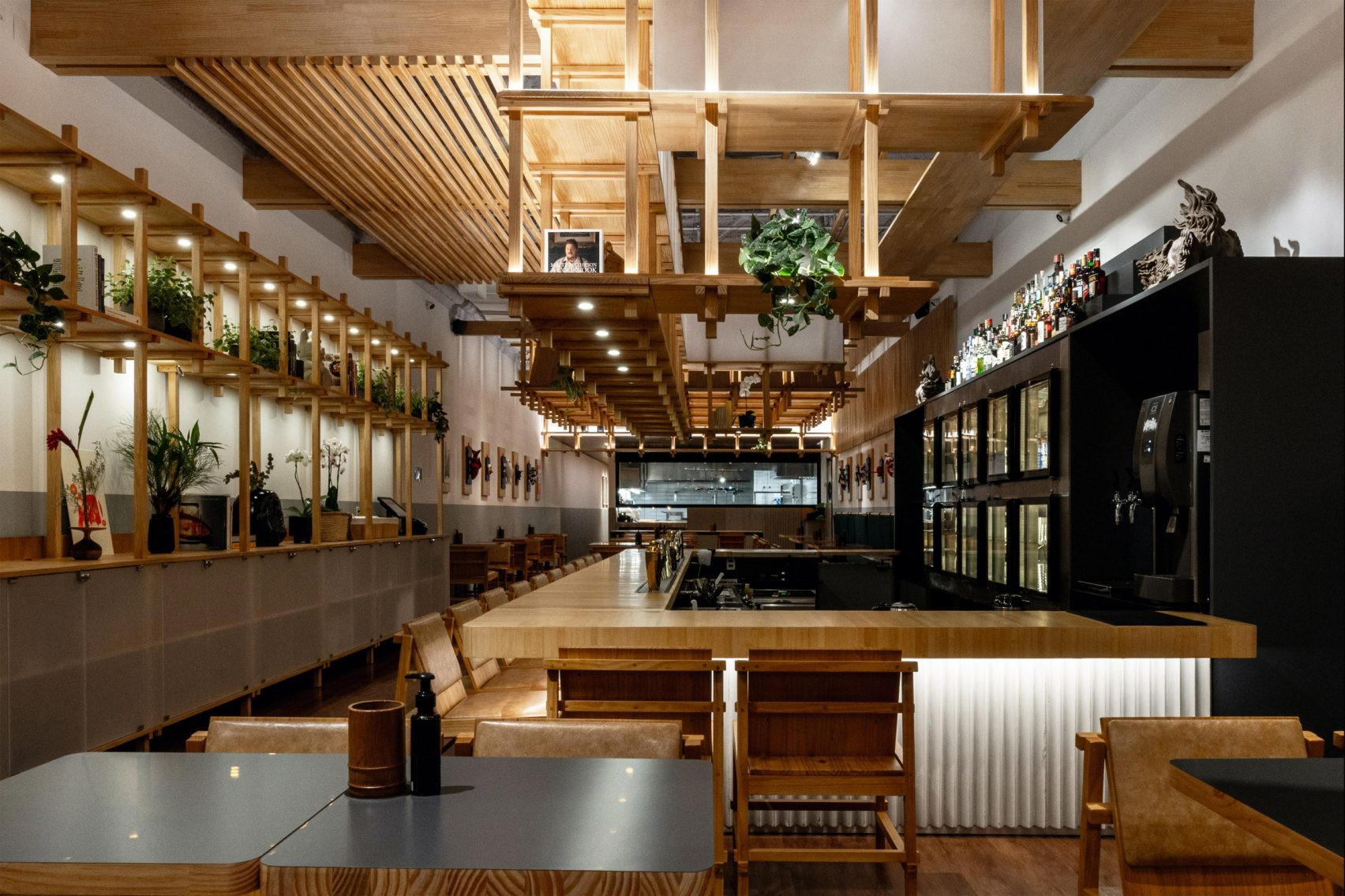
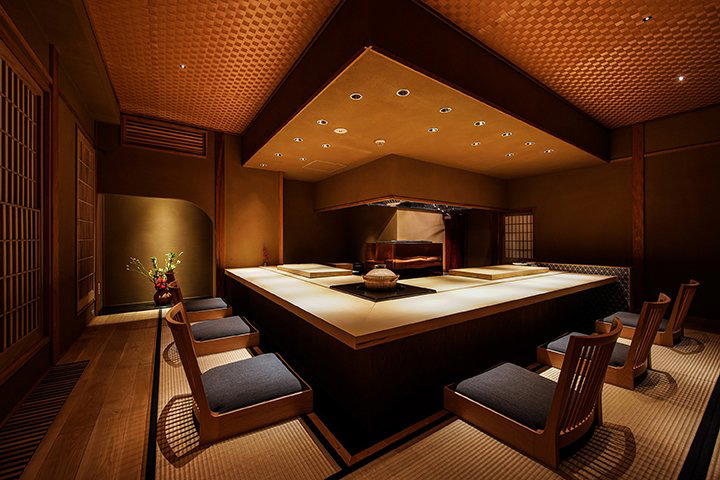
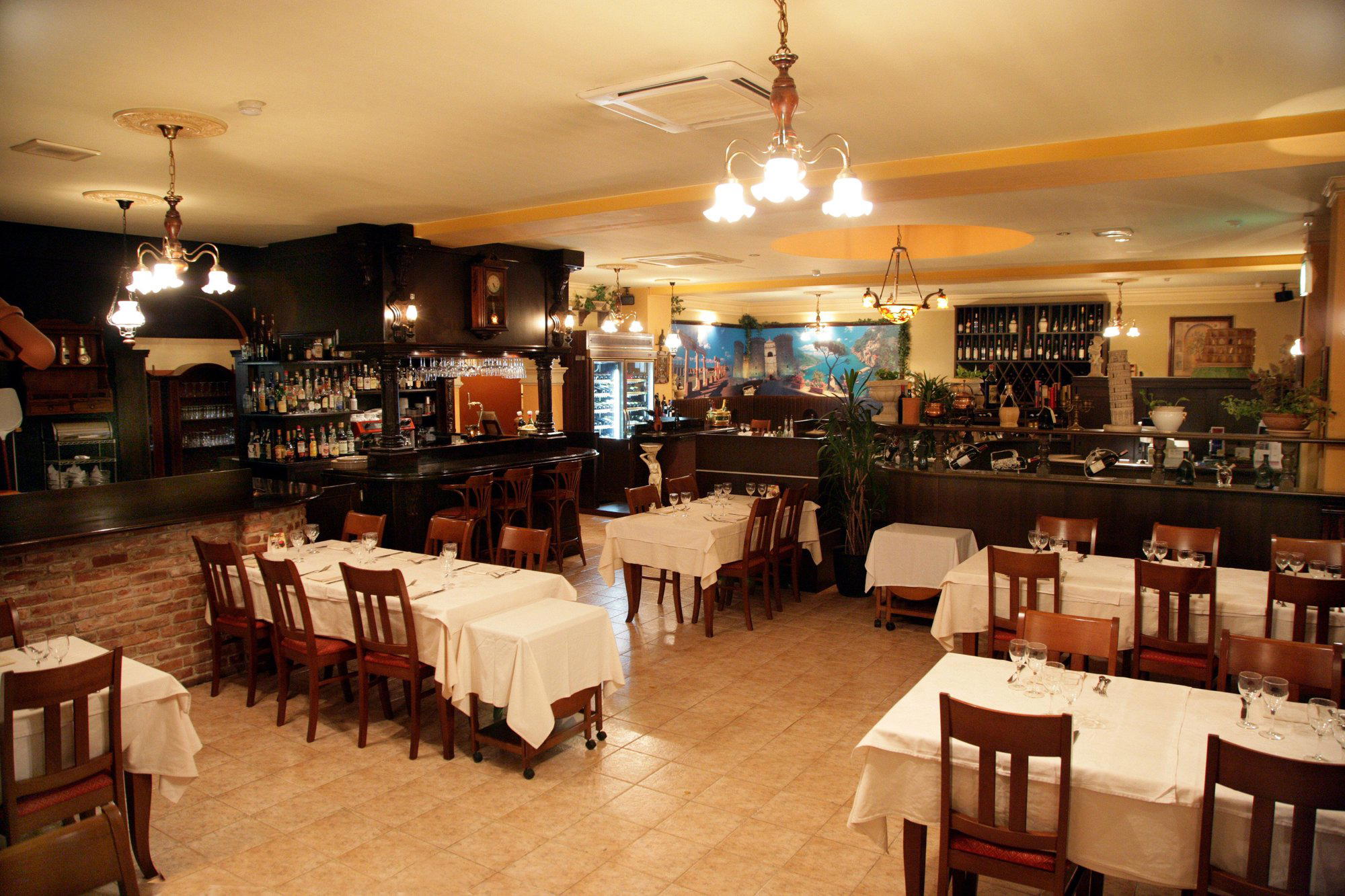
The useful way to read this restaurant is through dining ritual. The room is small enough to keep the meal close to the kitchen, with 28 seats split between counter and table seating, a scale that suits both couples and small groups. Counter seats make sense for diners who want the action of a grill-led meal; tables suit the more common Nagoya pattern of ordering across categories and letting wine carry the evening.
The service signals matter here. A sommelier is listed, BYO drinks are accepted, digital menus are available, and birthday plates sit among the celebration services. Those details place the restaurant above a casual pasta stop but short of a rigid tasting-menu temple. The etiquette is correspondingly relaxed but structured: choose a few shared openings, let fish or charcoal-grill cooking set the centre of the meal, then use pasta or steak to finish the savoury arc. In Japan, Italian dining at this level often works as a social format as much as a cuisine, and the room appears designed for that kind of calibrated informality.
Tabelog 100 Italian EAST 2025 selection is the clearest external marker. Tabelog’s Hyakumeiten lists are not Michelin-style star systems, but in Japan they carry weight because they capture sustained local attention across categories. For a Nagoya Italian restaurant that opened in 2022, appearing on the 2025 EAST list gives the venue a stronger signal than generic popularity: it suggests the restaurant has entered a regional conversation that extends beyond its immediate station catchment.
Where it sits in Nagoya's station-district dining hierarchy
Meieki is a practical district first, which makes quality variation more visible. A station-side restaurant has to compete with commuter convenience, hotel dining, department-store floors, drinking spots, and occasion restaurants within a few blocks. Compared with Shoya Meieki, THE SEJONG GEMS meieki ten, Taishu Korean Korean Chudoku Nagoya Eki Ten, tonkatsu joni, and Bar Neat Meieki ten, Shokudo chisan occupies a more wine-and-dinner-oriented lane: less about a single speciality, more about the sequence of a full evening meal.
That positioning is useful for travellers. Nagoya rewards diners who do not treat the station district as a compromise. Around Meieki and Kokusai Center, the stronger meals often hide in formats that look familiar from the outside, then reveal their seriousness through seating discipline, drink service, and menu breadth. Here, the draw is not an auteur-chef narrative or a named signature dish. It is the way a compact Italian room uses fish, pasta, steak, charcoal-grill cues, and wine to translate Nagoya’s appetite for comfort into a more adult dinner ritual.
The restaurant is also family-aware without becoming family-driven. School-age children are welcomed, stroller access is limited to lunch, and infants and preschool children are accepted at lunchtime. That distinction says something about the room’s manners: lunch can flex, while dinner reads as a more controlled occasion. Private rooms are not part of the format, though private use is available, so groups should think of it as a full-room or table-based experience rather than a secluded dining suite.
How to use it in a Nagoya itinerary
The restaurant makes the strongest case for travellers who want one polished meal near the station without defaulting to hotel dining. It fits an arrival night, a final dinner before leaving the city, or a business-adjacent evening where wine service and a compact room matter. The non-smoking policy, wheelchair-accessible facilities, card and cashless payment options, and lack of parking all align with an urban, rail-first restaurant rather than a destination requiring a car.
For broader planning, pair it with Our full Nagoya restaurants guide, then map the evening against Our full Nagoya hotels guide, Our full Nagoya bars guide, Our full Nagoya wineries guide, and Our full Nagoya experiences guide. Nearby restaurant research can also include 1022, 451, Aaron, Alan., and All Day Dining Montmartre.
Travellers building a wider Japan dining file may also want to compare category habits across -Grilled beef Sukiyaki- KAMAKURA TANUKIAN 鎌倉 たぬき庵 in Kamakura. 鮪と炭火焼き うお炭 秋葉原店 in Tokyo.cafe in Osaka.know in Kumamoto, (Shoku) Vietnam in Kawasaki, [Curry Senmon Ten] Maruyama Kyoju. in Sapporo, Jōdo Saké Bar in Los Angeles, and Onigiri Time in Pasadena. The comparison is not about cuisine likeness; it is about how specific formats, from sukiyaki to sake bar to onigiri counter, define the expected pace of a meal.
Where It Fits
Comparable venues for context, by category and price tier.
| Venue | Cuisine | Price | Notes |
|---|---|---|---|
| Shokudo chisanThis venue — the venue you are viewing | Modern local-sourcing Italian (pasta & steak) | $$$ | Not listed |
| Osteria Orcadoro | Seasonal Italian Osteria with Extensive Wine List | $$$ | Nishi |
| セッタンタ | Modern Italian Fine Dining | $$$$ | Higashi |
| Pizza BURDE | Neapolitan-style Pizza & Italian Wine Bar | $$ | Higashi |
| Japan no Italian Ryori Ten sai | Japan no Italian Ryori | $$$ | Naka |
| Enoteca Pinchiorri | Modern Tuscan-Italian Fine Dining | $$$$ | Nakamura |
Recognition history
Dated appearances from independent guides and award organizations, with the underlying list record or original source where available.
Tabelog 100 #54 · No. 54
Tabelog · Tabelog 100 - Italian - EAST - 2025
Continue exploring
More in Nagoya
Restaurants in Nagoya
Browse all →
At a Glance
- Modern
- Cozy
- Trendy
- Lively
- Intimate
- Date Night
- Business Dinner
- Group Dining
- Celebration
- Casual Hangout
- Special Occasion
- Open Kitchen
- Standalone
- Private Dining
- Extensive Wine List
- Beer Program
- Sommelier Led
- Zero Proof
- Local Sourcing
- Farm To Table
Current opening hours
- Monday
- 12–2 PM, 6–11 PM
- Tuesday
- 12–2 PM, 6–11 PM
- Wednesday
- 12–2 PM, 6–11 PM
- Thursday
- 12–2 PM, 6–11 PM
- Friday
- 12–2 PM, 6–11 PM
- Saturday
- 11 AM–2 PM, 6–11 PM
- Sunday
- 11 AM–2 PM, 6–11 PM
Hours can change for holidays and private events. Last verified .
A modern, atelier-inspired Italian eatery with a small 28-seat layout, counter and table seating, relaxed but polished service, and a lively yet comfortable atmosphere suited to dates and small groups.