Our verdict
Koblenz's plant-based dining scene finds one of its more committed expressions at Project Vegan on Kastorstraße, where the format centres entirely on vegan cuisine in a city whose restaurant culture has historically leaned toward Rhine-region classics and French-influenced cooking. The address places it within walking distance of the Old Town, and the concept sits at a clear remove from the city's €€€€ fine-dining tier.

Pearl is the En Primeur Club membership app, where members save venues, book tables and use the concierge.

Where Koblenz's Plate Shifts Away from the Rhine
Kastorstraße runs close to the confluence of the Rhine and the Moselle, a stretch of Koblenz that carries the physical weight of the city's history in stone and water. The neighbourhood around it draws visitors toward the Deutsches Eck and the fortifications beyond, but at street level the dining character has been shaped for decades by conventional German hospitality: river fish, regional wine lists, and the kind of cooking that defers to French technique at the upper end of the market. Project Vegan, at number 3 on Kastorstraße, positions itself against all of that by removing animal products from the equation entirely.
That positioning is itself a form of editorial statement in a city where Gotthardt's by Yannick Noack and Schiller's Manufaktur anchor the fine-dining tier with menus that operate firmly within meat-and-fish conventions. Vegan-dedicated restaurants across mid-sized German cities have grown in number since the mid-2010s, but their quality range is wide: some function as health-food cafes with menus that lack culinary ambition; others have adopted the language of contemporary plant-based cooking, drawing on fermentation, koji, and high-heat vegetable technique to build genuine depth without relying on the proteins that anchor most European restaurant traditions.
The Plant-Based Turn in German Mid-Market Dining
Germany has one of the more developed vegan restaurant sectors in Europe, partly driven by a long tradition of health-conscious eating and partly by the scale of its urban populations, which create critical mass for specialist formats even in secondary cities. Berlin leads that conversation at the ambitious end, where venues like CODA Dessert Dining have demonstrated that unconventional format choices can earn serious critical recognition. The pattern that Berlin pioneered, where a plant-focused or format-defying restaurant earns its place not through novelty but through technical execution, has been slower to reach smaller Rhine cities. That makes Project Vegan's presence in Koblenz worth attention as a signal of where the city's dining culture is heading, even if the pace of change remains modest.
For context on the range of serious cooking happening across Germany, it helps to look beyond the immediate region: Aqua in Wolfsburg, JAN in Munich, and Schwarzwaldstube in Baiersbronn each represent the conventional fine-dining register at high levels of execution. What distinguishes a plant-based concept from those reference points is not simply the absence of meat but the need to construct umami, texture contrast, and structural complexity from a narrower ingredient palette. The kitchens that do this well tend to rely on fermentation programs, long-cooked stocks built from mushroom and seaweed, and the kind of patience with vegetable cookery that classical European training rarely prioritises.
Atmosphere and Address
The Kastorstraße address places Project Vegan within the Old Town perimeter, which in Koblenz means short walking distances to the main visitor infrastructure: the cable car to the Ehrenbreitstein Fortress, the riverfront promenades, and the transit connections at Koblenz Hauptbahnhof roughly fifteen minutes on foot to the south. For visitors building a day around the city's historical attractions, the location makes an early evening stop practical without requiring a detour into the outer districts.
The name itself communicates format before anything else, which is a choice that signals confidence in the core concept. Restaurants that lead with their dietary identity in their name are making a different kind of opening argument than those that trade on chef reputation or regional tradition. That distinction matters in a city where Verbene and FÄHRHAUS Koblenz approach their positioning through cuisine style and setting respectively. Project Vegan is making a values argument as much as a culinary one, and visitors who book or walk in are implicitly accepting that framing before they sit down.
How It Fits the Koblenz Dining Map
Koblenz's restaurant scene is not large by the standards of German cities with comparable tourism footprints. The upper tier is occupied by a handful of addresses: alongside Gotthardt's and Schiller's, GERHARDS GENUSSGESELLSCHAFT represents the kind of operator-led format that characterises the city's mid-to-upper dining range. Below that tier, the options diversify but without much specialist density. A fully committed vegan restaurant is therefore not competing primarily within a crowded local category; it is, at least partly, defining one.
For visitors who want to understand the full scope of what Koblenz offers, our full Koblenz restaurants guide maps the relevant addresses across price tiers and cuisine types. Project Vegan sits at a distinct point on that map, separate from both the classical European tier and the casual bistro options that fill the middle ground.
Among the broader German plant-based and format-led dining conversation, the reference addresses worth knowing include Vendôme in Bergisch Gladbach, ES:SENZ in Grassau, Victor's Fine Dining by Christian Bau in Perl, Waldhotel Sonnora in Dreis, Restaurant Haerlin in Hamburg, and Schanz in Piesport, all of which illustrate the range of culinary ambition operating across the German-speaking region. Internationally, Le Bernardin in New York City and Atomix in New York City set the standard for format discipline and ingredient rigour in different culinary traditions, and both are useful comparators for understanding what technical commitment looks like when it is applied consistently.
Planning a Visit
Project Vegan is located at Kastorstraße 3, 56068 Koblenz, within the Old Town and accessible from the main train station on foot in under twenty minutes. Given the absence of confirmed booking data, arriving early in an evening service or contacting the venue directly to check walk-in availability is the safest approach. The Old Town's compact geography means that combining the visit with the surrounding historical sites and the riverfront makes practical sense, particularly in spring and autumn when the Rhine-Moselle confluence draws its largest share of visitors to the area.
Frequently asked questions
What part of town is PROJECT VEGAN in?
PROJECT VEGAN is located at Kastorstraße 3, 56068 Koblenz, Germany, Koblenz.
Is Project Vegan a good option for visitors exploring the Rhine-Moselle confluence area?
Kastorstraße 3 sits within the Old Town perimeter, placing Project Vegan within walking distance of the Deutsches Eck, where the Rhine and Moselle meet. For visitors spending time in that part of Koblenz, it represents one of the few dedicated plant-based options in an area dominated by traditional German restaurants.
What should I order at PROJECT VEGAN?
Given the venue's position in Koblenz's Old Town at Kastorstraße 3 and Germany's established plant-based dining culture, expect a menu structured around seasonal produce and whole-food preparations. Check the venue directly for current offerings before visiting.
Do they take walk-ins at PROJECT VEGAN?
No booking policy is publicly documented for Project Vegan at Kastorstraße 3, Koblenz. The venue sits within the Old Town tourist perimeter, which can drive foot traffic during peak hours and weekends. Arriving outside standard lunch and dinner rushes is a reasonable precaution if you're not booking ahead.
What's the standout thing about PROJECT VEGAN?
Project Vegan occupies a specific gap in Koblenz's dining map: a city whose restaurant scene skews toward traditional German and Rhine-region cooking has few venues built entirely around plant-based food. Its Kastorstraße address puts it within the Old Town, making it accessible to visitors arriving from the main train station on foot. That combination of location and format is relatively uncommon for a city of Koblenz's size.
Comparable Spots
Comparable venues nearby, for context on price, style, and recognition.
| Venue | Cuisine | Price | Awards | Notes |
|---|---|---|---|---|
| PROJECT VEGANThis venue (the venue you are viewing) | Modern Vegan Vietnamese | $20–30 | Not listed | Not listed |
| Takumi | Japanese Ramen | $10–20 | Not listed | Koblenz |
| Schlicht. Esslokal | Modern Regional German Fine Dining | $100–150 | Not listed | Koblenz |
| GERHARDS GENUSSGESELLSCHAFT | Modern German & French Fine Dining | $50–100 | Not listed | Deutsches Eck |
| Landgang | French-Mediterranean with regional influences | $50–100 | Michelin Plate | An der Fähre |
Continue exploring
More in Koblenz
Restaurants in Koblenz
All restaurants in Koblenz →
Bars in Koblenz
Browse all →
Hotels in Koblenz
All hotels in Koblenz →


Details
- Modern
- Elegant
- Cozy
- Casual Hangout
- Historic Building
- Open Kitchen
- Waterfront
- Street Scene
- A La Carte
- Vegan Options
Current opening hours
- Monday
- 4:30–10 PM
- Tuesday
- 4:30–10 PM
- Wednesday
- 4:30–10 PM
- Thursday
- 4:30–10 PM
- Friday
- 11:30 AM–12 AM
- Saturday
- 11 AM–12 AM
- Sunday
- 11 AM–10 PM
Hours can change for holidays and private events. Hours as of .
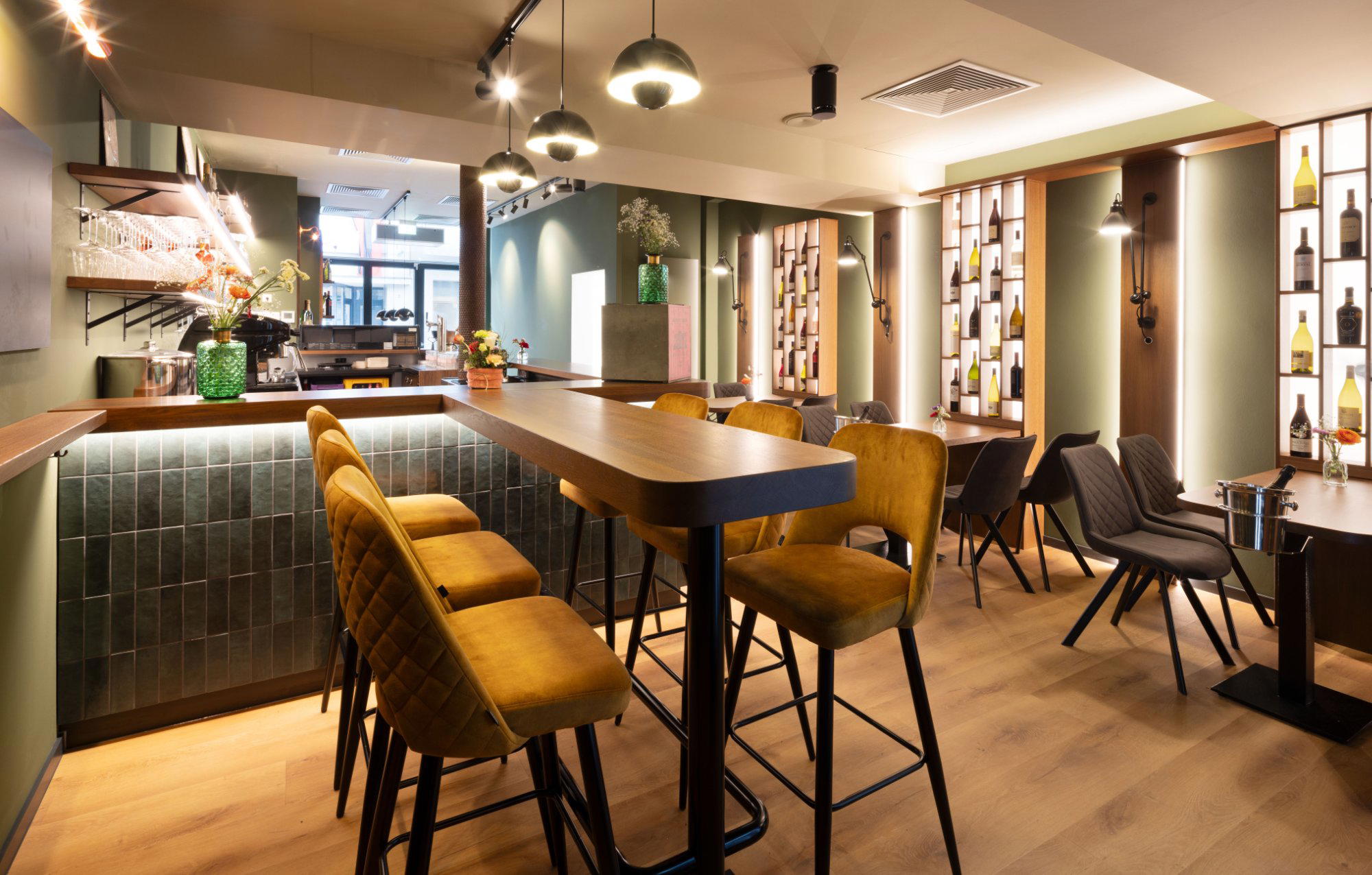
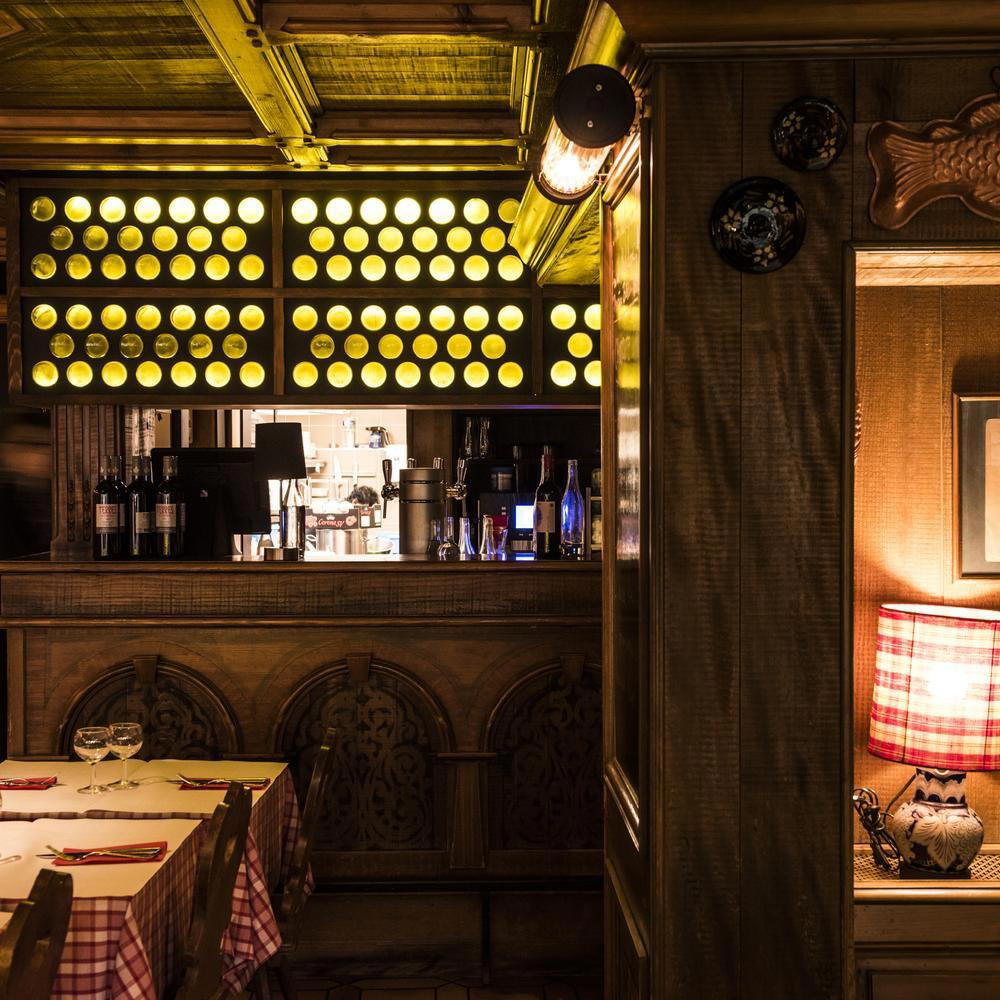
stylish modern decor in a historic building with relaxed spacious atmosphere.