Portofino
Our verdict
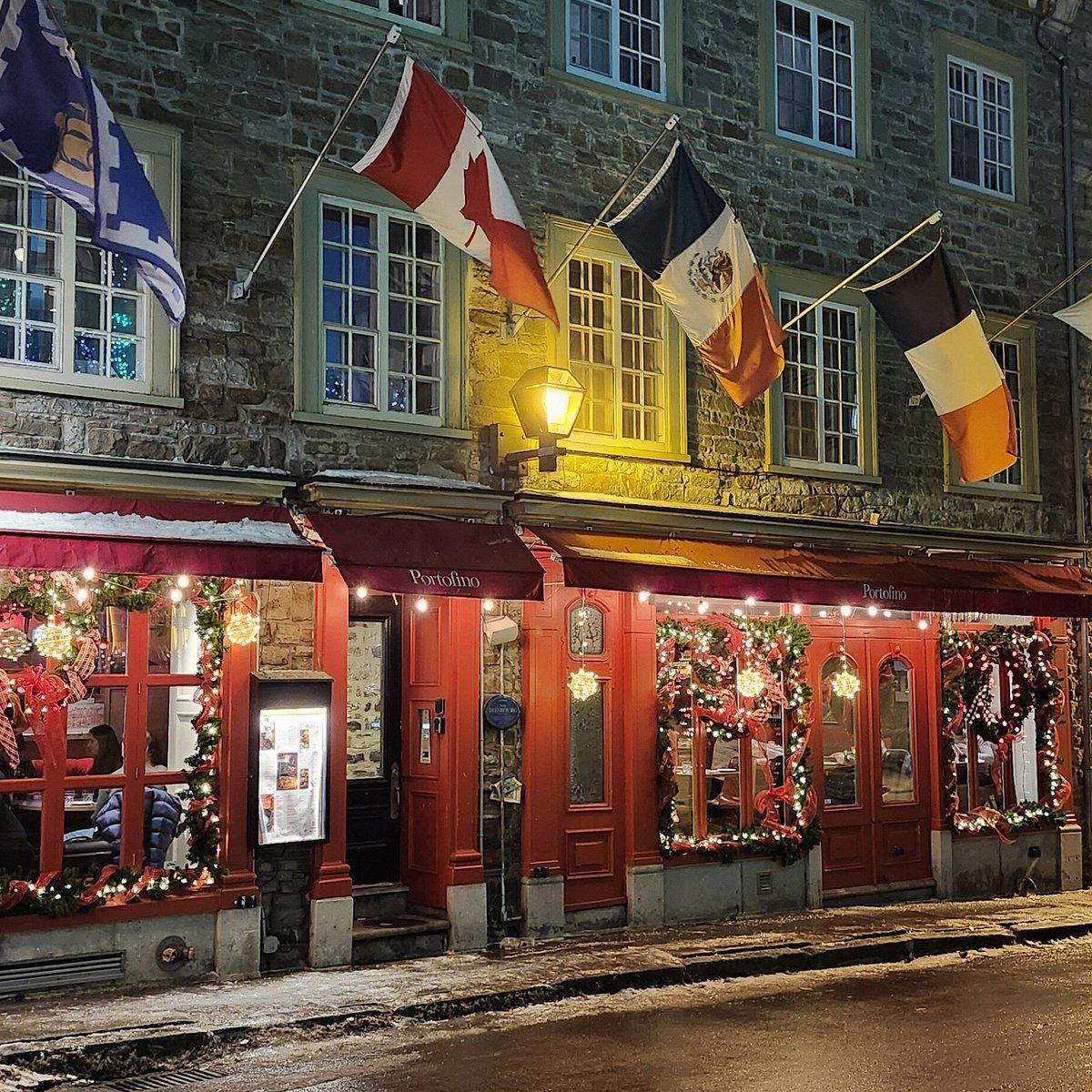
On Rue Couillard in Old Quebec's Upper Town, Portofino occupies a stretch of the city where stone-walled heritage buildings and narrow cobbled lanes set an expectation of serious dining. The address places it within walking distance of the neighbourhood's most decorated tables, making it a natural reference point for visitors building an itinerary around the Old City's Italian-leaning options.

Pearl is the En Primeur Club membership app — saves, bookings, and concierge access live there. Same editors, same standards.
- Address
- 54 Rue Couillard, Québec, QC G1R 3T3, Canada
- Phone
- (418) 692-8888
- Hours
- Mon–Wed 11 AM–10 PMThu–Sat 11 AM–11 PMSun 11 AM–10 PM
- Website
- portofino.ca
- Directions
- Get directions
The menu
What to order
- Wood-fired pizza
- Fettuccine Alfredo
- Seafood risotto
- Escargot
- Carbonara
- Lasagna al forno
Rue Couillard and the Architecture of a Quebec City Meal
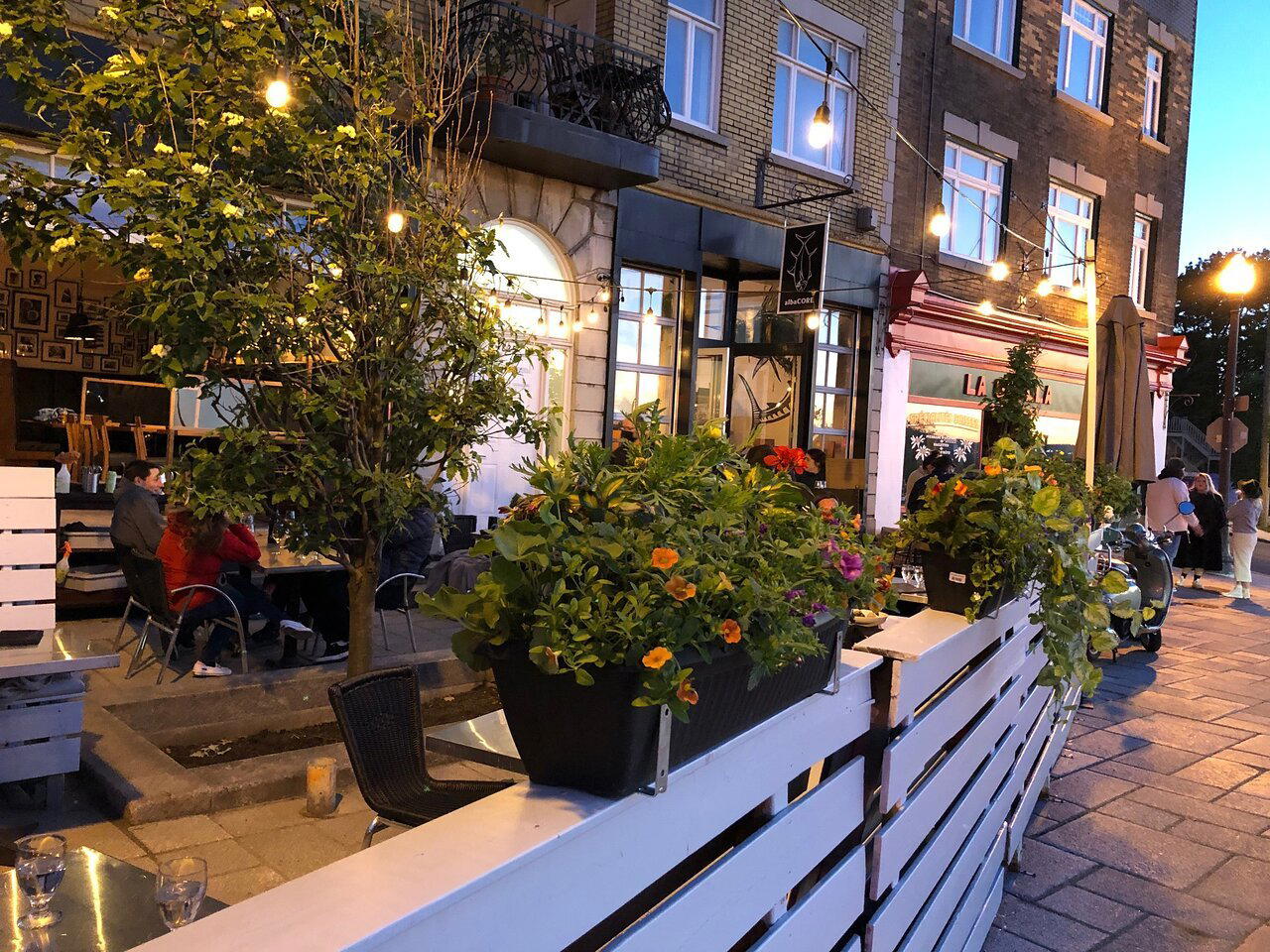
There is a particular quality to dining in Old Quebec's Upper Town that has less to do with individual restaurants and more to do with the physical act of arriving. The stone facades along Rue Couillard, worn by centuries of frost and thaw, create a corridor where expectations shift before you reach any threshold. At 54 Rue Couillard, Portofino sits within this corridor, drawing on a neighbourhood where the built environment does significant atmospheric work before a single course is served.
Quebec City's dining scene in the Upper Town has stratified considerably over the past decade. At the upper register, rooms like Tanière³ and ARVI operate at the $$$$ tier with tasting formats and strong seasonal credentials. Below that, a mid-tier of more accessible addresses fills the gap for visitors who want the neighbourhood's atmosphere without the commitment of a long omakase-style progression. Portofino occupies this part of the map, offering an Italian-inflected option in a part of the city where French-leaning and Québécois kitchens dominate. That positioning alone makes it a reference point worth understanding in context.
The Progression: How a Meal Here Tends to Move
In a city where the dominant fine-dining grammar is either tasting-menu French or modern Québécois, Italian-rooted kitchens read as deliberate counterpoints. The multi-course logic at an Italian table in this context tends to follow a different internal rhythm: antipasti that function as a series of small propositions, a pasta course that carries the structural weight of the meal, then a secondi that resolves rather than surprises. This sequencing, familiar from trattorias in Liguria and the Italian Riviera towns that share Portofino's name, is less common along the St. Lawrence than it is along the Mediterranean.
The Italian reference embedded in the restaurant's name points to the Ligurian coastal village, a geography associated with seafood preparation that is restrained rather than heavy, olive oil rather than butter, and herb profiles that lean toward basil and marjoram. Whether the kitchen here maintains strict fidelity to that regional tradition or uses it as a looser touchstone is the kind of detail that rewards a visit over a review. What the Italian tasting structure does offer, in contrast to Quebec City's dominant culinary registers, is a meal that feels calibrated rather than experimental — progression through familiar categories executed with care, rather than a narrative that requires explanation.
For visitors building a multi-night itinerary across the Upper Town's dining options, placing Portofino in a sequence matters. It sits at a different register than the Kebec Club Privé or Laurie Raphaël, and functions as a different kind of evening than Auberge Saint-Antoine's Canadian cuisine format. The Italian frame is the differentiator in a neighbourhood where it remains relatively uncommon at this address tier.
Where Portofino Sits in the Quebec City Scene
Quebec City's Upper Town has a dining density that rewards walking. The concentration of serious addresses within a few blocks of the Château Frontenac means that any given evening can begin at one table and end with a walk past three or four others. This proximity shapes how locals and regular visitors think about the neighbourhood's restaurants: less as destinations in isolation and more as a repertoire of options calibrated to different moods, occasions, and appetite sizes.
Within that repertoire, Italian-rooted dining occupies a niche. The city's culinary identity leans heavily on its French heritage and, increasingly, on a modern Québécois movement that foregrounds local producers and boreal ingredients. Tables like Tanière³ and ARVI define that modern register with considerable authority. Portofino's Italian orientation places it outside that primary current, which is either a limitation or an advantage depending on what a visitor is seeking. For those who have spent several nights in the city's Québécois dining ecosystem, an Italian evening at this address reads as a considered variation rather than a retreat.
The comparison with other Canadian cities is useful for calibration. Toronto's Italian-leaning fine dining, represented by addresses like Alo with its French-Italian synthesis, or Vancouver's ingredient-focused approach at places like AnnaLena, shows how Italian culinary grammar gets absorbed differently depending on the local context. Quebec City's version is shaped by its French-speaking heritage and its tourism economy, which puts a premium on atmosphere alongside execution. The stone-walled interior on Rue Couillard contributes to that atmosphere in ways that newer builds in other cities cannot replicate.
For readers tracking the broader Canadian fine dining conversation, addresses like Narval in Rimouski and Jérôme Ferrer's Europea in Montreal offer useful comparators for how regional and European-inflected cuisine coexist along the St. Lawrence corridor. Further afield, the farm-to-table discipline of Eigensinn Farm in Singhampton and the terroir-focused work at Restaurant Pearl Morissette in Lincoln represent a different Canadian dining instinct, one that foregrounds provenance over culinary tradition. Portofino's Italian frame sits apart from both.
Planning a Visit: What to Know Before You Arrive
Old Quebec's Upper Town is most easily approached on foot from within the walled city, with Rue Couillard running north of Rue Saint-Louis and accessible from several of the neighbourhood's main arteries. The address at number 54 places the restaurant toward the quieter residential end of the street, away from the highest tourist concentration near the Château. For visitors staying outside the walls, the funicular from the Lower Town provides the most efficient connection to this part of the Upper Town, depositing you near Rue du Trésor within a short walk of the address.
Quebec City's restaurant calendar is shaped strongly by season. Summer and the late-autumn holiday period generate the most demand across the Upper Town's better addresses. Visitors planning around the city's winter Carnival in February or the shoulder seasons of May and October will typically find booking pressure eased across the board, though popular rooms still fill quickly on weekends. Rue Couillard's enclosed character means the street retains something of its atmosphere even in deep winter, when the cold makes the prospect of a long, ordered Italian meal particularly appropriate.
For those building a longer Quebec City dining itinerary, the full context of the city's options is mapped in our Quebec City restaurants guide, which covers addresses across price tiers and culinary traditions. The historically anchored Aux Anciens Canadiens provides a useful contrast in the same neighbourhood for readers interested in how Québécois culinary heritage reads at a more traditional address. Internationally, those calibrating expectations against European coastal Italian dining might find the comparison with Le Bernardin in New York instructive for how seafood-centric menus are positioned at high tiers, or look to Atomix for how tasting-menu sequencing functions at a different culinary register altogether.
Frequently asked questions
What is the atmosphere like at Portofino?
Portofino sits on Rue Couillard in Old Quebec's Upper Town, a street defined by 17th- and 18th-century stone architecture that shapes the register of any room opening onto it. The setting tilts toward the intimate rather than the grand, consistent with the block's residential scale. Expect a pace closer to a neighbourhood trattoria than a formal French dining room.
What's the address for Portofino?
Portofino is located at 54 Rue Couillard, Québec, QC G1R 3T3, Canada, Quebec City.
Is Portofino a good option for dining in Old Quebec if you want something other than French or Québécois cuisine?
In a neighbourhood where French technique and modern Québécois cooking dominate serious restaurant addresses, Portofino on Rue Couillard represents one of the few Italian-rooted alternatives in Quebec City's Upper Town. That positioning makes it a practical choice for diners who want to step outside the prevailing regional grammar without leaving the walled city. The address at 54 Rue Couillard keeps it walkable from most Upper Town hotels.
What do regulars order at Portofino?
Because Portofino operates within an Italian-rooted kitchen in a city where the dominant fine-dining grammar is French or modern Québécois, regulars tend to treat the menu as a deliberate departure from tasting-menu convention. Pasta and secondi courses anchored in Italian technique are the logical draw, though specific dishes are best confirmed directly with the restaurant at 54 Rue Couillard before visiting.
How far ahead should I plan for Portofino?
Old Quebec's Upper Town dining scene is concentrated within a compact walkable area near the Château Frontenac, which keeps pressure on the most sought-after addresses year-round. Booking at least one to two weeks ahead is prudent for weekend evenings, and further in advance during summer and the winter Carnaval period when visitor density peaks. check the venue's official channels for current reservation availability.
Recognition, Side-by-Side
Comparable venues nearby, for context on price, style, and recognition.
| Venue | Cuisine | Price | Notes |
|---|---|---|---|
| PortofinoThis venue — the venue you are viewing | Traditional Italian Trattoria with Wood-Fired Pizza | $30–50 | Not listed |
| Nina Pizza Napolitaine St-Roch | Authentic Neapolitan Pizza | $20–30 | Saint-Roch |
| Le Lapin Sauté | Traditional French-Canadian Game Cuisine | $30–50 | Vieux-Québec, Cap-Blanc, Colline parlementaire |
| Kraken Cru | Seafood Oyster Bar | Not listed | Saint-Sauveur |
| Savini | Authentic Italian | $30–50 | Vieux-Québec, Cap-Blanc, Colline parlementaire |
| Michelangelo | Classic Italian Fine Dining | $50–100 | Saint-Louis |
Continue exploring
More in Quebec City
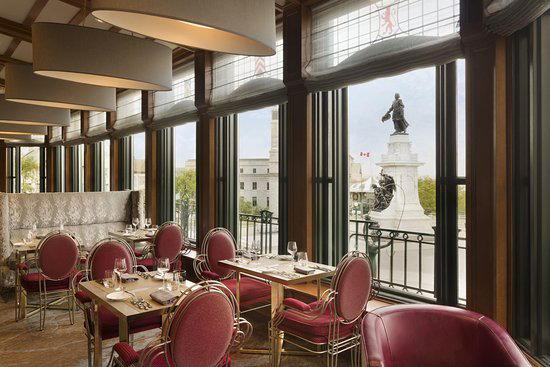
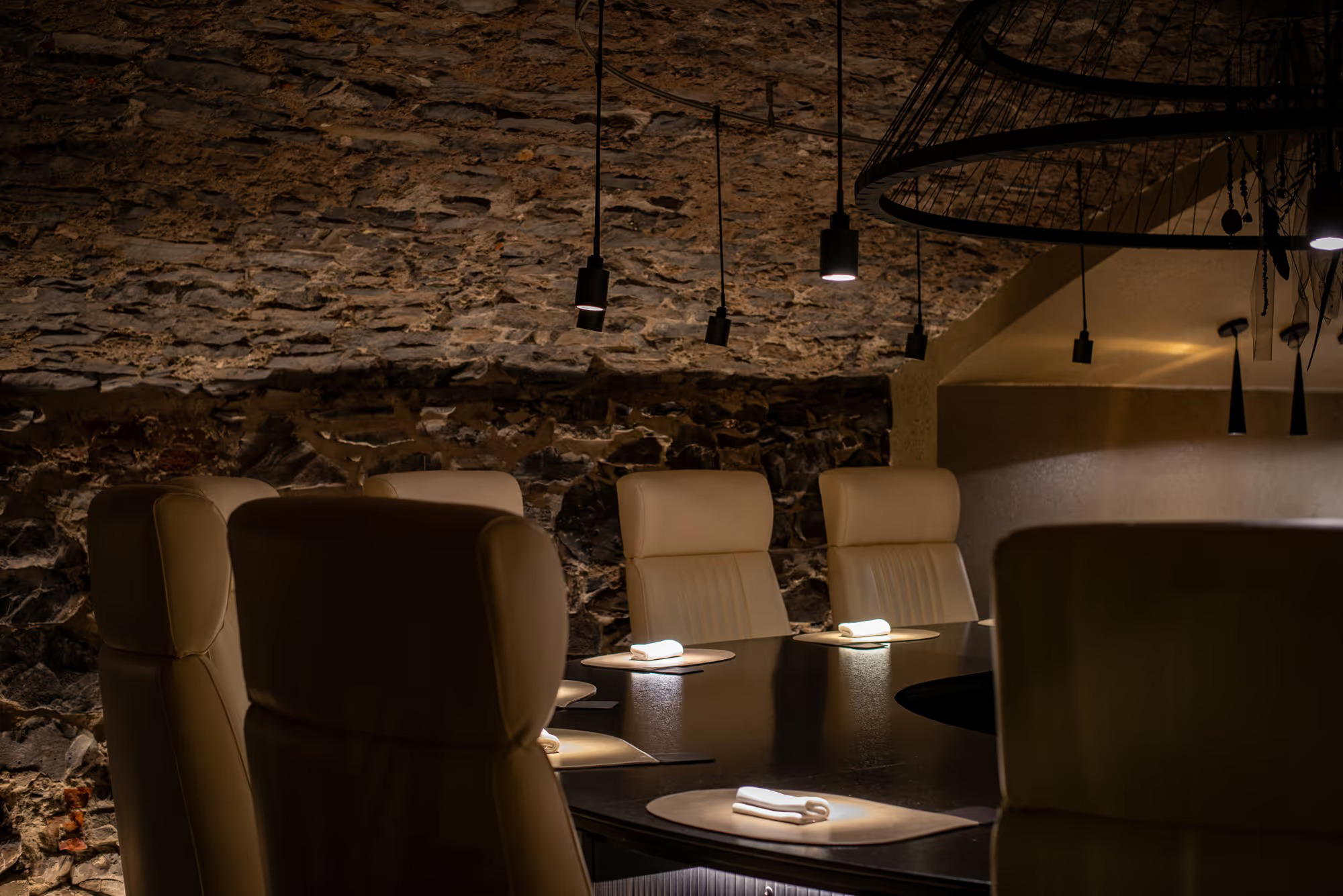
Restaurants in Quebec City
Browse all →
Bars in Quebec City
Browse all →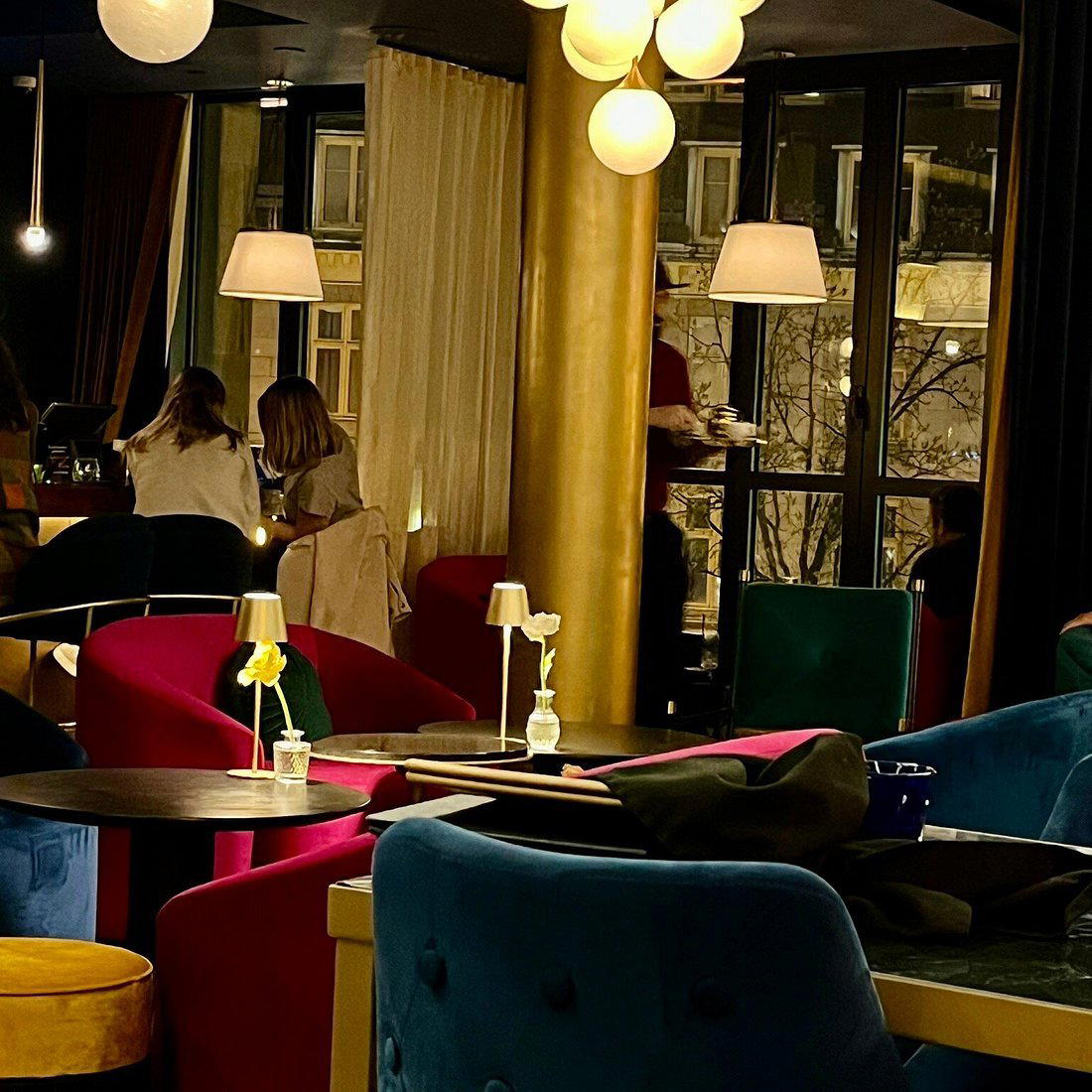

Portofino
The wine
- Wine program
- Exceptional wine program
- Extensive wine list
- Beer program
Details
- Lively
- Cozy
- Classic
- Romantic
- Date Night
- Group Dining
- Family
- Casual Hangout
- Celebration
- Live Music
- Historic Building
- Wine Cellar
- Private Dining
- Extensive Wine List
- Beer Program
- A La Carte
- Family Style
- Wine
- Beer
- Cocktails
- Vegetarian Friendly
- Vegan Options
- Gluten Free Options
Current opening hours
- Monday
- 11 AM–10 PM
- Tuesday
- 11 AM–10 PM
- Wednesday
- 11 AM–10 PM
- Thursday
- 11 AM–11 PM
- Friday
- 11 AM–11 PM
- Saturday
- 11 AM–11 PM
- Sunday
- 11 AM–10 PM
Hours can change for holidays and private events. Last verified .
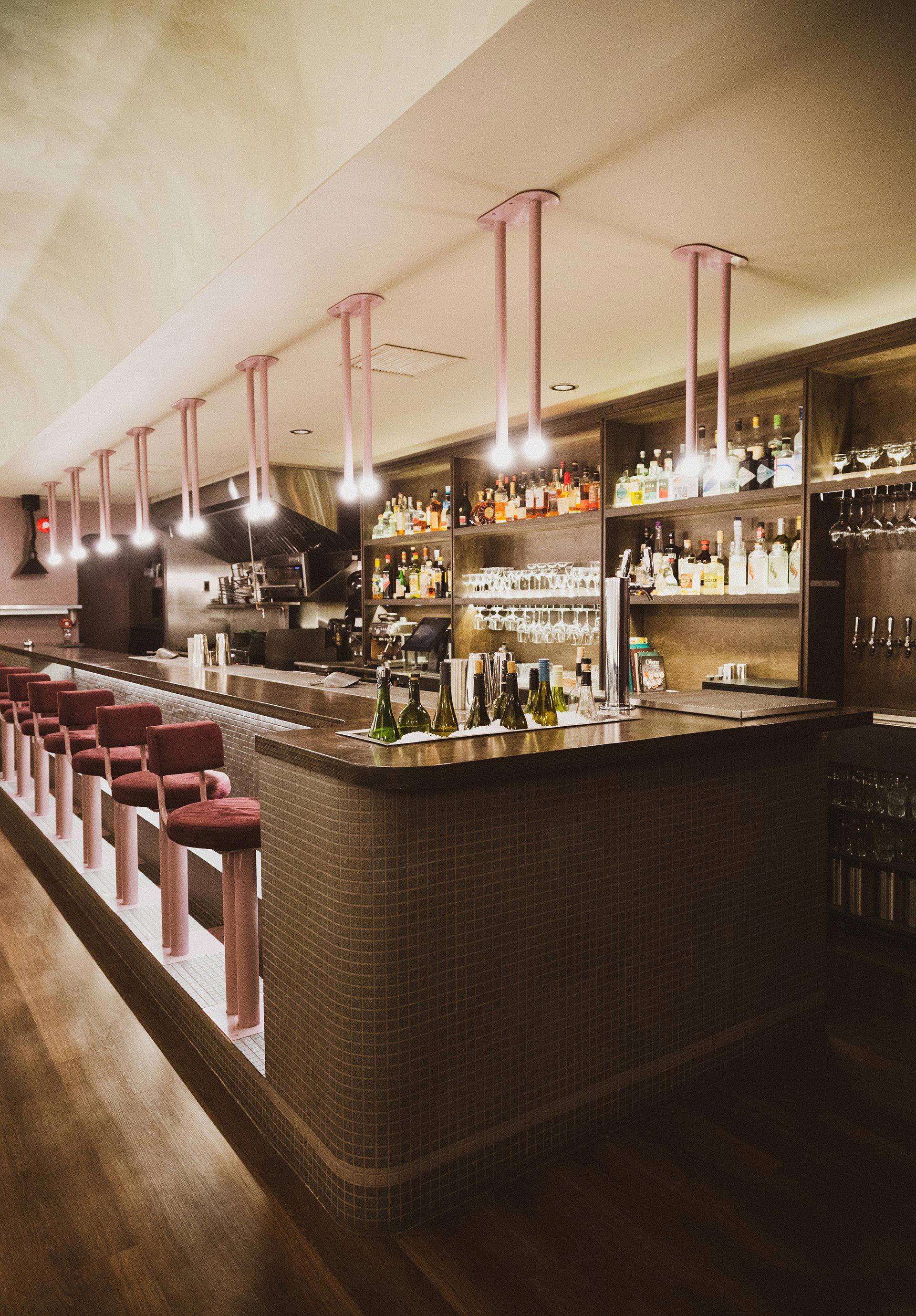
Warm, festive, and lively atmosphere in a historic setting with live music creating an energetic yet welcoming environment.