Poppy
Located on East 12th Street in the East Village, Poppy sits in a neighbourhood that has tracked New York's broader shift toward ingredient-led, technique-forward dining. The address places it within walking distance of several independently minded restaurants that have defined the area's food character over the past decade. Booking details and pricing are best confirmed directly with the venue.
Pearl is the En Primeur Club membership app — saves, bookings, and concierge access live there. Same editors, same standards.
- Address
- 505 E 12th St, New York, NY 10009
- Phone
- +12125375599
- Website
- poppyeastvillage.com
- Directions
- Get directions
 Saves & bookings on Pearl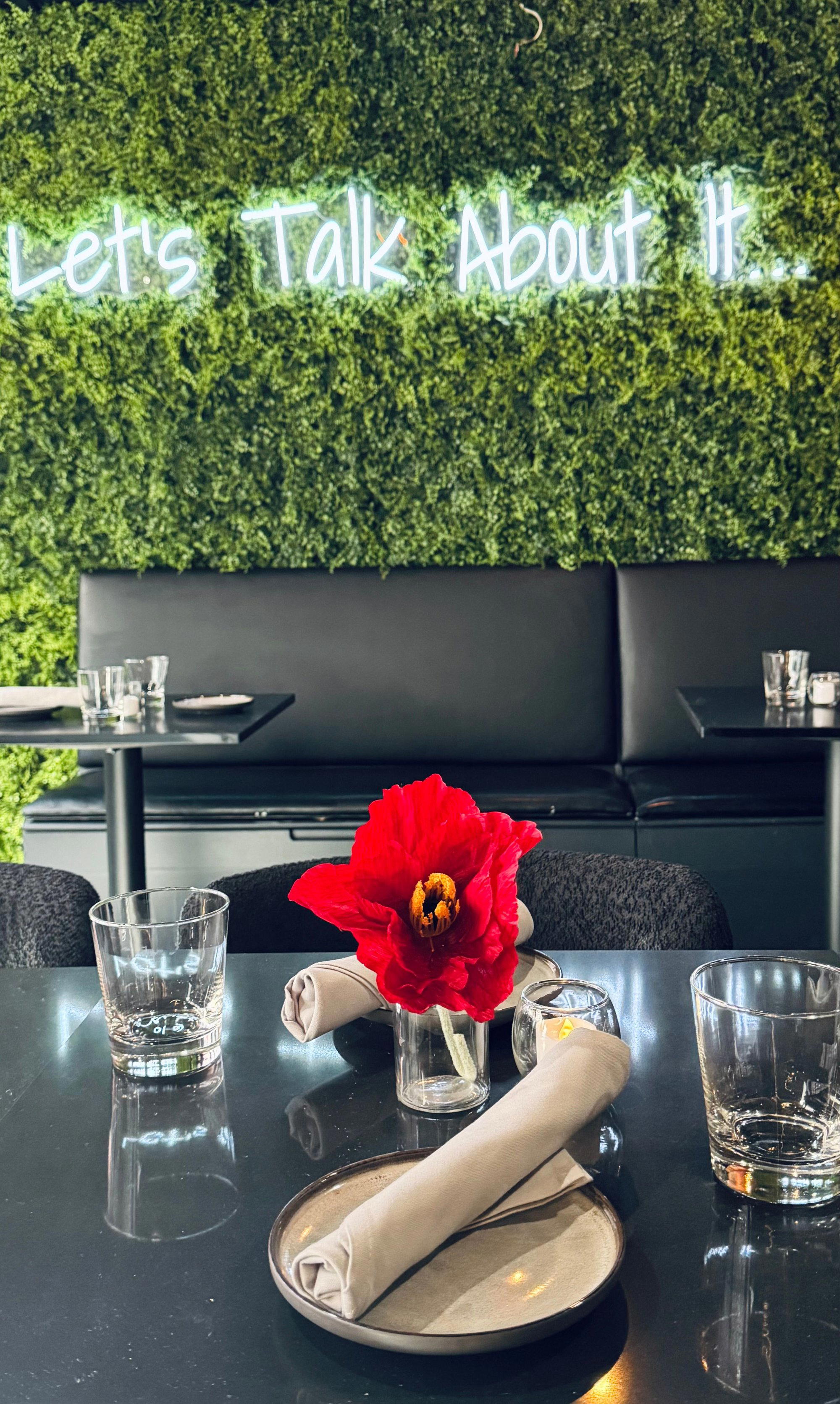
East Village, and What the Neighbourhood Demands
The East Village has never been a fine-dining district in the conventional sense. Its dining identity was built on density and diversity: ramen counters beside natural wine bars, izakayas sharing blocks with Peruvian cevicherías. What has changed in the past decade is the arrival of a smaller, more deliberate tier of restaurants that treat the neighbourhood's lower rents and less formal expectations as creative licence rather than constraint. These are places where the cooking can be serious without the room needing to signal seriousness through white tablecloths and jacket requirements. Poppy, a New American restaurant at 505 E 12th St in New York's East Village, occupies that newer stratum.
The address is specific: East 12th between Avenue A and Avenue B, which puts it at the quieter, more residential edge of the neighbourhood rather than the busier commercial stretch near Third Avenue. That positioning tends to attract a local-first crowd and encourages the kind of repeat-visit relationship that shapes a restaurant's identity more honestly than any single high-profile booking.
Local Ingredients, Global Technique: The Tension That Defines a Generation
Most instructive frame for understanding where ambitious American restaurants are now is the relationship between sourcing and method. A generation of cooks trained in European kitchens, French brigade systems, Japanese precision, Nordic fermentation protocols, returned to cities like New York carrying techniques that were, by design, answers to specific ingredient realities elsewhere. Applying those methods to American products, particularly the hyper-seasonal output of the Northeast's farm networks, has produced a cooking style that is neither purely European nor reflexively localist. It is something genuinely hybrid.
This is the broader tradition into which a restaurant like Poppy fits. The East Village has seen several iterations of this approach, from early-generation farm-to-table venues that prioritised sourcing narrative over technical discipline, to more recent projects where classical or global methods are applied with restraint to domestic ingredients. The more convincing examples tend to treat technique as invisible infrastructure rather than the point of the plate. Dishes arrive looking unfussy while carrying the structural logic of a more formal tradition underneath.
For comparison, consider how this plays out at different price points across the city. At Le Bernardin, French classical method is applied to seafood at a level where the technique is the product; at Atomix, Korean culinary vocabulary is rebuilt through a progressive tasting format that positions it alongside the city's most technically rigorous counters. Both sit at the $$$$ tier. The interesting creative work right now is happening in the registers below that ceiling, where chefs have more freedom to experiment and less pressure to deliver a format the market already recognises.
The East Village in Its American Context
New York's approach to local-ingredient fine dining has a meaningful comparison set outside the city. Blue Hill at Stone Barns in Tarrytown set an early template for farm-integrated fine dining in the region, operating with a directness about sourcing that remains a reference point. Single Thread Farm in Healdsburg and The French Laundry in Napa approach local California ingredients through different lenses, the former through Japanese kaiseki structure, the latter through a French classical framework. Further afield, Providence in Los Angeles applies French and Japanese techniques to West Coast seafood, while Addison in San Diego has built one of the country's more formally ambitious tasting menus around California produce.
In the Midwest, Alinea in Chicago decoupled the question entirely, making technique the explicit subject rather than a vehicle for local ingredients. The South has taken yet another path: Emeril's in New Orleans draws on a regional culinary tradition deep enough to supply its own technical vocabulary, while Bacchanalia in Atlanta has spent decades building a quietly serious seasonal program that operates largely below national radar. Lazy Bear in San Francisco and The Inn at Little Washington represent two more models: the former a communal-table, technique-forward format; the latter a decades-long exercise in country-house formality applied to mid-Atlantic produce.
What the full picture shows is that the local-ingredient, global-technique synthesis is not a niche tendency but the defining mode of serious American restaurants across price tiers and geographies. East Village restaurants operating in this mode are participating in a national conversation, not a local trend.
New York's Korean-led restaurants have added another dimension to this. Jungsik New York and Atomix both apply formal European tasting-menu structures to Korean flavour logic, sitting at the $$$$ tier alongside Masa and Per Se. The fact that Korean cooking has moved so decisively into that bracket reflects how the city's dining market now processes global technique: not as novelty but as a standard by which any cuisine can be assessed on its own rigorous terms. Internationally, the same dynamic appears in places like 8 1/2 Otto e Mezzo Bombana in Hong Kong, where Italian classical training is applied in an Asian context, or Alain Ducasse at Louis XV in Monte Carlo, where French technique meets Mediterranean locality at the highest formal tier.
Planning Your Visit
Poppy is recommended for reservations, with a smart casual dress code and an estimated price of about $40 per person. The address, 505 East 12th Street, is direct to reach from the L train at First Avenue or the 4/5/6 at 14th Street/Union Square, both within a few minutes on foot.
| Venue | Cuisine | Price Tier | Format |
|---|---|---|---|
| Poppy | TBC | TBC | TBC |
| Le Bernardin | French, Seafood | $$$$ | À la carte / tasting |
| Atomix | Modern Korean | $$$$ | Tasting counter |
| Masa | Sushi, Japanese | $$$$ | Omakase counter |
| Per Se | French, Contemporary | $$$$ | Tasting menu |
| Jungsik New York | Progressive Korean | $$$$ | Tasting menu |
A Quick Peer Check
Comparable venues nearby, for context on price, style, and recognition.
| Venue | Cuisine | Price | Notes |
|---|---|---|---|
| PoppyThis venue — the venue you are viewing | New American | $$$ | Not listed |
| WASSAIL | Vegetarian American Cider Bar | $$$ | Lower East Side |
| Left Bank | New York Bistro with European Influences | $$$ | West Village |
| Felix Roasting Co. | Specialty Coffee Shop | $$$ | SoHo-Little Italy-Hudson Square |
| The Harrison | Modern American with Sushi | $$$ | Tribeca-Civic Center |
| P.J. Clarke's Lincoln Square | Classic American Gastropub | $$$ | Upper West Side-Lincoln Square |
Continue exploring
More in New York City
Restaurants in New York City
Browse all →
Bars in New York City
Browse all →
Hotels in New York City
Browse all →





At a Glance
- Cozy
- Lively
- Trendy
- Intimate
- Date Night
- Group Dining
- Casual Hangout
- Late Night
- Open Kitchen
- Craft Cocktails
- Local Sourcing
- Street Scene
Current opening hours
- Monday
- Closed
- Tuesday
- 5–11 PM
- Wednesday
- 5–11 PM
- Thursday
- 5 PM–12 AM
- Friday
- 5 PM–2 AM
- Saturday
- 11 AM–2 AM
- Sunday
- 11 AM–11 PM
Hours can change for holidays and private events. Last verified .
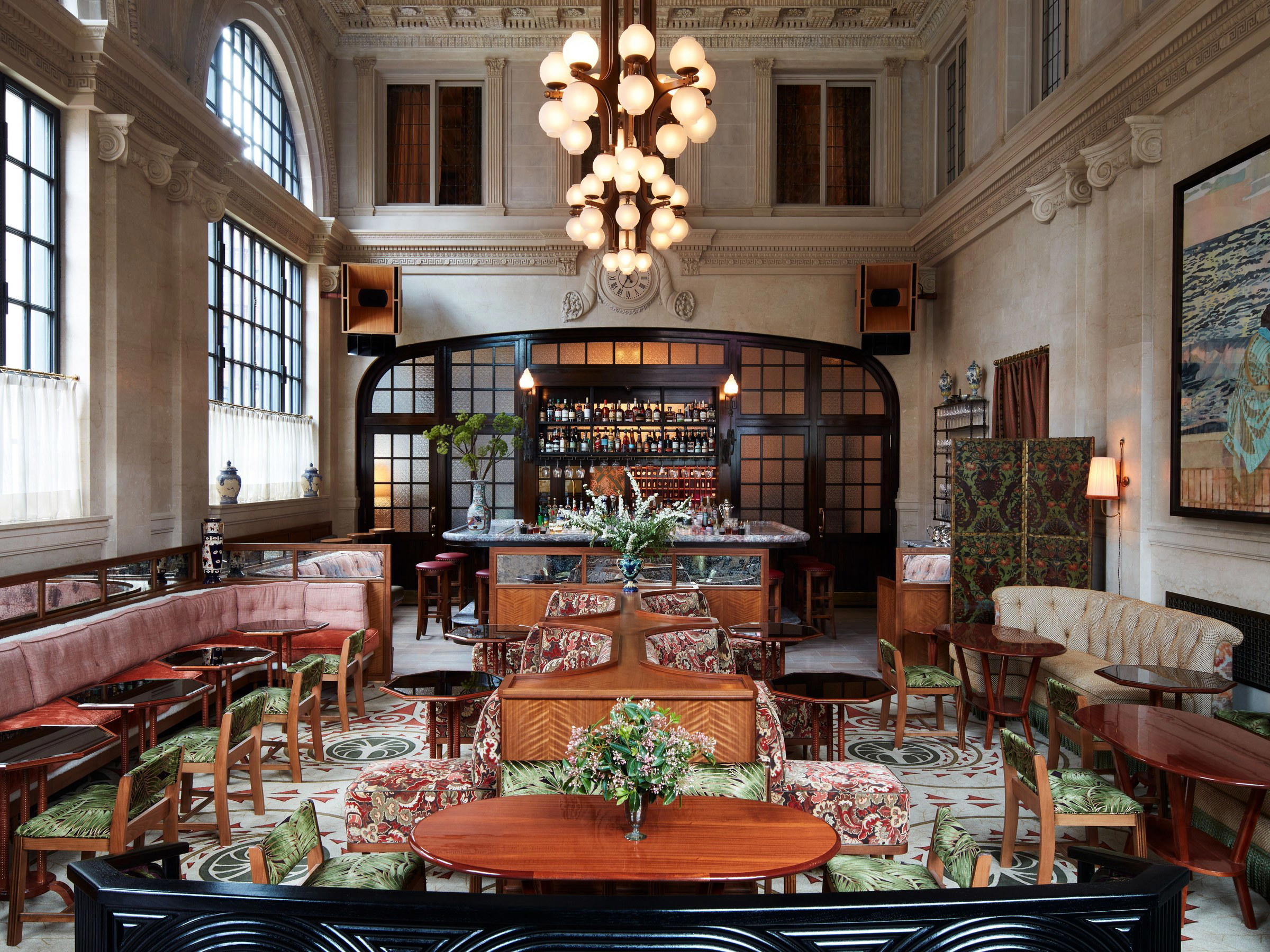
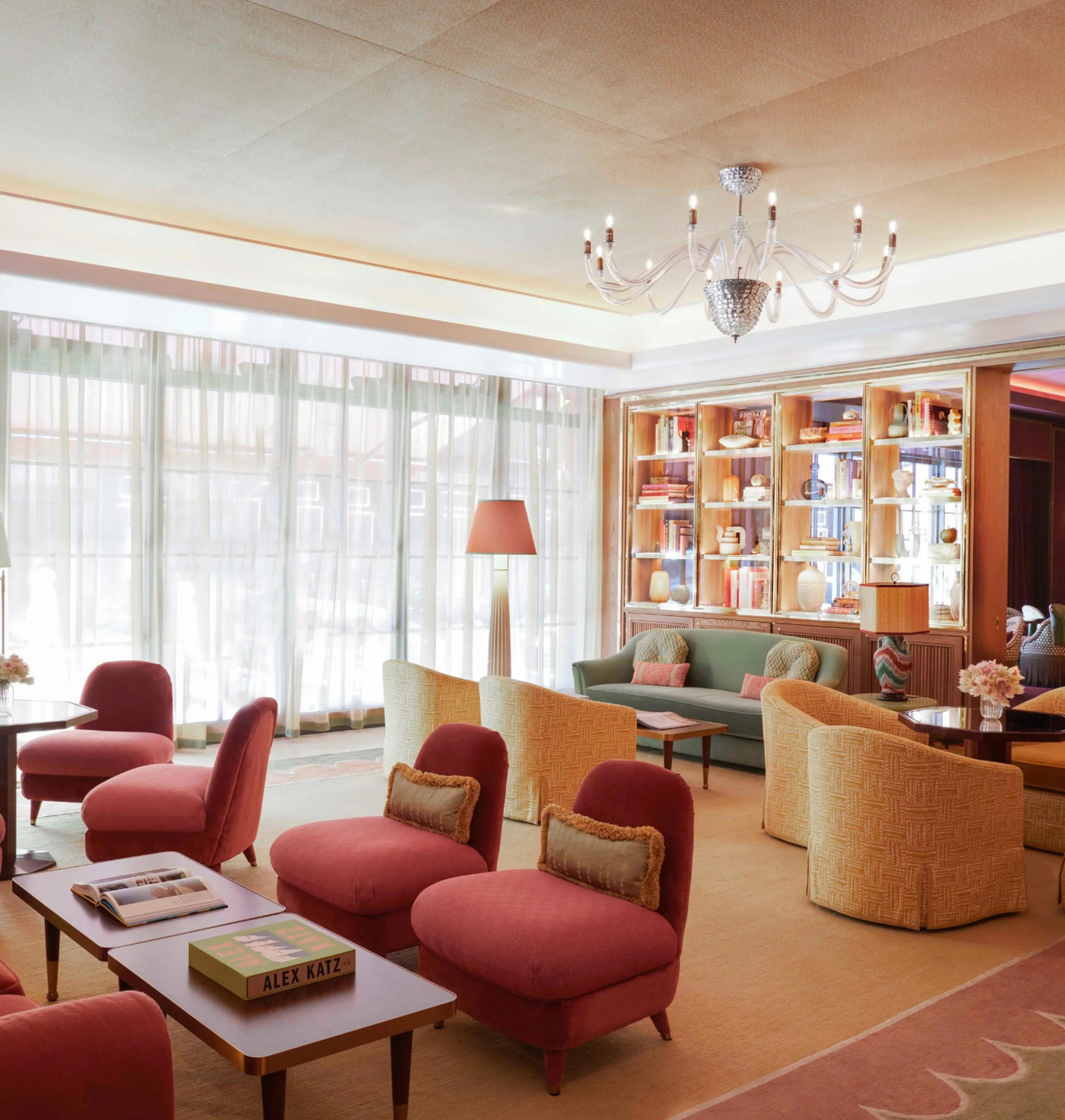
Cozy and lively atmosphere with plush booths, upbeat music, and a memorable neighborhood vibe under city lights.