



A 100-acre Provençal estate midway between Les Baux-de-Provence and Maussane-les-Alpilles, Domaine de Manville pairs century-old stone architecture with 30 rooms, nine private villas, and a dining programme awarded a 2024 Michelin Key and five Gault & Millau points. Rates from $338 per night position it in the mid-upper tier of the Alpilles boutique hotel set, with an 18-hole golf course and spa completing the offer.
Pearl is the En Primeur Club membership app — saves, bookings, and concierge access live there. Same editors, same standards.
- Address
- Route de la terre des Baux, 13520 Les Baux-de-Provence
- Phone
- +33 4 90 54 40 20
- Website
- domainedemanville.fr
- Directions
- Get directions
 Saves & bookings on Pearl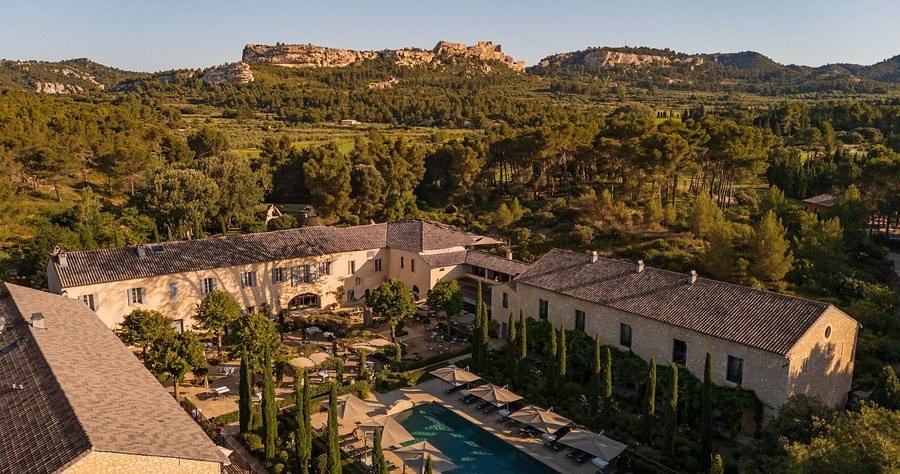
Where the Alpilles Begin: The Estate at Les Baux
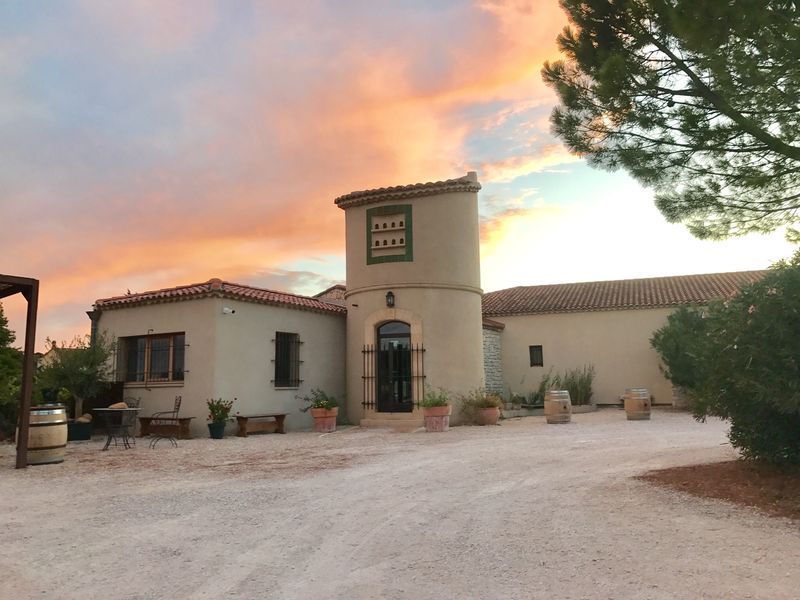
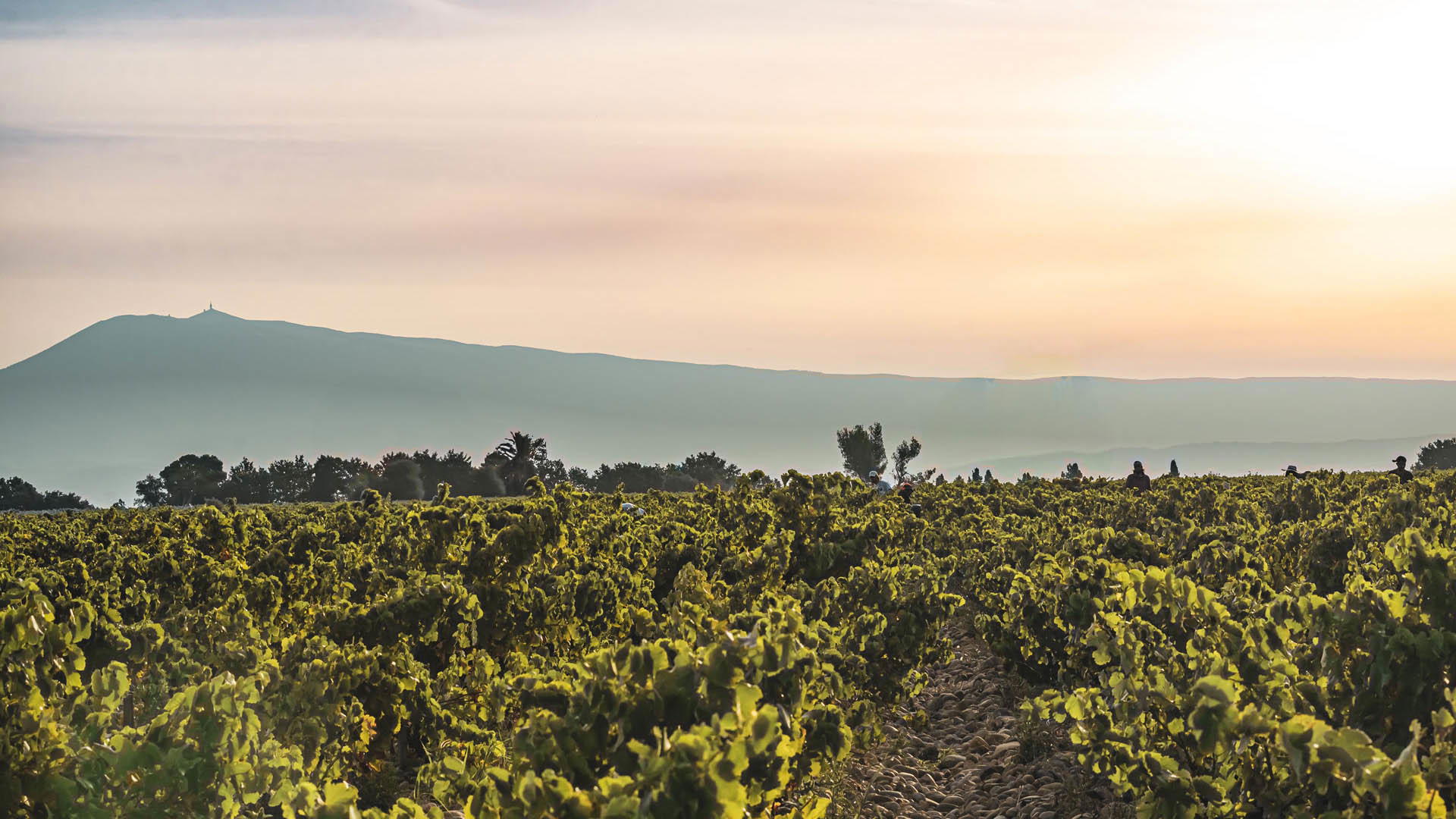
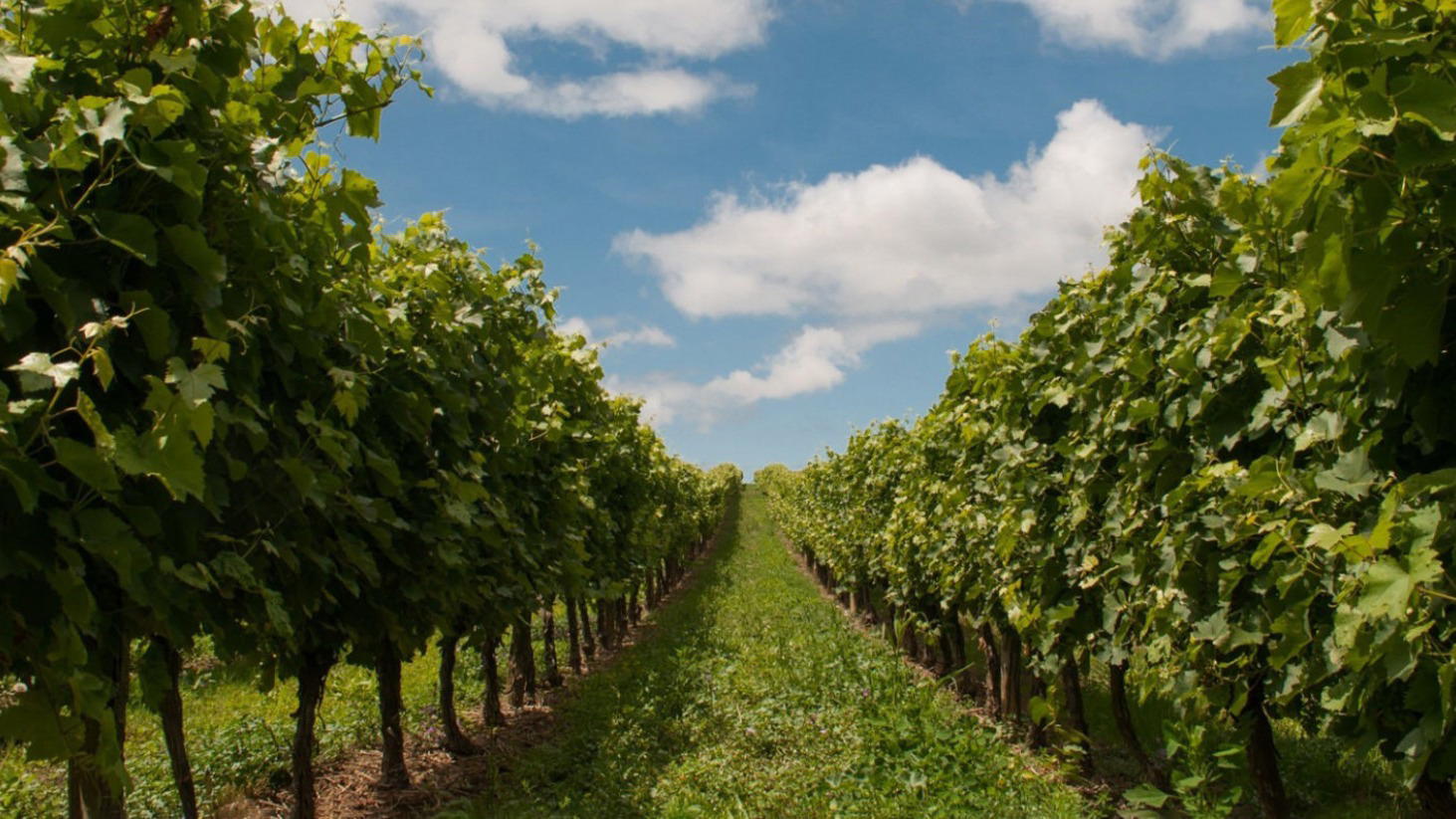
The road in from the D17 drops you through a corridor of cypress and plane trees before the stone farmstead comes into view. This is Provence at its most structurally honest: dry-stone walls, pale gravel, the scent of wild herbs that require no cultivation because the garrigue supplies them freely. Domaine de Manville occupies a 250-acre estate in the valley beneath Les Baux-de-Provence, one of the Alpilles' most visited hilltop villages, and the positioning is deliberate. The valley floor gives the property space, quiet, and agricultural credibility that the village itself, crowded with day visitors by midmorning in summer, cannot offer.
The estate's bones date to 1908, when Louis-Alexandre Blanc de Manville built a farm complex around a central courtyard, complete with the grand stone buildings that still anchor the property today. The transformation into a hotel came via the Saut family, who grew up in the stretch between Les Baux-de-Provence and Maussane-les-Alpilles and brought to the restoration an intimacy with the terrain that outside developers rarely manage. Across 30 rooms and a separate collection of villas, that heritage sits beneath a layer of contemporary upgrades that reads less as renovation and more as continuation.
In the category of estate-based Provençal hotels, Domaine de Manville competes in a tier defined by agricultural setting, limited keys, and serious food and wine programming. Properties such as Villa La Coste in Le Puy-Sainte-Réparade and La Bastide de Gordes in Gordes occupy the same regional conversation, though each navigates the tension between Provençal rootedness and contemporary luxury differently. Domaine de Manville's position, confirmed by a Michelin 1 Key (2024) and a Gault & Millau Exceptional Hotel designation (2025, 5 points), places it in the upper bracket of that comparable set.
The Dining Programme: From Bistrot to Haute Cuisine
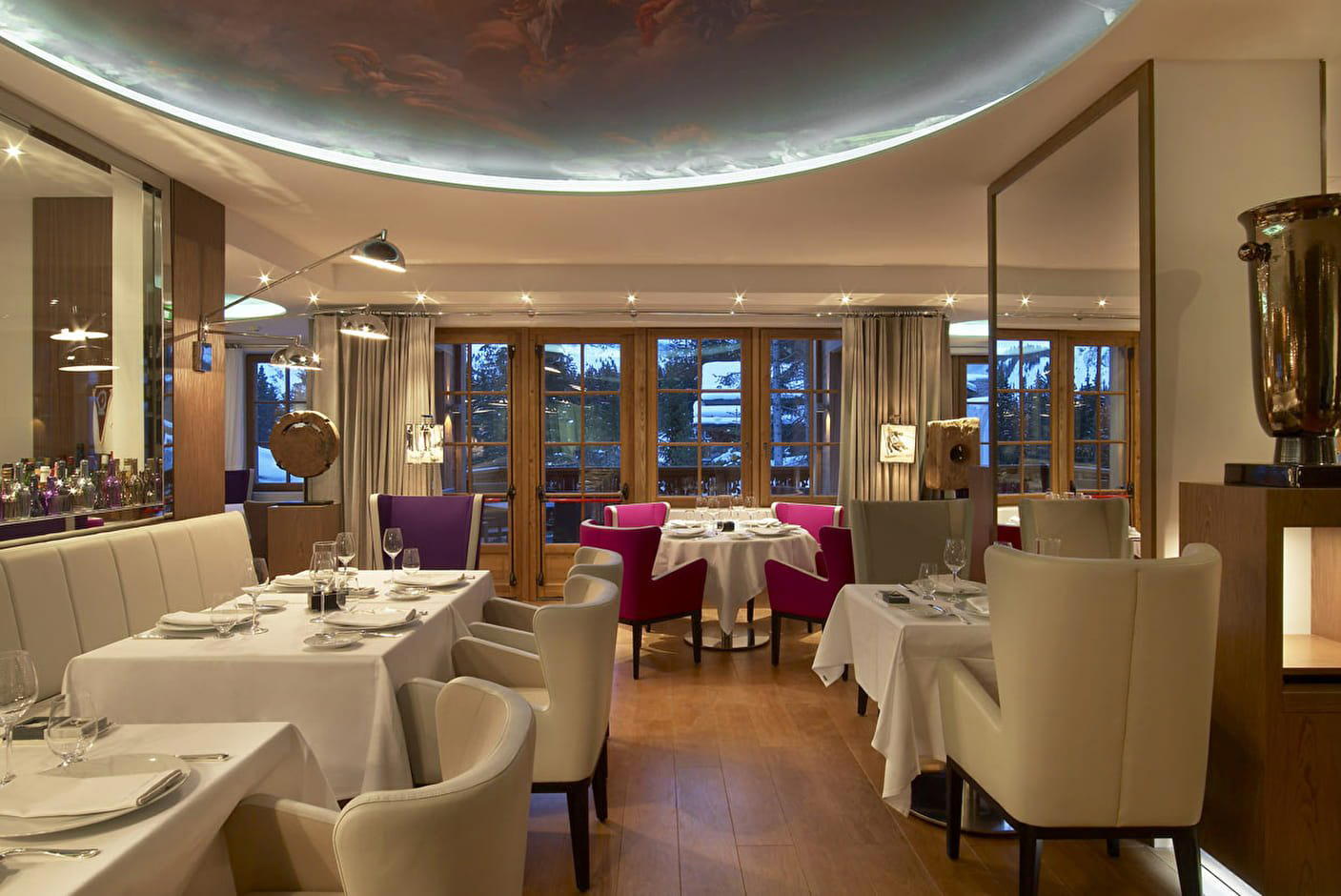
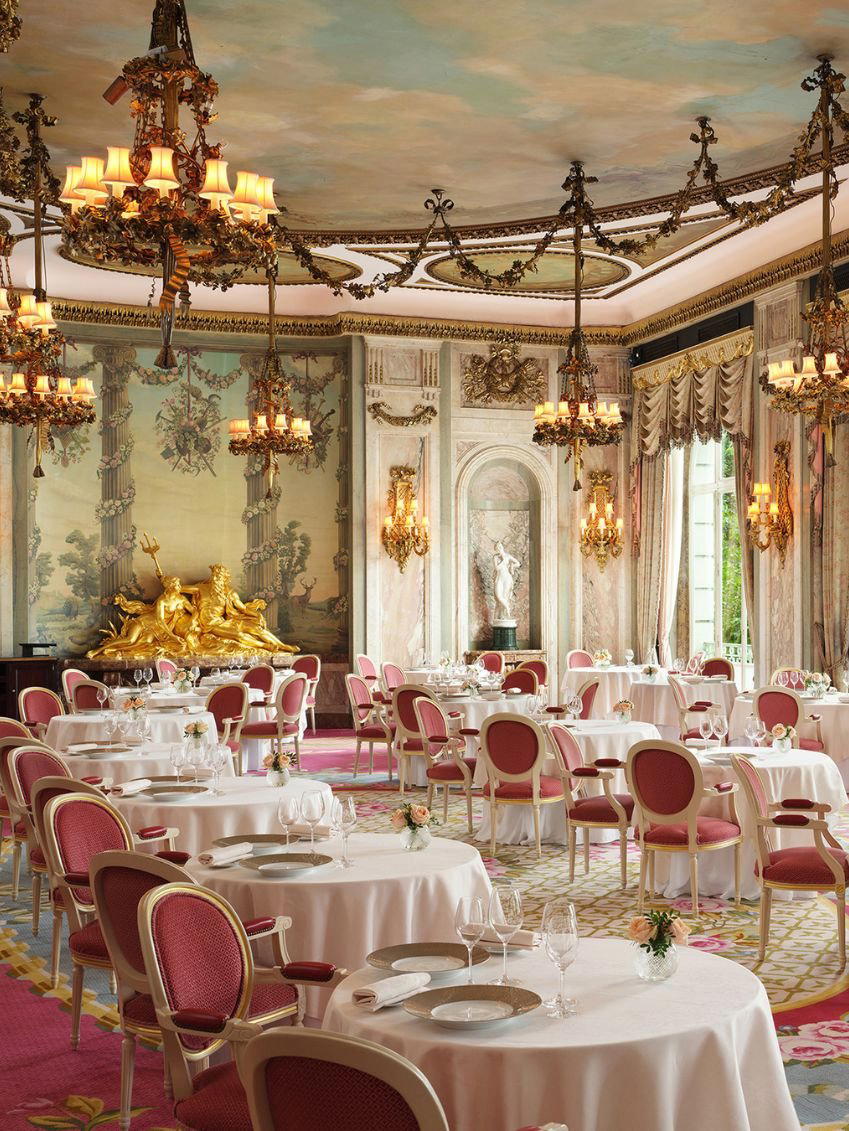
Boutique-estate hotels in southern France have consolidated around two dining models: the single ambitious restaurant that handles all occasions with varying degrees of formality, or a tiered system that separates the everyday from the serious. Domaine de Manville runs the latter. The Bistrot handles daytime and casual meals, while the gourmet restaurant operates as a distinct proposition, with white linen, candlelight, and haute cuisine from chef Lieven van Aken.
Van Aken's programme draws directly from the Alpilles larder. This corner of Provence has always supplied the table generously: olives pressed locally, honey from hives set among the garrigue, lamb from the Crau plain, and vegetables from soil described, not hyperbolically, as legendarily productive. In the gourmet restaurant, that regional sourcing is the structural argument of the menu rather than its garnish. Regional Provençal cooking at this level is a different discipline from the kind practiced in the village bistros of Arles or Avignon: it disciplines itself to restraint, building dishes around the quality of the ingredient rather than the complexity of the preparation.
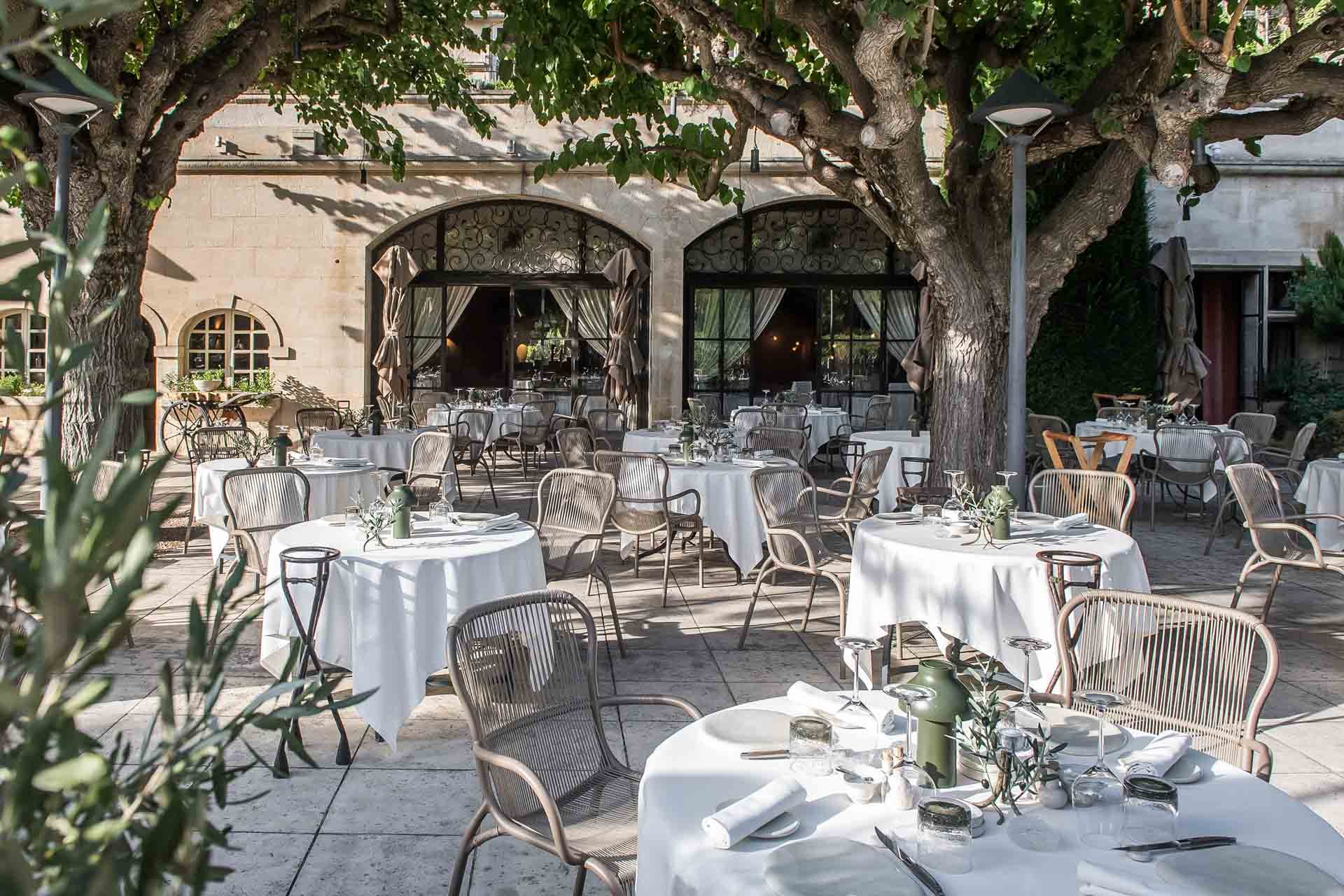
The morning meal at the atrium, which doubles as a winter garden and a Thursday and Saturday bar with live music, runs on house-baked pastries and honey produced on the estate. That detail signals something about the property's approach: the supply chain begins, in several cases, within the 250-acre boundary. At the interior courtyard, a glass of Rosé de Provence in the shade of the trees at lunch is less a marketing gesture than a geographic statement. The Alpilles sit at the northern edge of the Provence AOP, and the rosés from this zone carry a mineral precision that the coast rarely matches.
For guests comparing the hotel's culinary offer against the Michelin-starred dining at nearby Baumanière Les Baux-de-Provence, the distinction is one of register. Baumanière, with its deep institutional history in French gastronomy, operates as a destination restaurant with rooms attached. The hotel inverts that emphasis, running a serious kitchen within a property whose identity is defined as much by estate life as by the table. The two coexist in the same valley and serve different needs.
Rooms, Villas, and What the Light Does
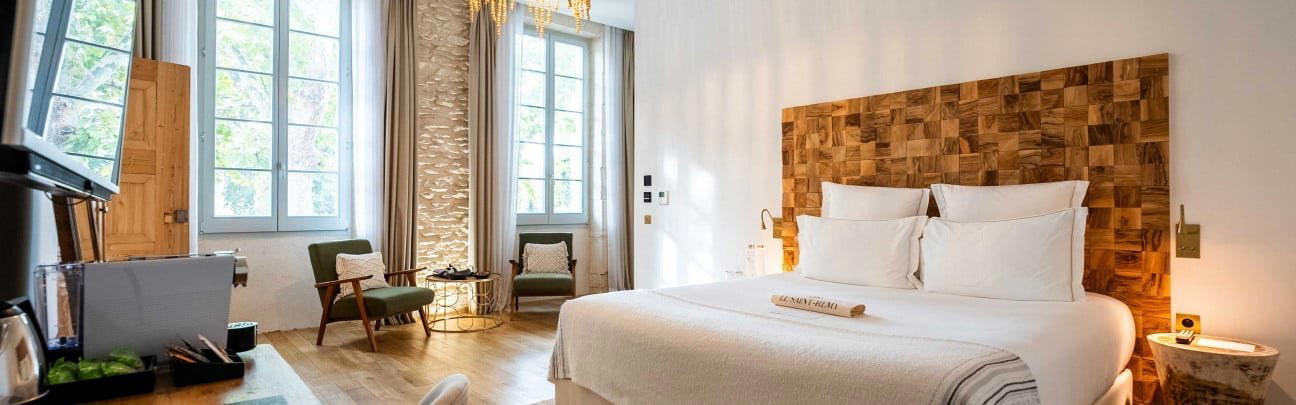
The 30 rooms across the main house are designed around a principle that the Alpilles light does most of the decorative work. Floor-to-ceiling windows and half-painted walls create a clean but warm atmosphere; antiques are chosen rather than assembled. Views run toward the pool, the olive groves, or the open estate. The Mediterranean light that van Gogh documented obsessively in the surrounding hills, visible from the property's terraces and flagstoned walkways, justifies a longer afternoon than most guests plan for.
The nine villas, set apart from the main building, carry private wine cellars and full kitchens. That configuration attracts a specific type of traveller: those who want the amenities of a hotel operation (spa access, restaurant, golf) with the autonomy of a self-contained residence. The villas are available for purchase as well as rental, which positions them in the fractional and second-home market rather than purely in the transient hotel category.
La Réserve Ramatuelle or Hotel Du Cap-Eden-Roc in Cap d'Antibes, but at a point where the Gault & Millau and Michelin recognitions carry operational weight. Among the broader French hotel set, comparable combinations of agricultural heritage and serious culinary programming appear at Les Sources de Caudalie in Bordeaux and Château Lafaurie-Peyraguey in Lieu-dit Peyraguey, both of which anchor identity in the producing land around them. Other estate-rooted properties worth benchmarking include Domaine Les Crayères in Reims and Château de Montcaud in Sabran.
Beyond the Table: Golf, Spa, and the Estate Grounds
The 18-hole golf course is built to engage with the terrain rather than flatten it, which makes it unusual among hotel-attached courses in the South of France. The eco-conscious design preserves the rock and scrub character of the Alpilles foothills, and the views across the valley, toward the castle ruins of Les Baux-de-Provence above, make the round scenically legible in a way that manicured resort courses rarely are.
The spa handles the afternoon hours for non-golfers, while a ten-seat private screening room and guided nature tours that conclude with an estate picnic address the gap between lunch and dinner. These are not filler amenities. They reflect an understanding that an estate property of this scale succeeds by generating self-contained days that never require guests to leave, while keeping the village and its surrounding countryside close enough for easy exploration.
The drive into the Alpilles from the motorway is part of the arrival sequence: the landscape shifts from the industrial hinterland of Marseille to the limestone ridges and olive groves of the Bouches-du-Rhône in under an hour. Those arriving by train use Avignon TGV or Arles as their nearest rail connection, with a car hire or transfer required for the final stretch. (La Bastide de Gordes), the Var (Hôtel & Spa du Castellet), and the Riviera (The Maybourne Riviera, Château de la Chèvre d'Or in Èze).
Planning Your Stay
The hotel's 30-room count means availability compresses quickly across the peak summer window of July and August, when the Alpilles draw visitors from across Europe. The shoulder seasons, May through June and September through October, offer the estate at its most manageable: the garrigue herbs are at full intensity in spring, and the autumn light across the valley has a different quality than the flat glare of high summer. Winters are quiet and cool, making the atrium bar and gourmet restaurant the natural social centre of the property. The village of Les Baux-de-Provence, with its castle ruins and specialist food boutiques selling almond calissons, candied fruits, and honey nougat, is a short drive from the estate and leading visited on a weekday morning before the day-trip traffic arrives.
Cost and Credentials
Comparable venues nearby, for context on price, style, and recognition.
| Venue | Price | Awards | Notes |
|---|---|---|---|
| Domaine de ManvilleThis venue — the venue you are viewing | $$$$ | Michelin 1 Key | Not listed |
| Baumanière Les Baux-de-Provence | $$$$ | Michelin 3 Key | Les Baux-de-Provence, A Provence institution combining 17th-century noble heritage with contemporary luxury, featuring traditional Provençal architecture set on a rocky plateau with expertly maintained botanical grounds. |
| Hôtel de Tourrel | $$$$ | Michelin 1 Key | Saint-Rémy-de-Provence, Renovated historic mansion blending authentic Provençal architecture with modern luxury. |
| Le Phébus | $$$$ | Michelin 1 Key | Joucas, Converted Provençal stone farm buildings with modern comforts |
| Arev Saint-Tropez | $$$$ | Michelin 1 Key | near Place des Lices, timeless luxury hotel reviving old-school glamour of Saint-Tropez |
| Château de Fonscolombe | $$$$ | Michelin 1 Key | Le Puy-Sainte-Réparade, 18th-century Provençal castle with contemporary updates |
Recognition history
Dated appearances from independent guides and award organizations, with the underlying list record or original source where available.
Virtuoso Luxury Hotel Partner
Virtuoso
Gault & Millau Exceptional Hotel
Gault & Millau
Michelin 1 Key
Michelin
Small Luxury Hotels of the World Member
Small Luxury Hotels of the World
Michelin 1 Key
Michelin
Continue exploring
More in Les Baux
Hotels in Les Baux
Browse all →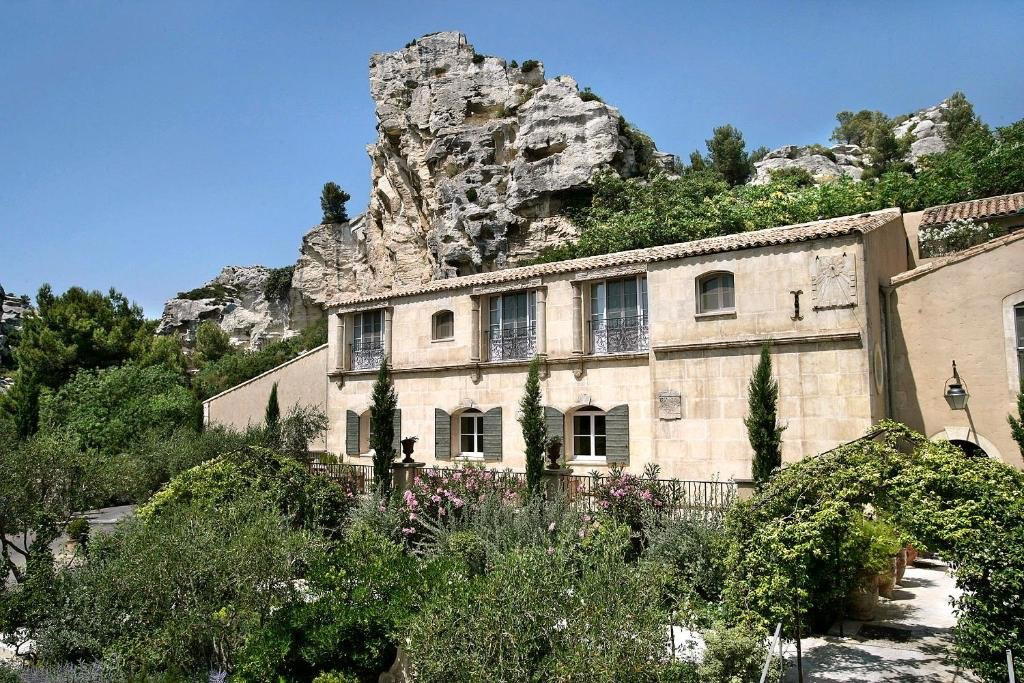
Bars in Les Baux
Browse all →
Restaurants in Les Baux
Browse all →
At a Glance
- Romantic
- Quiet
- Elegant
- Rustic
- Scenic
- Sophisticated
- Honeymoon
- Romantic Getaway
- Wellness Retreat
- Weekend Escape
- Golf Course
- Panoramic View
- Garden
- Terrace
- Wi Fi
- Pool
- Spa
- Fitness Center
- Room Service
- Concierge
- Valet Parking
- EV Charging
- Kids Club
- Golf Course
- Mountain
- Garden
- Wi Fi
- Pool
- Spa
- Fitness Center
- Room Service
- Concierge
- Valet Parking
- EV Charging
- Kids Club
- Golf Course
Refined and inviting with natural light flooding elegant spaces, a tranquil courtyard atmosphere, and a peaceful haven enhanced by warm, genuine service.