


Michelin Plate · Guía Repsol 1 Sol · Macarfi 7.4 Food Rating
Our verdict
Among Murcia's contemporary tasting-menu restaurants, Polea occupies a particular niche: a couple-run operation whose menu draws on local seasonal produce, a kitchen garden, and Scandinavian technique. The green azulejo facade and esparto blinds signal the aesthetic intent before you step inside. Michelin Plate recognition in both 2024 and 2025 confirms the kitchen's consistent execution at the €€ price point.

Pearl is the En Primeur Club membership app — saves, bookings, and concierge access live there. Same editors, same standards.
- Address
- C. Almohajar, 2, bajo, 30002 Murcia, Spain
- Phone
- +34 614 14 69 78
- Hours
- Mon ClosedTue–Thu 1:30–5 PMFri–Sat 2–5 PM, 9 PM–12 AMSun Closed
- Website
- polearestaurante.es
- Directions
- Get directions
- Booking
- Book on TheFork
A Facade That Sets the Terms
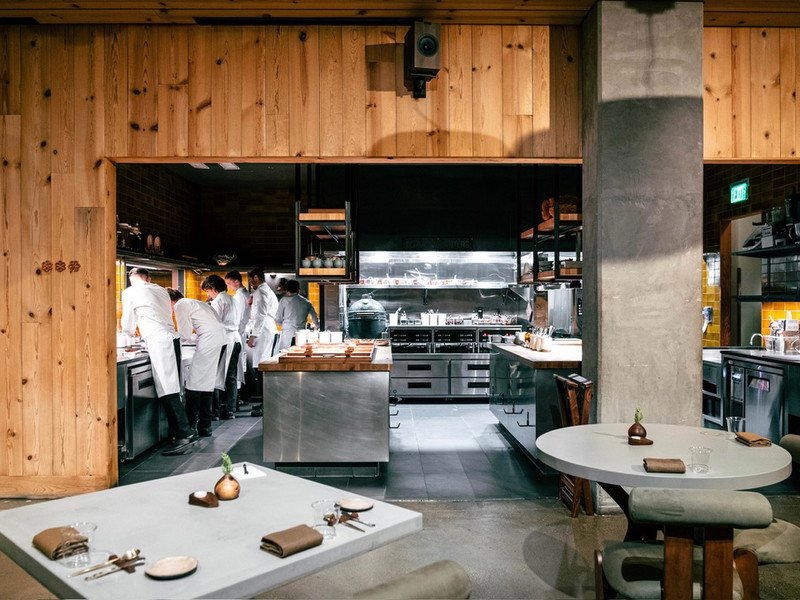
Calle Almohajar is a quieter address than Murcia's main dining corridors, and the building announces itself before any menu does. Green azulejos and thick esparto blinds — materials rooted in southern Spanish craft — frame the entrance in a way that tells you something deliberate is happening inside. The rusticity isn't decorative affect; it frames a room where a small bar, a partially open kitchen, and a compact dining area work in close proximity. At this scale, the physical arrangement between front-of-house and kitchen isn't incidental. It's structural to how the evening runs.
Murcia's contemporary restaurant tier has grown steadily over the past decade, with a cluster of €€ to €€€ operations building serious reputations: Frases, Magoga, and Almo de Juan Guillamón each occupy a distinct position within it. Polea sits in the €€ bracket alongside Alborada and Por Herencia, but its tasting-menu-only format and cross-cultural influences place it in a different competitive conversation than those leaning on regional tradition.
The Collaboration at the Centre of It
The editorial angle on Polea that matters most is the one built into its founding: two people, one the kitchen lead, one front-of-house, who spent years working abroad before choosing to return to Spain. That kind of formative period overseas, absorbing techniques, building palate references, understanding how Scandinavian kitchens treat seasonality and restraint, tends to produce restaurants that read differently from those trained entirely within a single culinary tradition. The return to Murcia wasn't a retreat to familiar comfort cooking; it was a deliberate application of accumulated range to a specific local food culture.
In smaller tasting-menu restaurants across Spain, the partnership model between kitchen and floor matters more than it does at larger operations. When the room is compact and the menu is fixed, the front-of-house role shifts: less order-taking, more narration and pacing. The partially open kitchen at Polea reinforces this, the visual connection between preparation and service is a cue to guests that the two roles are integrated rather than sequential. Spain has produced some of the most studied examples of kitchen-floor collaboration at the highest end, from El Celler de Can Roca in Girona to Arzak in San Sebastián, but the dynamic scales downward too, and at the €€ level it often produces a more immediate, less ceremonial version of the same idea.
Where the Menu Finds Its Reference Points
Spain's contemporary dining scene has spent two decades negotiating between local product and international technique. At the ambitious end, operations like DiverXO in Madrid, Quique Dacosta in Dénia, and Azurmendi in Larrabetzu have built identities around conceptual reach. Polea operates at a more intimate register, but its structural approach, a single tasting menu, seasonal ingredients, a kitchen garden as one source, follows the same underlying logic: that a focused menu sourced carefully will produce more honest cooking than a broad à la carte.
The Scandinavian influence in Polea's cooking is worth noting as a contextual marker rather than a stylistic flourish. Nordic technique has moved into the mainstream of contemporary European restaurants over the past fifteen years, particularly in its emphasis on preservation, fermentation, and restraint in seasoning. When that framework is applied to Murcian produce, a region with exceptional vegetables, citrus, and fish from the Mediterranean and Mar Menor, the results tend toward dishes that foreground ingredient quality rather than transformation. That alignment between technique and local material is a meaningful one, and it connects Polea to a broader international tendency visible at restaurants like Jungsik in Seoul and César in New York City, where non-native frameworks are applied to regional product with care.
The sustainability commitment on the fish front is worth treating as a practical signal rather than a marketing note. Spain has a significant sustainable seafood gap at mid-market level; restaurants that specify sustainable-catch sourcing are drawing a deliberate line within that context. For the kitchen, it also sets a constraint that shapes the menu: what's available changes with what was caught responsibly, which reinforces the seasonal logic of the rest of the menu. Aponiente in El Puerto de Santa María has taken that commitment to its most conceptual extreme at the starred level; Polea applies a version of the same principle at a more accessible price point.
Michelin Plate Recognition and What It Signals
Polea has held a Michelin Plate in both 2024 and 2025. The Plate designation sits below star level but above anonymity in Michelin's hierarchy, it marks restaurants where the Guide's inspectors found cooking they considered worthy of attention. At the €€ price tier, Plate recognition carries a specific implication: the kitchen is producing food that competes on quality grounds with more expensive operations. In Murcia's context, it places Polea alongside other recognised addresses while maintaining its position as one of the more accessibly priced tasting-menu formats in the city.
For context within Spain's wider recognition ecosystem, Murcia sits outside the traditional fine-dining clusters of the Basque Country, Catalonia, and Madrid, but its regional food culture, built around the huerta's exceptional produce, has been generating serious kitchens at an accelerating pace. Polea fits that pattern: a restaurant making a case for Murcia as a destination dining city, not just a stopover.
Planning Your Visit
Polea is on Calle Almohajar, 2, bajo, in Murcia's 30002 postcode, which puts it within the central city. The €€ price positioning makes it one of the more accessible tasting-menu options in the city for a fixed-format dinner, though the single-menu format means you're committing to the kitchen's sequence for the evening rather than selecting from a broader list.
For those building a wider Murcia itinerary, the EP Club guides to restaurants, hotels, bars, wineries, and experiences in the city provide the broader context for how Polea fits within the full picture of what Murcia offers at different price points and formats.
Frequently asked questions
Is Polea good for families?
The €€ price positioning keeps the bill manageable relative to Spain's higher-tier tasting operations, which helps with larger groups. That said, Polea runs a single fixed tasting menu with no à la carte alternative, so younger or selective eaters may find the format restrictive. It suits families with older children who are comfortable sitting through a multi-course sequence.
Is Polea better for a quiet night or a lively one?
Quiet, without question. The room is small, the kitchen partially open to view, and the format is a single tasting menu — conditions that reward attention rather than noise. The combination of esparto blinds, green azulejos, and a rustic-contemporary interior signals a deliberate, unhurried pace. Groups looking for a high-energy evening should look elsewhere in Murcia.
What kind of recognition has Polea received?
Polea has received recognition including: Polea is impressively run by a couple who decided to return to Spain (the homeland of the female half of the partnership) after many years working abroad. Behind its highly original façade, featuring green azulejos and thick esparto blinds,….
What should I order at Polea?
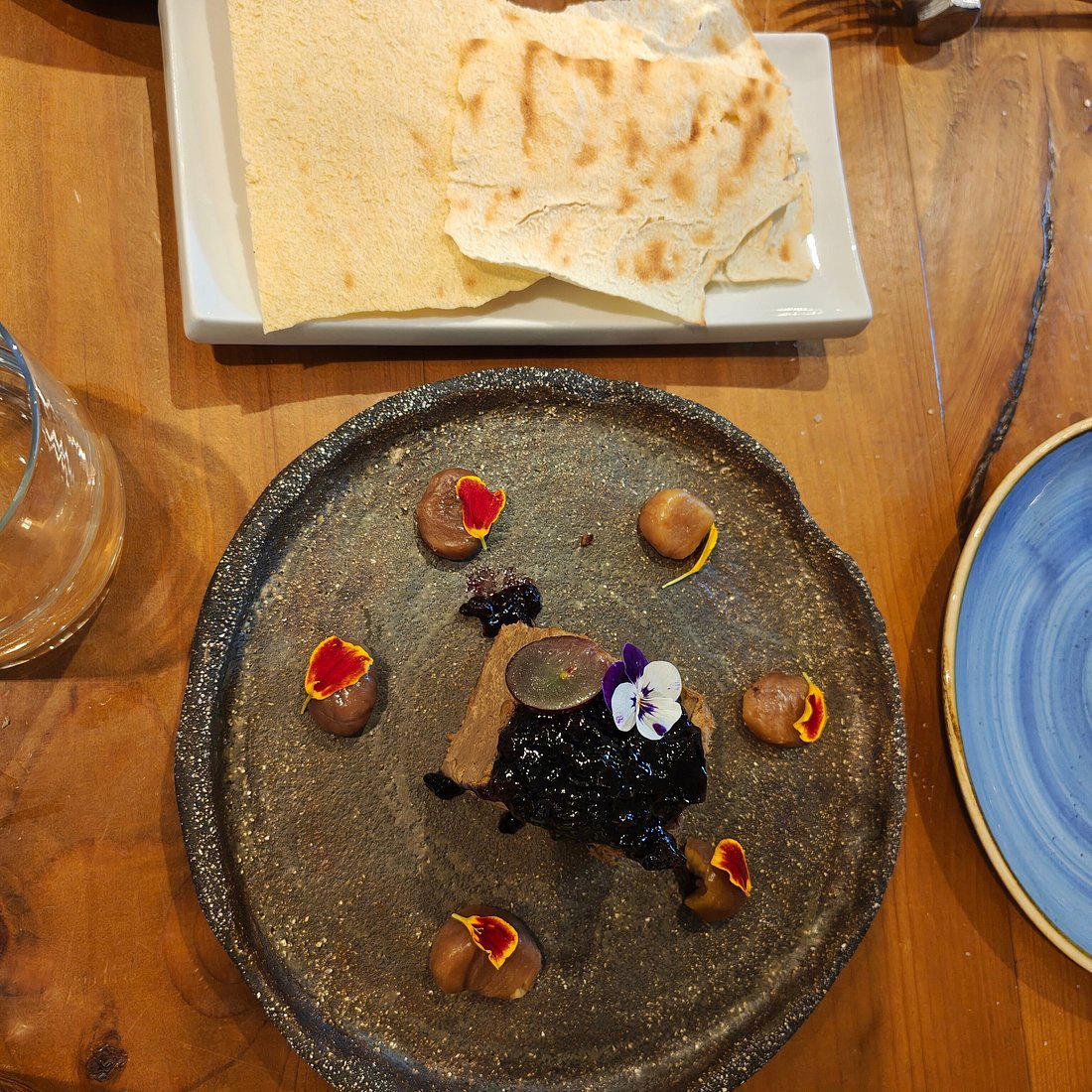
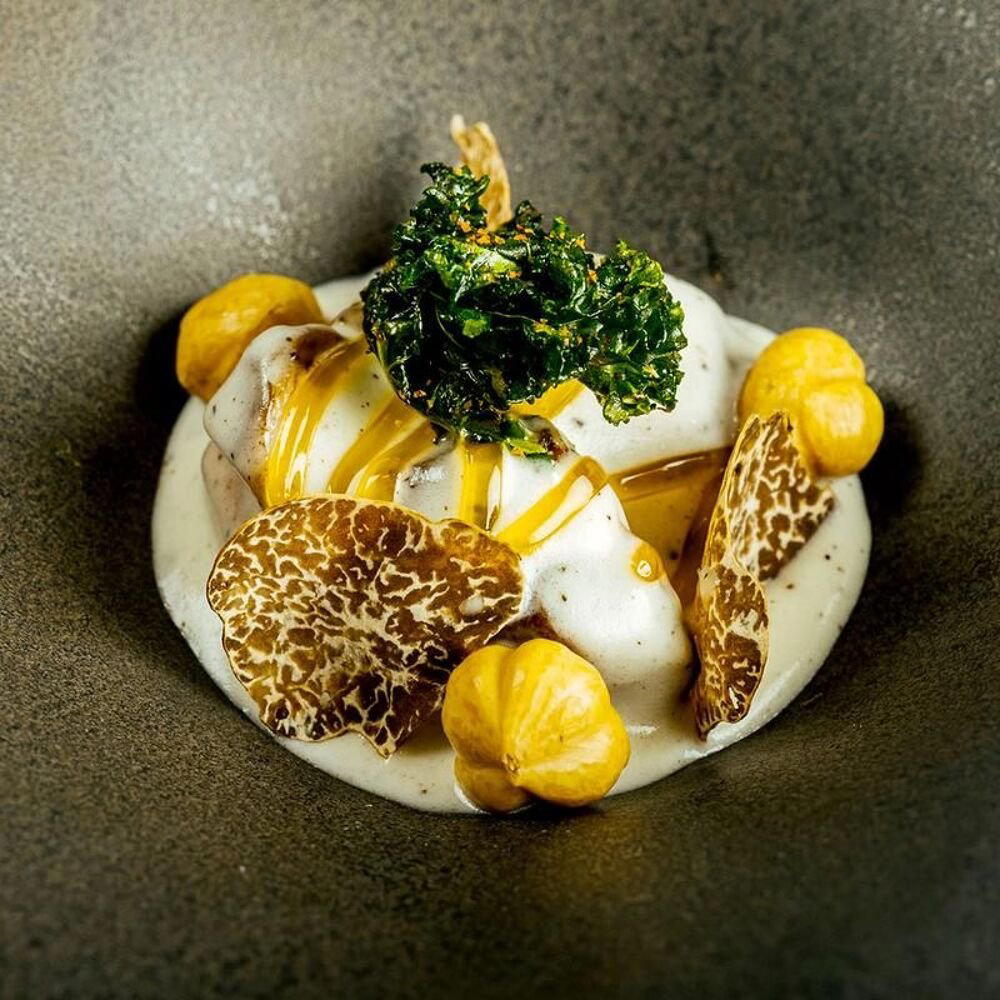
There is no ordering in the conventional sense. Polea operates on a single tasting menu, so the kitchen sets the sequence entirely. Dishes draw on locally sourced seasonal produce, some from the restaurant's own garden, and incorporate Scandinavian technique alongside Spanish foundations. Fish on the menu will have been caught using sustainable methods, which shapes what appears depending on season and availability.
The Minimal Set
| Venue | Cuisine | Price | Awards | Notes |
|---|---|---|---|---|
| PoleaThis venue — the venue you are viewing | Modern Spanish Tasting Menu | $50–100 | Michelin Plate · Guía Repsol 1 Sol | Not listed |
| Almo de Juan Guillamón | Modern Mediterranean | $50–100 | 1 Michelin Star · Guía Repsol 2 Soles | Modern Cuisine |
| Frases | Modern Murcian Fine Dining | Not listed | 1 Michelin Star · Guía Repsol 1 Sol | Contemporary |
| Magoga | Contemporary Mediterranean with Murcian Roots | $100–150 | 1 Michelin Star · Macarfi 8.7 Food Rating | Contemporary |
| Alborada | Traditional Spanish Mediterranean | $50–100 | Michelin Plate · Macarfi 7.6 Food Rating | Traditional Cuisine |
| Demo | Contemporary Spanish Mediterranean | $50–100 | Michelin Plate · Macarfi 7.7 Food Rating | Farm to table |
Recognition history
Dated appearances from independent guides and award organizations, with the underlying list record or original source where available.
Michelin Plate
Michelin
Guía Repsol 1 Sol
Guía Repsol
Macarfi 7.4 Food Rating
Macarfi
Full recognition history (5 entries)
Michelin Plate
Michelin
Michelin Plate
Michelin
Continue exploring
More in Murcia
Restaurants in Murcia
Browse all →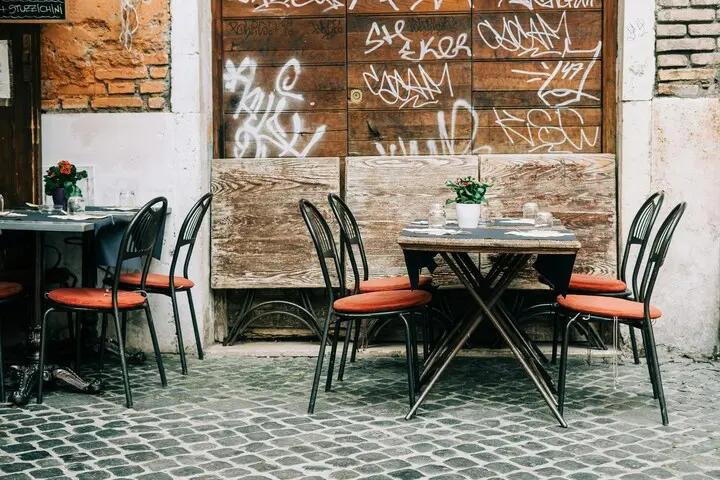
Bars in Murcia
Browse all →
Hotels in Murcia
Browse all →

Details
- Modern
- Elegant
- Intimate
- Sophisticated
- Date Night
- Business Dinner
- Special Occasion
- Open Kitchen
- Local Sourcing
- Tasting Menu
- Vegetarian Friendly
Current opening hours
- Monday
- Closed
- Tuesday
- 1:30–5 PM
- Wednesday
- 1:30–5 PM
- Thursday
- 1:30–5 PM
- Friday
- 2–5 PM, 9 PM–12 AM
- Saturday
- 2–5 PM, 9 PM–12 AM
- Sunday
- Closed
Hours can change for holidays and private events. Last verified .
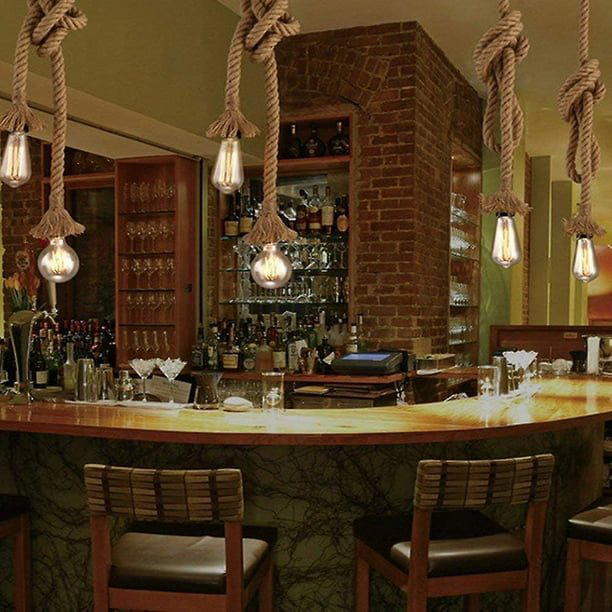
Rustic-contemporary with a small bar and partially open-view kitchen, creating a welcoming and romantic atmosphere.