
Falstaff Winery - Listed
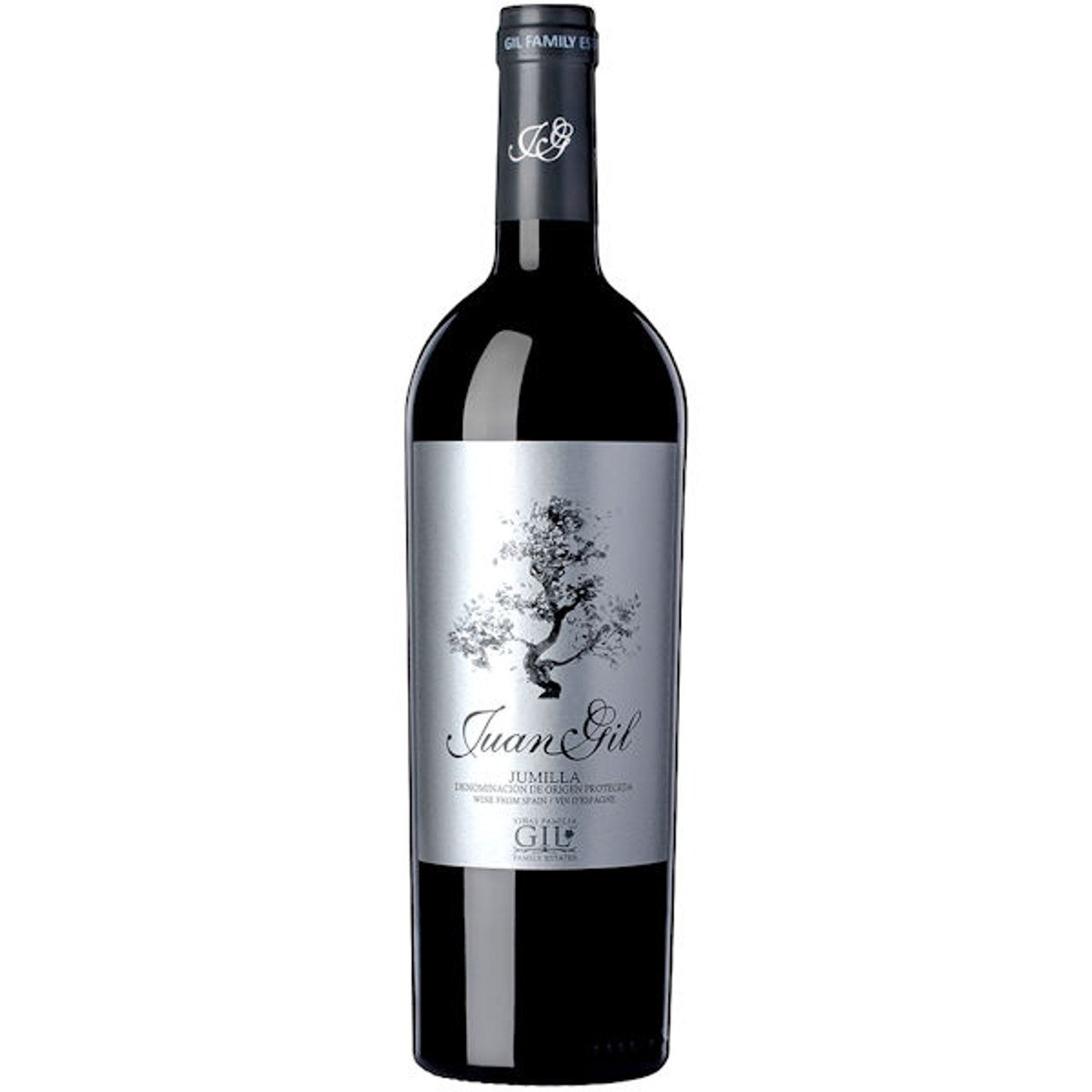
Bodegas Juan Gil operates from the sun-baked plateau of Jumilla, one of southeastern Spain's most distinctive Monastrell territories..

Pearl is the En Primeur Club membership app — saves, bookings, and concierge access live there. Same editors, same standards.
- Address
- Paraje de la Aragona, Carretera de Fuente Alamo, S/N, 30520 Jumilla, Murcia
- Phone
- +34 968 43 50 22
- Website
- gilfamily.es
- Directions
- Get directions
The road to Jumilla's wine country climbs through a range of limestone ridges and semi-arid scrubland before flattening onto a high plateau where the air is dry and the light has a particular Mediterranean intensity. At this elevation, daytime heat is severe and nights are genuinely cool, a thermal swing that shapes grape physiology more decisively than any cellar intervention. Bodegas Juan Gil sits within this geography at Paraje de la Aragona, along the Carretera de Fuente Alamo, and its wines are expressions of that specific set of physical conditions. The building itself is secondary to the land it processes.
Jumilla and the Case for Monastrell
Jumilla occupies a zone inside the Murcia region of southeastern Spain where viticulture has operated for centuries under conditions that most winemaking regions would consider marginal: annual rainfall below 300mm, summer temperatures that regularly exceed 40°C, and soils composed primarily of limestone and clay with a chalky texture that limits water retention and forces vines to root deeply. Those same conditions have historically positioned Jumilla outside the prestige hierarchy of Spanish wine, which has been dominated by Rioja and Ribera del Duero. That hierarchy has been shifting. Over the past two decades, Monastrell — the grape that thrives here almost exclusively — has attracted serious critical reappraisal as the international wine community has moved toward recognising place-specific expression over varietal ubiquity.
Monastrell, known as Mourvèdre in southern France and much of the English-speaking world, produces wines of deep colour, firm tannin, and a particular aromatic profile that leans toward dark fruit, dried herbs, and earthy mineral notes. In Jumilla's calcareous soils, the variety develops a structural tension between ripeness and acidity that distinguishes it from the same grape grown in coastal or lower-altitude sites.
For context on how Spanish producers across regions approach their terroir, the contrast is instructive. Operations like CVNE (Cune) in Haro work within the well-mapped framework of Rioja's subzones, while Bodegas Protos in Peñafiel operates inside Ribera del Duero's Tempranillo identity. Clos Mogador in Gratallops offers perhaps the closest parallel in terms of working with heat-adapted varieties in calcareous terrain, though the Priorat's schist soils produce a different mineral profile than Jumilla's limestone base.
How the Land Speaks Through the Wine
The terroir argument for Jumilla rests on several measurable factors. Altitude across the appellation ranges from roughly 400 to 800 metres above sea level, and vineyards at the higher elevations retain enough nocturnal cool to preserve aromatic complexity through a growing season that pushes ripeness hard. The soils drain freely but hold mineral content, contributing to wines where texture and finish carry a chalky, sometimes graphite-like quality that distinguishes them from heavier, fruit-forward Monastrell produced in lower, hotter zones.
Old vine material matters significantly in this context. Jumilla's phylloxera history differs from much of Europe: the region's combination of sandy soils in specific plots and its semi-arid climate provided partial protection, and some vineyards contain ungrafted vines of considerable age. Old vines in any region produce lower yields and more concentrated fruit, but in Jumilla, the combination of vine age and limestone rootstock creates a flavour profile that is recognisably site-specific rather than generically Mediterranean.
Producers across Spain's broader wine geography approach old vine and estate identity from different angles. Emilio Moro in Pesquera de Duero has built its identity around Tempranillo vine age and estate selection. Marqués de Cáceres in Cenicero operates within a French-influenced technical tradition in Rioja. Jumilla's model, at its serious end, is less about winemaking philosophy statements and more about the argument that the site itself does the differentiating work.
The Prestige Tier in Context
At this tier, the expectation is that the winery functions as a reliable reference point for its appellation, that its output is consistent across vintages, and that visitors engaging with it are receiving a considered encounter with a place rather than a brand exercise.
Across Spain's wine country, the 2 Star Prestige cohort includes operations with substantially different scales, aesthetics, and market positions. Abadía Retuerta in Sardón de Duero and Arzuaga Navarro in Quintanilla de Onésimo sit within Castile's premium estate framework, while Bodegas Vivanco in Valle de Mena and Bodegas Ysios in Laguardia operate within Rioja's established critical infrastructure. Juan Gil's position within this group as a Jumilla producer is a signal that the appellation's critical rehabilitation is substantive, not promotional.
For Spanish wine tourism that spans multiple regions and production philosophies, comparisons with Marqués de Griñón (Dominio de Valdepusa) in Malpica de Tajo, Lustau in Jerez de la Frontera, and Codorníu in Sant Sadurní d'Anoia illustrate how different Spain's wine geography is when approached seriously: each producer is a distinct argument about variety, soil, and climate rather than a variation on a single national style.
Getting There and Planning a Visit
Jumilla sits approximately 70 kilometres northwest of Murcia city, reachable by road through the AP-7 and then the MU-553. The town is small, infrastructure for wine tourism is less developed than in Rioja or Ribera del Duero, and the region rewards visitors who come with specific intent rather than a general touring itinerary. Bodegas Juan Gil is located at Paraje de la Aragona along the Carretera de Fuente Alamo, visitors should confirm visit arrangements and any tasting protocols directly with the winery in advance, as the site is a working production facility outside a major tourist corridor. The leading windows for visiting Jumilla are late spring (April to early June) before the plateau heat becomes extreme, and September to early October around harvest when the vineyards are at their most active and the connection between land and wine is most visually apparent.
For broader orientation around what Jumilla offers beyond this individual winery, our full Jumilla restaurants guide covers the town's food and wine context in more depth.
Comparable Venues
Comparable venues nearby, for context on price, style, and recognition.
| Venue | Cuisine | Price | Awards | Notes |
|---|---|---|---|---|
| Bodegas Juan GilThis venue — the venue you are viewing | Monastrell, Moscatel | Not listed | Falstaff Winery - Listed | Not listed |
| La Orden del Libra Gin | Winery | Not listed | Not listed | Córdoba |
| Bodegas Torres | Garnacha, Cariñena | Not listed | Not listed | Vilafranca del Penedès |
| Emilio Moro | Tempranillo, Tinto Fino | $50–100 | Falstaff Winery - 5 Stars | Pesquera de Duero |
| Ramón Bilbao | Tempranillo, Garnacha | Not listed | Falstaff Winery - 3 Stars | Haro |
| Brook Brothers Distillery | Winery | Not listed | Not listed | Córdoba |
Recognition history
Dated appearances from independent guides and award organizations, with the underlying list record or original source where available.
Falstaff Winery - Listed
Falstaff
Continue exploring
More in Jumilla
Wineries in Jumilla
Browse all →

Restaurants in Jumilla
Browse all →
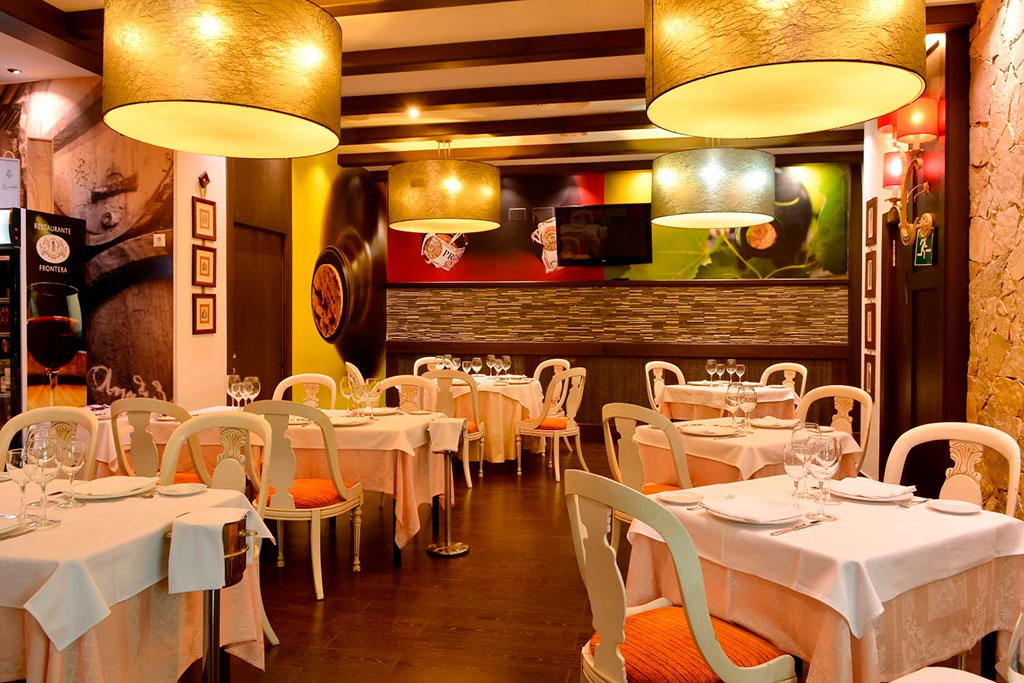
Hotels in Jumilla
Browse all →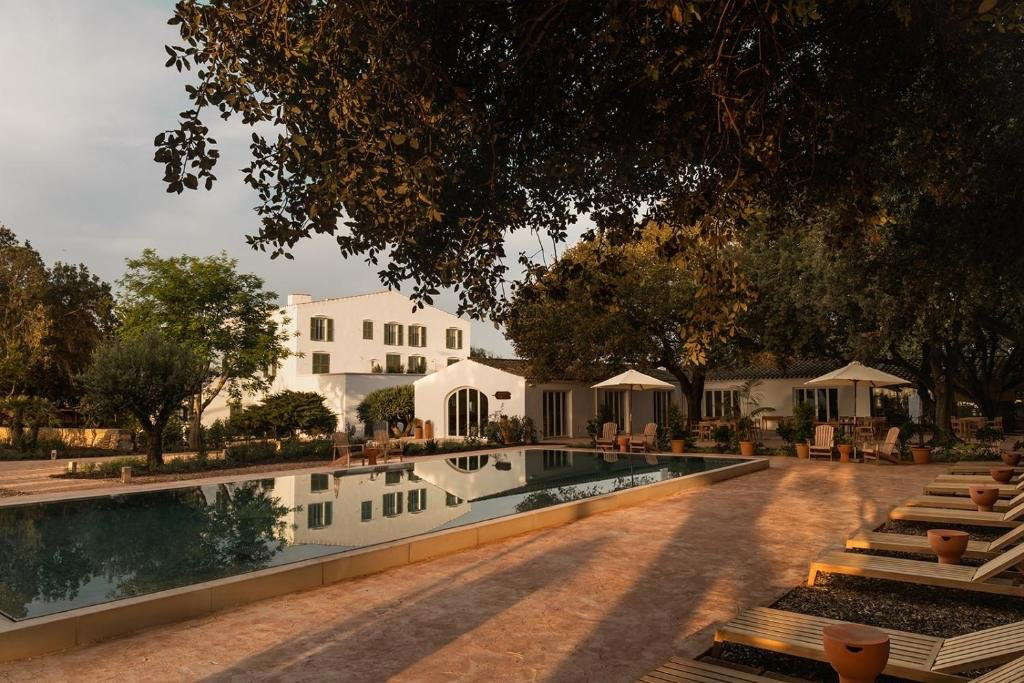
Details
- Rustic
- Scenic
- Classic
- Wine Education
- Solo Exploration
- Vineyard Tour
- Barrel Room
- Organic
- Sustainable
- Vineyard
- Mountain
- Monastrell
- Moscatel
- Cabernet Sauvignon
- Syrah
- Still Red
- Cave Tasting
Modern, efficient winery facility surrounded by stark, rocky vineyard landscapes with a focus on quality production.