
A wine bar in València's Extramurs district rooted in a founders' story that begins with a 1994 Riesling. Vinorte draws on international hospitality experience and deep local roots to frame Spain's wine regions within a relaxed, neighbourhood-scale format. The food programme is built to complement the glass, not compete with it.
 Discover on Pearl
Pearl is the En Primeur Club membership app — saves, bookings, and concierge access live there. Same editors, same standards.
- Address
- C. de Cervantes, 10, Extramurs, 46007 València, Valencia, Spain
- Phone
- +34 650 59 83 91
- Website
- vinorte.es
Where Extramurs Drinks
València's wine bar scene has quietly sorted itself into two camps: the tourist-facing bodegas along the old-town spine, and a smaller cluster of neighbourhood-rooted operations scattered through Extramurs and Ruzafa that treat the glass as a starting point for something more considered. Vinorte, on Calle de Cervantes in Extramurs, sits firmly in the second group. That self-selection matters in a city where the difference between a wine list and a wine programme is often just intention.
Extramurs itself is worth situating. The district sits just west of the old city walls, historically a working neighbourhood that has absorbed successive waves of students, design professionals, and small independent operators without the pronounced gentrification arc that reshaped Ruzafa. The wine bars here tend to reward repeat visitors: formats are more stable, lists change with the seasons rather than with trends, and the relationship between staff and regular customer is the primary product. Vinorte fits that pattern.
A Founding Story the List Reflects
César Martín and Iria Lado met over a 1994 Riesling, worked through the international hotel circuit, and then made the decision to return to Martín's home city of València, where his family had prior roots in the restaurant trade. That trajectory, international exposure folded back into local knowledge, tends to produce wine lists that are neither provincial nor performatively cosmopolitan. That 1994 Riesling signals a founders' palate shaped by older-vintage European whites at a time when much of Spain was still organised around youth-forward reds. What that means in practice is a list that likely gives more attention to cool-climate and aromatic whites, aged bottles, and European regions outside the obvious Rioja-Ribera axis than you would find at a comparable operation run by someone who came up entirely through Spanish hospitality.
The international hotel background matters for a different reason: service discipline. Mid-scale independent wine bars in Spain frequently have excellent product and erratic pacing. Founders who trained in structured hotel environments bring habits around timing, temperature service, and glass management that smaller venues often lack.
Food as Complement, Not Centrepiece
The relationship between what arrives in the glass and what arrives on the plate is what separates a wine bar with snacks from a wine bar with a food programme. In Spain's better examples of the format, think the precision with which Angelita in Madrid aligns its kitchen output to its natural wine list, the food exists to extend the drinking experience rather than distract from it. Acidic, brined, and cured preparations extend the palate's engagement with wine better than rich, sauce-heavy dishes that close the finish. A format built around a 1994 Riesling memory will naturally lean toward that kind of counterpoint: lighter plates, preserved seafood, cheeses selected for salt and texture rather than weight.
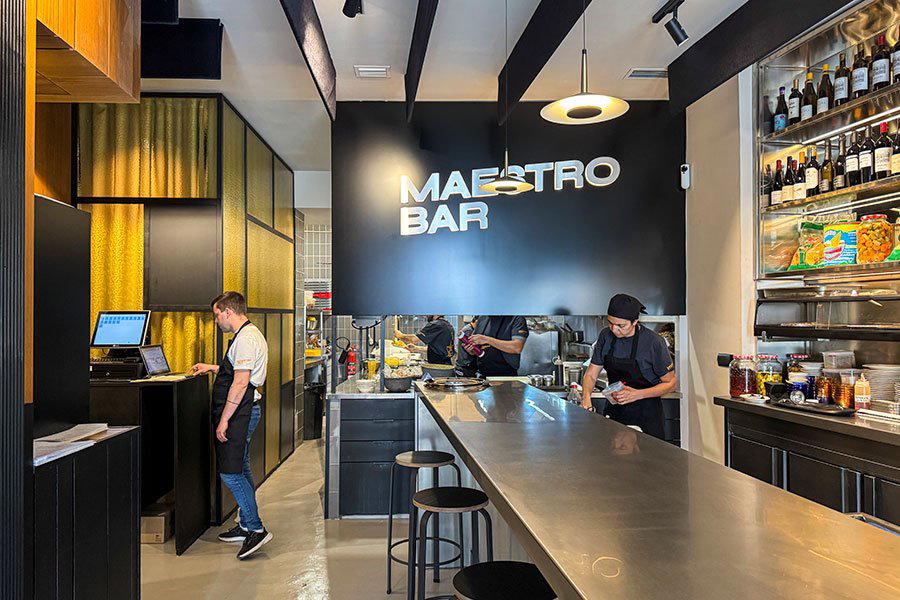
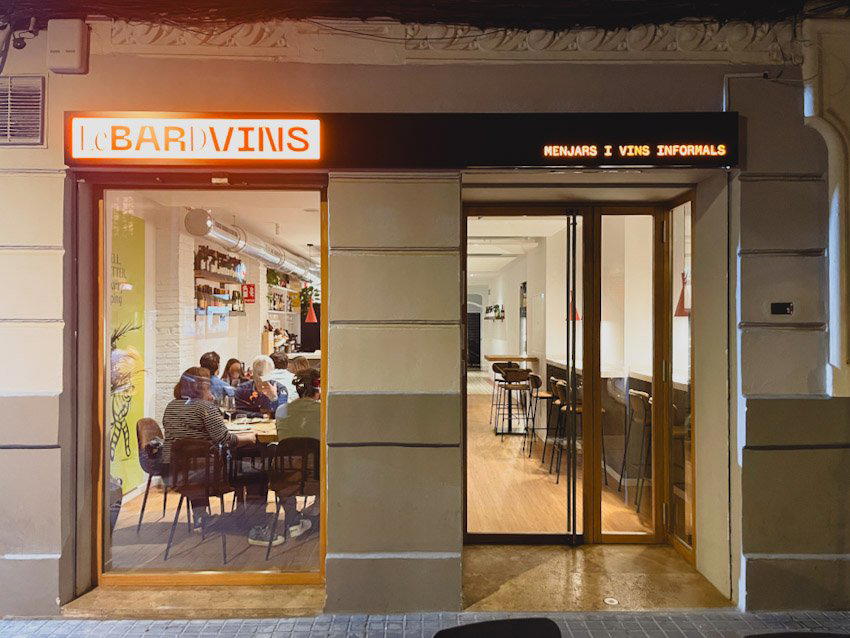
Vinorte's Extramurs location also places it in a neighbourhood where the food-and-drink bar format has enough density to generate comparison. Bar Ricardo, Bar Tonyina, Le Bar de Vins, and Maestro Bar all operate within the wider district, and together they form a comparable set where the quality of the ancillary food, the plate you order with the third glass, is as much part of the evaluation as the wine selection itself. In that competitive frame, the kitchen's ability to produce technically clean, wine-friendly small plates matters.
The Spanish Wine Bar in 2024
Spain's wine bar category has gone through a structural change in the last decade. The traditional taberna model, bulk wine, fixed tapa, no list, coexists now with a more self-conscious tier of operations that treat the wine list as a curatorial statement. The drivers of this shift were partly generational (younger operators trained abroad returning with different reference points) and partly market-led (international visitors arriving with expectations formed by natural wine bars in Paris, London, and Copenhagen). Vinorte's founding story places it precisely inside this shift: internationally trained founders returning to a Spanish city with a set of influences that the local market is increasingly ready to absorb.
For comparison across Spain's wine bar spectrum, Boadas in Barcelona represents the older institutional model, while newer operations like Bar Sal Gorda in Seville and Bar Gallardo in Granada reflect how the format is evolving in Andalusia. Beyond the peninsula, Garito Cafe in Palma De Mallorca and La Margarete in Ciutadella show how island markets have developed their own takes on the drinks-led neighbourhood bar. Globally, the format spans from Bar Leather Apron in Honolulu to operations across Southeast Asia, all of them working out the same basic tension between specialisation and accessibility.
València's version of the format is still forming its identity relative to Madrid and Barcelona. Extramurs is one of the districts where that formation is happening in real time, and Vinorte is part of that process rather than a finished product of it. That distinction matters if you are choosing between established prestige and something still finding its full expression.
Planning a Visit
Calle de Cervantes 10 is accessible on foot from the old city in under fifteen minutes, or directly from the Xàtiva metro station on lines 3 and 5. Extramurs has limited paid parking immediately around the bar, so evening visits are easier on foot or by metro. The most reliable approach for booking or confirming hours is to search the venue name directly on Google Maps, which typically holds current operating hours and any contact updates. Evening sessions midweek tend to offer more relaxed pacing than weekend visits, which at a neighbourhood-scale wine bar can mean fuller rooms and more compressed service. For more on drinking and eating in the city, see our full València restaurants guide.
At a Glance
- Cozy
- Elegant
- Sophisticated
- Intimate
- Date Night
- Casual Hangout
- Group Outing
- Standalone
- Terrace
- Seated Bar
- Lounge Seating
- Outdoor Terrace
- Conventional Wine
- Natural Wine
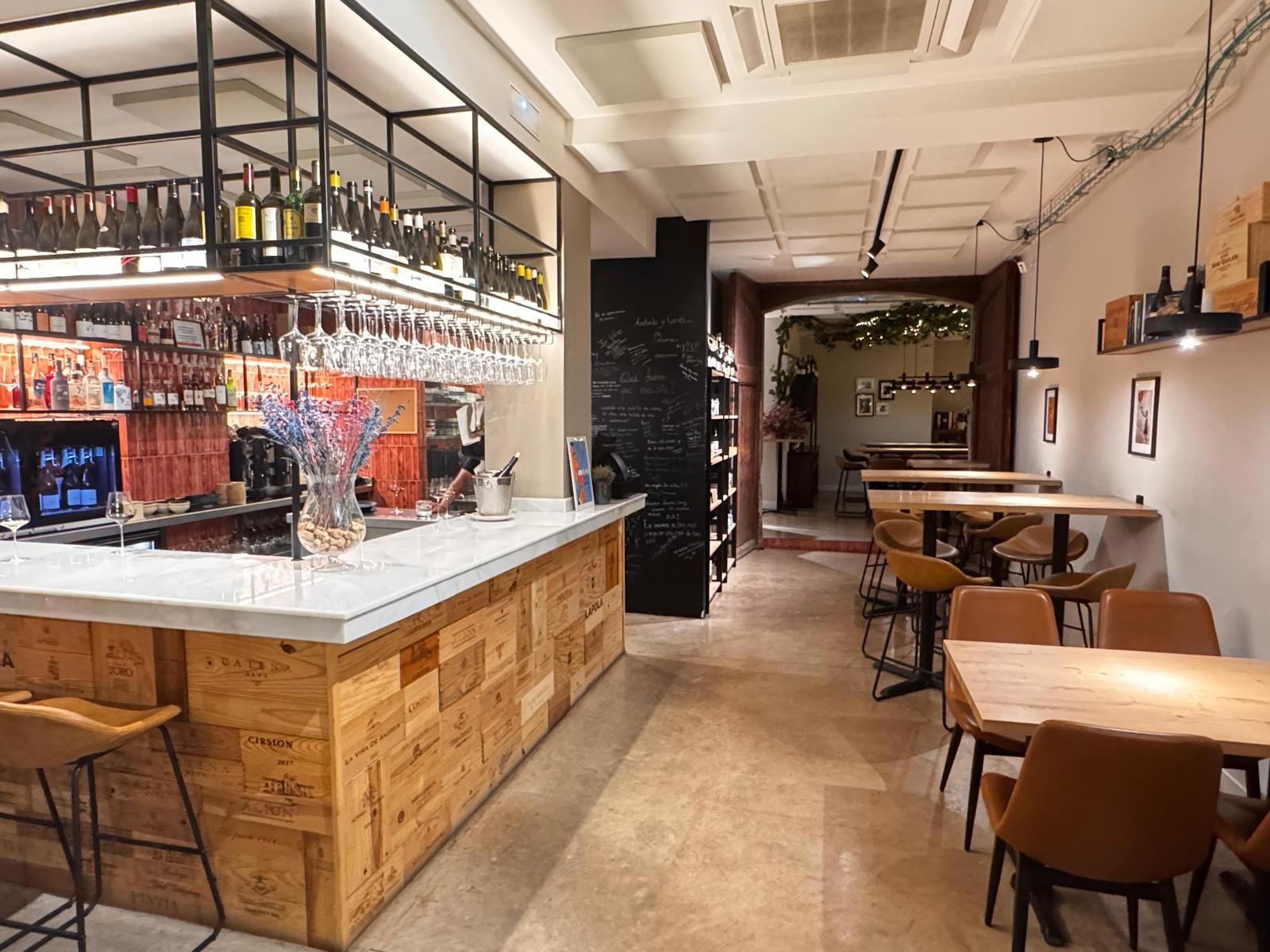
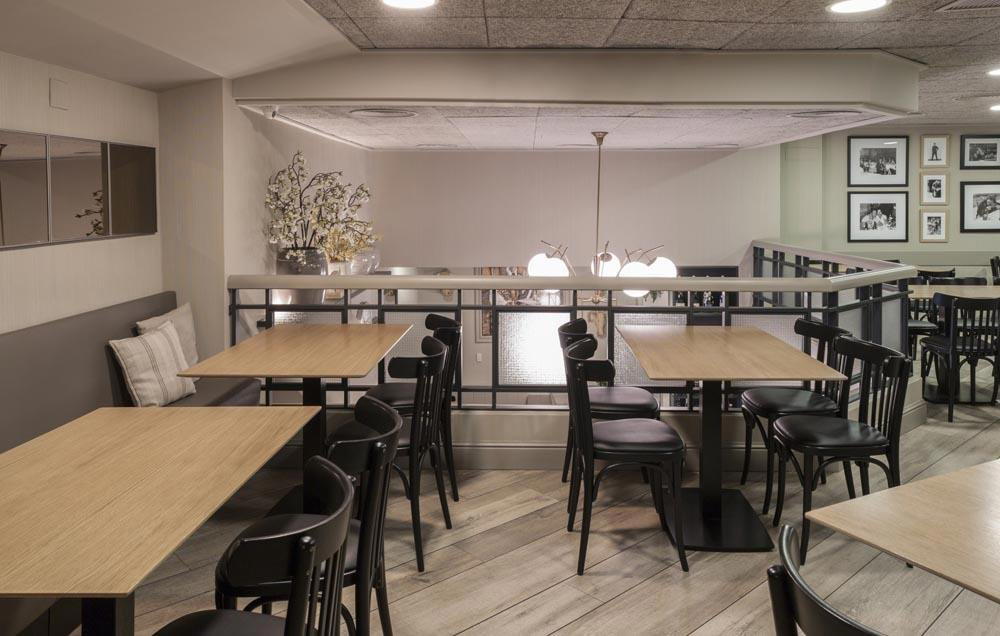
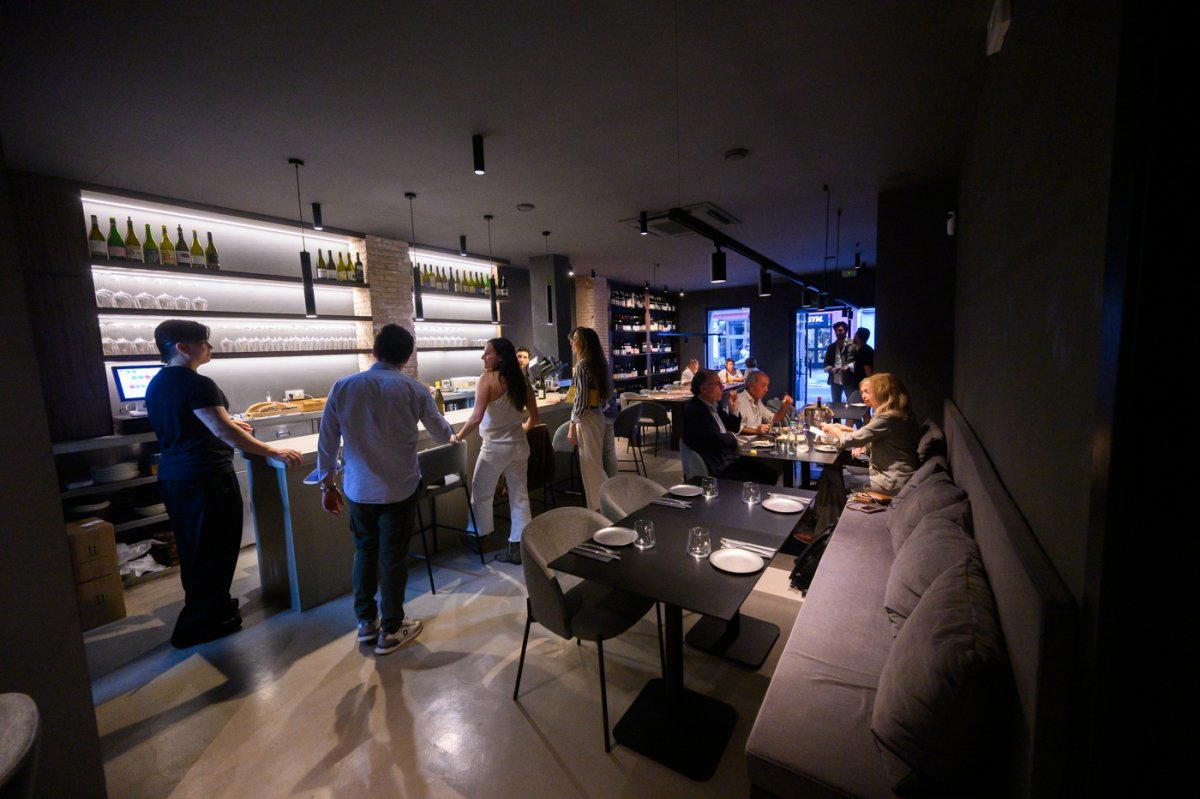
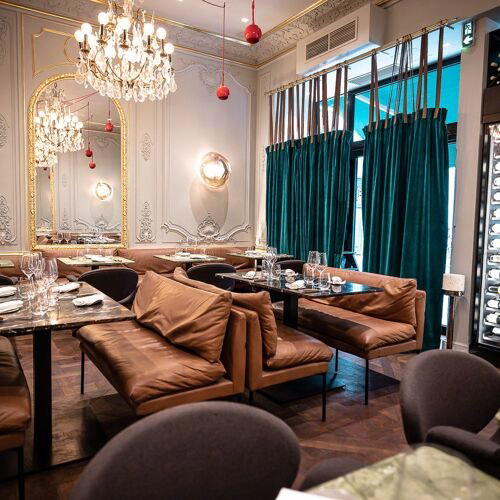
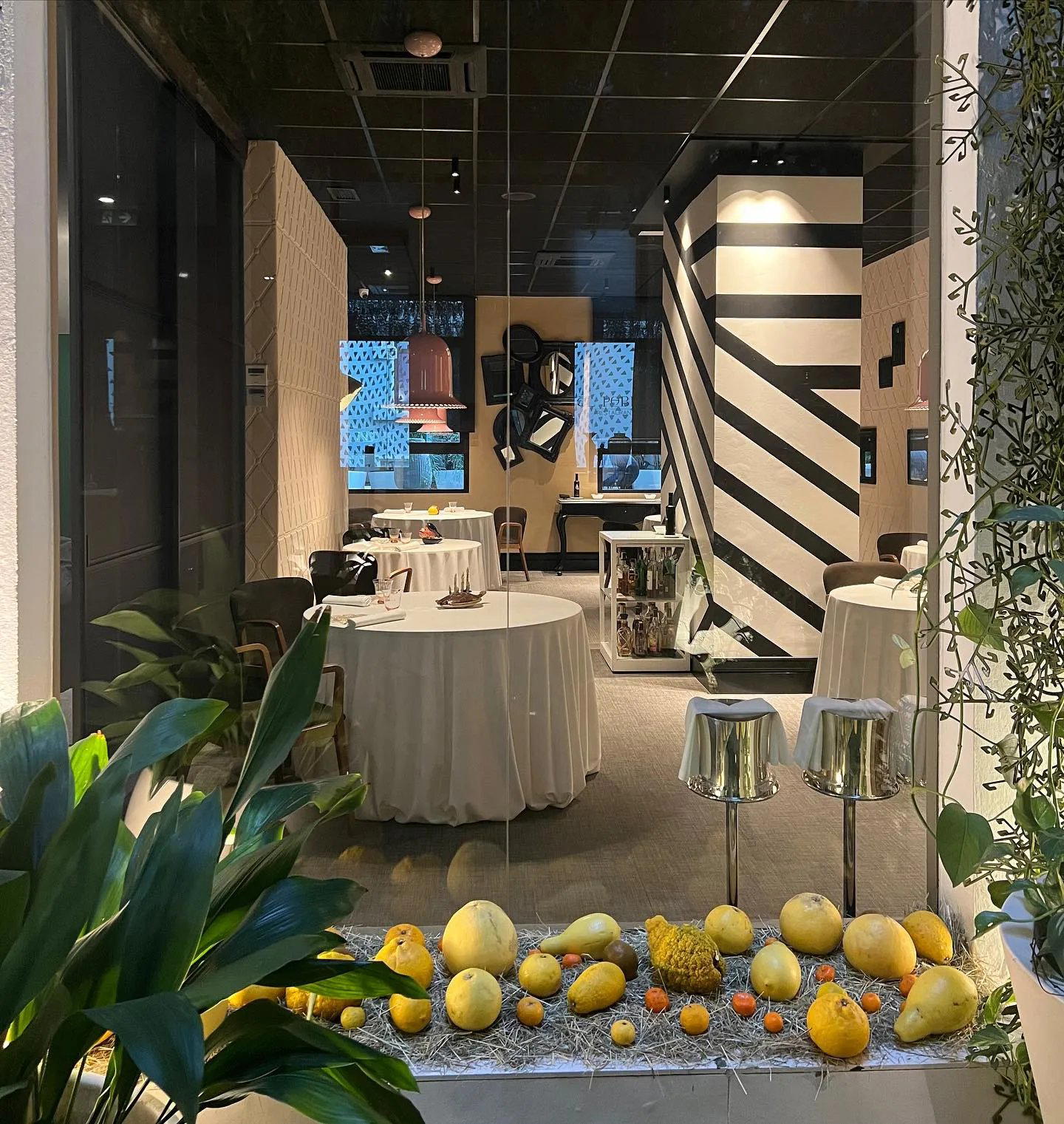
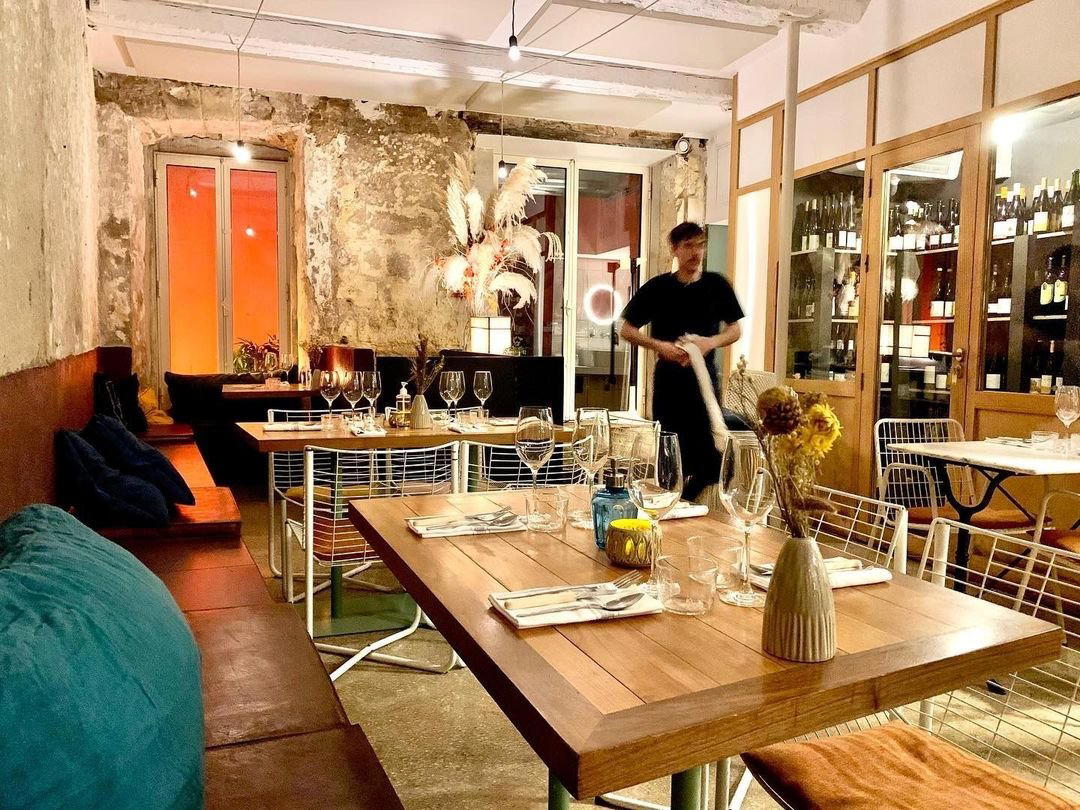
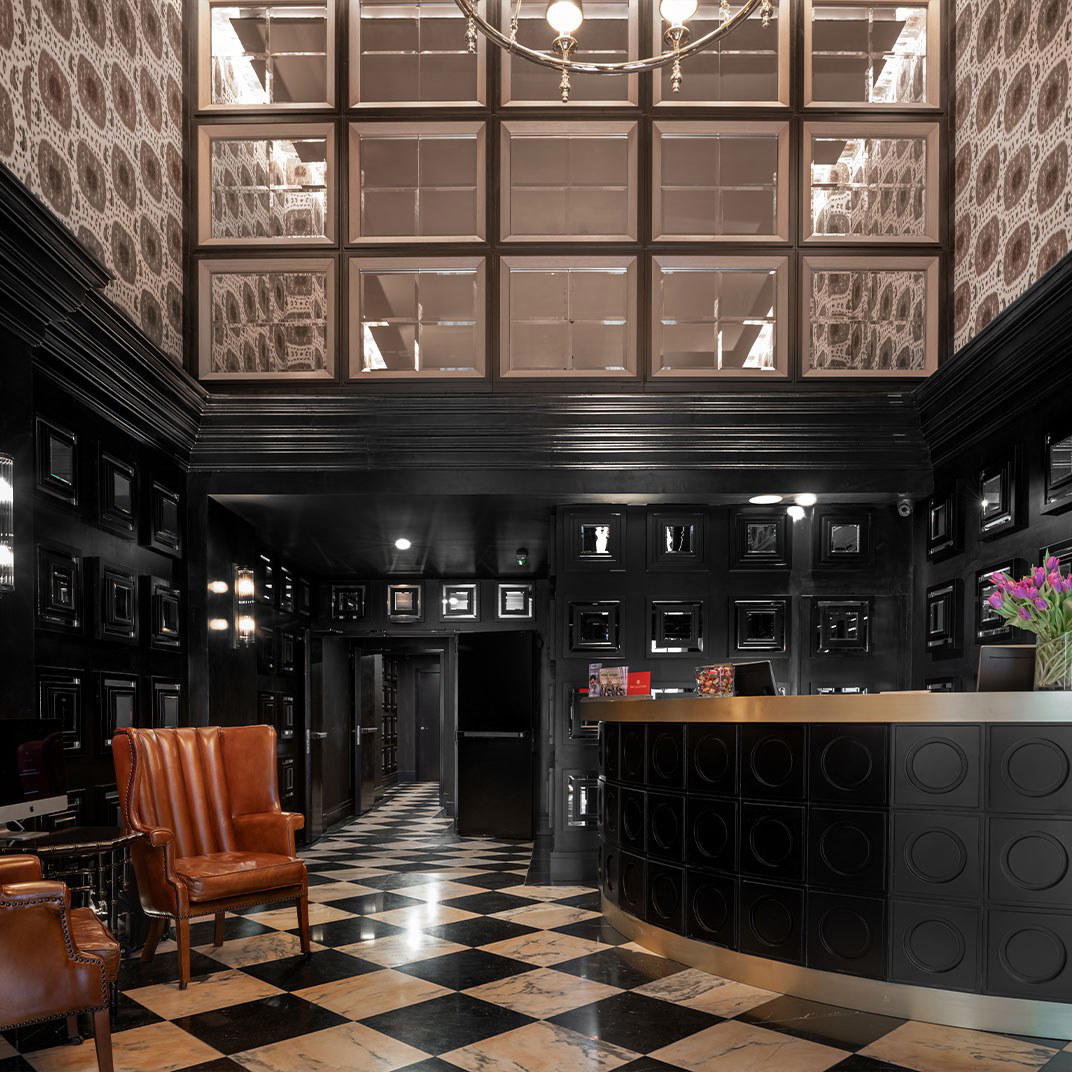
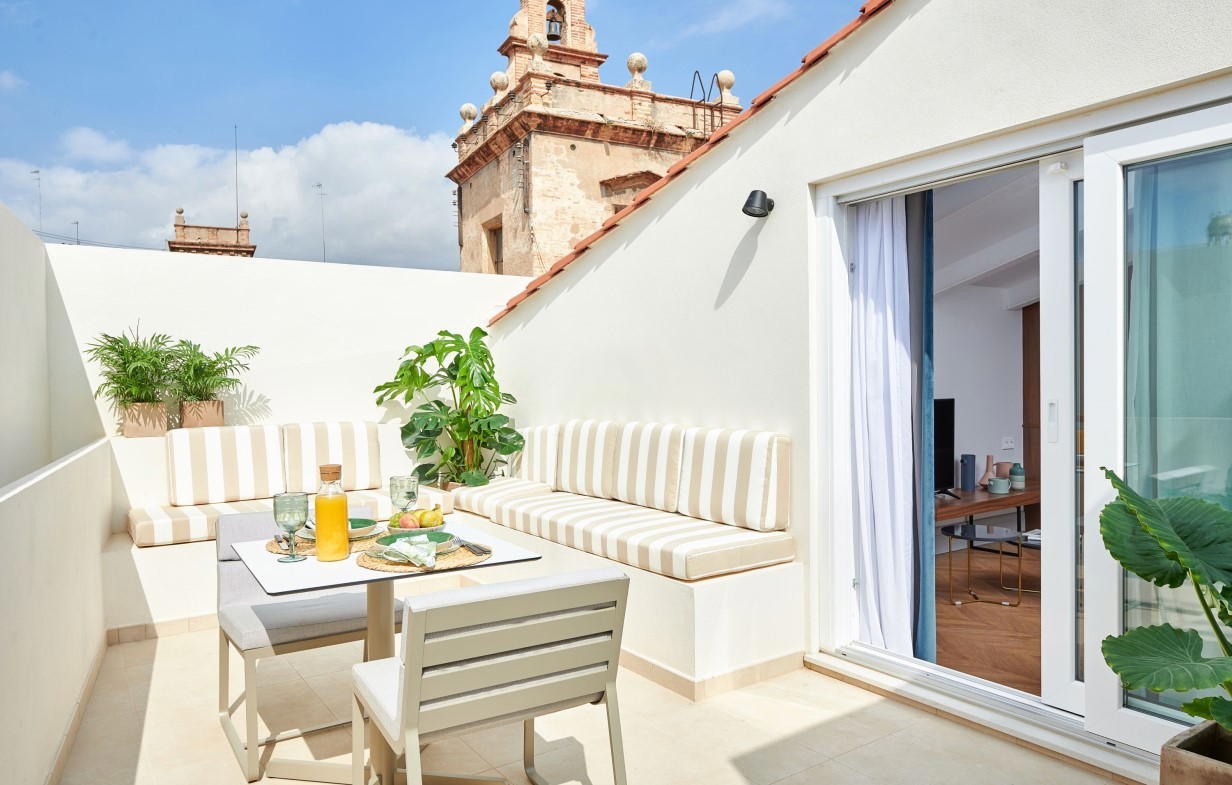
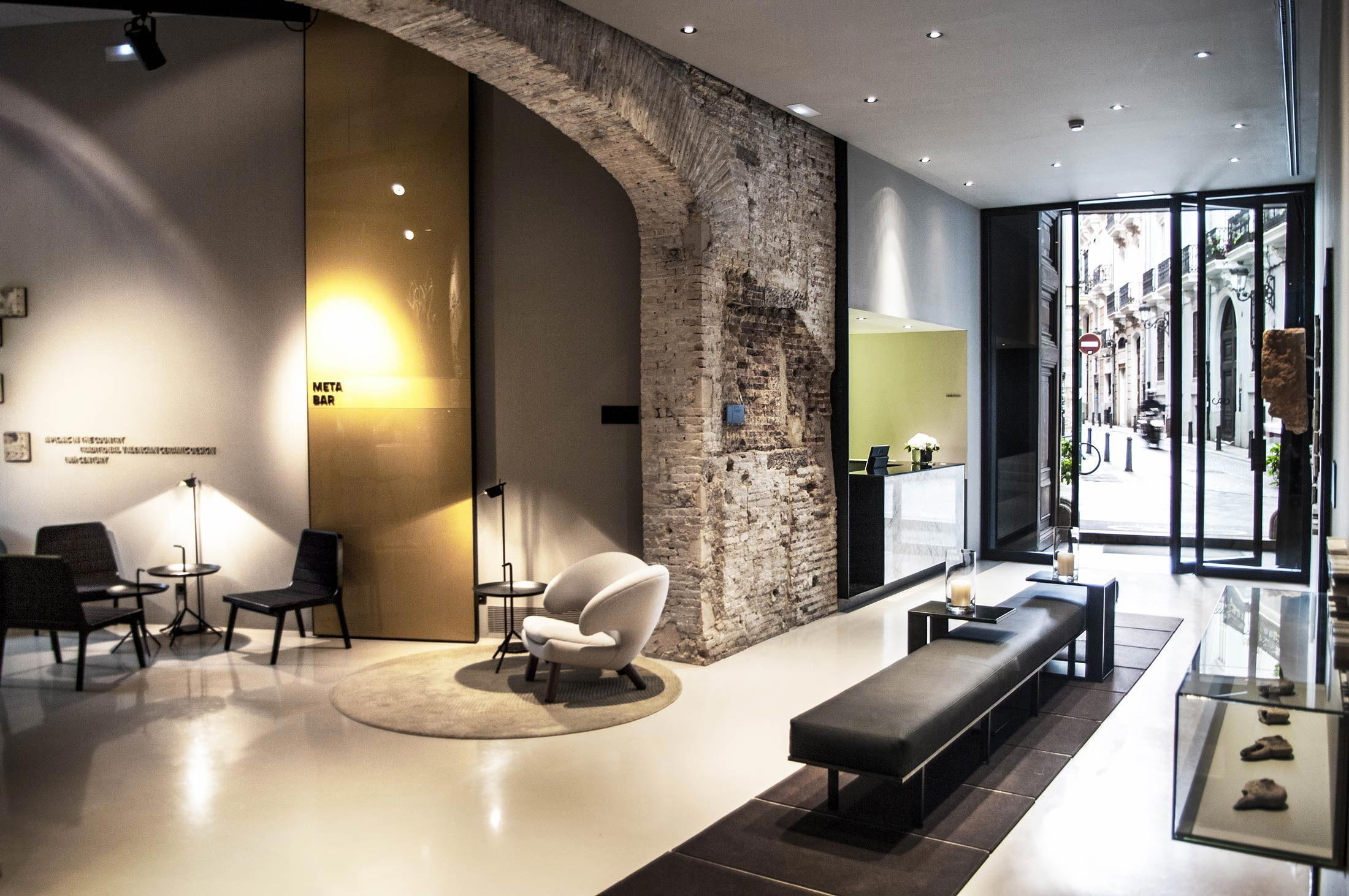
Warm and welcoming with minimal, orderly décor featuring original wooden doors and a bar built from wine crates; soft lighting creates a tranquil, sophisticated atmosphere ideal for conversation.