

Michelin Plate · Macarfi 7.6 Food Rating
Our verdict
Alborada occupies a central address on Calle Andrés Baquero and runs two distinct registers under one roof: a casual tapas bar at the front and a classically furnished dining room behind it. Chef Raúl Prior, who identifies his cooking as rooted in Murcian tradition, works an à la carte built around market sourcing, stews, and rice dishes. A Michelin Plate holder in 2024, it draws a broad local following across both formats.

Pearl is the En Primeur Club membership app — saves, bookings, and concierge access live there. Same editors, same standards.
- Address
- C. Andrés Baquero, 15, BJ, 30001 Murcia, Spain
- Phone
- +34 968 23 23 23
- Hours
- Mon ClosedTue–Wed 1:30–5:30 PMThu–Sat 1:30–5:30 PM, 8–11:30 PMSun 1:30–5:30 PM
- Website
- alboradarestaurante.com
- Directions
- Get directions
The menu
What to order
- Artichoke starter
- Croquetas de jamón
- Tuna dishes
- Paella
Two Rooms, One Tradition
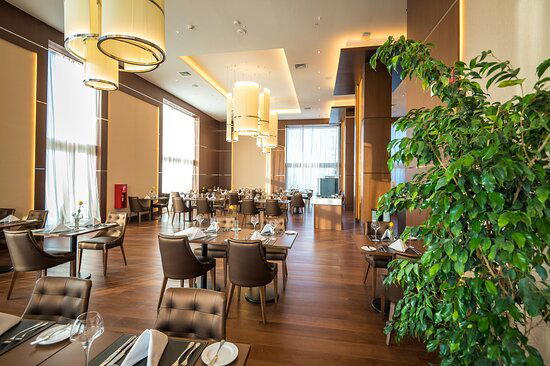
Murcia's dining culture has long operated on a dual track: the informal bar counter where a glass of wine and a few small plates constitute a full evening, and the proper dining room where rice dishes and slow stews demand more time and deliberate company. Alborada, on Calle Andrés Baquero in the city centre, runs both of those modes simultaneously and without apparent tension. The front bar is set up for tapas and drop-in drinking; the dining room behind it is classically furnished, unhurried in pace, and anchored by a central section that converts into a private dining space. The physical layout is not a compromise — it reflects a culinary tradition in which the same ingredients and the same regional logic run across every price point and every level of formality.
The Murcian Kitchen as Starting Point
Spanish regional cooking has spent the last two decades in a complicated relationship with its own identity. The modernist wave that produced DiverXO in Madrid, Arzak in San Sebastián, and El Celler de Can Roca in Girona encouraged a generation of cooks to move away from their regional foundations toward technique-led abstraction. The counter-movement — a return to product, season, and place, has been quieter but no less committed, and it shows up most clearly in cities like Murcia where the agricultural base is genuinely strong. The huerta, the fertile plain that surrounds the city, produces vegetables and fruit that have defined local cooking for centuries. Chef Raúl Prior describes himself as "pure Murcian stock," and that framing is less a biographical detail than a culinary position: the kitchen draws its authority from geography rather than from training lineage or technique innovation.
That orientation puts Alborada in a different conversation from Murcia's more contemporary addresses. Magoga operates at the €€€ tier with a contemporary format and a Michelin star; Frases and Almo de Juan Guillamón each hold a star at the €€ level with contemporary and modern approaches respectively. Alborada sits at the same €€ price tier but faces a different direction, toward the market and the stew pot rather than toward plating precision or seasonal tasting menus. Demo occupies a farm-to-table register that shares some of the same sourcing logic, but the format and tone differ considerably. For traditional cuisine in this city, the Michelin Plate that Alborada received in 2024 signals recognition of quality cooking that operates outside the starred tier without conceding on seriousness.
What the Menu Reflects
The à la carte at Alborada is built around the cooking that defines southeastern Spain at its most considered: stews and rice dishes that require time, technique, and good raw material. Both categories are offered for a minimum of two guests, and the rice dishes require pre-ordering, a practical detail that also signals something about how the kitchen works. These are not dishes assembled to order from pre-cooked components; they are dishes that require commitment from both the kitchen and the table. That pre-ordering requirement is one of the more honest signals a restaurant can send about the nature of its cooking.
Traditional cuisine at this level sits in a peer group that extends well beyond Murcia. Aponiente in El Puerto de Santa María and Azurmendi in Larrabetzu represent what happens when regional identity gets pushed toward its most technically ambitious expression. Alborada is not in that conversation, nor does it appear to want to be. The comparison that sits closer is with restaurants like Auga in Gijón or Auberge Grand'Maison in Mûr-de-Bretagne, traditional cuisine houses that hold Michelin recognition while working in a register of honest market cooking rather than gastronomic spectacle. Cocina Hermanos Torres in Barcelona offers a useful contrast from the other direction: two stars, technical ambition, but the same underlying claim of Catalan identity as foundation. The difference in register between these examples illustrates where traditional-coded restaurants like Alborada sit in the broader Spanish dining order.
The lunchtime "executive" menu adds a weekday access point at a format common across Spanish regional restaurants: a condensed, fixed-price service aimed at the working-lunch crowd that allows the kitchen to demonstrate range without requiring the full à la carte commitment. It is a format that keeps the room turning during the week and serves a different audience than the evening dining room.
The Physical Context
The address on Calle Andrés Baquero places Alborada within the historic centre of Murcia, within walking distance of the cathedral and the city's main commercial streets. A well-known address across the city, according to the Michelin citation, is an indicator of local embeddedness rather than tourist-circuit positioning. Restaurants that hold that kind of standing in a Spanish provincial city tend to do so because they serve the people who live there regularly, not because they attract a disproportionate share of visitors. The privately convertible central section of the dining room points toward a function-events business that reinforces the local institutional character of the place.
For visitors structuring a broader Murcia dining itinerary, Alborada fits into the traditional anchor slot, the meal that gives the most direct read on regional cooking before moving toward contemporary addresses. Murcia's full dining, drinking, and hospitality scene extends across multiple categories: see our full Murcia restaurants guide, our full Murcia hotels guide, our full Murcia bars guide, our full Murcia wineries guide, and our full Murcia experiences guide for broader context. For a Japanese counter at a completely different register, Kappou Makoto represents the kind of specialist outlier that a city with genuine dining ambition tends to sustain.
Planning a Visit
Alborada is located at C. Andrés Baquero, 15, BJ, in the 30001 postcode, placing it in the central district and accessible on foot from most city-centre accommodation. The €€ price tier sits at a moderate level relative to Murcia's overall restaurant range, making it accessible without being casual. Anyone intending to order rice dishes should confirm pre-ordering requirements at the time of booking, as the kitchen's approach to these dishes is not compatible with same-day decisions. The lunchtime executive menu offers a lower-commitment entry point for those with limited time.
Frequently asked questions
What should I budget for a meal at Alborada?
Pricing at Alborada is listed as €€.
What's the address for Alborada?
Alborada is located at C. Andrés Baquero, 15, BJ, 30001 Murcia, Spain, Murcia.
A quick peer list to put this venue’s basics in context.
| Venue | Cuisine | Price | Awards | Notes |
|---|---|---|---|---|
| AlboradaThis venue — the venue you are viewing | Traditional Spanish Mediterranean | $50–100 | Michelin Plate · Macarfi 7.6 Food Rating | Not listed |
| Almo de Juan Guillamón | Modern Mediterranean | $50–100 | 1 Michelin Star · Guía Repsol 2 Soles | Modern Cuisine |
| Frases | Modern Murcian Fine Dining | Not listed | 1 Michelin Star · Guía Repsol 1 Sol | Contemporary |
| Magoga | Contemporary Mediterranean with Murcian Roots | $100–150 | 1 Michelin Star · Macarfi 8.7 Food Rating | Contemporary |
| Demo | Contemporary Spanish Mediterranean | $50–100 | Michelin Plate · Macarfi 7.7 Food Rating | Not listed |
| Tándem | Modern Spanish Tapas | $30–50 | Michelin Bib Gourmand · Macarfi 8.2 Food Rating | Not listed |
Recognition history
Dated appearances from independent guides and award organizations, with the underlying list record or original source where available.
Michelin Plate
Michelin
Macarfi 7.6 Food Rating
Macarfi
Full recognition history (4 entries)
Michelin Plate
Michelin
Michelin Plate
Michelin
Continue exploring
More in Murcia
Restaurants in Murcia
Browse all →
Bars in Murcia
Browse all →
Hotels in Murcia
Browse all →

Details
- Cozy
- Elegant
- Classic
- Intimate
- Date Night
- Special Occasion
- Business Dinner
- Private Dining
- Extensive Wine List
- Local Sourcing
- A La Carte
- Small Plates
- Wine
- Vegetarian Friendly
- Vegan Options
- Gluten Free Options
Current opening hours
- Monday
- Closed
- Tuesday
- 1:30–5:30 PM
- Wednesday
- 1:30–5:30 PM
- Thursday
- 1:30–5:30 PM, 8–11:30 PM
- Friday
- 1:30–5:30 PM, 8–11:30 PM
- Saturday
- 1:30–5:30 PM, 8–11:30 PM
- Sunday
- 1:30–5:30 PM
Hours can change for holidays and private events. Last verified .
Exquisitely cozy atmosphere with stylish, minimalist decor and classically furnished dining room.