
The kitchen draws on Mediterranean fish, Mar Menor seafood, and Calasparra rice to produce tasting menus, Hábitat and Ánima, that read as a serious reckoning with the region's larder. Open Tuesday through Saturday from 10:30 AM.
Pearl is the En Primeur Club membership app — saves, bookings, and concierge access live there. Same editors, same standards.
- Address
- Plaza Dr. Vicente García Marcos, 5, 30201 Cartagena, Murcia, Spain
- Phone
- +34 629 98 02 57
- Website
- restaurantemagoga.com
- Directions
- Get directions
 Saves & bookings on Pearl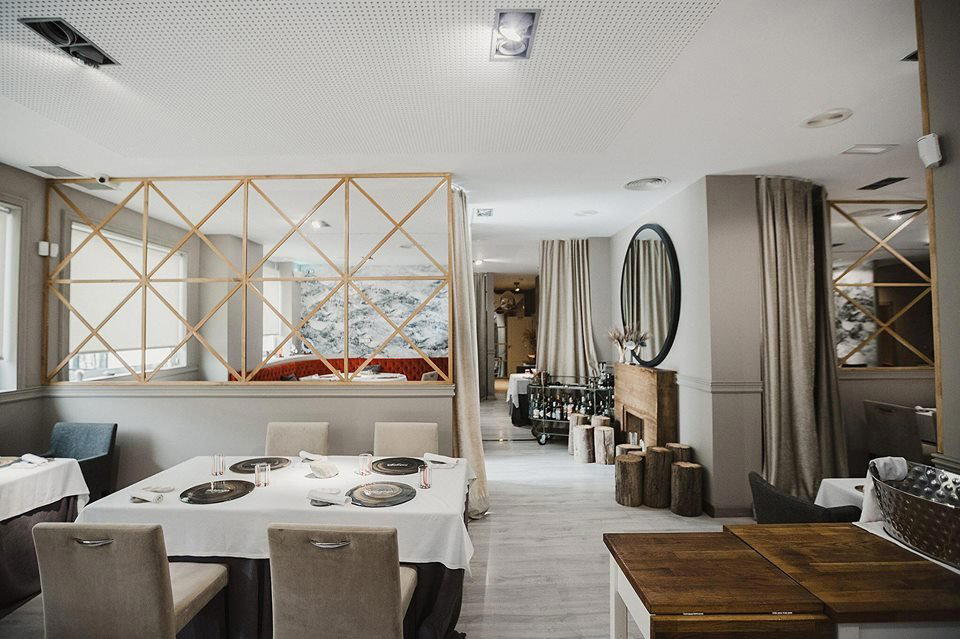
Cartagena's Michelin Tier and What It Tells You
Spain's Michelin map has long concentrated its stars in the Basque Country, Catalonia, and Madrid, with coastal outposts like Aponiente in El Puerto de Santa María or Quique Dacosta in Dénia marking the Mediterranean's credentials as serious fine-dining territory. Cartagena, a Roman port city with a layered history and access to two bodies of water, the Mediterranean and the Mar Menor lagoon, has historically sat outside that starred conversation. Magoga's one-star recognition in 2024 changes the geography slightly. It signals that inspectors found something worth noting: a kitchen operating at a level of consistency and ambition that its city had not previously put on the national map.
For context inside the Murcia region, the contemporary dining tier is still forming. Restaurants like Frases and Por Herencia represent the contemporary €€ bracket, while Alborada holds the traditional register. Almo de Juan Guillamón and Polea add further depth to the region's modern cooking offer. Magoga, priced at €€€, sits a tier above this peer group and prices accordingly, competing less against local contemporaries and more against the small cohort of starred regional restaurants across Levante Spain.
The Setting: Plaza Dr. Vicente García Marcos
Approaching Magoga means arriving at Plaza Dr. Vicente García Marcos, 5, in Cartagena's city centre, a short distance from the Roman theatre and the layered archaeological fabric that defines the old port's urban character. The address places the restaurant within walking reach of the city's most concentrated historic density, which is to say it does not feel peripheral or destination-only: it sits where the city actually lives. That urban groundedness matters because Magoga's kitchen philosophy, described as an embrace between the sea and the land, draws directly on the geography surrounding it, and the setting makes that claim legible rather than abstract.
What the Tasting Menus Are Doing
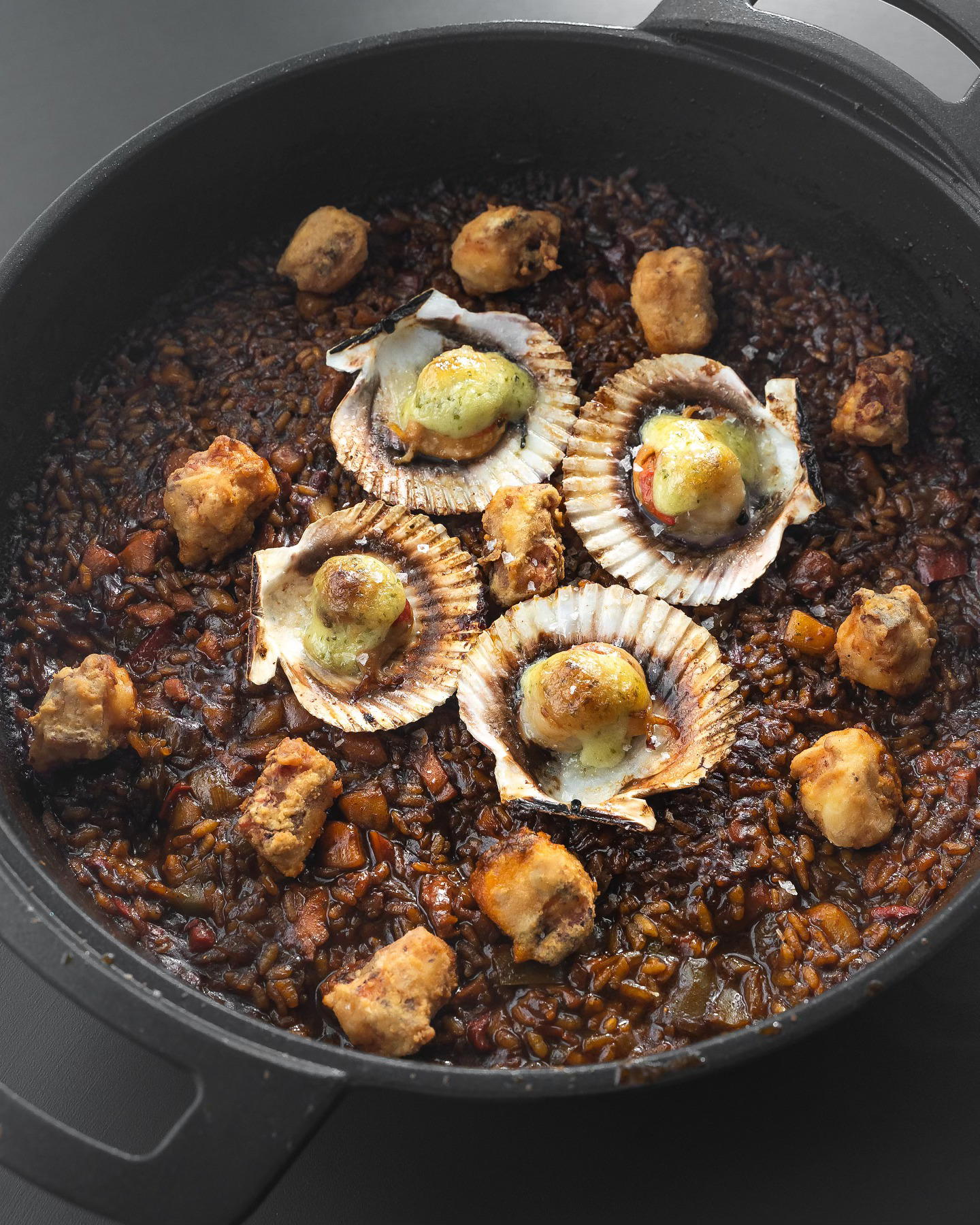
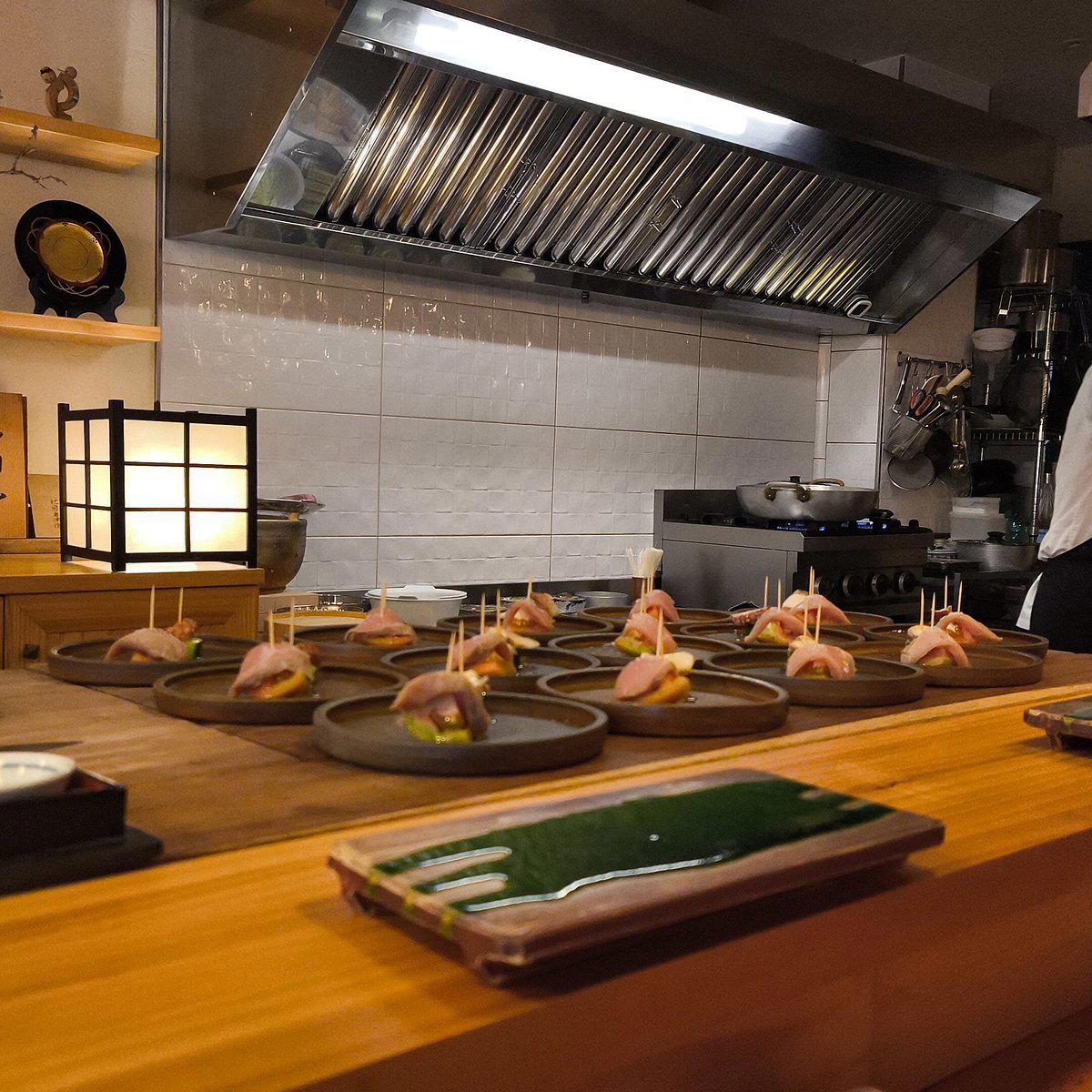
The kitchen runs two tasting menus, Hábitat and Ánima, each available with a wine-pairing option. That dual-menu structure is common across starred Spanish restaurants at this price tier, where the shorter menu acts as an entry point and the longer format allows the kitchen to run at full expression. Both menus work from the same larder logic: Mediterranean fish and seafood sourced through the Mar Menor lagoon, fruit and vegetables from the Cartagena hinterland, and Calasparra rice, a protected-designation product from the Murcia interior known for its absorption capacity and firm grain structure.
The kitchen also keeps an à la carte format alongside the tasting menus. In the starred tier, this is increasingly rare; most one-star kitchens have moved to tasting-only formats to control quality and reduce waste. The fact that Magoga maintains both suggests either a deliberate accessibility decision or a response to local dining culture, where à la carte dining carries more social weight than in the northern Spanish markets. Either way, it broadens the entry options for first visits.
One dish flagged in Michelin's own assessment is the combination of artichoke, smoked eel and foie gras. As a flavour construction, it pairs the bitter edge of artichoke against the fat registers of both eel and foie, with smoke as the bridging element. This kind of dish sits in a recognisable tradition of Levantine Spanish cooking that treats luxury proteins, foie, eel, as tools for amplifying local vegetables rather than displacing them. The result is a dish that reads as regional without being nostalgic.
Team Structure and What the Michelin Citation Implies
Michelin's published commentary on Magoga specifically notes chef María Gómez and sommelier and front-of-house manager Adrián de Marcos as a working duo, then immediately pivots to what it calls a sensation of balance and harmony rather than dwelling on individual biography. That framing is deliberate on the guide's part: it is describing a restaurant that functions as an integrated operation rather than a chef showcase. In the starred Spanish landscape, this is a meaningful distinction. The kitchens at Arzak in San Sebastián or El Celler de Can Roca in Girona carry enormous authorial identity; Magoga, by contrast, is being positioned as a house style, a place rather than a name. That positioning is more durable commercially and tends to produce greater consistency across service teams.
The Michelin citation also flags the team as young and describes them as having clear ideas. In critical vocabulary, this functions as a forward-looking signal: the guide is acknowledging a restaurant in development, not a finished product. For diners, this matters because restaurants at this stage often carry more energy per cover than establishments a decade past their first star.
Cartagena as a Dining Destination
Within Spain's fine-dining geography, Cartagena sits at an interesting juncture. It has the historical profile and tourist infrastructure to attract visitors, but it lacks the critical mass of starred restaurants that makes cities like San Sebastián or Girona automatic gastronomic destinations. Magoga's star positions Cartagena as a genuine one-destination dining trip rather than a second stop on a longer itinerary. For diners already drawn to comparably positioned restaurants, whether the technically ambitious work happening at DiverXO in Madrid or the restrained precision of Azurmendi in Larrabetzu, Cartagena now has a reason to be on the route.
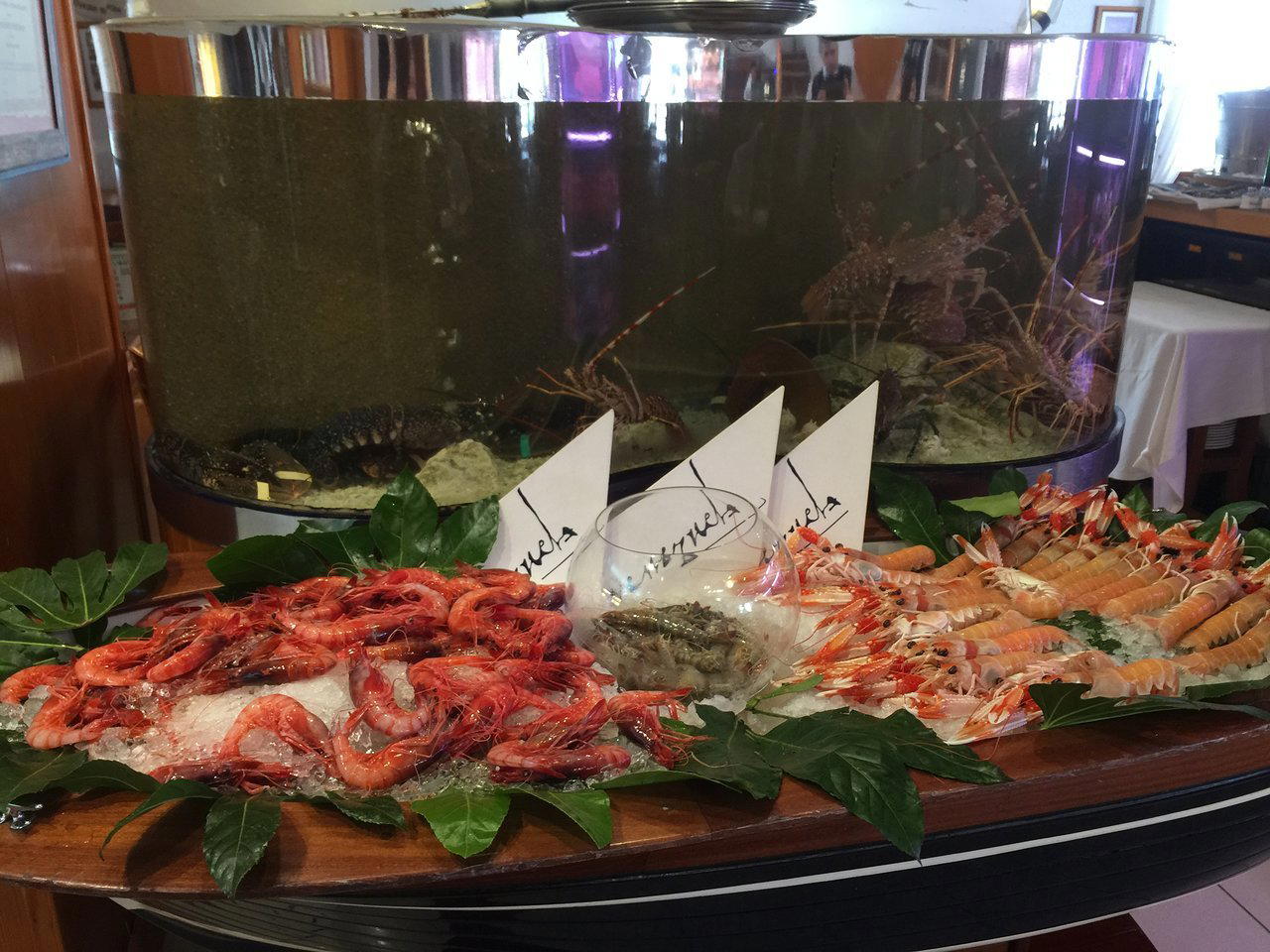
The Mediterranean-Murcia larder that Magoga draws from is genuinely distinct. Calasparra rice is a DOP product with controlled production volumes; Mar Menor lagoon seafood has a flavour profile shaped by the lagoon's salinity levels, which differ measurably from open Mediterranean water; and Cartagena's market garden tradition produces vegetables with the same terroir logic applied to wine in neighbouring Jumilla and Yecla. This is not generically Spanish produce: it is specifically Cartagena produce, and in a starred kitchen committed to showcasing it, that specificity has editorial weight.
How Magoga Compares Internationally
Placed in a wider frame, Magoga operates in the same conceptual register as contemporary restaurants in other markets that use a defined regional larder as both constraint and creative engine: the farm-driven precision of César in New York City or the ingredient-led rigour at Jungsik in Seoul, where local sourcing informs technique rather than decorating it. The common thread is a kitchen that uses geography as argument. Magoga's argument is Cartagena: its lagoon, its market gardens, its rice fields, its Levantine pantry.
Planning Your Visit
Magoga operates Tuesday through Saturday, opening at 10:30 AM and closing at midnight, with Monday and Sunday closed. The €€€ price positioning means this is a considered-spend visit, appropriate for diners budgeting at the same level as other one-star regional Spanish restaurants. Wine pairing is available on both tasting menus, and given the sommelier's role in the front-of-house operation, the pairing is likely to be a structural part of the experience rather than an add-on. Reservations are essential. Arriving at the Plaza Dr. Vicente García Marcos address keeps you central to Cartagena's old city, which means the meal can sit inside a broader day in the port, rather than requiring a dedicated car trip.
Booking and Cost Snapshot
Comparable venues nearby, for context on price, style, and recognition.
| Venue | Cuisine | Price | Awards | Notes |
|---|---|---|---|---|
| MagogaThis venue — the venue you are viewing | Contemporary | $$$$ | Michelin 1 Star | Not listed |
| Frases | Murcia, Modern Murcian Fine Dining | $$$ | Michelin 1 Star | Not listed |
| Tándem | Centro, Modern Spanish Tapas | $$$$ | Bib Gourmand | Not listed |
| Por Herencia | Plaza Sancho, Modern Murcian Spanish | $$$ | Michelin Plate | Not listed |
| Alborada | Not listed | $$$ | Michelin Plate | Murcia City Centre, Traditional Spanish Mediterranean |
| Almo de Juan Guillamón | Not listed | $$$ | Michelin 1 Star | Historic Centre (near Cathedral), Modern Mediterranean |
Recognition history
Dated appearances from independent guides and award organizations, with the underlying list record or original source where available.
Michelin 1 Star
Michelin
Michelin 1 Star
Michelin
Michelin 1 Star
Michelin
At a Glance
- Elegant
- Sophisticated
- Intimate
- Modern
- Date Night
- Special Occasion
- Celebration
- Business Dinner
- Open Kitchen
- Private Dining
- Wine Cellar
- Extensive Wine List
- Sommelier Led
- Local Sourcing
- Farm To Table
- Sustainable Seafood
Current opening hours
- Monday
- Closed
- Tuesday
- 1–5:30 PM
- Wednesday
- 1–11:30 PM
- Thursday
- 1–11:30 PM
- Friday
- 1–11:30 PM
- Saturday
- 1–11:30 PM
- Sunday
- 1–5 PM
Hours can change for holidays and private events. Last verified .
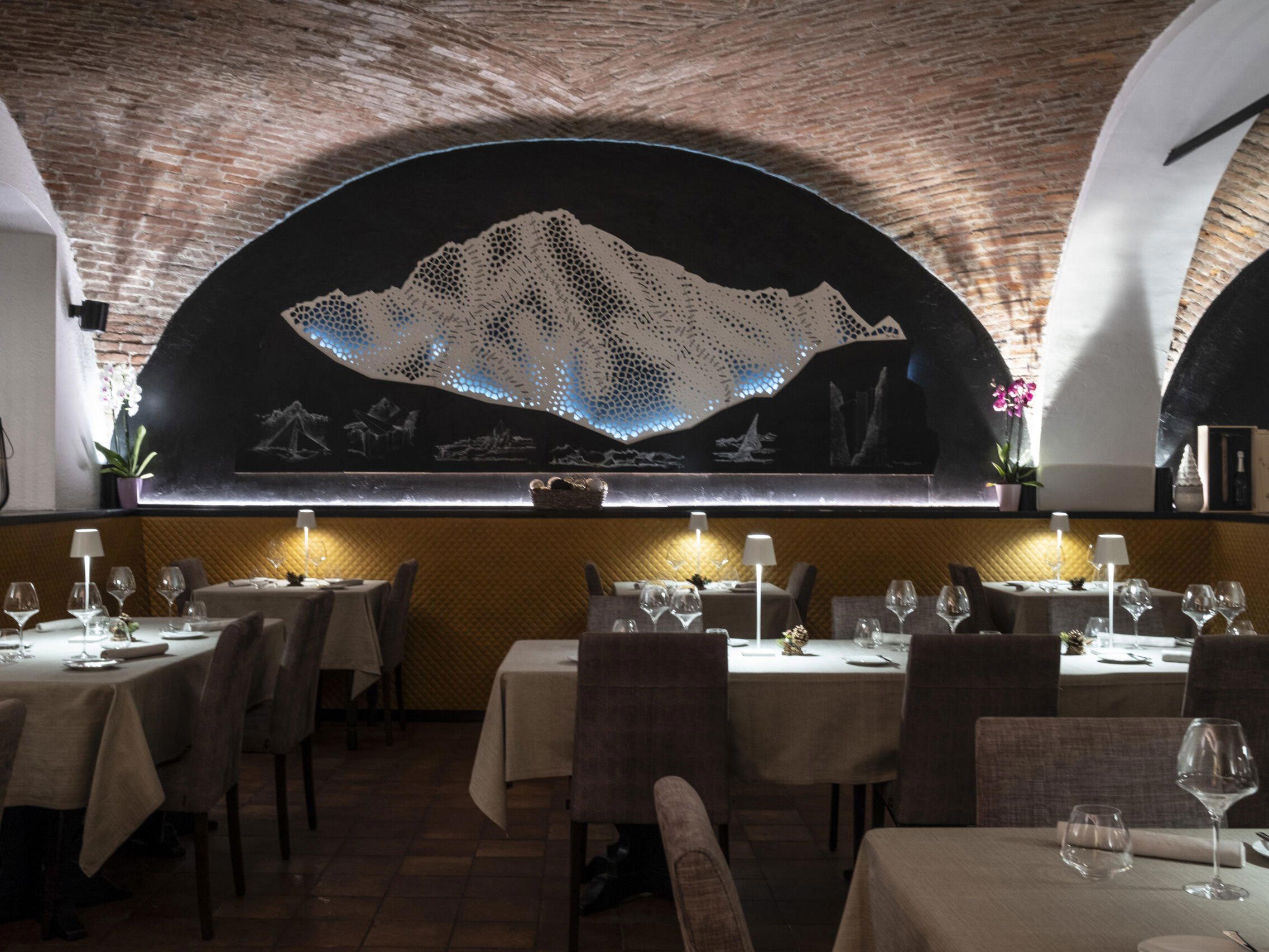
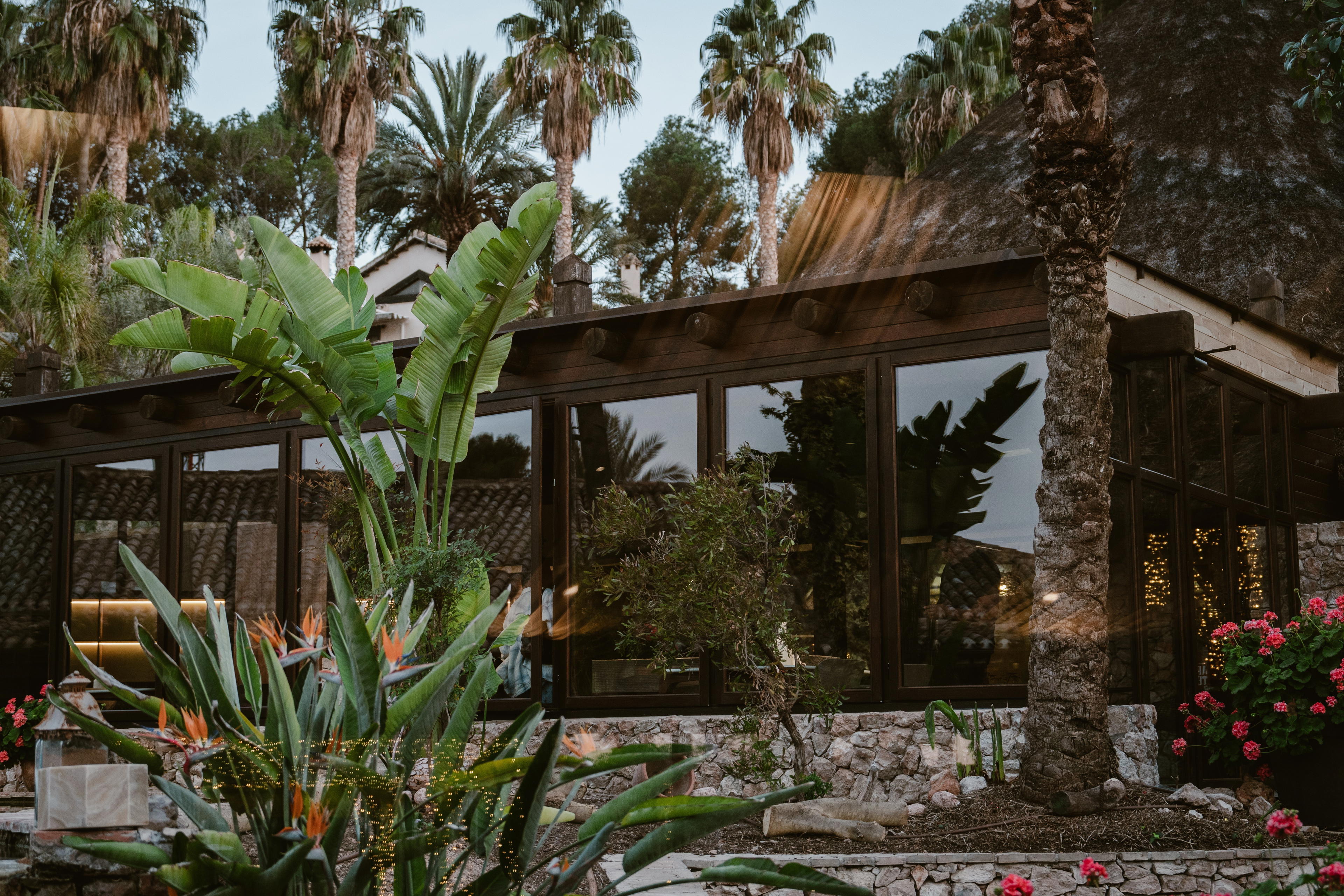
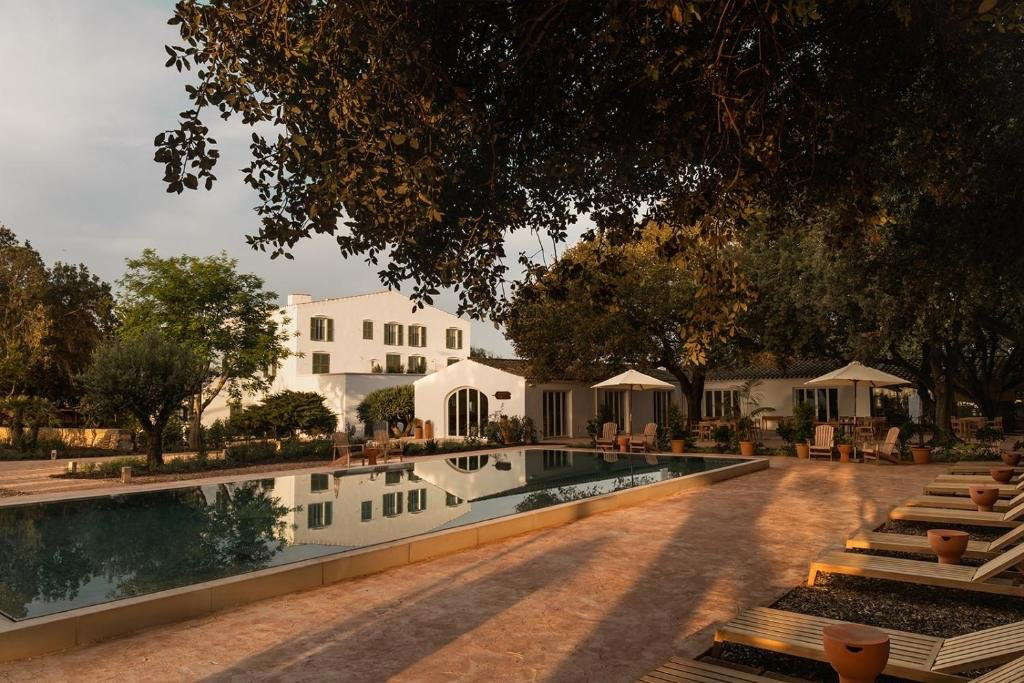
Minimalist yet elegant decoration with large, well-separated tables creating an intimate, refined atmosphere without ostentation; sophisticated lighting and carefully curated details throughout.