

A former Dominican convent on Calle Rafael Altamira, Hospes Amérigo layers marble, glass, and iron against centuries of Alicante history. The conversion places it among Spain's more architecturally considered hotel projects, where the building's past informs the guest experience rather than competing with it. For travellers drawn to the city's old quarter, the address requires little justification.
Pearl is the En Primeur Club membership app — saves, bookings, and concierge access live there. Same editors, same standards.
- Address
- Alicante Rafael Altamira, 7, Alicante 3002, Spain
- Phone
- +34 965 14 65 70
- Website
- marriott.com
- Directions
- Get directions
 Saves & bookings on Pearl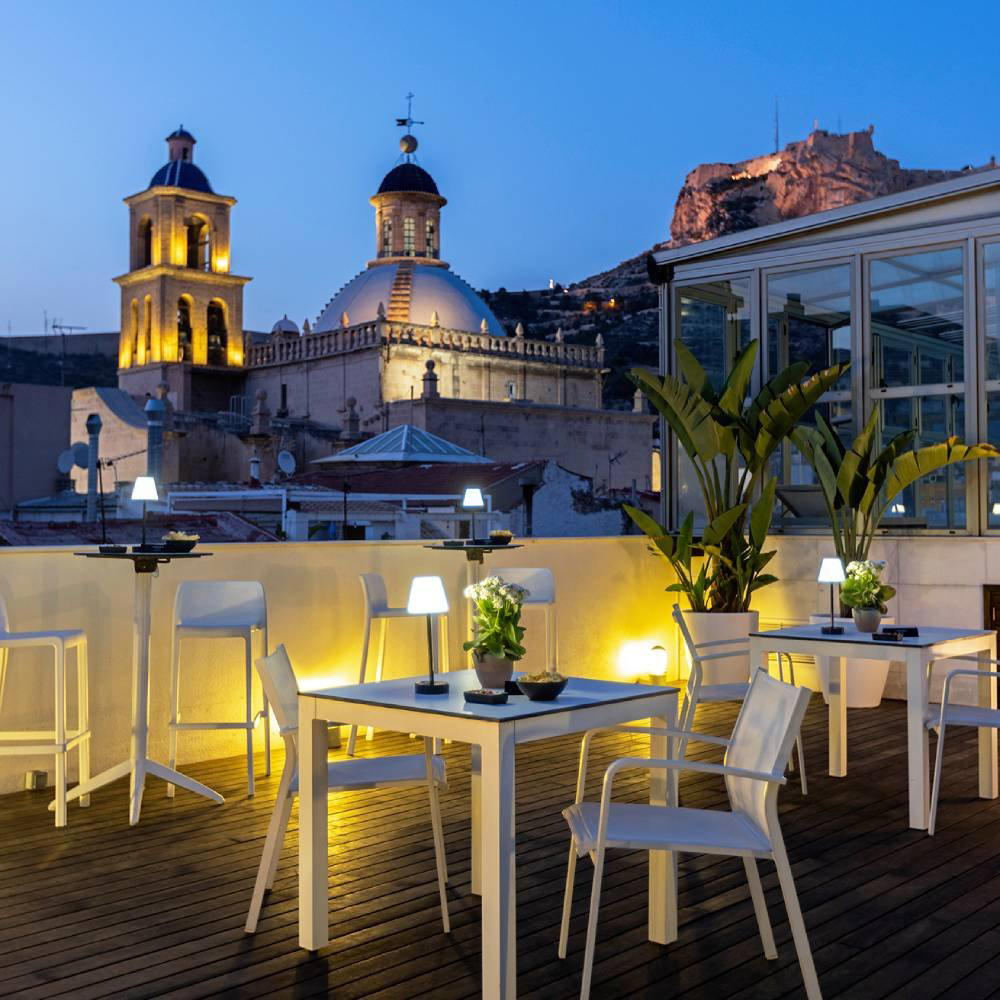
Stone, Light, and Centuries: The Architecture of Hospes Amérigo
Adaptive reuse has become one of the more consequential trends in European hospitality design, and the Iberian Peninsula has produced some of its most compelling examples. When a religious or civic building survives intact into the 21st century, the question for any conversion is how much history to surface and how much to absorb into a contemporary envelope. At Hospes Amérigo on Calle Rafael Altamira in Alicante's historic centre, the answer leans toward surface. The 5-star hotel has 81 rooms and sits in Alicante, Spain. Marble, glass, and iron read as the primary materials, and the sequence of spaces inside reflects a building that has lived through multiple civic identities, first as a Dominican convent, later as a home for Alicante's local bourgeoisie, before arriving at its present form as a hotel.
That layered biography is precisely what makes the building interesting to read. Convent architecture in Spain tends toward austere massing broken by interior courtyards designed to control light and air, and the Dominican tradition in particular favoured a measured restraint in ornament. When bourgeois residents subsequently occupied the structure, they brought the decorative vocabulary of 19th-century prosperity into those existing bones. The tension between those two registers, severity and embellishment, gives the interior its particular character. Neither has been erased in favour of the other.
Among Spain's converted-building hotels, this kind of layered complexity places Hospes Amérigo in a specific niche. Properties like Atrio Restaurante Hotel in Cáceres pair historic urban fabric with contemporary insertions in ways that foreground the dialogue between old and new. Abadía Retuerta LeDomaine, a monastery conversion in a wine-producing region, approaches sacred architecture with a different ambition. What distinguishes Hospes Amérigo is that its complexity is urban and social rather than rural and monastic: the building has been a community institution, not a retreat, and that civic weight remains legible.
Alicante's Old Quarter as a Hospitality Address
The Calle Rafael Altamira address places the hotel inside the historic centre rather than on the seafront boulevard or in the newer commercial districts. Alicante's old quarter climbs toward the Santa Bárbara castle, and its streets retain a density of civic and religious architecture that the coastal promenade lacks. For a hotel whose primary asset is an architecturally significant building, this positioning is coherent: the surrounding street reinforces rather than contradicts the property's identity.
Alicante as a destination is often understood primarily through its coast and its function as a gateway to the Costa Blanca, but the city centre carries its own weight. The Explanada de España, the port, and the castle complex draw visitors who spend time in the historic fabric rather than simply passing through. A hotel positioned in that fabric, rather than adjacent to the beach, draws a different traveller from the one choosing a resort south of the city at a property like La Finca Golf & SPA Resort or a wellness-focused address like SHA Spain. Those properties serve different intentions. The hotel's location functions as a position statement about what kind of Alicante experience the hotel is designed to facilitate.
Travellers comparing historic-centre hotel options across Spain's Mediterranean cities will find useful reference points in how island and mainland properties have handled similar questions of urban context. Hotel Can Cera in Palma occupies a 17th-century palace in Palma's old city and similarly makes its building the primary experience. Can Alberti 1740 Hotel Boutique in Mahón takes a Menorcan townhouse of the same era as its foundation. Both demonstrate how effectively the period-building format works when the surrounding neighbourhood supports rather than undercuts it.
Materials and Atmosphere: What the Interior Communicates
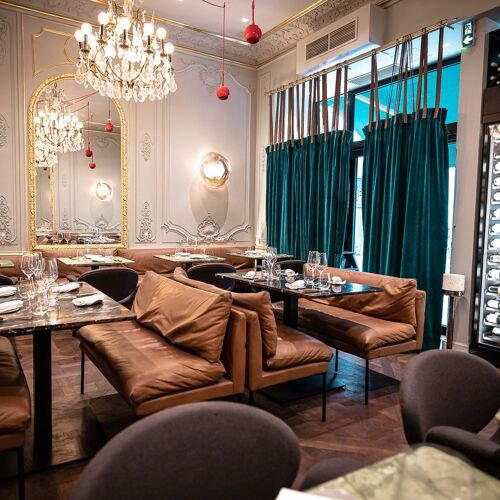
The three materials cited in the property's own description, marble, glass, and iron, form a vocabulary that has specific implications for the quality of light and the acoustic character of interior spaces. Marble reflects and diffuses; glass transmits; ironwork structures. In a converted convent where original volumes tend toward height and depth, these materials produce an atmosphere that reads as serious without being austere. The bourgeois overlay that followed the convent's original use would have introduced warmth in textiles and furnishings into those cool structural elements, and a contemporary conversion working within that palimpsest has both the constraint and the advantage of inherited proportion.
Across the broader Hospes collection, properties tend to treat architecture as the primary experience rather than as background to amenity stacking. That approach places the group in a comparable set that also includes conversions elsewhere in Europe where the building's credentials carry more weight than points programmes or brand recognition. Travellers who have stayed at Aman Venice, a palazzo conversion of comparable civic scale, or at Mandarin Oriental Ritz, Madrid, where a historic Madrid property has been adapted to brand standards, will arrive with a calibrated sense of what a building-led hotel can and cannot do. The Alicante property operates on a smaller scale than either but with a more specific historical claim.
Planning a Stay: Practical Orientation
The hotel sits on Calle Rafael Altamira 7 in Alicante's historic centre, within walking distance of the castle lift, the Explanada, and the main market. For travellers arriving by train, Alicante's RENFE station connects to Madrid and Valencia, making the property accessible without a car. The historic centre is navigable on foot, which suits a hotel stay oriented around architecture and urban exploration rather than beach access or resort amenity. Travellers seeking coastal or wellness-focused infrastructure should note that the area also includes other hotels serving those intentions more directly.
For comparison with the hotel's approach to converted historic buildings elsewhere in Spain, Terra Dominicata in Escaladei offers an interesting parallel: another Dominican connection, this time a winery estate in Priorat built on former monastic land. The shared institutional ancestry produces a different spatial and experiential result, which itself says something about how the Dominican tradition in Spain dispersed across wine country and coastal cities simultaneously. For travellers building a Spain itinerary around architecture and historic fabric, pairing Alicante with Mallorca properties like La Residencia, A Belmond Hotel, Mallorca or Hotel Can Ferrereta in Santanyí creates a coherent regional thread.
Comparable Spots, Quickly
Comparable venues nearby, for context on price, style, and recognition.
| Venue | Cuisine | Price | Awards | Notes |
|---|---|---|---|---|
| Hospes AmérigoThis venue — the venue you are viewing | Contemporary luxury in a historic convent | $$$$ | 5-Star | Not listed |
| La Finca Golf & SPA Resort | Luxury golf and spa resort with Beaux Arts architecture | $$$$ | 5-Star | Algorfa |
| Barcelo Asia Gardens | Exotic Asian paradise integrated into Mediterranean mountainside | $$$$ | 5-Star | Finestrat |
| SHA Spain | Luxury medical spa resort with contemporary architecture featuring white buildings with glass and tropical landscaping; designed by renowned Uruguayan architect Carlos Gilardi. | $$$$ | 5-Star | El Albir |
| Seaside Grand Hotel Residencia | Low-rise villa-style resort integrated into palm groves with Spanish-colonial elegance. | $$$$ | 5-Star | Maspalomas |
| Vincci Selección Posada del Patio | Luxury city hotel blending modern design with historical elements | $$$$ | 5-Star | historic center |
Recognition history
Dated appearances from independent guides and award organizations, with the underlying list record or original source where available.
Design Hotels Member
Design Hotels
Michelin Selected
Michelin
Continue exploring
More in Alicante
Hotels in Alicante
Browse all →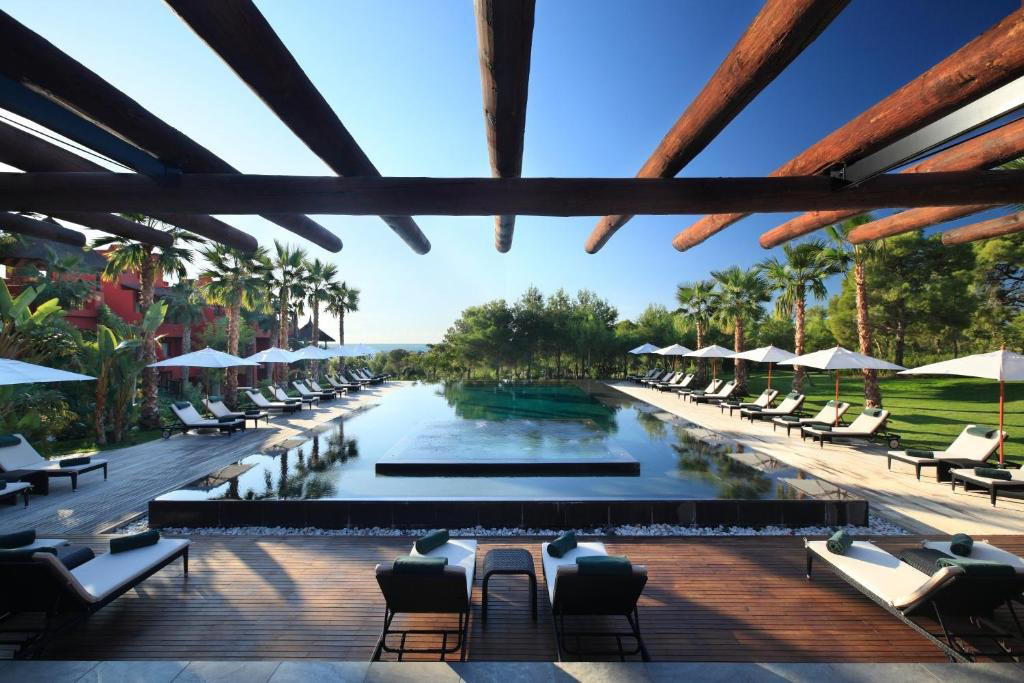
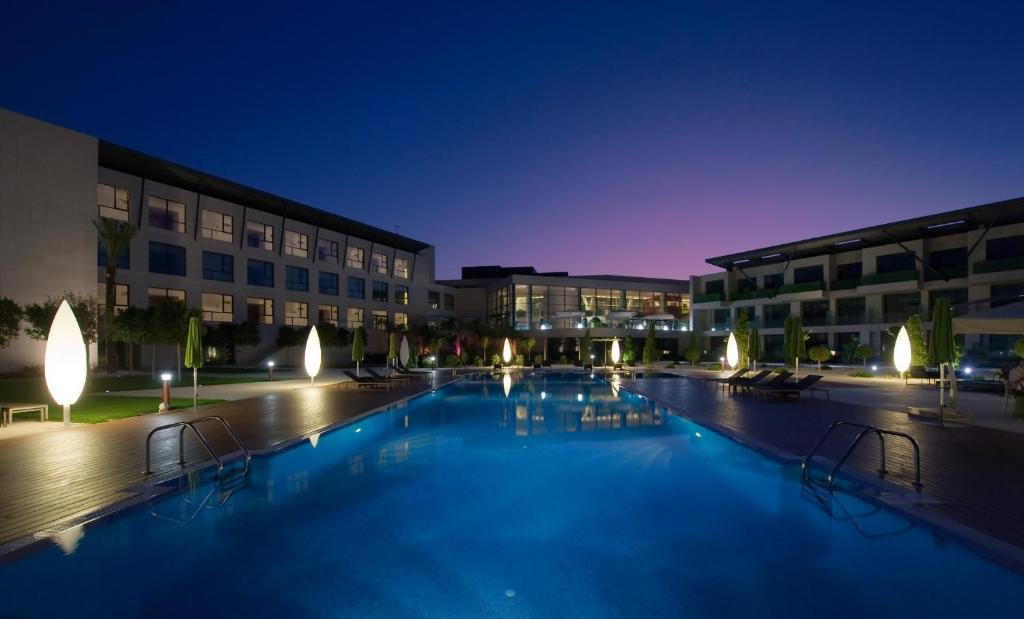
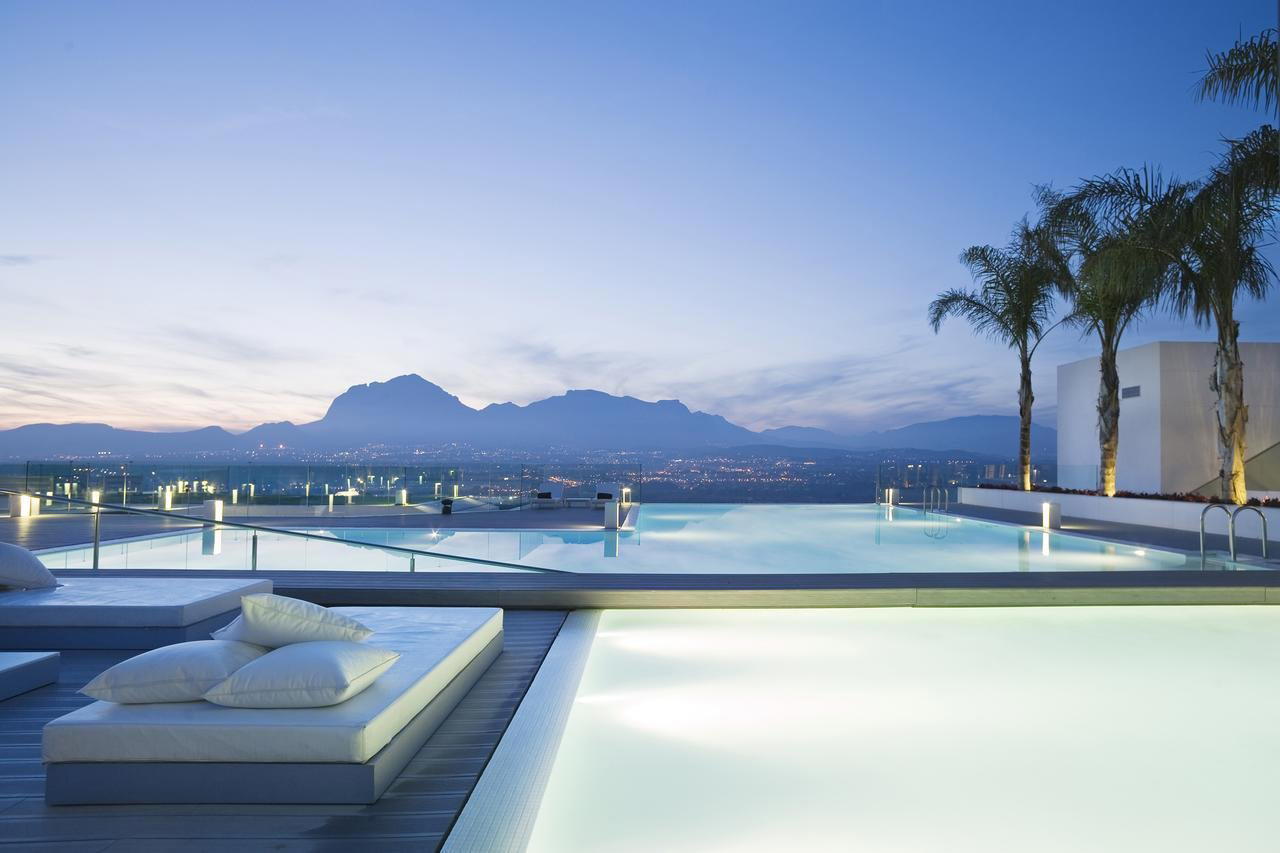
Bars in Alicante
Browse all →
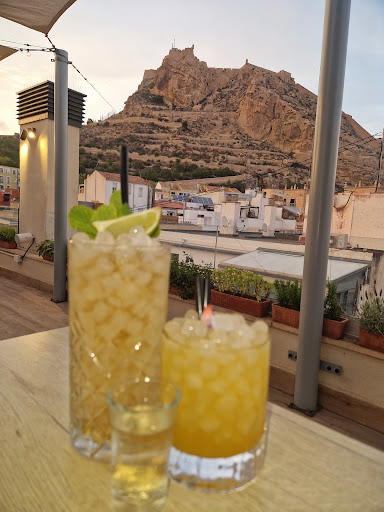
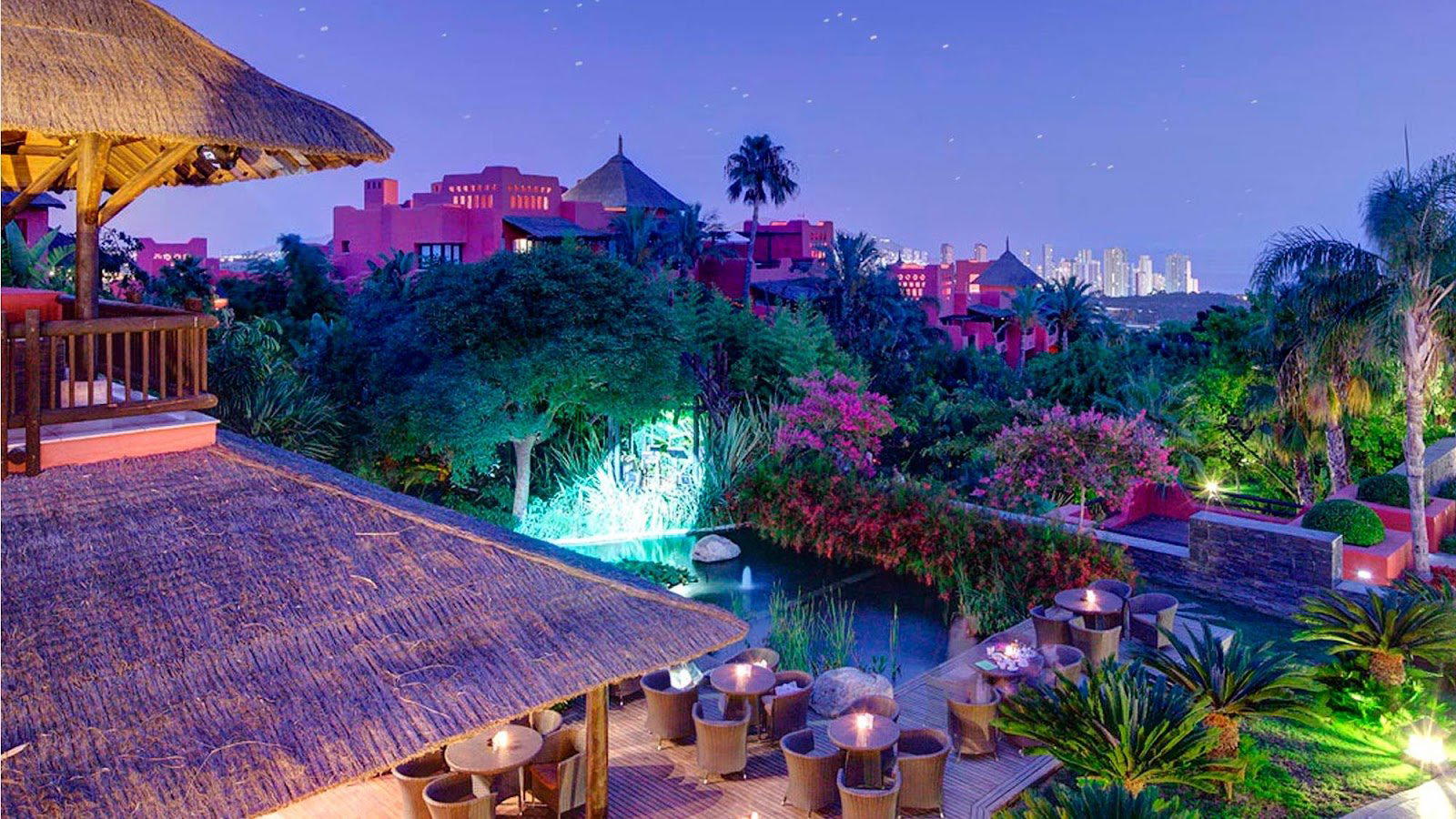
Restaurants in Alicante
Browse all →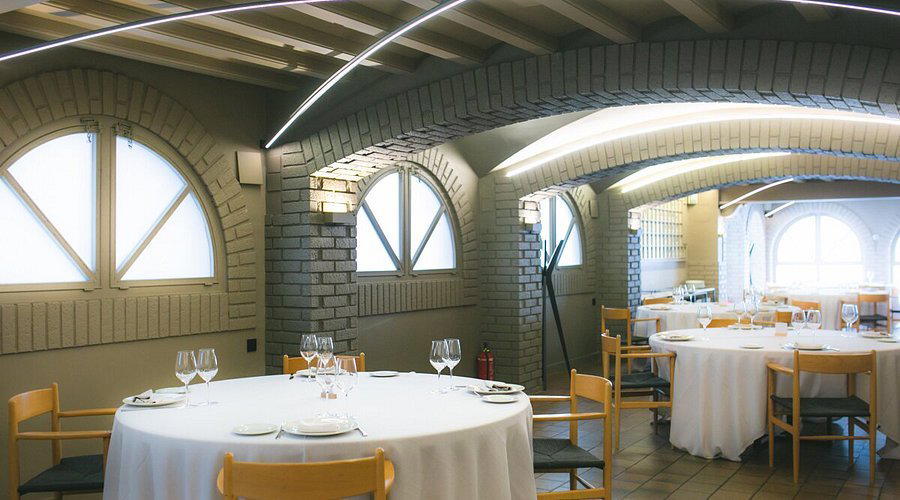
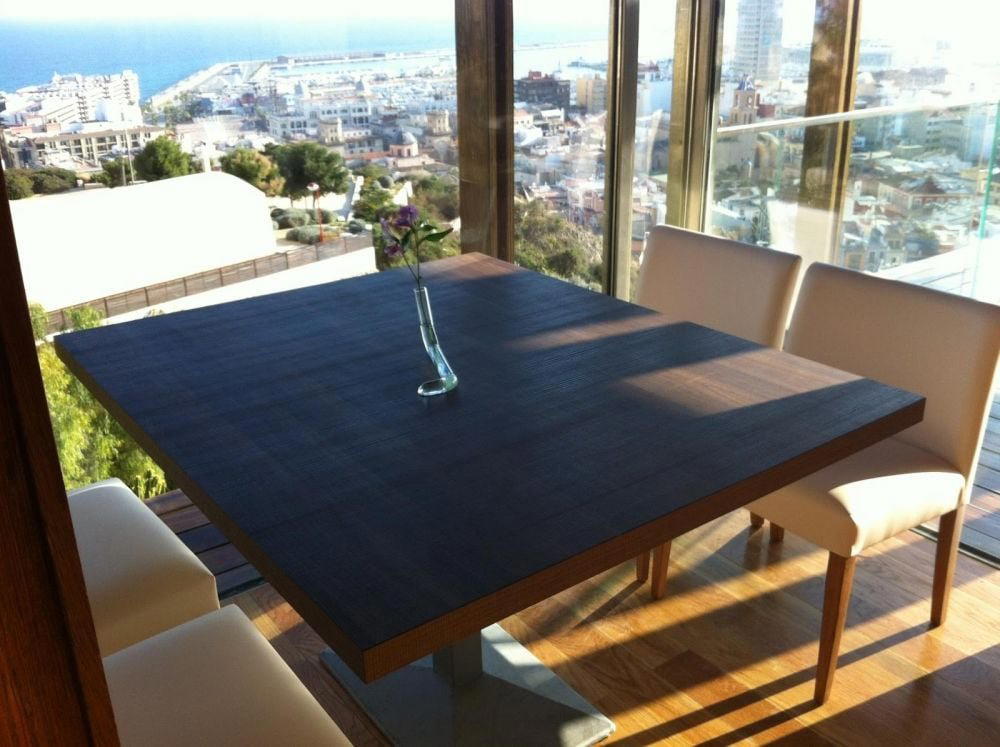

At a Glance
- Elegant
- Sophisticated
- Modern
- Romantic Getaway
- Anniversary
- Weekend Escape
- Historic Building
- Rooftop Pool
- Panoramic View
- Terrace
- Wi Fi
- Pool
- Spa
- Fitness Center
- Room Service
- Concierge
- Restaurant
- Street Scene
- Wi Fi
- Pool
- Spa
- Fitness Center
- Room Service
- Concierge
- Restaurant
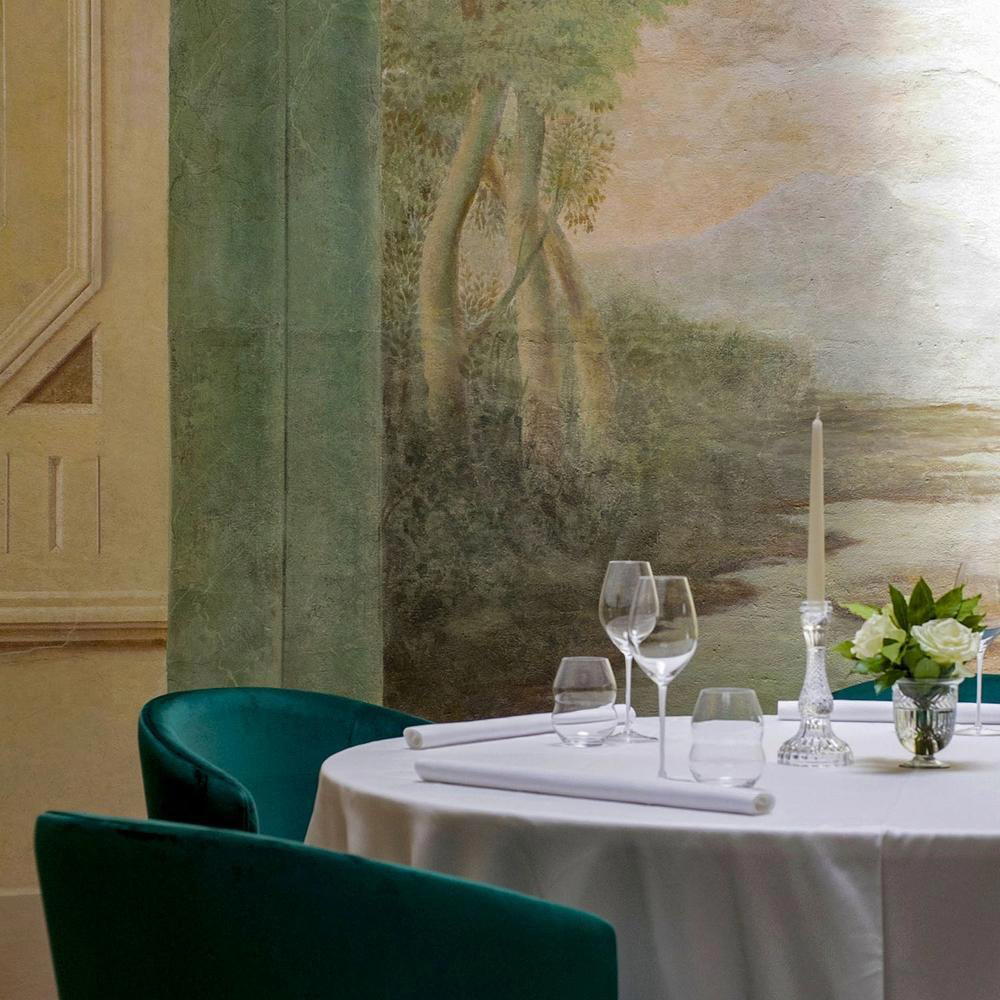
Serene and elegant atmosphere with minimalist design, original stone walls, high ceilings, and a relaxing rooftop terrace.