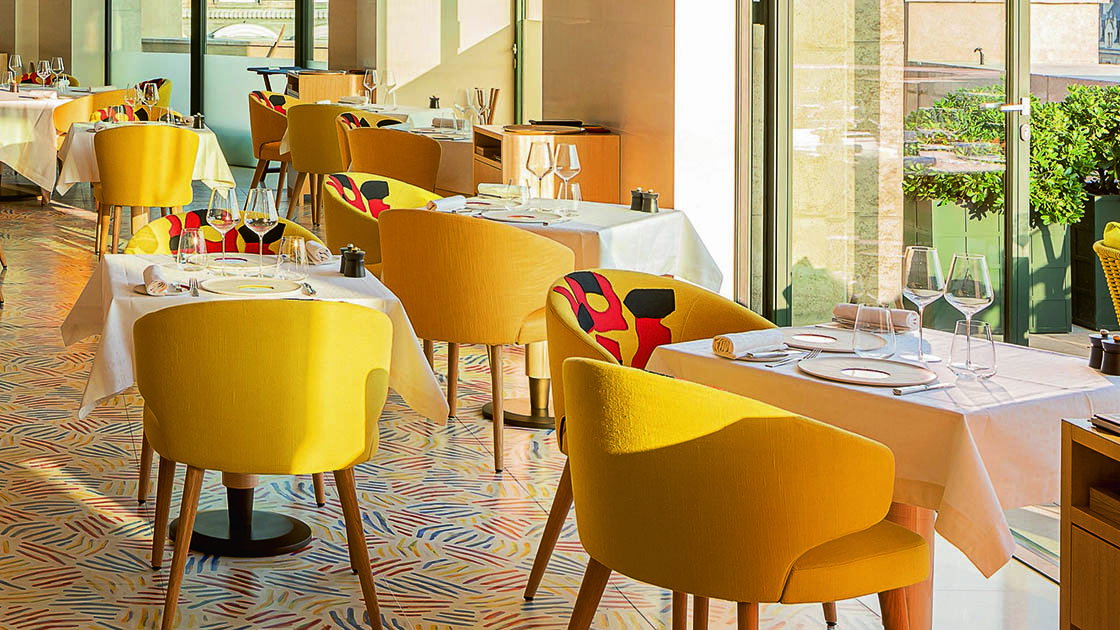
Almo de Juan Guillamón in Murcia serves contemporary Mediterranean cuisine with global touches from Chef Juan Guillamón. Must-try plates include Aged Beef Carpaccio with black aioli, Parpatana of Red Tuna with fennel purée and caponata, and Seared Scallops with curry velouté. The restaurant pairs a market-driven à la carte with a 14+-course tasting menu served to the entire table, emphasizing seasonal Murcia produce and regional wine pairings. A Michelin star, TripAdvisor Travelers’ Choice Best of the Best 2024 recognition, and a Repsol Guide Sol award anchor its reputation. Large windows, two floors, and focused service deliver a warm, contemporary setting that highlights precise flavors and thoughtful plating.
 Discover on Pearl
Floor-to-Ceiling Windows on a Changing City
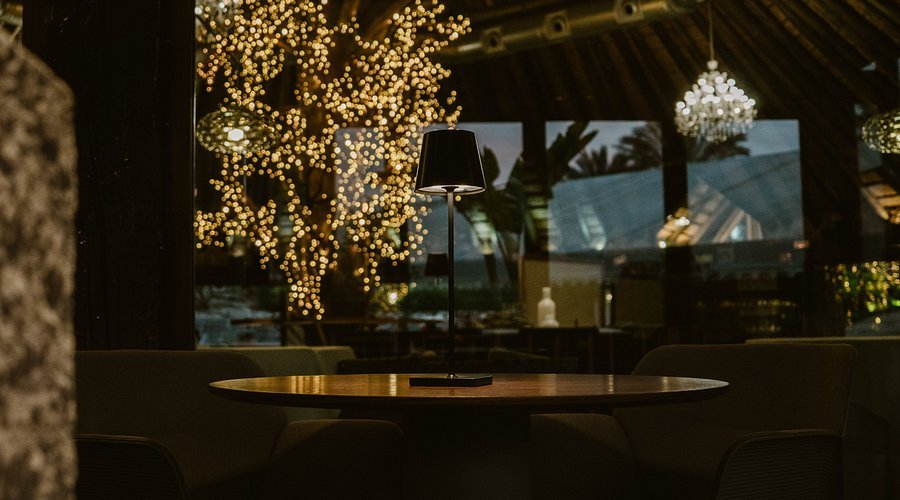
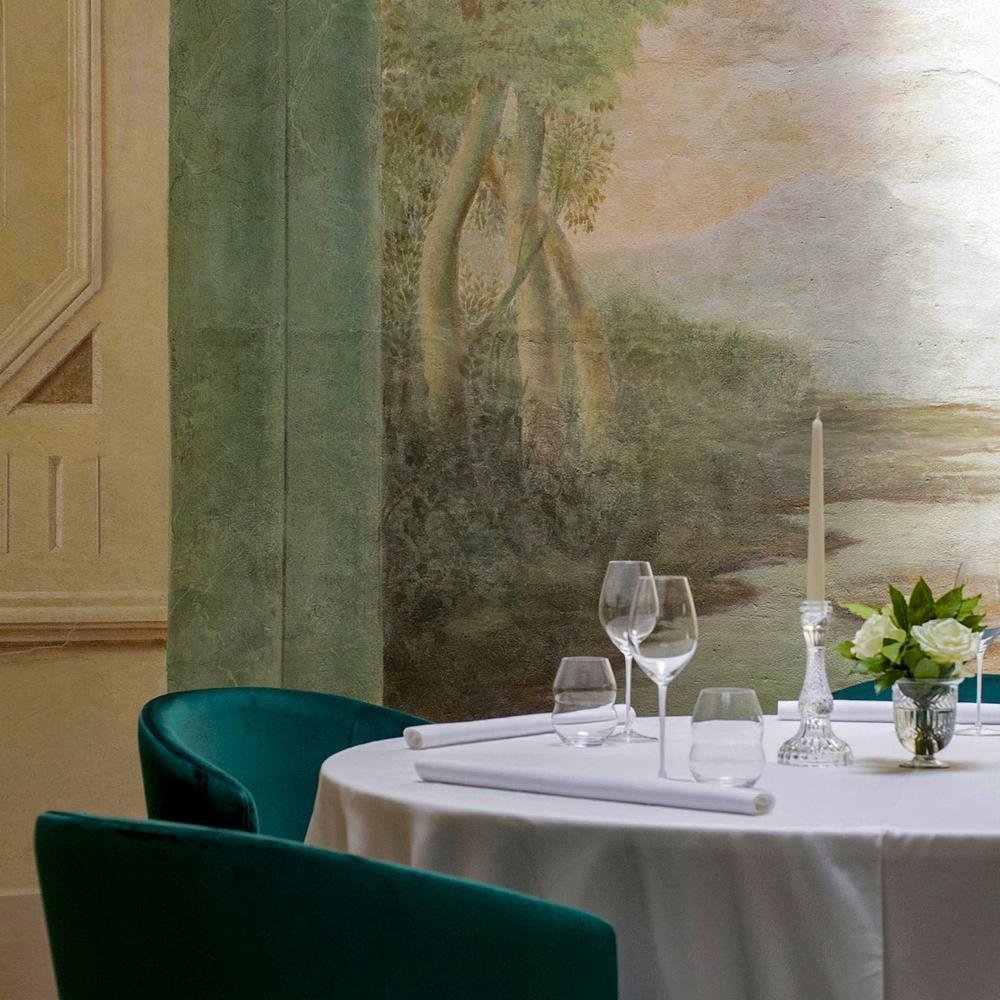
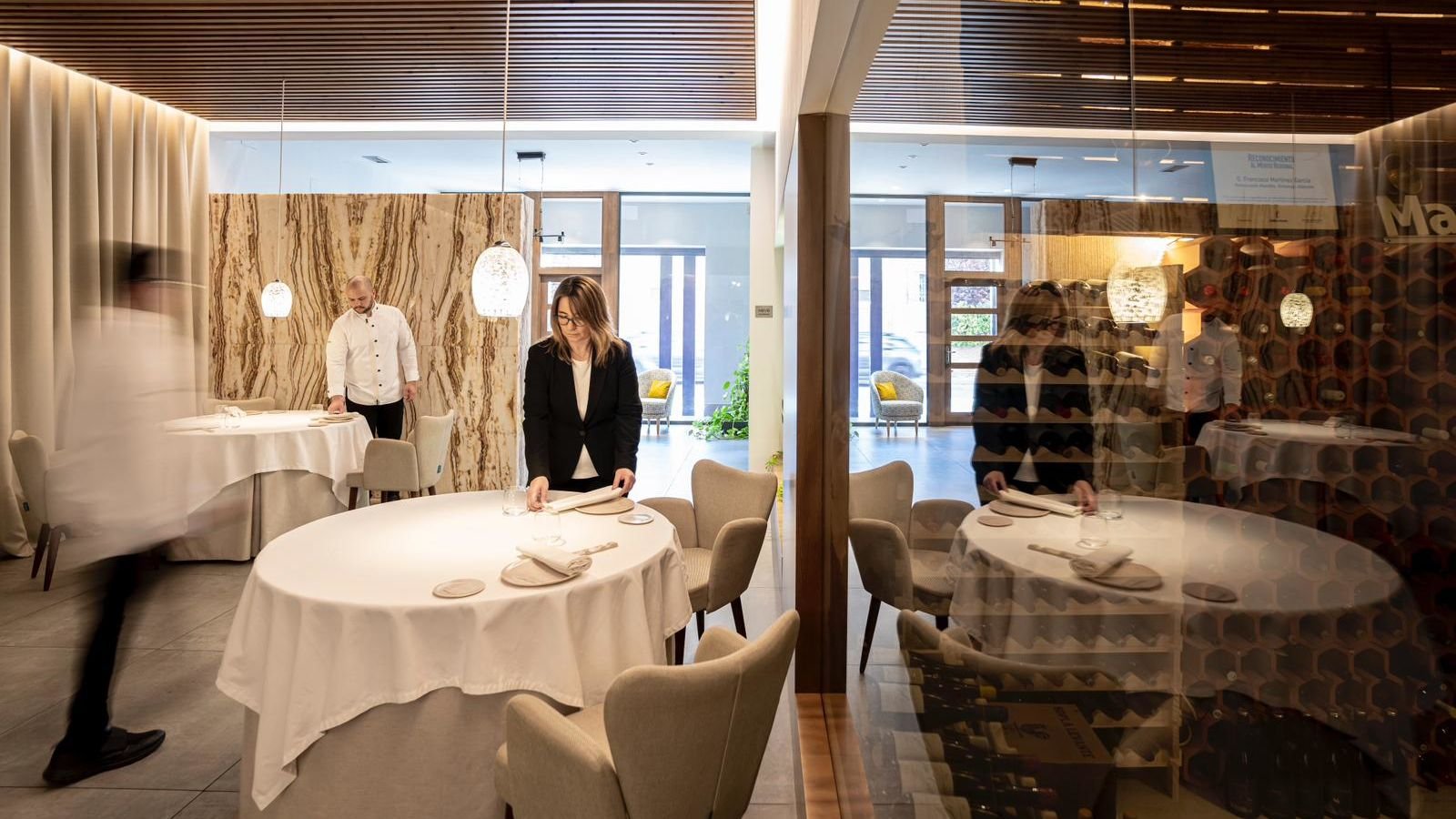
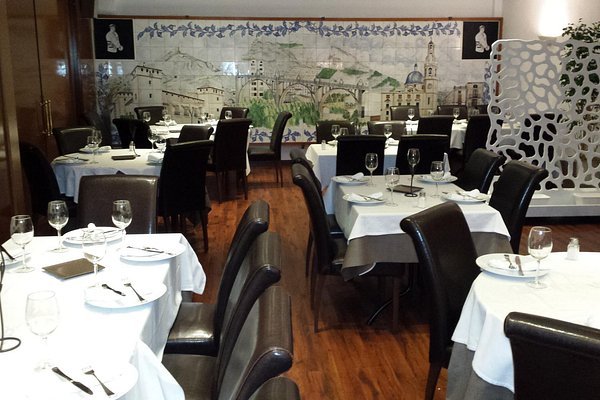
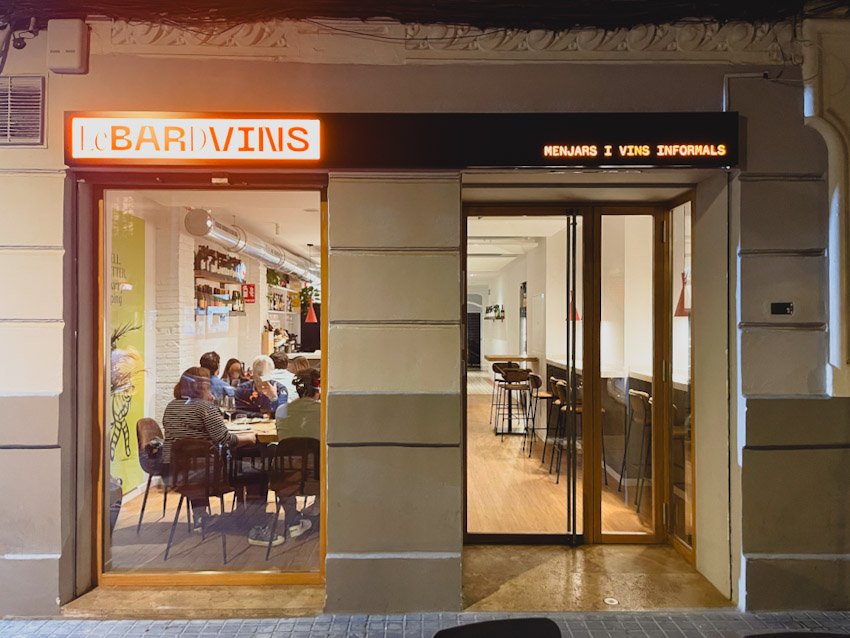
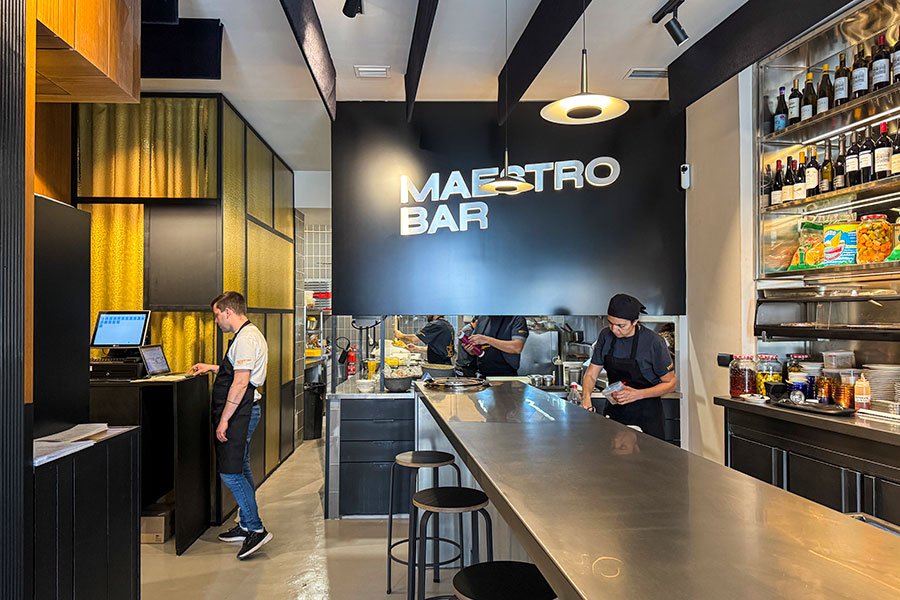
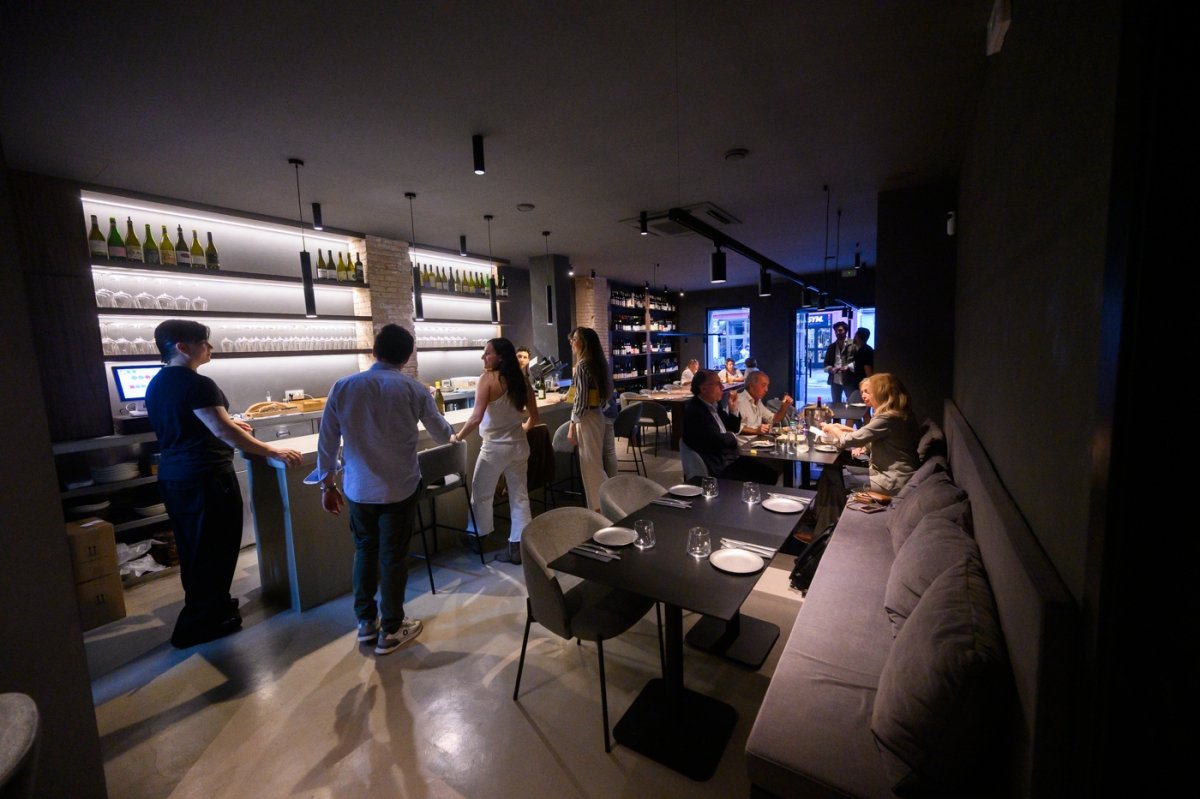
On Calle Madre de Dios, a street that runs through one of Murcia's quieter residential pockets, a two-storey restaurant signals its intentions before you reach the door. The floor-to-ceiling windows that front Almo de Juan Guillamón make the dining room visible from the pavement, a deliberate transparency that reads, architecturally, as confidence. Inside, the space presents as contemporary and uncluttered: two floors, a young visual register, and the kind of light that changes significantly between the lunch sitting (1:30 PM) and the evening service (8:30 PM on Thursdays and Fridays). That narrow weekly window — closed Monday, Tuesday, Saturday, and Sunday — shapes the rhythm of a kitchen operating on selective intensity rather than volume.
What Mediterranean Cuisine Looks Like When It Travels
Murcia's culinary identity is built on proximity: to the sea, to the huerta, to the Levantine growing traditions that have made this region one of Spain's most productive agricultural zones. The leading restaurants here take that proximity seriously, treating it as a technical constraint as much as a creative resource. What distinguishes the more ambitious end of the Murcian dining scene is the question of how far to travel, conceptually, from those foundations.
Almo sits in a specific position within that conversation. The kitchen frames itself around Mediterranean produce and technique while drawing on reference points that extend considerably further. The à la carte includes a carpaccio of aged beef with black aioli, cured egg yolk, and tartare sauce , a dish that works within classic European charcuterie logic while reassembling its components. The "parpatana" of red tuna with fennel purée and caponata pulls together a Levantine fish cut, French vegetable preparation, and a Sicilian sweet-sour condiment into a single plate. These are not fusion gestures; they are the product of a kitchen that treats the Mediterranean basin as a shared culinary inheritance rather than a strictly bordered region.
This approach has earned Almo a Michelin star in 2024, placing it in a small tier of Murcian restaurants operating at recognized European standard. Among the city's starred addresses, it occupies a mid-range price position at €€, making it accessible relative to peers like Magoga (Contemporary), which sits at the €€€ tier. Frases (Contemporary) shares the €€ bracket and the Michelin star, creating a genuinely interesting competitive set at this price point in a city that is, by Spanish standards, underrepresented in fine dining coverage.
The Cultural Logic Behind the Menu
Mediterranean cuisine in its most reductive form is often presented as a diet , olive oil, legumes, fish, vegetables. At the restaurant level, it operates as something more contested: a set of overlapping regional traditions (Catalan, Valencian, Murcian, Sicilian, Provençal, Maghrebi) that share ingredients but diverge sharply on technique, seasoning, and structure. A Murcia-based kitchen working in this register is making choices about which version of the Mediterranean it inhabits.
At Almo, the answer involves anchoring in local produce while acknowledging that the chef's professional formation extends well beyond the region. Six seasons cooking for the Ferrari motor racing team placed the kitchen in a circuit of international venues and demanding logistics. The role of personal chef to the British ambassador in Spain added a different register: high-formality service, diplomatic entertaining, exposure to British and European palatial cooking conventions. These credentials function not as biographical colour but as explanations for a kitchen that can hold formal European technique alongside Mediterranean informality without either register destabilizing the other.
The tasting menu , available only when taken by the entire table , represents the more structured expression of this synthesis. The à la carte allows individual navigation of the same sensibility. Both formats are available at lunch (Thursday and Friday from 1:30 PM) and dinner (Thursday and Friday from 8:30 PM), giving the kitchen two distinct pacing contexts within a compressed service week.
Murcia's Starred Tier in Context
Spain's Michelin map has historically concentrated recognition in the Basque Country, Catalonia, and Madrid. Arzak in San Sebastián, El Celler de Can Roca in Girona, and DiverXO in Madrid anchor Spain's presence at the leading of the European fine dining conversation, while houses like Azurmendi in Larrabetzu, Aponiente in El Puerto de Santa María, and Cocina Hermanos Torres in Barcelona represent the next tier. Murcia has operated at a distance from this coverage, which makes the emergence of starred addresses here a meaningful shift rather than incremental growth.
Within Murcia itself, Almo sits alongside a small group of restaurants pursuing serious cooking at accessible price points. Alborada (Traditional Cuisine) represents the more anchored end of the local spectrum, working within Murcian culinary convention without the international references. Keki and Taúlla add further range to a scene that, by recent standards, is producing more diverse and ambitious cooking than its national profile would suggest.
The venue's Google rating of 4.8 across 872 reviews indicates sustained approval across a broad sample rather than a specialist audience alone. At the €€ price point, that kind of consistency is harder to maintain than at the premium end, where narrower clientele expectations create different performance conditions.
The Name Change and What It Signals
The restaurant was previously called AlmaMater, a name with classical connotations of nourishment and institutional origin. The shift to Almo de Juan Guillamón anchors the identity more directly in the chef's name and, by implication, in individual culinary authorship rather than abstract concept. In the Spanish restaurant scene, this kind of rebranding often accompanies a sharpening of creative focus , a statement that the kitchen is no longer positioning itself as a concept but as a point of view. The Michelin recognition followed the renamed iteration, though the underlying kitchen approach appears continuous with what preceded it.
Planning a Visit
Almo operates a selective schedule that requires advance attention. Service runs Thursday and Friday for both lunch (1:30 PM to 4 PM) and dinner (8:30 PM to 11 PM), with a Thursday-only lunch also available. Wednesday offers lunch service only (1:30 PM to 4 PM). The restaurant is closed Monday, Tuesday, Saturday, and Sunday, making this a destination that rewards planning rather than spontaneous booking. At a €€ price point with a 2024 Michelin star and a 4.8 Google rating from nearly 900 reviews, demand is predictable , booking ahead is the reasonable approach. The address at C. Madre de Dios, 15 places it within central Murcia, accessible from the city's main accommodation zone.
For broader planning across the city, our full Murcia restaurants guide covers the wider dining scene, while our full Murcia hotels guide, our full Murcia bars guide, our full Murcia wineries guide, and our full Murcia experiences guide provide context for building a longer stay.
For those cross-referencing against other contemporary European addresses operating in the market-driven, technique-forward register, Frantzén in Stockholm and FZN by Björn Frantzén in Dubai represent how that approach scales at higher price tiers internationally.
Pricing, Compared
A quick context table based on similar venues in our dataset.
Continue exploring