


1 Michelin Star · Macarfi 7 Food Rating · Guía Repsol 1 Sol
Our verdict
At Baeza & Rufete, chef Joaquín Baeza channels the joyful spirit of his mentor, Martín Berasategui, into a quietly elegant culinary experience that celebrates Alicante’s seasons and scents. Within a modest, meticulously run dining room led by sommelier Esther Castillo, guests encounter modern Mediterranean menus that prize precision, aroma, and exceptional regional oils. Lemon basil, verbena, and wild thyme weave through a confident procession of courses, where pristine produce and characterful olive oils—Elipse Gourmet, Capilla del Fraile, Diez+Oro—amplify texture and depth. Choose between Short and Long menus, then surrender to a symphony of nuance, from luminous seafood to herb-framed vegetables, each dish revealing intensity without excess.

Pearl is the En Primeur Club membership app — saves, bookings, and concierge access live there. Same editors, same standards.
- Address
- Av. de Ansaldo, 31, 03540 Alicante, Spain
- Phone
- +34 965 16 22 47
- Hours
- Mon–Sat 1:30–3:30 PMSun Closed
- Website
- baezarufete.com
- Directions
- Get directions
- Booking
- Book on TheFork
Where Alicante's Produce Finds Its Argument
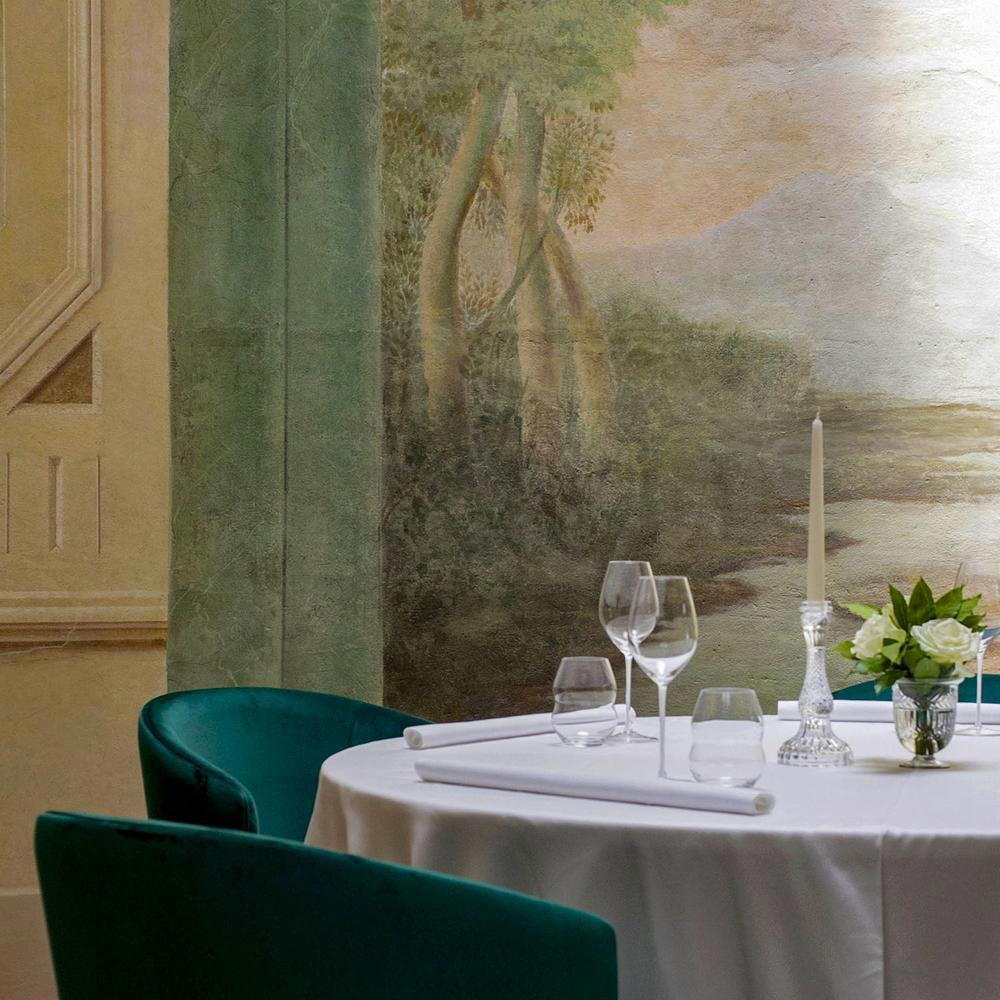
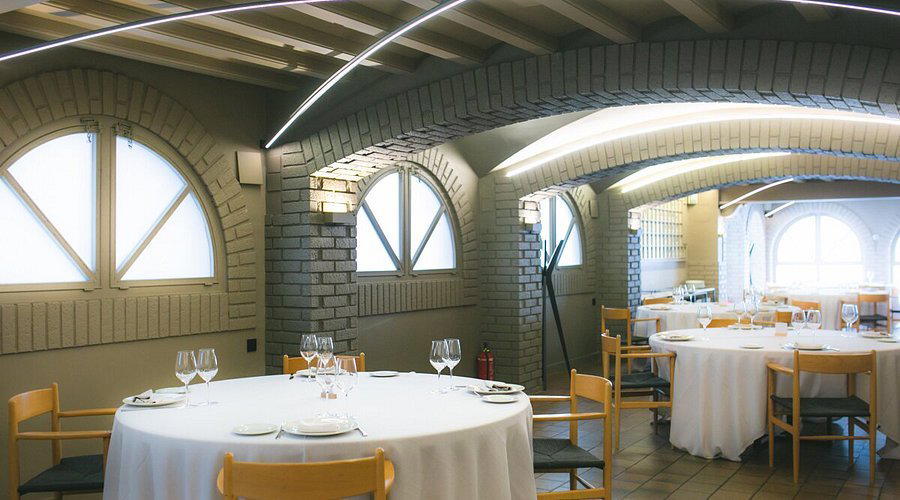
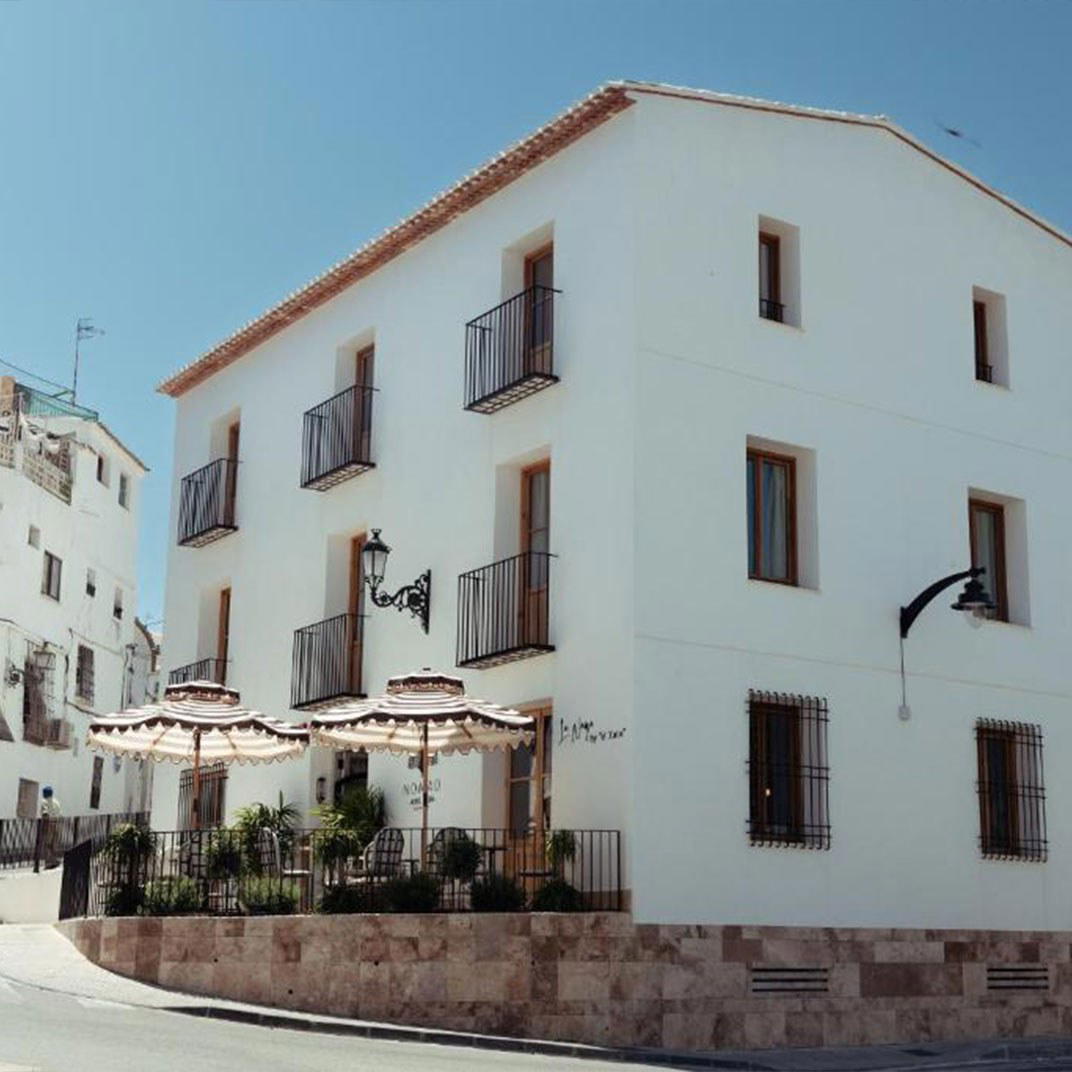
Avenida de Ansaldo sits away from the old-town circuit that draws most visitors to Alicante, and the building that houses Baeza & Rufete gives little away from the street. The room is small and deliberately unpretentious: this is not a space designed to signal status through interiors. What it signals instead, almost immediately, is focus. The service is attentive without theatre, the pacing deliberate, and the atmosphere shaped more by what arrives on the plate than by anything architectural. For a city that still gets underestimated on Spain's fine-dining map, that restraint reads as a quiet confidence.
Alicante's Ingredient Geography
The eastern Spanish coast from Valencia down through Alicante to Murcia is one of the country's most agriculturally productive corridors. The combination of near-constant sun, mineral-rich soils, and proximity to the sea creates conditions where aromatic herbs, citrus, and olives reach a concentration of flavour that genuinely distinguishes them from equivalents grown further north or inland. Kitchens that understand this tend to let the sourcing do structural work in their menus rather than treating local produce as a marketing addendum.
At Baeza & Rufete, the sourcing is the architecture. The kitchen builds around aromatics gathered directly from the surrounding area: lemon basil, thyme, mint, and lemon verbena are among the herbs the chef sources personally rather than through standard supply chains. That level of direct procurement shapes what ends up on the menu, since availability and peak condition govern timing rather than a fixed programme. The olive oils used in the kitchen are named and specific: Elipse Gourmet, Capilla del Fraile, and Diez+Oro represent producers with distinct profiles, and their appearance on the menu reflects a kitchen that treats fat and flavour-carrier as a serious variable rather than a background element.
This approach places Baeza & Rufete in a wider tradition of Mediterranean fine dining that has gathered considerable critical attention over the past decade. The region's produce diversity gives a kitchen the raw material to build menus that change meaningfully with the season rather than rotating a fixed repertoire. That seasonality is not a gesture here; it is the operational logic that determines what a given visit will look like, which is one reason the restaurant sustains interest across repeat visits.
Training Lineage and What It Means at This Level
What distinguishes the kitchen's technical foundation is its connection to the Martín Berasategui school. Berasategui, whose flagship in Lasarte-Oria holds three Michelin stars, has produced a generation of chefs whose work is identifiable by precision in technique, control of temperature and texture, and an emphasis on making ingredients read as themselves rather than as components of a concept. That lineage runs through the cooking at Baeza & Rufete, not as pastiche but as underlying discipline applied to a specifically local ingredient vocabulary.
Spain's Basque Country has long functioned as a culinary exporting region in this sense. Kitchens trained in that tradition now operate across the country, from Arzak in San Sebastián through to addresses in Madrid, Barcelona, and along the Mediterranean coast. The transmission of technical rigour through mentorship structures like Berasategui's network has been one of the mechanisms through which Spain's regional fine dining has developed credibility beyond its major cities. A city like Alicante benefits from that transmission when a trained chef returns to work with local produce rather than migrating to a larger market.
Menu Format and the Raciones Question
The menu structure at Baeza & Rufete runs in two directions simultaneously. There are two tasting menus, labelled Short and Long, which provide the conventional progression format that Michelin inspectors and regular fine-dining visitors expect. Alongside these, the kitchen offers half and full raciones: a format more associated with Alicante's traditional taberna culture than with the tasting-menu tier.
The combination is not accidental. It allows a table to engage with the kitchen's most considered work through the tasting format while also giving access to specific dishes in a more flexible portion structure. For visitors who prefer to build their own progression, or who want to explore a single dish in depth, the raciones option provides a route in that a fixed tasting menu does not. It also anchors the restaurant to local dining habits, where sharing plates and extended lunches are the norm rather than a special occasion format.
Lunch-only schedule reinforces this: service runs from 1:30 PM to 3:30 PM Tuesday through Saturday, with Monday also open for lunch and Sunday closed. That timetable aligns with the Alicante tradition of the long afternoon meal rather than the evening-forward schedule of cities further north. Visitors planning around this should factor in that a full Long menu within a 3:30 PM close requires a prompt arrival, particularly for a table of four or more.
The Room, the Front of House, and Why Small Matters Here
Small restaurants in the one-Michelin-star tier occupy a specific position in how the category is read. At scale, a starred restaurant can distribute its reputation across multiple services and a larger brigade. At small scale, the relationship between kitchen output and front-of-house coherence is more direct and more exposed. Esther Castillo handles both the front of house and the sommelier role at Baeza & Rufete, which means the wine programme and the service rhythm are managed by a single person with a comprehensive view of what the kitchen is sending out. That integration tends to produce a more coherent experience than operations where the wine selection and the service team operate in separate silos.
Wine pairing in the context of modern Mediterranean cooking from this region carries specific interest. Alicante's DO produces Monastrell-based reds of genuine structure, and the broader Valencian community includes producers working in styles that complement herb-led, aromatic cooking. Whether the pairing leans into local Monastrell or extends to other Spanish DOs is a question for the sommelier, but the regional argument for staying within the peninsula is strong.
Where Baeza & Rufete Sits in Alicante's Wider Dining Circuit
Alicante has developed a more articulated fine-dining tier over the past decade without losing the mid-range addresses that define everyday eating in the city. At the more formal end, Celeste y Don Carlos and El Portal Alicante - Krug Ambassade occupy adjacent positions in the premium bracket. At a more accessible price point, Open represents the contemporary end of the casual tier. For visitors building a multi-day itinerary, the contrast between a long lunch at Baeza & Rufete and a seafood-led evening elsewhere captures the two registers in which the city's food culture operates most confidently.
The restaurant's location on Avenida de Ansaldo puts it outside the central zone where most tourists concentrate, which means it draws a predominantly local and destination-visitor clientele rather than passing trade. That self-selection shapes the room's atmosphere in ways that are difficult to replicate in more central addresses. For context on the broader city dining and accommodation picture, our full Alacant restaurants guide, hotels guide, bars guide, wineries guide, and experiences guide provide the wider frame.
Within Spain's starred restaurant ecosystem, Baeza & Rufete operates at a remove from the high-concept formats associated with addresses like DiverXO in Madrid or El Celler de Can Roca in Girona. The cooking here is not about narrative or spectacle. It is about produce at a specific moment of the year, applied technique from a coherent school, and a menu format that reflects the city's own eating culture. That positioning is not a compromise; it is the argument. Internationally, the contrast with more elaborate one-star formats, from Cocina Hermanos Torres in Barcelona to Frantzén in Stockholm or FZN by Björn Frantzén in Dubai, sharpens what makes a kitchen like this one coherent on its own terms.
For visitors coming specifically for the food, comparison with other regional Spanish addresses is also instructive. Aponiente in El Puerto de Santa María and Azurmendi in Larrabetzu represent different approaches to the same fundamental question: what does fine dining look like when it is genuinely rooted in place? Baeza & Rufete answers that question at a more intimate scale, which is precisely where its 2024 Michelin recognition becomes legible.
Planning a Visit
Service runs lunch-only from 1:30 PM to 3:30 PM, Tuesday through Saturday, with Monday lunch also available. The restaurant is closed Sundays. The price range sits at the €€€€ tier, consistent with the Michelin-starred positioning. Given the small room size, reservations are advisable well in advance, particularly for weekend lunches and peak summer months when Alicante's visitor numbers are highest. Arrive at or near the opening time if you are planning the Long menu.
What to Eat at Baeza & Rufete
The menu changes with seasonal produce availability, so a prescriptive dish list would not hold across visits. The directional answer is: follow the Long menu on a first visit. It provides the most complete picture of what the kitchen is doing at any given moment, including the aromatic herb work and the olive oil programme that define the cooking's character. The raciones additions are worth exploring if the sommelier or kitchen signals a particular dish is at peak that week. On any visit, the herb and oil components are the thread that connects courses, and they are the element most specific to this address and this region.
Pricing, Compared
A compact comparison to help you place this venue among nearby peers.
| Venue | Cuisine | Price | Awards | Notes |
|---|---|---|---|---|
| Baeza & RufeteThis venue — the venue you are viewing | Modern Mediterranean Fine Dining | $100–150 | 1 Michelin Star · Macarfi 7 Food Rating | Not listed |
| El Portal Taberna & Wines | Modern Spanish Tapas & Gourmet Gastro-Bar | $50–100 | Michelin Plate · Guía Repsol 1 Sol | Tapas Bar |
| La Taberna del Gourmet | Modern Spanish Tapas | $50–100 | Michelin Plate · Guía Repsol 1 Sol | Gastrobar-Seafood, Regional Cuisine |
| Nou Manolín | Modern Valencian Seafood | $50–100 | Michelin Plate · Macarfi 8.5 Food Rating | Spanish, Farm to table |
| Piripi | Traditional Spanish Seafood Tapas | $50–100 | Michelin Plate · Guía Repsol 1 Sol | Rice Dishes |
| Alba | Italian-Spanish Fusion | $30–50 | Michelin Plate | Contemporary |
Recognition history
Dated appearances from independent guides and award organizations, with the underlying list record or original source where available.
Michelin 1 Star
Michelin
Guía Repsol 1 Sol
Guía Repsol
Macarfi 7 Food Rating
Macarfi
Full recognition history (5 entries)
Michelin 1 Star
Michelin
Michelin 1 Star
Michelin
Continue exploring
More in Alicante
Restaurants in Alicante
Browse all →
Bars in Alicante
Browse all →
Hotels in Alicante
Browse all →

Details
- Intimate
- Elegant
- Modern
- Cozy
- Special Occasion
- Date Night
- Chefs Counter
- Extensive Wine List
- Local Sourcing
- Tasting Menu
- Vegetarian Friendly
Current opening hours
- Monday
- 1:30–3:30 PM
- Tuesday
- 1:30–3:30 PM
- Wednesday
- 1:30–3:30 PM
- Thursday
- 1:30–3:30 PM
- Friday
- 1:30–3:30 PM
- Saturday
- 1:30–3:30 PM
- Sunday
- Closed
Hours can change for holidays and private events. Last verified .
Small, cozy, and unpretentious dining room with an intimate atmosphere focused on personalized service.