POER
POER occupies a quiet address on Koolskampstraat in Lichtervelde, a small West Flemish town that has quietly accumulated a concentration of serious kitchens relative to its size. The restaurant sits within a regional dining tradition that prizes local sourcing and seasonal discipline over cosmopolitan flair, placing it in a comparable set defined by ingredient provenance and craft rather than urban spectacle.
Pearl is the En Primeur Club membership app — saves, bookings, and concierge access live there. Same editors, same standards.
- Address
- Koolskampstraat 68, 8810 Lichtervelde, Belgium
- Phone
- +3251724983
- Website
- restaurantpoer.be
 Saves & bookings on Pearl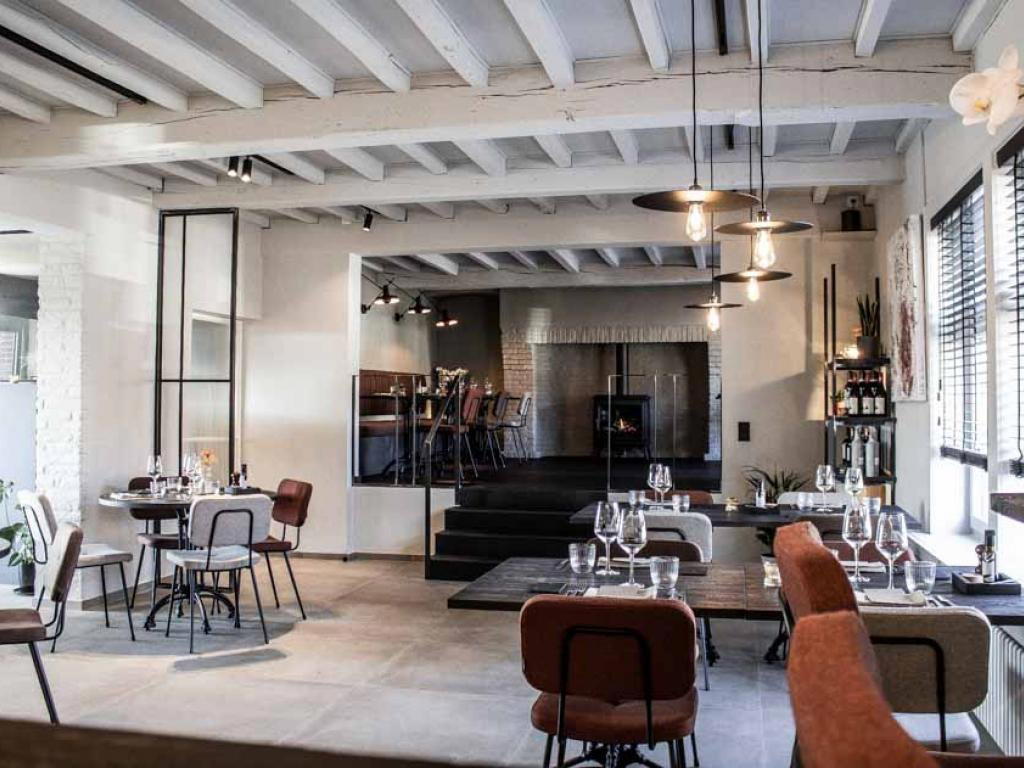
West Flanders on the Plate: Why Lichtervelde Rewards the Drive
POER is a French-Belgian Seasonal Bistro in Lichtervelde, Belgium. The country's West Flemish interior, running between Roeselare and the coast, has developed a dining culture built on agricultural proximity rather than metropolitan ambition. Farms, polders, and market gardens sit within minutes of kitchens that have learned, over decades, to treat that proximity as a structural advantage rather than a compromise. Lichtervelde sits inside this tradition, a town small enough that its main street takes three minutes to walk end to end, yet one that carries genuine culinary weight in the regional context. POER, addressed on Koolskampstraat at the edge of that modest grid, is part of this pattern.
The nearby De Bietemolen represents another point on that local map, and the contrast between the two says something useful about how a small town can sustain more than one serious culinary address without either cannibalising the other.
The Sourcing Logic Behind West Flemish Cooking
Ingredient provenance shapes the character of this entire sub-region more forcefully than it does in, say, Brussels or Antwerp, where a kitchen can draw on international supply chains without anyone raising an eyebrow. In West Flanders, the better kitchens tend to treat local sourcing not as a marketing position but as an operational baseline. The vegetable gardens of the Roeselare corridor, the grey shrimp fisheries of the coast, the chicory and endive fields running toward Tielt, these define what ends up on the menu more than any chef's aesthetic preference.
This matters for how readers should read POER. The address on the edge of a small Flemish town is not incidental. Proximity to producers typically means shorter cold chains, tighter seasonal discipline, and a menu that shifts with the agricultural calendar rather than against it. Boury in Roeselare, operating at the higher end of the regional spectrum with significant Michelin recognition, has built part of its identity on exactly this sourcing logic at scale. POER operates in a quieter register but within the same geographic and philosophical zone.
For comparison, Willem Hiele in Oudenburg has pushed the coastal sourcing argument further than almost any kitchen in Belgium, anchoring its identity entirely in North Sea produce and regional fermentation. That represents one extreme. The more measured West Flemish approach, which POER appears to occupy, treats local sourcing as a frame rather than a manifesto.
Approaching the Room
Koolskampstraat 68 sits in the kind of setting that defines how much of Belgium's leading eating actually happens: away from the city, in a building whose exterior gives little away, in a town where the absence of foot traffic means the kitchen works for reputation rather than passing trade. This is not a dining room that fills because tourists walk past. It fills because people plan for it, which tells you something about the kind of clientele that finds its way here and the expectation they arrive with.
The atmosphere in kitchens of this type tends toward the contained and deliberate. West Flemish dining rooms in this tier typically run small seat counts, keep noise levels low by design, and let the plate do the communicating. The comparison point is not the animated brasserie energy of Zilte in Antwerp or the formal grandeur of Le Chalet de la Forêt in Uccle. It is closer to the focused quiet of a room where the occasion is the food itself.
Where POER Sits in Belgium's Broader Fine Dining Map
Belgium has an unusually dense distribution of serious kitchens for a country of its size. Michelin covers the country thoroughly, and the Guide's attention has extended well beyond Brussels and Bruges into the Flemish interior. Hof van Cleve in Kruishoutem represents the apex of this rural fine dining tradition, holding three stars in a location that requires deliberate travel from any major city. De Jonkman in Sint-Kruis and Castor in Beveren operate at the creative end of the Modern Flemish register. Bartholomeus in Heist anchors itself to the coast with a focused seafood identity.
POER in Lichtervelde slots into a tier defined less by headline awards and more by the consistency that earns local loyalty. This is a category that often flies below the radar of international food media while remaining fully legible to the Belgian dining public, which is sophisticated enough to know the difference between a kitchen coasting on a postcode and one genuinely doing the work. Further afield, L'air du Temps in Liernu, La Durée in Izegem, and Maison Colette in Tongerlo represent other points in this distributed network of Belgian kitchens that reward planning over spontaneity. Bozar Restaurant in Brussels and d'Eugénie à Emilie in Baudour anchor the more urban end of the same national conversation. The international frame, for readers who want it, runs through technically rigorous seafood-led kitchens like Le Bernardin in New York City or precise tasting-counter formats like Atomix in New York City, both of which illuminate the discipline that serious ingredient-led cooking requires regardless of geography. La Table de Maxime in Our adds another Belgian rural reference for comparison.
Planning Your Visit
Lichtervelde sits roughly 15 kilometres south-west of Roeselare and is accessible by both car and train, with the town's station on the Bruges-Kortrijk line. For a destination this size, driving remains the practical default, particularly if you are combining the meal with exploration of the surrounding Flemish countryside. Contacting the restaurant directly before planning travel is the sensible approach, particularly for larger groups or specific dietary requirements. Kitchens of this type in West Flanders tend to run tighter service patterns than city restaurants, so verifying days of operation before making the journey matters.
Comparison Snapshot
Comparable venues nearby, for context on price, style, and recognition.
| Venue | Cuisine | Price | Awards | Notes |
|---|---|---|---|---|
| POERThis venue — the venue you are viewing | French-Belgian Seasonal Bistro | $$$ | , | |
| De Bietemolen | Belgian-French Bistro | $$ | , | Lichtervelde |
| De Roeschaert | French-Belgian Fine Dining | $$$ | , | Houtave |
| Au Bain Marie | French-Belgian Seasonal Bistro | $$$ | , | Astene |
| Alain Meessen | Classic French-Belgian Fine Dining | $$$ | , | Oedelem |
| Pauline | Modern Belgian Fine Dining | $$$ | , | Gentsesteenweg |
Continue exploring
More in Lichtervelde
Restaurants in Lichtervelde
Browse all →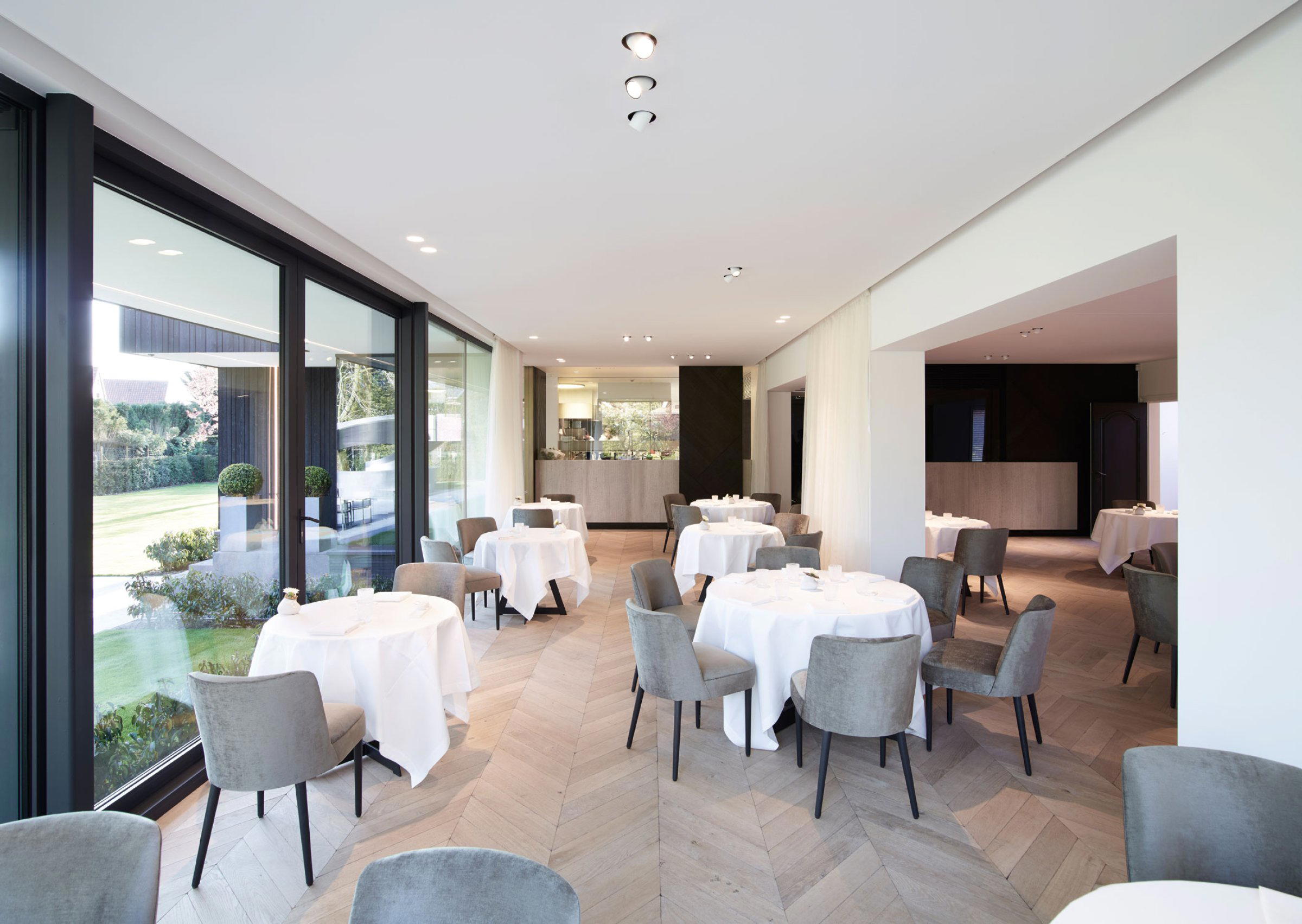
Bars in Lichtervelde
Browse all →
At a Glance
- Cozy
- Elegant
- Date Night
- Special Occasion
- Terrace
- Extensive Wine List
- Local Sourcing
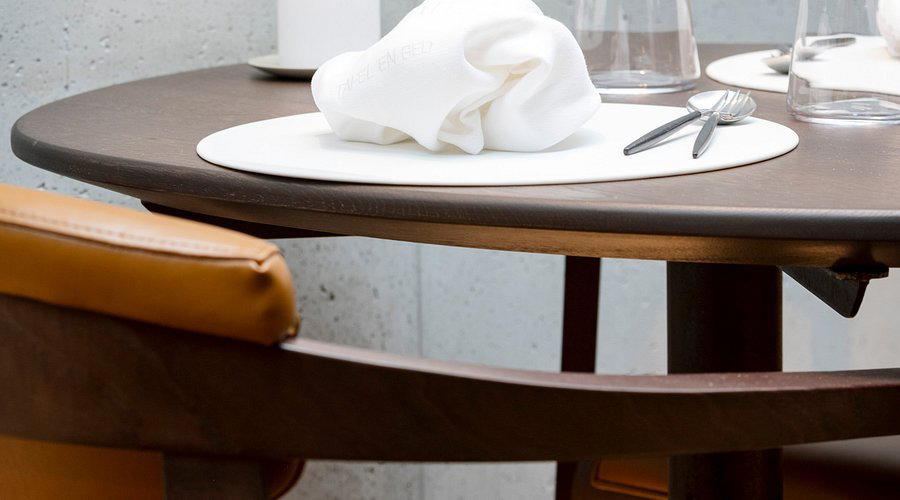
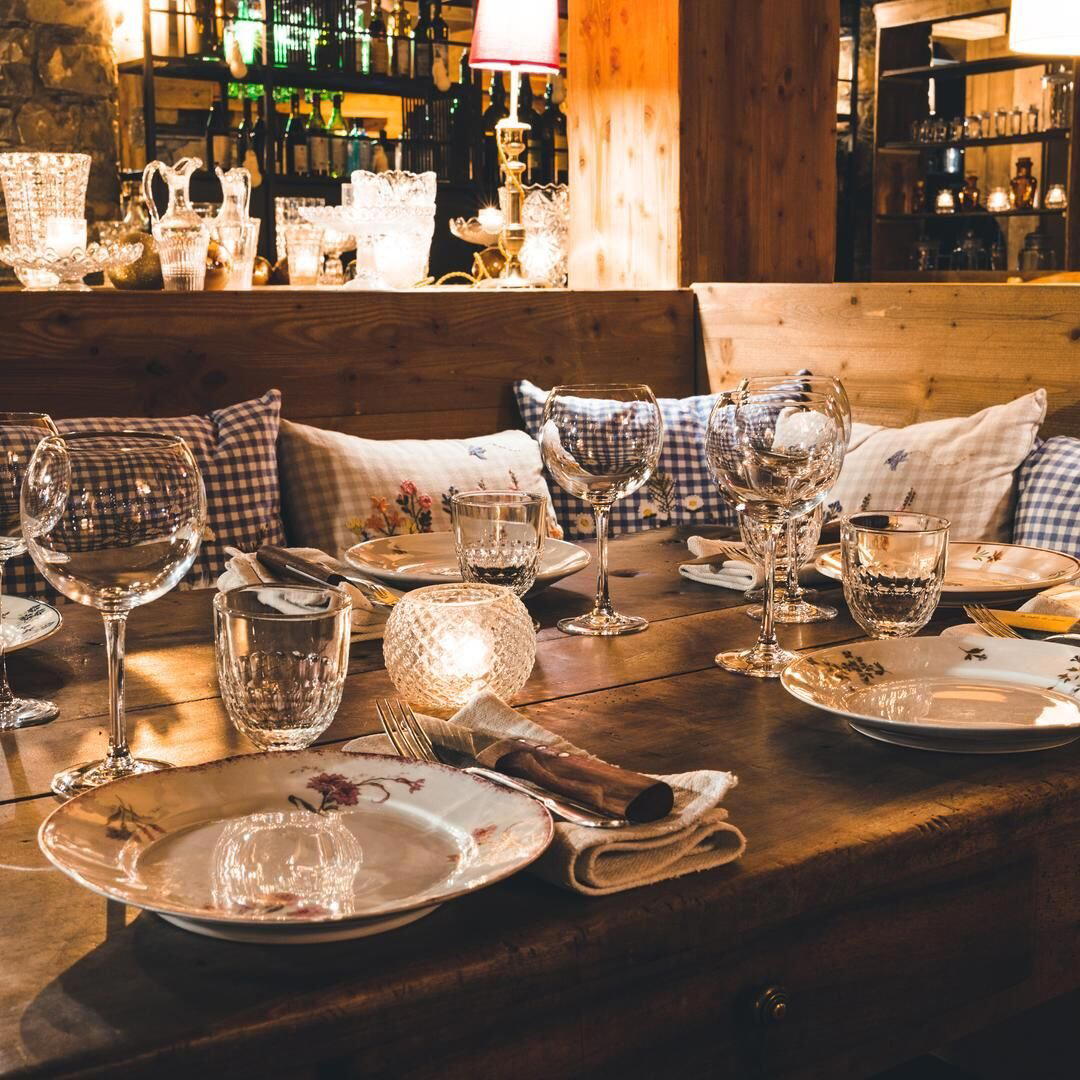
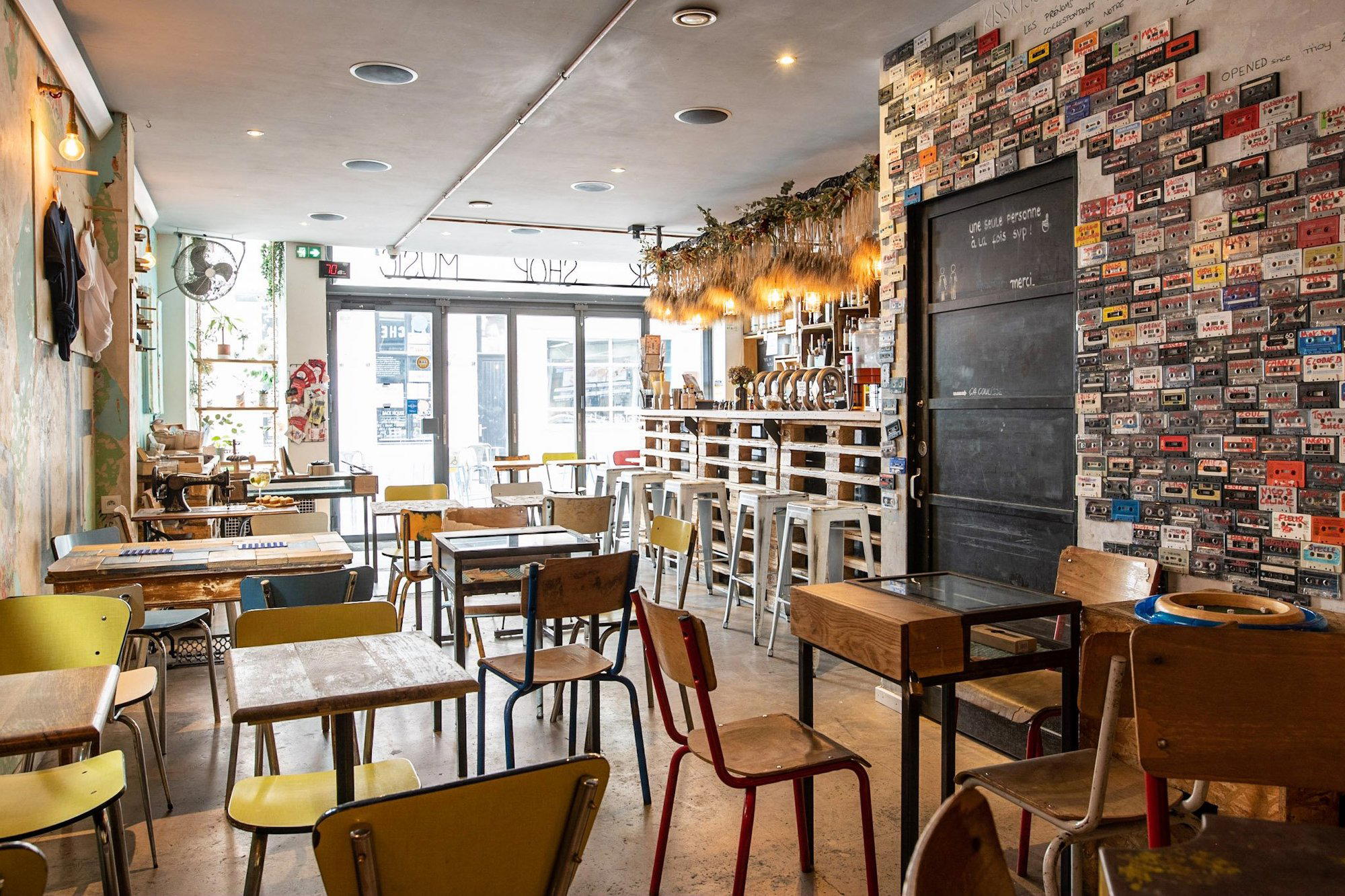
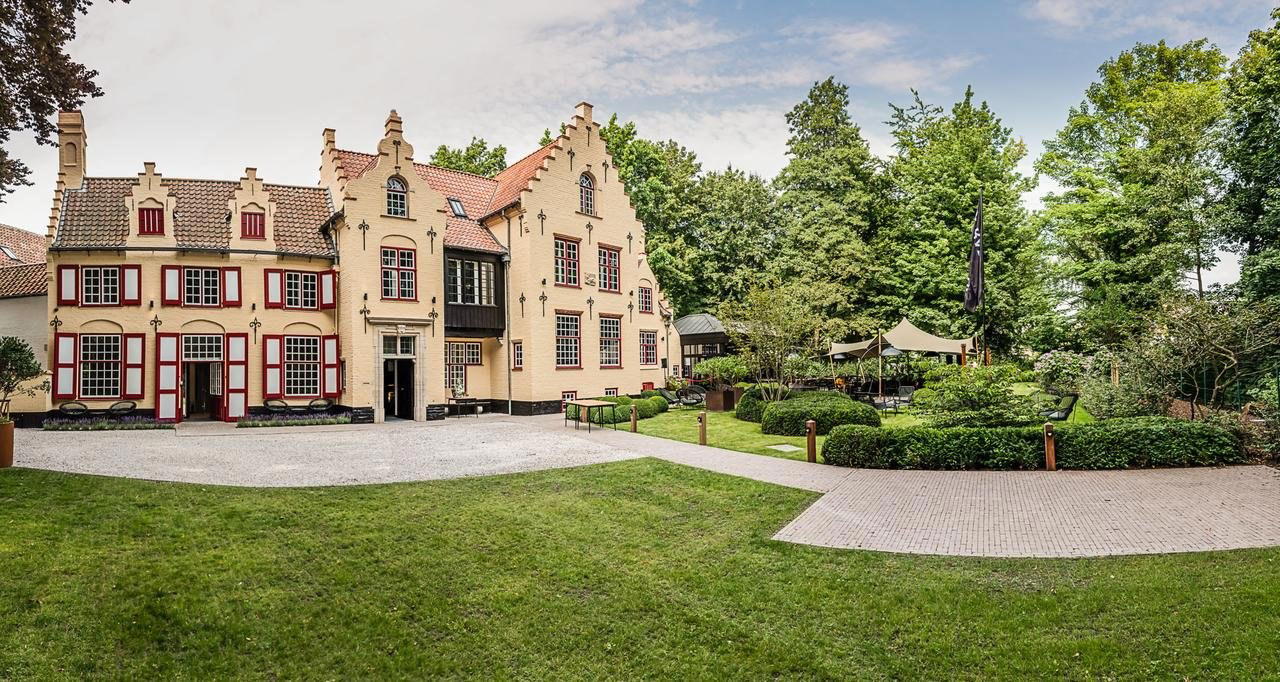
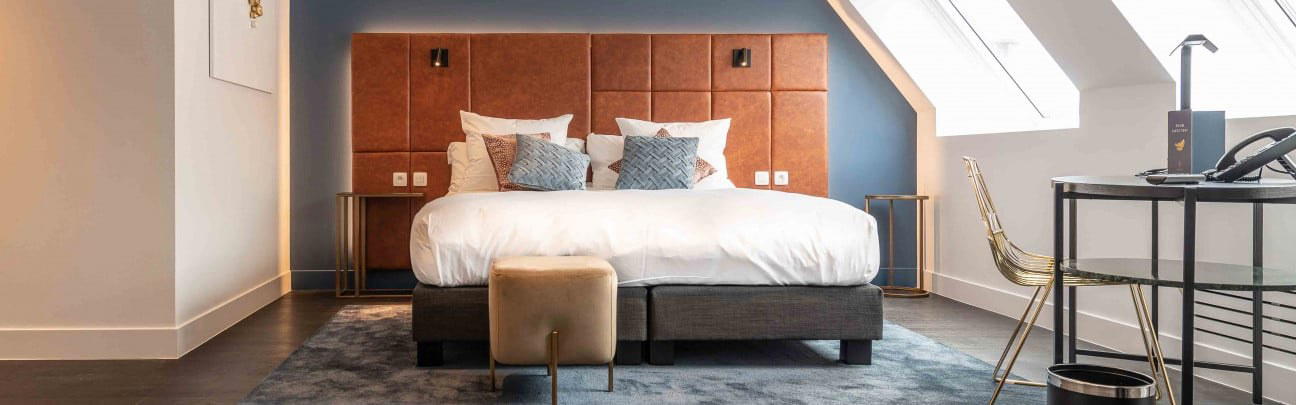
Gezellig (cozy) atmosphere with neat and comfortable interior and south-facing summer terrace.