De Roeschaert
Bekegemse eendenlever with caramel pineapple
- Address
- Kerkhofstraat 12, 8377 Zuienkerke, Belgium
- Phone
- +3250319563
- Website
- deroeschaert.be
- Directions
- Get directions
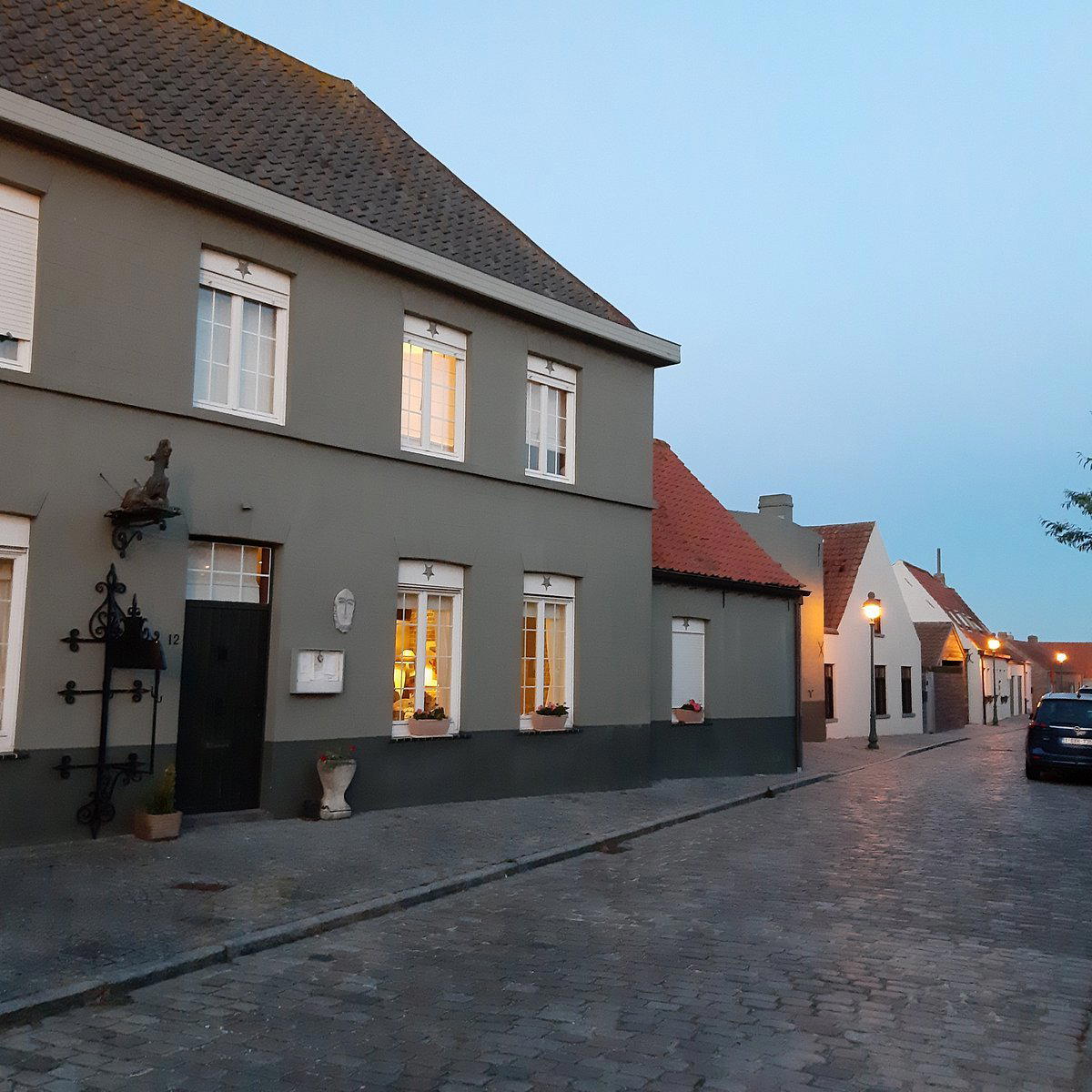
Where the West Flemish Polder Meets the Table
De Roeschaert is a restaurant in Zuienkerke, Belgium, with a price tier of about $80 per person. Flat polder farmland extends in every direction, the horizon uninterrupted by anything taller than a church spire or a stand of poplars. This is agricultural Belgium at its most elemental: a working landscape where the sea is close enough to salt the air and the soil is rich enough to have fed the coastal towns of West Flanders for centuries. Kerkhofstraat 12 sits in the middle of it, and the physical environment outside the door is not incidental to what happens inside. It is the argument.
Rural Flemish dining has its own gravitational logic. Unlike the concentrated fine-dining ecosystems of Ghent or Bruges, where kitchens operate within a few kilometres of each other and the same press circuit covers them all, a restaurant in a village of roughly a thousand people draws its authority from a different source. The surroundings are the credential. Proximity to farms, waterways, and seasonal supply chains that urban kitchens must work harder to access becomes the editorial through-line on every plate.
The Ingredient Argument in West Flanders
Belgium's most discussed restaurants of the past decade have largely shared one preoccupation: closing the distance between source and plate. The conversation runs through the modern Flemish kitchens of Boury in Roeselare and Vrijmoed in Gent, and it runs, more quietly, through the polder villages of West Flanders. In both cases, the underlying premise is that Belgian terroir is underutilised and that the country's culinary identity is not exhausted by classical technique alone.
What differs in a rural setting like Zuienkerke is the absence of mediation. The supply chain that a city kitchen must construct through relationships, intermediaries, and logistics is compressed here by geography. The coast is reachable in minutes; the farms that ring the village are not metaphorical references on a menu but physical neighbours. This compresses seasonality into something more immediate than a quarterly menu change. It makes the argument for ingredient-led cooking in a more literal way than most urban kitchens can manage, however committed they are to the same philosophy.
Comparable coastal and polder-adjacent restaurants operating in this tradition across the Low Countries have tended to find that the strongest differentiator is not technique alone but timing: when an ingredient is used relative to its peak, and whether the kitchen's structure is flexible enough to respond. The kitchens at Willem Hiele in Oudenburg and De Jonkman in Sint-Kruis have each built reputations partly on that responsiveness, placing them in a peer tier defined less by formal award counts than by the specificity and honesty of what reaches the table.
Positioning in the Belgian Fine-Dining Conversation
Belgium's formal fine-dining tier is well-documented: Hof van Cleve - Floris Van Der Veken in Kruishoutem and Zilte in Antwerp operate at the highest recognised level, while a dense mid-tier of creative Flemish and French-Belgian kitchens, including La Durée in Izegem and Bozar Restaurant in Brussels, competes on a more accessible price point without sacrificing ambition. Village restaurants outside these circuits occupy a third position: lower visibility in the national press, but often a more direct relationship with their supply chain and a clearer sense of what they are actually cooking and why.
De Roeschaert's address in Zuienkerke places it in that third tier by geography, which is not a limitation but a point of differentiation. A diner arriving from Bruges (approximately fifteen kilometres to the southeast) or from the coast is not choosing a country restaurant because they cannot reach a city kitchen. They are making a specific choice about what kind of meal they want, and what kind of connection between place and plate they find more convincing.
For international reference points, this positioning echoes the community-embedded, produce-first approach seen at Lazy Bear in San Francisco and, in the European context, at restaurants like Le Bernardin in New York City which built their authority on a singular, unwavering ingredient commitment rather than menu range. The strongest rural Flemish tables work the same way: depth over breadth, clarity over ambition for its own sake.
The Wider West Flanders Table
Zuienkerke does not operate in isolation from the broader regional dining conversation. West Flanders has a distinct culinary identity: grey shrimp from the coast, chicory from the polders, beef from the inland farms, early-season vegetables from the rich clay soils. These are not niche specialties but staple ingredients that have fed the region for generations and that appear, in various forms, in kitchens from village bistros to Michelin-recognised tables. Understanding how a kitchen in Zuienkerke uses these materials, and what it adds or withholds, is a more useful frame than any headline award count.
The comparison set for a restaurant like De Roeschaert is not the Ghent or Antwerp fine-dining scene but a smaller group of destination-worthy rural and coastal kitchens across the Flemish interior, including Castor in Beveren and Ralf Berendsen in Neerharen. These kitchens are visited with intention rather than discovered by chance, and they reward the planning involved with a kind of focus that a busier urban environment rarely permits.
Planning Your Visit
Zuienkerke is most naturally approached by car: the village sits between Bruges and the North Sea coast, roughly equidistant from Blankenberge and the historic centre of Bruges, making it a practical detour on any West Flanders itinerary. Given the village's scale and the likely demand at a restaurant of this type, reservation is recommended. Arriving with some awareness of the season matters here more than at most urban venues, because the supply chain geography means the menu reflects local availability in a direct and unhidden way. Those also exploring the broader Belgian table should consider the contrast offered by Le Chalet de la Forêt in Uccle, La Table de Maxime in Our, d'Eugénie à Emilie in Baudour, Cuchara in Lommel, and La Paix in Anderlecht, each of which represents a distinct approach to Belgian cooking at a serious level.
Fast Comparison
Comparable venues nearby, for context on price, style, and recognition.
| Venue | Cuisine | Price | Notes |
|---|---|---|---|
| De RoeschaertThis venue — the venue you are viewing | French-Belgian Fine Dining | $$$ | Not listed |
| Belle de jour | Modern French-Belgian Seafood | $$$ | centre |
| La Sapinière | French-Belgian Bistro with BBQ | $$$ | Knokke-Zoute |
| Kasteel van Laarne | Classic French Fine Dining | $$$ | Laarne |
| Balance | Refined French with Global Influences | $$$ | Waasmunster |
| Cabo | Modern French-Belgian Brasserie | $$$ | Marina |
Continue exploring
More in Zuienkerke
Restaurants in Zuienkerke
Browse all →
Bars in Zuienkerke
Browse all →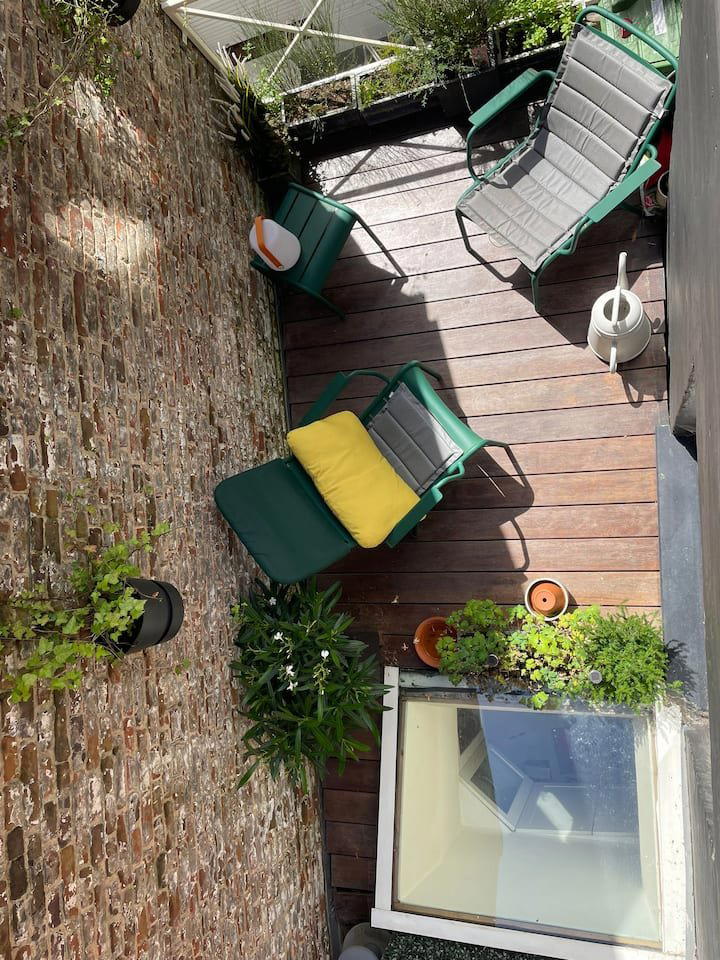
Hotels in Zuienkerke
Browse all →
Wineries in Zuienkerke
Browse all →
At a Glance
- Cozy
- Rustic
- Elegant
- Intimate
- Date Night
- Special Occasion
- Garden
- Sommelier Led
- Local Sourcing
- Garden
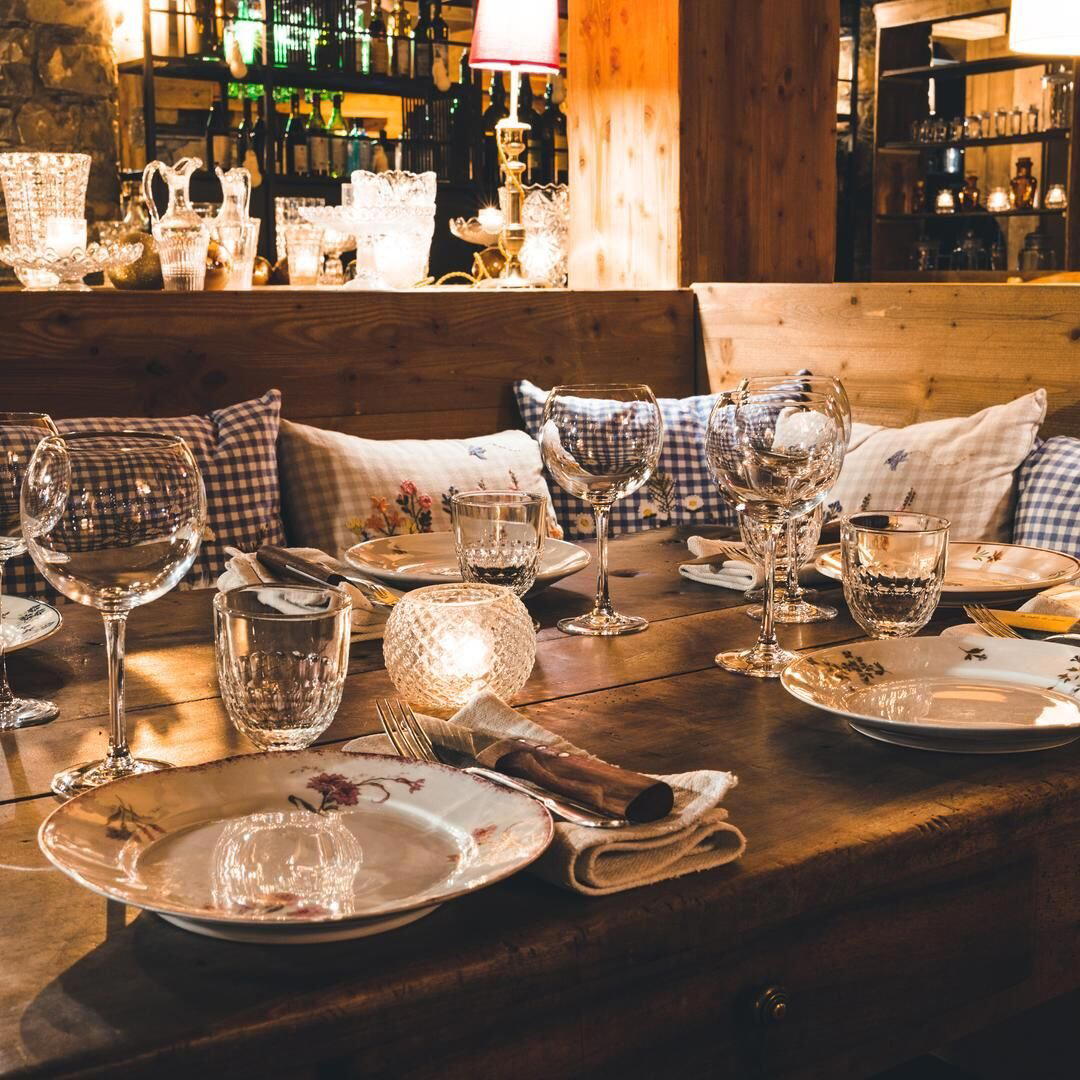
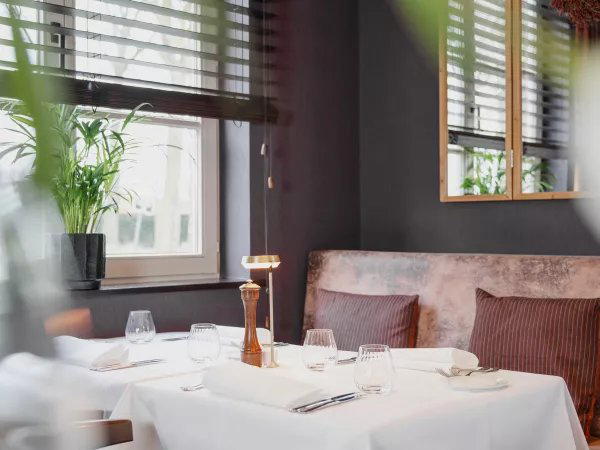
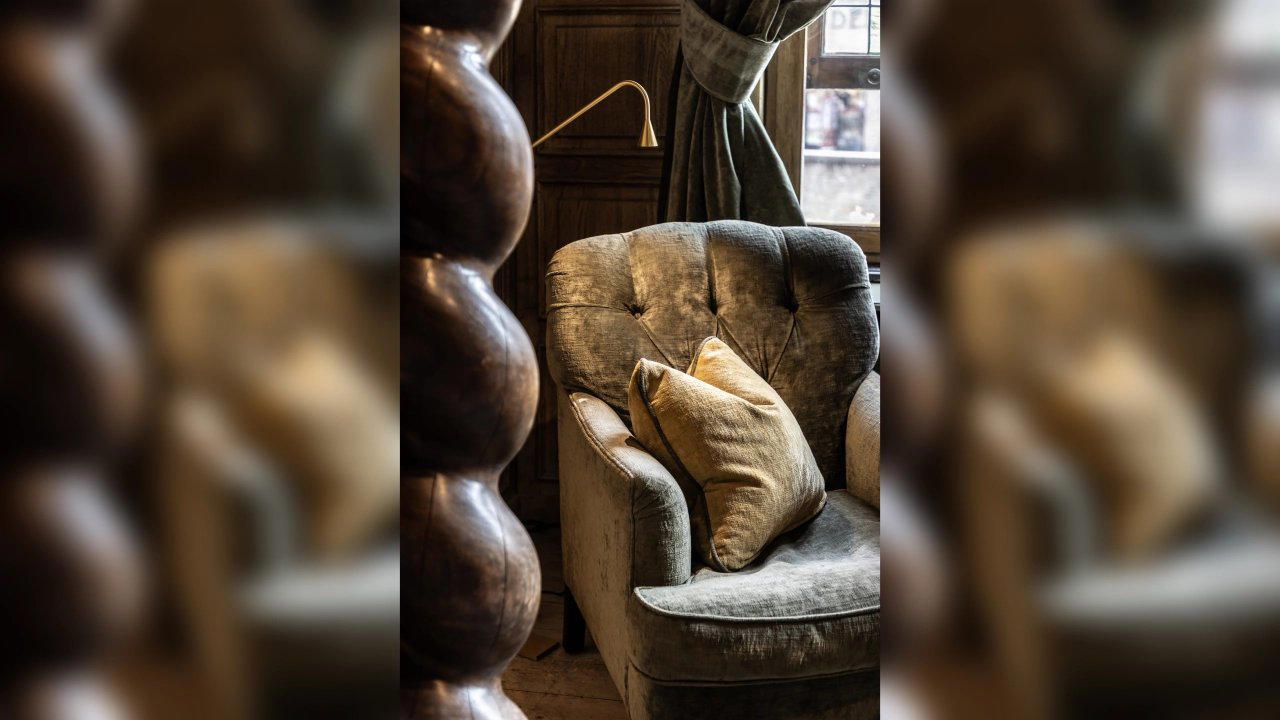
Cozy and relaxing atmosphere in a rustic old home setting with garden views, warm lighting, and personal service.