De Bietemolen
De Bietemolen sits in Lichtervelde, a small West Flemish agricultural town where the sugar beet farming heritage has shaped the area's food identity for generations. The restaurant occupies destination-dining territory in a region defined by land-based produce, classically Flemish technique, and kitchens that reward the drive from Bruges or Roeselare. Detailed menu and booking information is best confirmed directly with the venue.
Pearl is the En Primeur Club membership app — saves, bookings, and concierge access live there. Same editors, same standards.
- Address
- Hogelaanstraat 3, 8810 Lichtervelde, Belgium
- Phone
- +3250213834
- Website
- debietemolen.be
 Saves & bookings on Pearl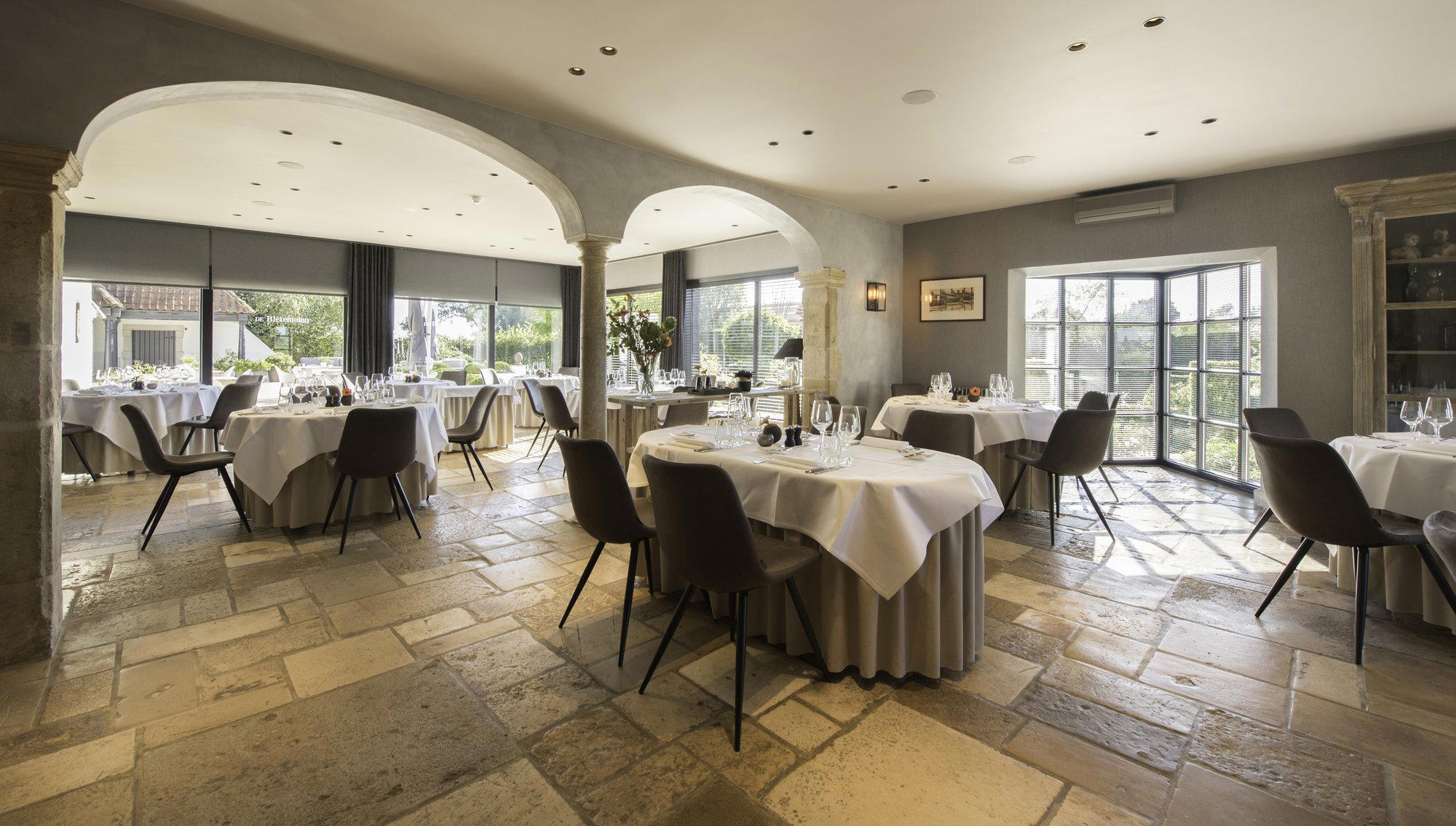
West Flanders, Field to Table
The West Flemish countryside around Lichtervelde sits in one of Belgium's most productive agricultural zones, where the flat polderland and heavier clay soils north of the Leie river have sustained small-scale farming, chicory cultivation, and mixed husbandry for centuries. Restaurants in this corridor have long drawn on that proximity, and the tradition of sourcing close to the kitchen is less a marketing position here than a structural reality: the supply chain is short because the geography makes it short. De Bietemolen, a Belgian-French Bistro in Lichtervelde, operates inside that tradition. The address places it away from the urban restaurant density of Roeselare or Bruges, which means the venue's appeal is built on destination logic rather than foot traffic.
Lichtervelde itself is a town where the agricultural calendar is still legible in daily life. The rhythm of the surrounding farmland, root vegetables, soft fruit, poultry, and dairy, shapes what kitchens in the area can put on a plate at any given week of the year. That seasonal constraint is not a limitation so much as a discipline, one that the stronger kitchens in West Flanders have turned into a creative framework. The region's produce identity is distinct from the coastal seafood focus you find further west toward Oostende, and from the more cosmopolitan sourcing patterns of Ghent or Antwerp. Here, land-based ingredients and classically Flemish preparations form the baseline. See how Boury in Roeselare handles that same regional produce base at the three-Michelin-star level for a point of comparison.
Where De Bietemolen Sits in the Lichtervelde Scene
Lichtervelde does not have a deep restaurant scene in the way that Bruges or Ghent do. That thinness cuts both ways: there is less competition, but also a higher bar for why a destination diner would make the trip. Venues that work in this kind of town tend to build loyalty through consistency, through a clear relationship with the surrounding area, and through a format that rewards the drive. The wider West Flemish dining circuit includes a cluster of serious kitchens: De Jonkman in Sint-Kruis and Willem Hiele in Oudenburg both demonstrate what committed, produce-led cooking can do in smaller Flemish towns. De Bietemolen belongs to the same geographic and philosophical territory, even if its profile sits at a different tier. Our full Lichtervelde restaurants guide maps the town's options in more detail, including POER, which operates in the same postcode.
Ingredient Sourcing and the West Flemish Model
Belgian fine dining has spent the past decade consolidating around a regional sourcing identity that parallels what happened in Nordic cooking a generation earlier, though with a distinctly Flemish texture: richer sauces, more generous portion architecture, and a continued engagement with classical French technique. Kitchens in the Bruges-Roeselare-Kortrijk triangle have access to some of Belgium's most consistent produce, including potatoes and beet varieties grown in heavy Flemish soil, game from the Ardennes and local estates during autumn, and dairy from farms that supply much of the country's restaurant sector. The bietemolen of the name, meaning sugar beet mill, gestures at the deep agricultural roots of the area. Sugar beet cultivation defined West Flemish farming economics for much of the twentieth century, and the crop remains part of the regional identity even as the processing infrastructure has contracted. A restaurant name drawn from that history signals an orientation toward local rootedness rather than cosmopolitan abstraction.
For a sense of how ingredient sourcing at the ambitious end of Belgian cooking differs across regions, the contrast between a West Flemish kitchen and something like Zilte in Antwerp or Vrijmoed in Gent is instructive. Urban Flemish kitchens tend to operate with wider sourcing radius and more ingredient diversity; rural kitchens are more constrained and often more seasonally reactive as a result. Neither model is superior, but they produce meaningfully different plates. Hof van Cleve in Kruishoutem represents the ceiling of what rural West Flanders-adjacent sourcing can achieve at the three-star level.
The Dining Environment
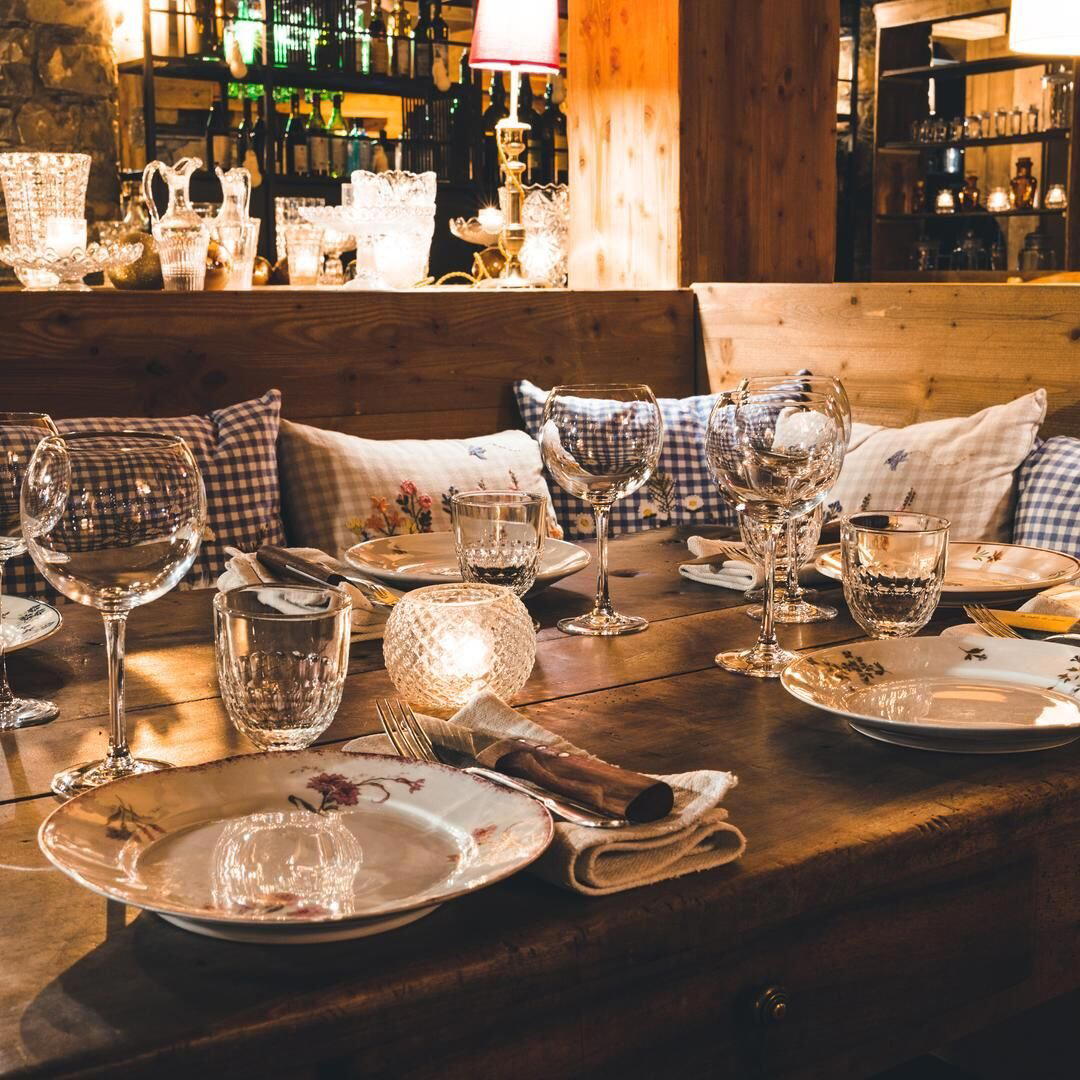
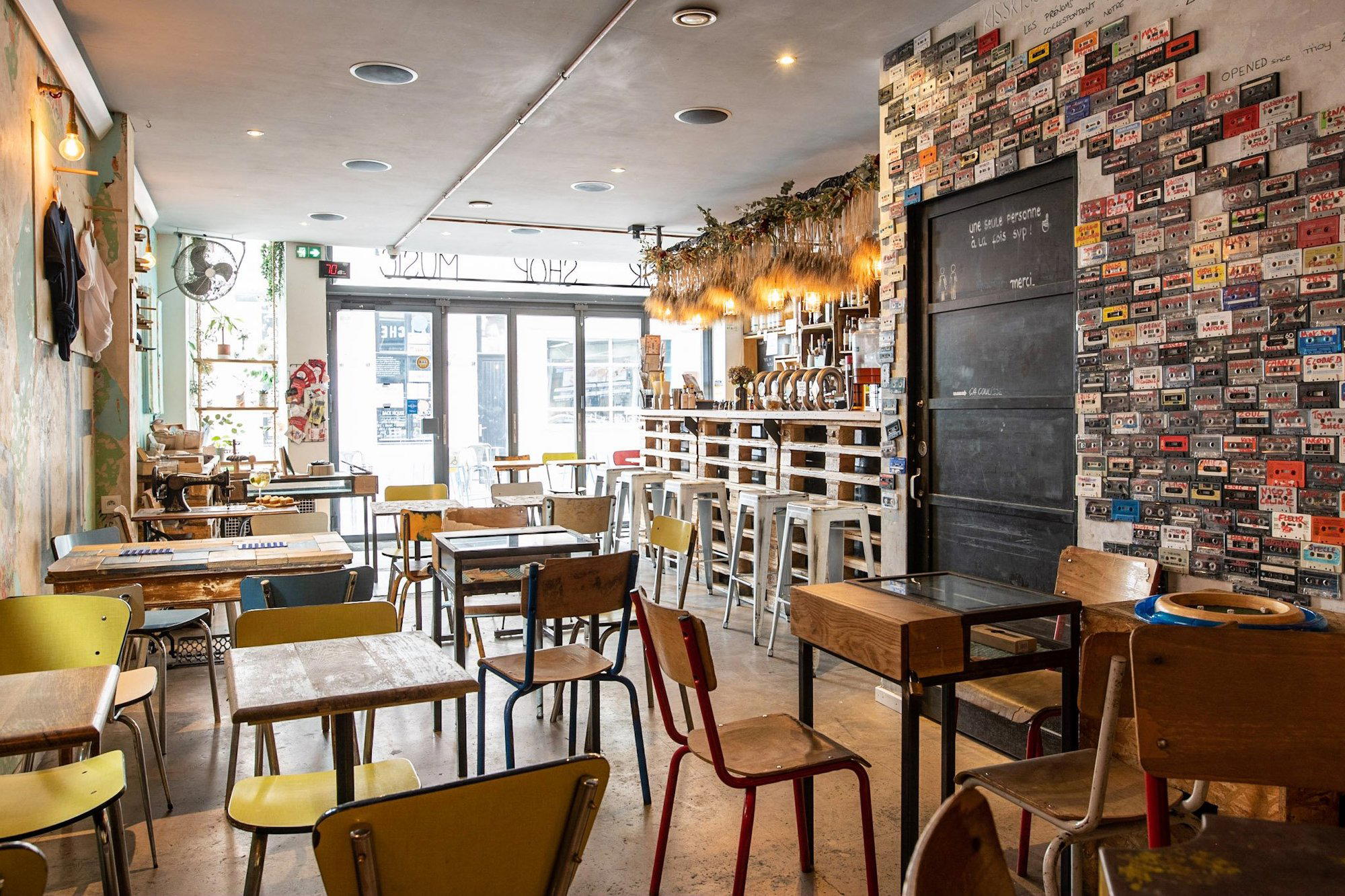
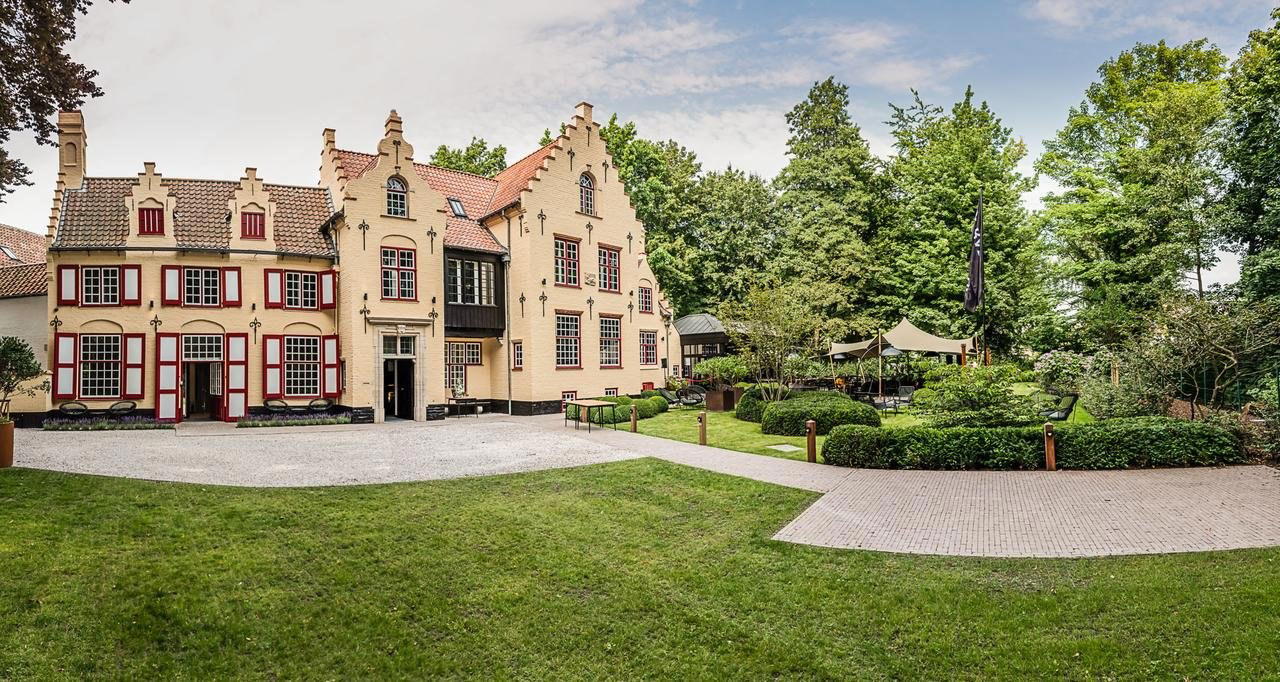
Rural Flemish restaurants in historic buildings carry a particular atmospheric register: stone or brick interiors, low-lit rooms, the feeling of deep insulation from the outside world. Whether De Bietemolen's space delivers on that register is something a visit confirms. What the address and name suggest is a building with agricultural history, converted or adapted for hospitality rather than purpose-built. That type of conversion is common in the region and tends to produce dining rooms with more character than equivalent urban constructions, at the cost of occasionally impractical layouts. The leading Belgian comparisons for atmosphere of that kind would be kitchens like Le Chalet de la Forêt in Uccle or La Durée in Izegem, where the physical setting does substantial work in establishing the tone before a dish arrives.
Internationally, the model of a rural destination restaurant drawing on deeply local produce is well-established: Lazy Bear in San Francisco and Le Bernardin in New York City represent opposite ends of the sourcing and format spectrum, but both demonstrate how clearly a kitchen's ingredient philosophy can define its identity and audience. De Bietemolen's position in a small Flemish agricultural town places it in a specific and coherent tradition, even if its exact format and menu remain unconfirmed.
Planning Your Visit
Lichtervelde sits between Roeselare and Torhout, roughly 15 kilometres from each, and is accessible by train on the Bruges-Kortrijk line with a station in town. For diners travelling from Bruges, the drive is under 30 minutes; from Ghent, approximately 50 minutes. Given the town's size, the restaurant operates as a destination rather than a walk-in option for most visitors, and advance contact directly with the venue is the practical approach before making the journey. De Bietemolen is recommended for reservations, and its hours are Wednesday through Saturday from 12 to 11 PM and Sunday from 12 to 5 PM.
In Context: Similar Options
Comparable venues nearby, for context on price, style, and recognition.
| Venue | Cuisine | Price | Awards | Notes |
|---|---|---|---|---|
| De BietemolenThis venue — the venue you are viewing | Belgian-French Bistro | $$ | , | |
| POER | French-Belgian Seasonal Bistro | $$$ | , | Lichtervelde |
| The Phlox | French-Belgian Brasserie | $$ | , | Brakel |
| d'Hofstee | Belgian-French Grillhouse | $$ | , | countryside |
| Marlou | French-Belgian Brasserie | $$ | , | Oosterzele |
| Soif de Faim | Seasonal French Bistro | $$ | , | Saint-Gilles |
Continue exploring
More in Lichtervelde
Restaurants in Lichtervelde
Browse all →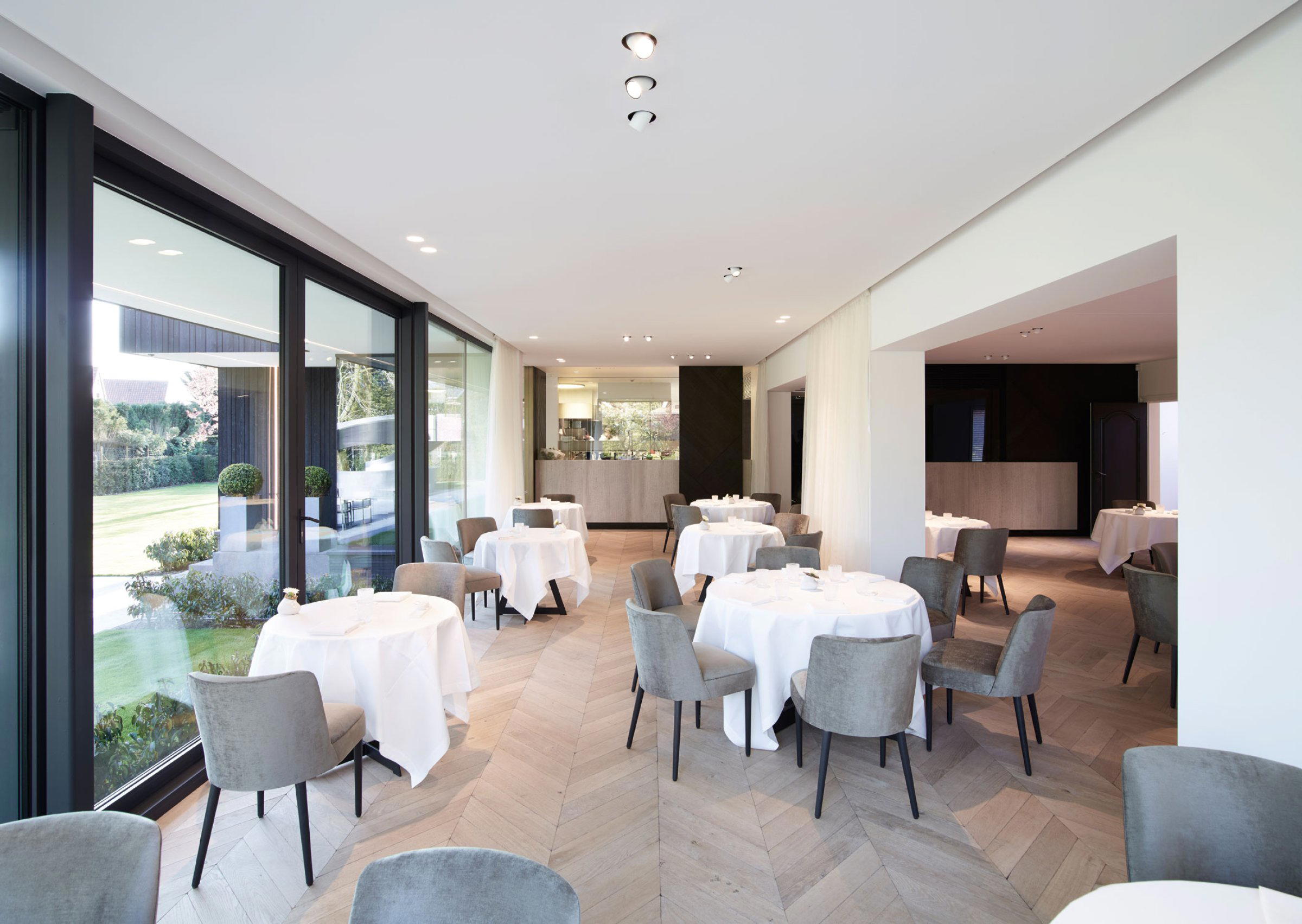
Bars in Lichtervelde
Browse all →

At a Glance
- Cozy
- Elegant
- Rustic
- Date Night
- Special Occasion
- Terrace
- Garden
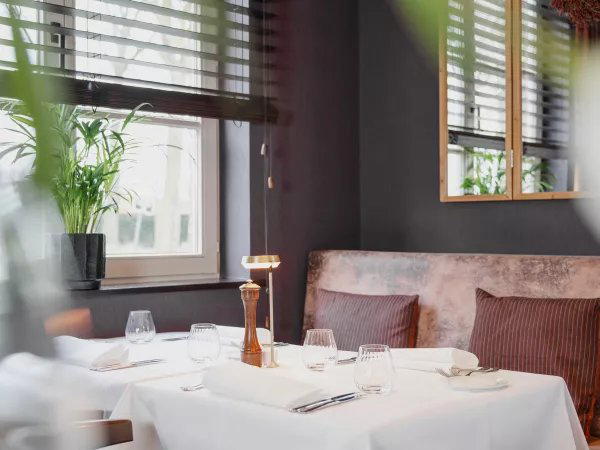
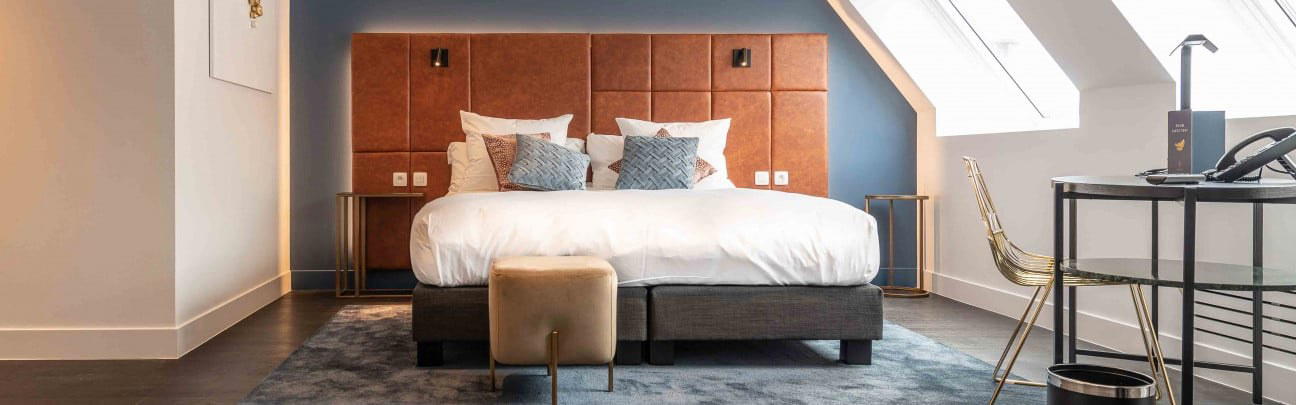
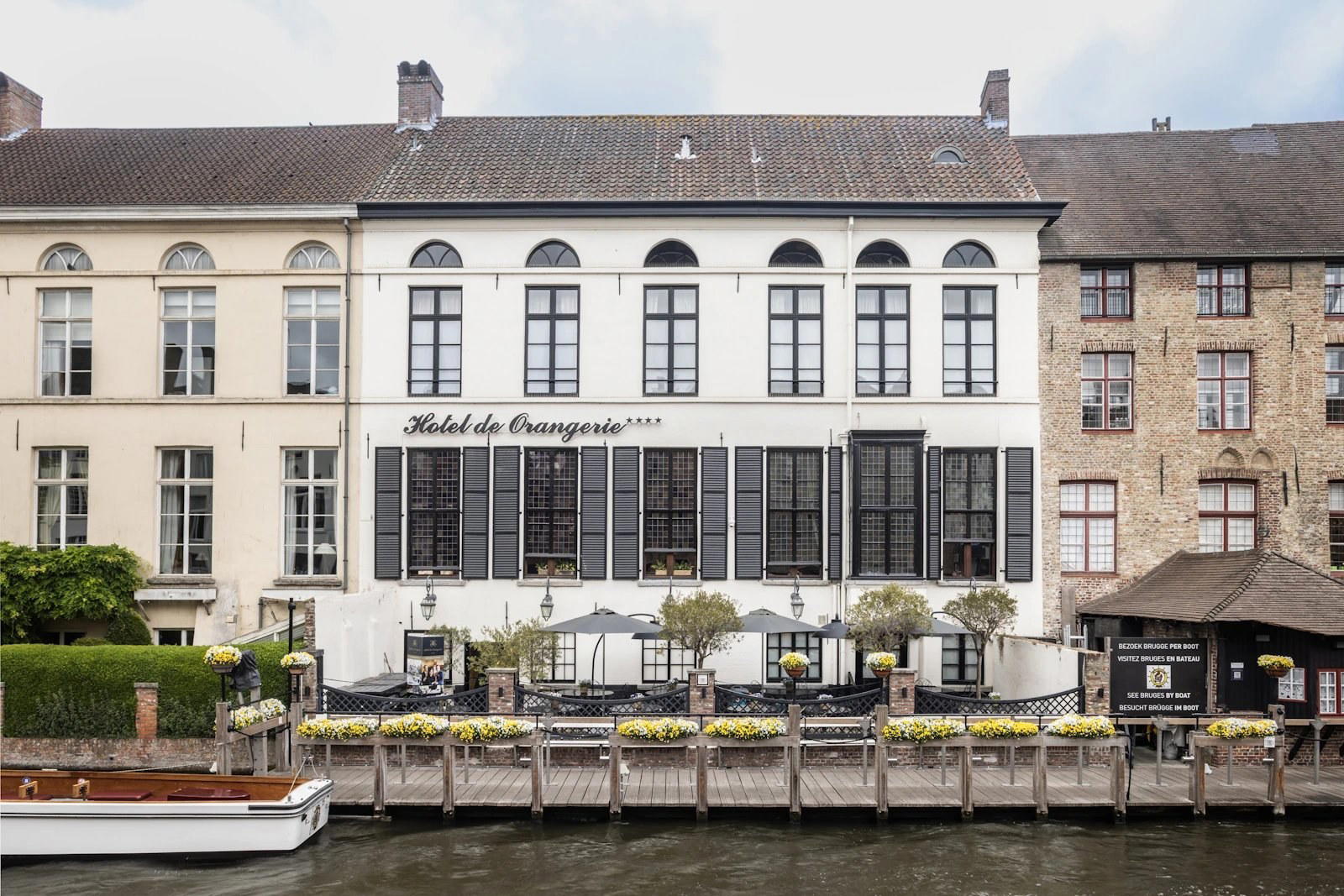
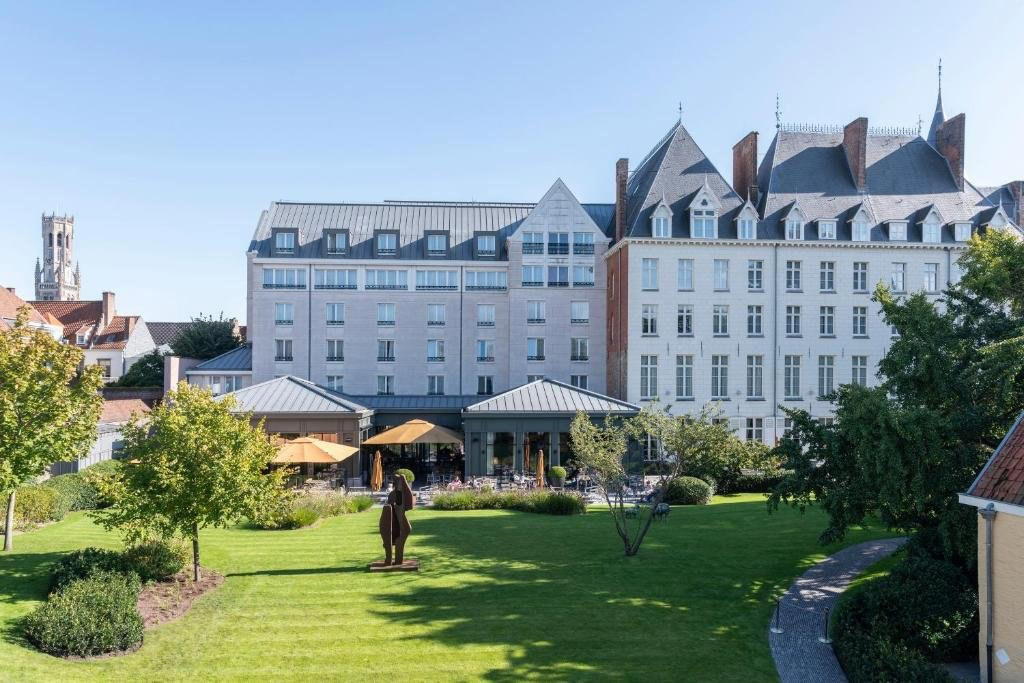
Beautifully appointed interior with warm lighting and a spacious terrace for summer dining.