

1 Michelin Star · Falstaff Restaurant - 94 Falstaff Points
Our verdict
Wielandshöhe has held a Michelin star continuously through 2024 and 2025 under chef Vincent Klink, positioning it among Stuttgart's most enduring addresses for classic French cuisine. Situated on Alte Weinsteige in the city's southern hills, the restaurant draws a loyal, returning clientele and holds.

Pearl is the En Primeur Club membership app — saves, bookings, and concierge access live there. Same editors, same standards.
- Address
- Alte Weinsteige 71, 70597 Stuttgart, Germany
- Phone
- +49 711 6408848
- Hours
- Mon–Tue ClosedWed–Sat 12–3:30 PM, 6–11:30 PMSun Closed
- Website
- wielandshoehe.de
- Directions
- Get directions
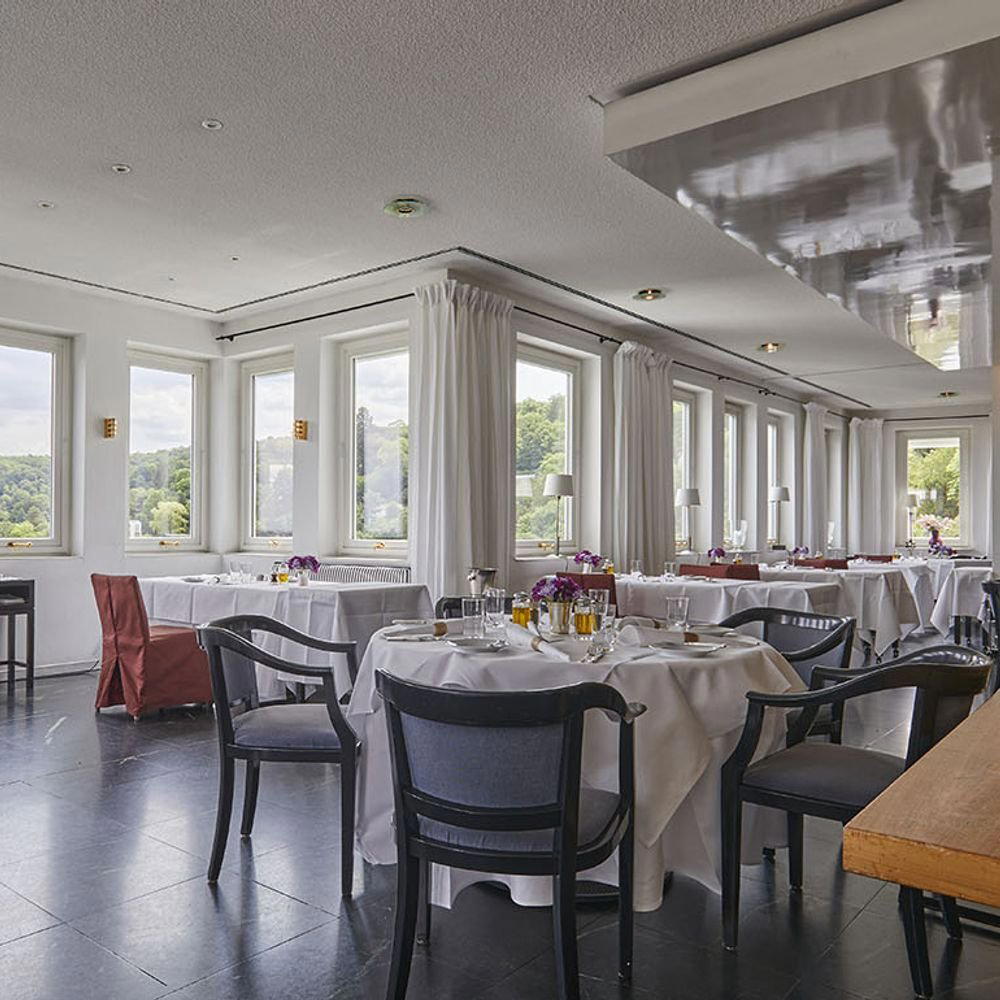
Stuttgart's Hillside and the Case for Classic French
Stuttgart's restaurant scene has pulled in two directions over the past decade. The city's newer prestige addresses — Speisemeisterei and 5, both in the €€€€ bracket — have staked their reputations on contemporary and modern cuisine formats. A separate tier of creative addresses, including Der Zauberlehrling and Délice, occupies the middle ground where French technique meets current sensibility. Wielandshöhe, at €€€ and with a Michelin star held across both 2024 and 2025, sits in a different position entirely: it represents the case for classic French cooking in a city that has largely moved toward reinvention.
That position is neither nostalgic nor reactionary. In the broader German fine-dining context, sustained Michelin recognition for classic French cuisine signals a deliberate editorial stance by the Guide's inspectors, the food is being assessed against an exacting international benchmark, not graded on local terms. Wielandshöhe has met that benchmark two consecutive years running, which, given the Guide's increasing appetite for novelty, is a considered outcome rather than a default one.
Approaching Alte Weinsteige
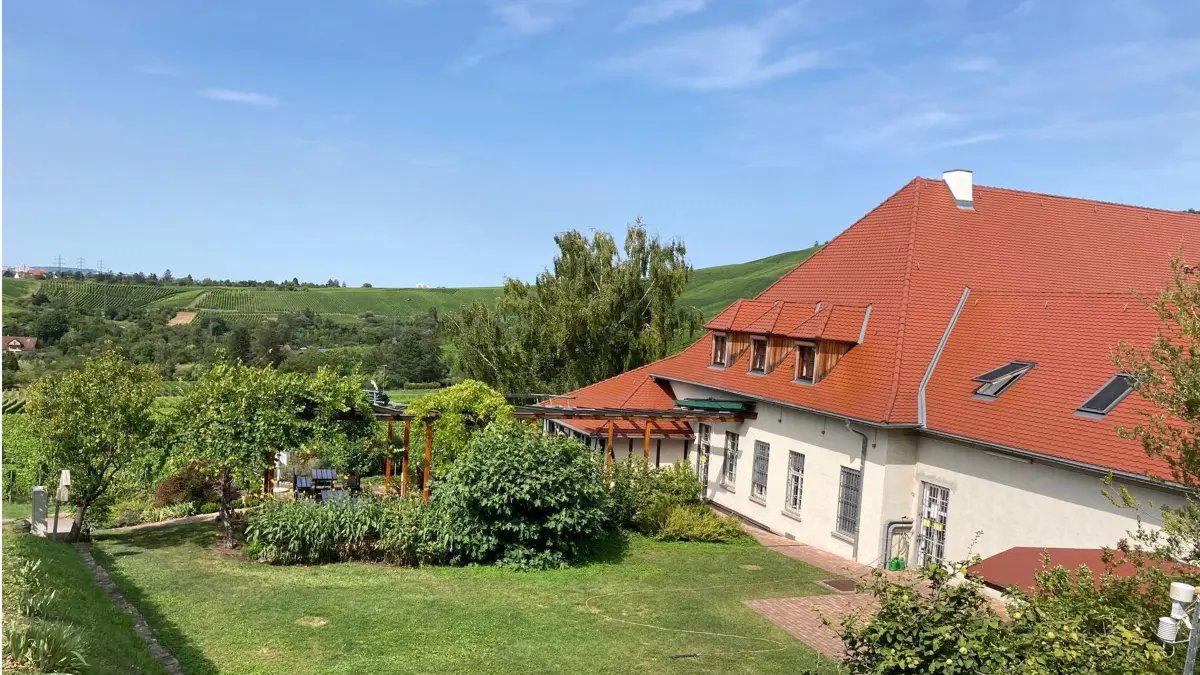
The address itself carries meaning in Stuttgart. Alte Weinsteige is one of the city's historic wine roads, climbing south through the Degerloch neighbourhood toward the forested rim that frames Stuttgart's famously bowl-shaped topography. The road runs through vineyards that supplied wine to the city for centuries, and restaurants along it have historically attracted a clientele that values the remove from the urban centre, the sense of arriving somewhere rather than merely finding somewhere. Wielandshöhe sits at number 71 on this road, and the physical approach, uphill through greenery, establishes the register before you've seen a menu.
This is not an accident of real estate. Classic French restaurants in Germany have long gravitated toward refined or suburban positions: venues where the room, the view, and the pace of arrival are part of the contract with the guest. Compare this to the format logic of Schwarzwaldstube in Baiersbronn, another Michelin-recognised address operating within the French classical tradition in the German southwest, where destination dining and natural surroundings are inseparable from the proposition.
The Michelin Signal and What It Implies
Consecutive Michelin stars, 2024 and 2025, are the clearest available trust signal for Wielandshöhe, and worth examining precisely. The one-star designation in the Michelin system denotes high-quality cooking worth a stop on your route, not merely worth visiting in passing. For a restaurant in the classic French register, holding that designation across multiple cycles means the kitchen is delivering on the Guide's criteria for technical precision, ingredient quality, and consistency. Inspectors return; the star does not carry over automatically.
Chef Vincent Klink is the name attached to Wielandshöhe, and within the German culinary record he is among the more recognisable figures associated with Franco-German classical cooking in Stuttgart. His presence at the restaurant over an extended period gives the address a continuity that many ambitious restaurants at the €€€ tier lack. In a category where kitchen transitions routinely destabilise Michelin status, that continuity is operationally significant.
A rating maintained across that volume of responses reflects broad-based satisfaction, the kind that comes from consistent execution rather than occasional peaks. For comparison, many Michelin-starred restaurants in German cities accumulate far fewer public reviews, suggesting either a more specialist audience or a lower operational throughput.
Classic French in a German Fine-Dining Context
The classic French idiom, sauces built from long reductions, proteins treated with technical discipline, classical structure from amuse through to dessert, occupies an interesting position in contemporary German fine dining. The country's Michelin cohort has diversified considerably: CODA Dessert Dining in Berlin inverts the meal structure entirely; JAN in Munich operates in a modern European register; ES:SENZ in Grassau pushes toward avant-garde territory. Against that range, a kitchen anchored in French classical technique is not playing it safe, it is making a more demanding argument, because the reference points are absolute and well-documented.
Waterside Inn in Bray and Cheval Blanc by Peter Knogl in Basel represent the tradition at higher star counts, where classical French cooking is the explicit programme. Wielandshöhe operates in the same register at the one-star tier, where the technical demands are comparable even if the ceremony is less elaborate. For diners who find the hyper-conceptual end of German fine dining less compelling, this offers a grounded alternative: a cuisine with clear ancestry, where the kitchen's quality is legible without a lengthy explanation.
Stuttgart's broader dining offer is documented in our full Stuttgart restaurants guide, which maps the city across price tiers and cuisine categories. Wielandshöhe's position at €€€ places it below the city's most expensive fine-dining addresses but above the mid-market. That pricing, combined with Michelin recognition, makes it an accessible entry point to serious French classical cooking in the region, notably less costly than a comparable evening at Vendôme in Bergisch Gladbach or Aqua in Wolfsburg, both operating at higher price and star counts.
Dining Format and Planning
For visitors to Stuttgart, Wielandshöhe sits south of the city centre in Degerloch, accessible by car along Alte Weinsteige or by the Zacke rack railway, which connects the centre to the hillside neighbourhoods and is itself a minor Stuttgart institution. The hillside location means the restaurant functions as a destination in the full sense: an evening here involves commitment to the journey, which is consistent with the format of a classic French restaurant where the meal itself is the occasion.
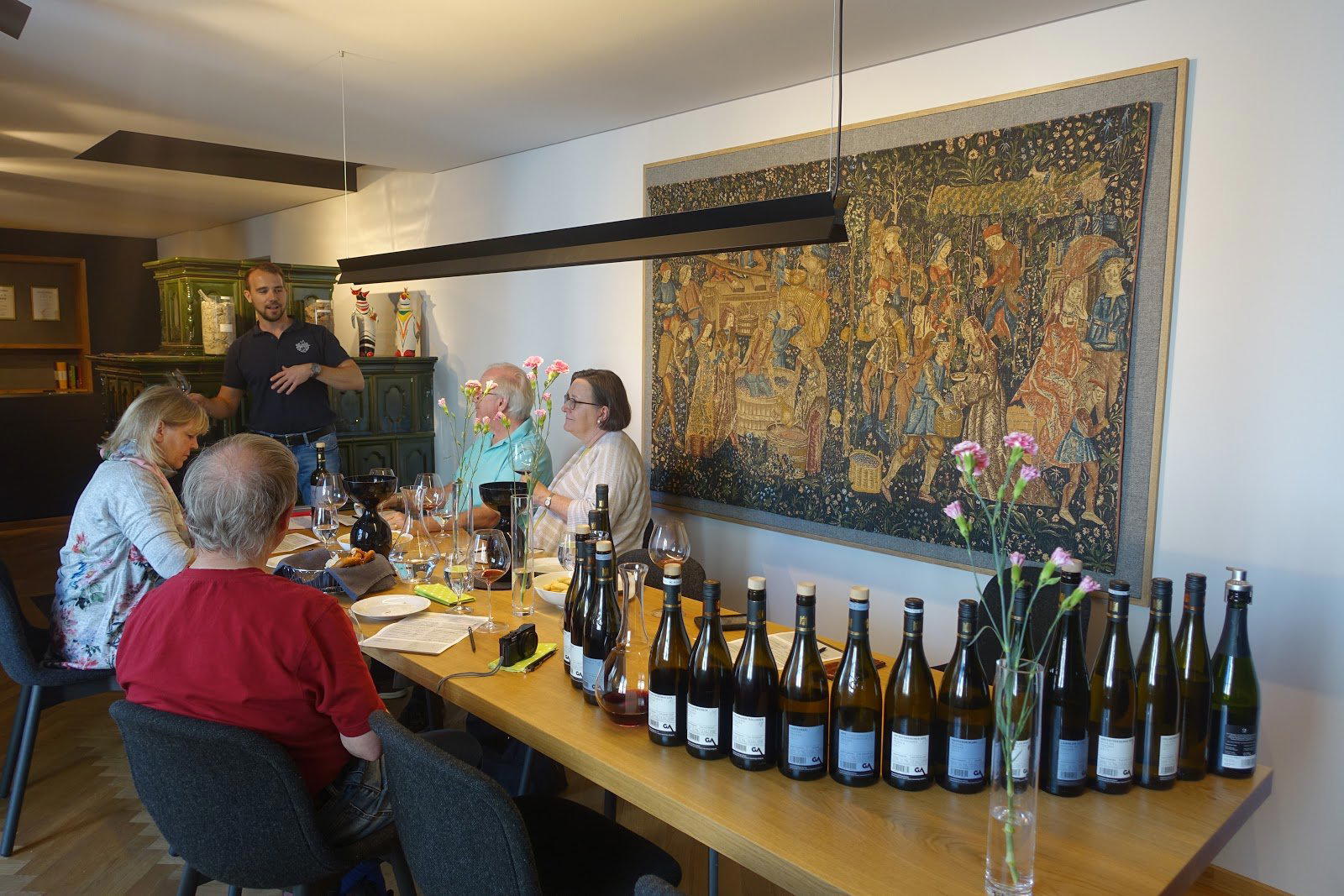
Advance reservations are advisable for any Michelin-starred address operating at this price point. The €€€ designation suggests a per-head spend in the mid-range for serious dining, above casual, below the city's most formal rooms. For those building a Stuttgart itinerary around food, Fässle le Restaurant offers a contrasting register at the approachable end of the city's dining spectrum, while the full picture of Stuttgart's accommodation, bars, and wine culture is covered in our Stuttgart hotels guide, our Stuttgart bars guide, our Stuttgart wineries guide, and our Stuttgart experiences guide. Stuttgart's wine region, the Württemberg, one of Germany's larger red wine producing areas, makes the city a logical destination for those who want serious food and serious local wine in the same trip, and Alte Weinsteige is a physical reminder of that history.
What the Record Says
Wielandshöhe does not require special pleading. In Stuttgart's increasingly varied fine-dining field, where the trend runs toward creative and modern formats, a kitchen holding the classical French line with consistent inspector recognition occupies a specific and defended position. The restaurant earns its place not by departing from what French classical cooking demands, but by continuing to meet it.
Frequently Asked Questions
What dish is Wielandshöhe famous for?
What the restaurant's Michelin recognition across 2024 and 2025 does confirm is consistent execution within the classic French framework: the cuisine anchors itself in French classical technique under chef Vincent Klink, and the sustained award record implies that the kitchen's strengths lie in the fundamentals of that tradition rather than in a single showpiece preparation. For specific current menu details, the restaurant's own reservations team is the appropriate source.
Quick Comparison
| Venue | Cuisine | Price | Awards | Notes |
|---|---|---|---|---|
| WielandshöheThis venue — the venue you are viewing | Classic French Fine Dining with Swabian Influences | Not listed | 1 Michelin Star · Falstaff Restaurant - 94 Falstaff Points | Not listed |
| Speisemeisterei | Modern Creative Fine Dining | $200–300 | 2 Michelin Stars · La Liste Top Restaurants | Creative |
| 5 | Modern Fusion Fine Dining | $150–200 | 1 Michelin Star | Modern Cuisine |
| Der Zauberlehrling | Modern Fusion Fine Dining | $150–200 | 1 Michelin Star | Creative |
| Hupperts | Modern German Fine Dining | $100–150 | 1 Michelin Star | Classic Cuisine |
| ZUR WEINSTEIGE | Modern German-Japanese Fusion | $150–200 | 1 Michelin Star | Seasonal Cuisine |
Recognition history
Dated appearances from independent guides and award organizations, with the underlying list record or original source where available.
Michelin 1 Star
Michelin
Falstaff Restaurant - 94 Falstaff Points
Falstaff
Full recognition history (4 entries)
Michelin 1 Star
Michelin
Michelin 1 Star
Michelin
Continue exploring
More in Stuttgart
Restaurants in Stuttgart
Browse all →
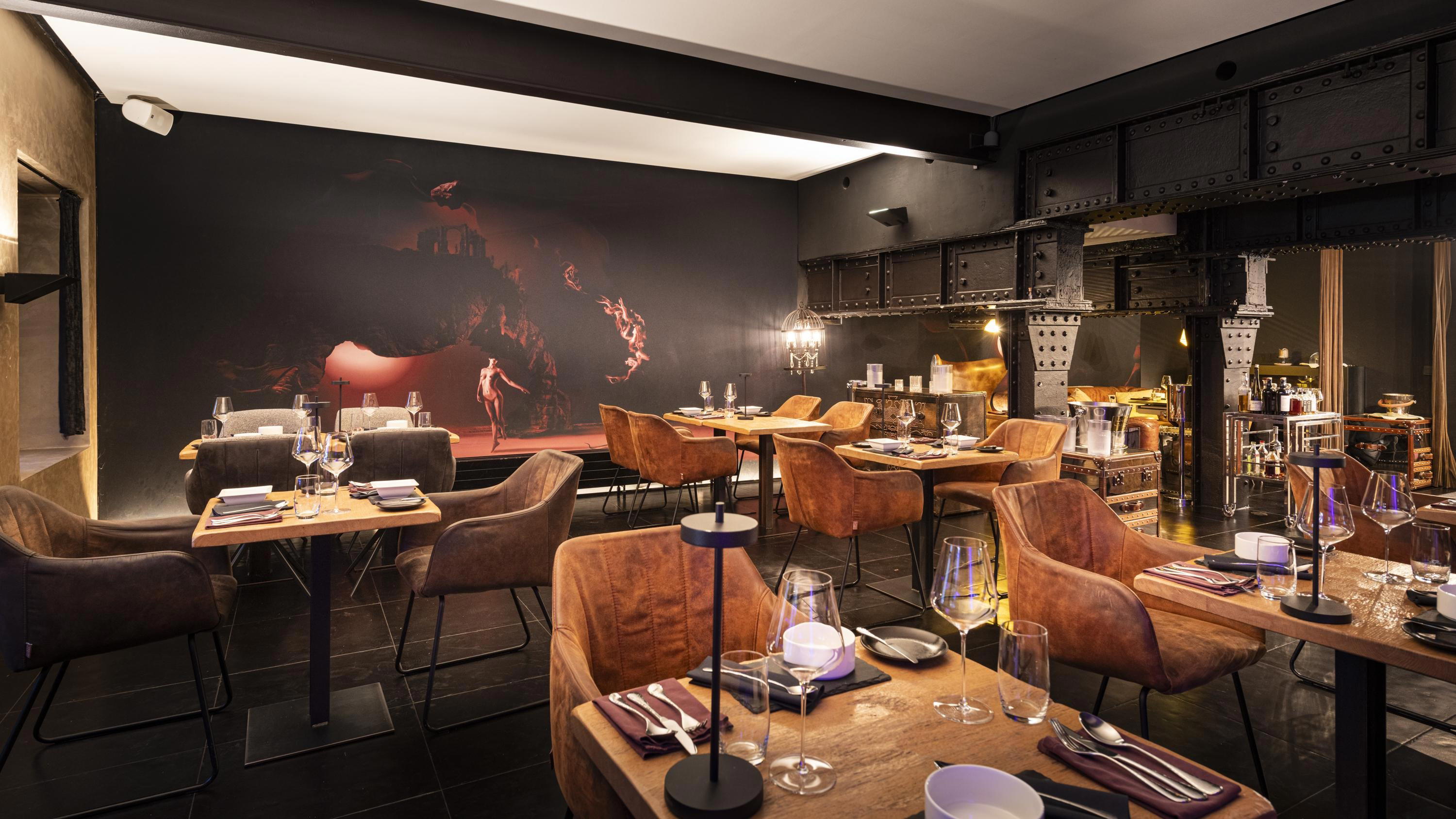
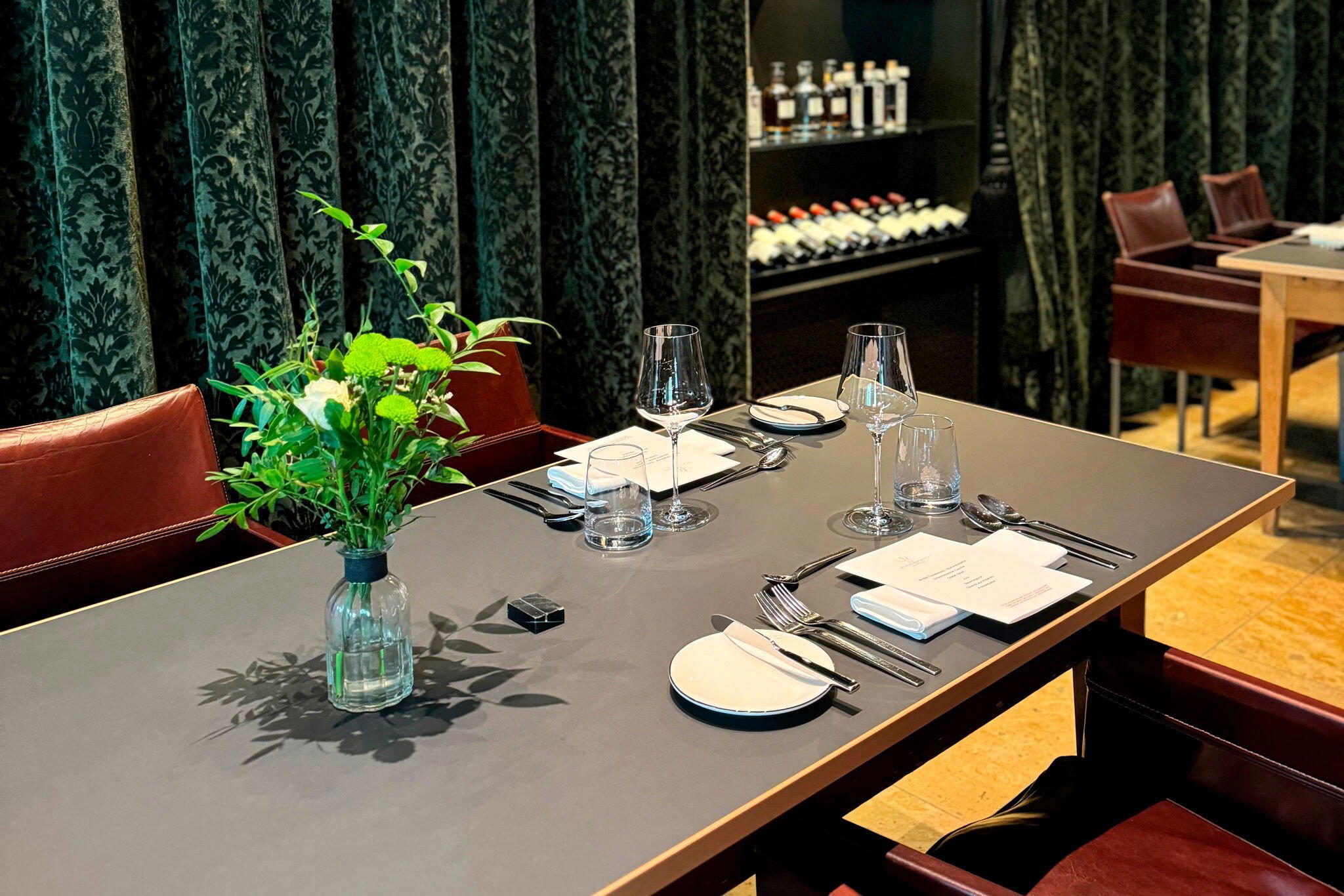
Bars in Stuttgart
Browse all →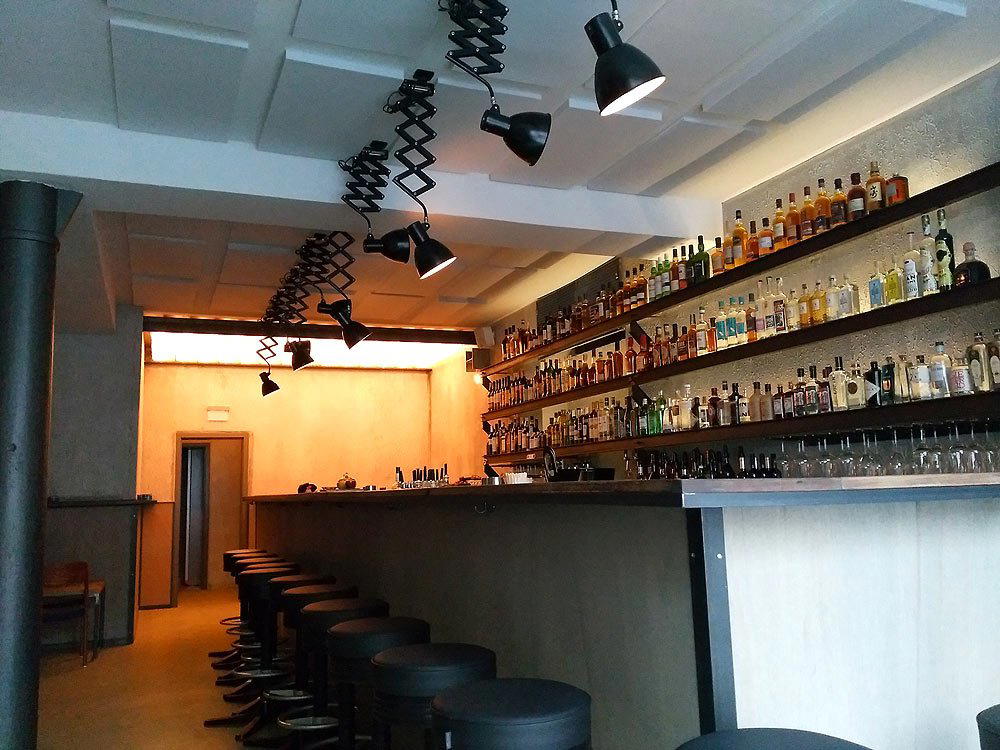
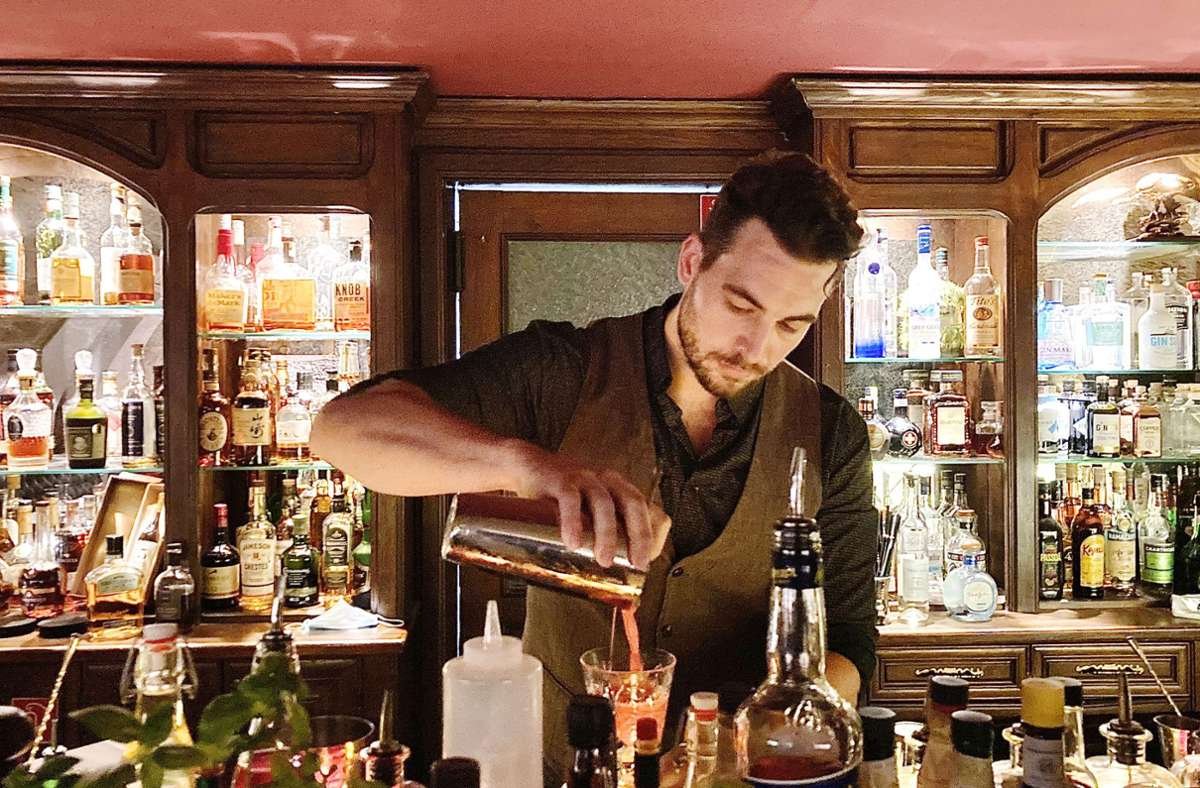
Hotels in Stuttgart
Browse all →

Details
- Elegant
- Classic
- Scenic
- Romantic
- Sophisticated
- Cozy
- Special Occasion
- Date Night
- Business Dinner
- Celebration
- Family
- Panoramic View
- Terrace
- Standalone
- Extensive Wine List
- Local Sourcing
- Organic
- Skyline
- Vineyard
- A La Carte
- Wine
- Vegetarian Friendly
- Organic Focus
Current opening hours
- Monday
- Closed
- Tuesday
- Closed
- Wednesday
- 12–3:30 PM, 6–11:30 PM
- Thursday
- 12–3:30 PM, 6–11:30 PM
- Friday
- 12–3:30 PM, 6–11:30 PM
- Saturday
- 12–3:30 PM, 6–11:30 PM
- Sunday
- Closed
Hours can change for holidays and private events. Last verified .
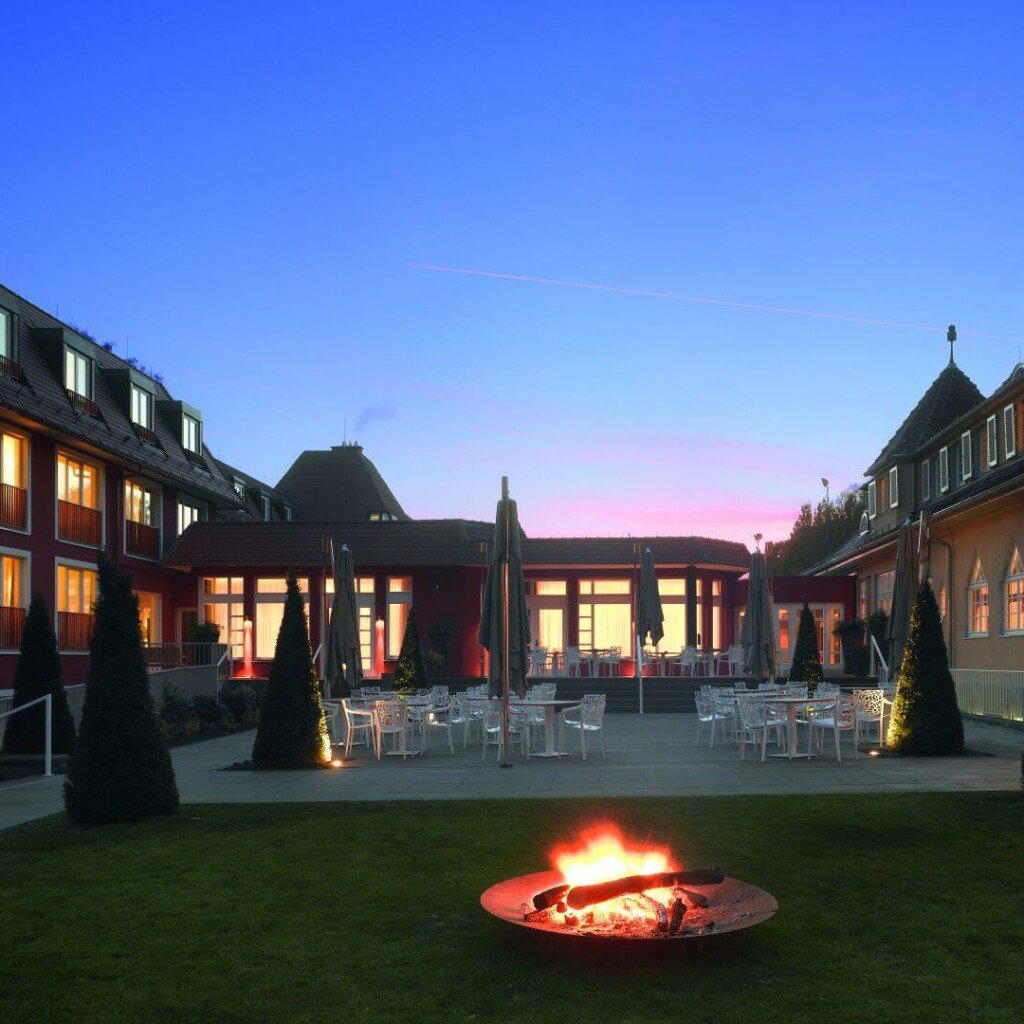
Elegant, upmarket and quiet, with a cozy-romantic fine-dining atmosphere and scenic city views.