Our verdict
On a quiet stretch of Via Sant'Anna in central Catania, PLANTE Lab occupies the more experimental end of the city's contemporary dining scene. The format signals a lab-influenced approach to Sicilian ingredients and technique, positioning it alongside Catania's emerging cohort of creative restaurants rather than its traditional trattorie. Advance enquiry is advisable for visitors arriving without local contacts to smooth the booking process.

Pearl is the En Primeur Club membership app — saves, bookings, and concierge access live there. Same editors, same standards.
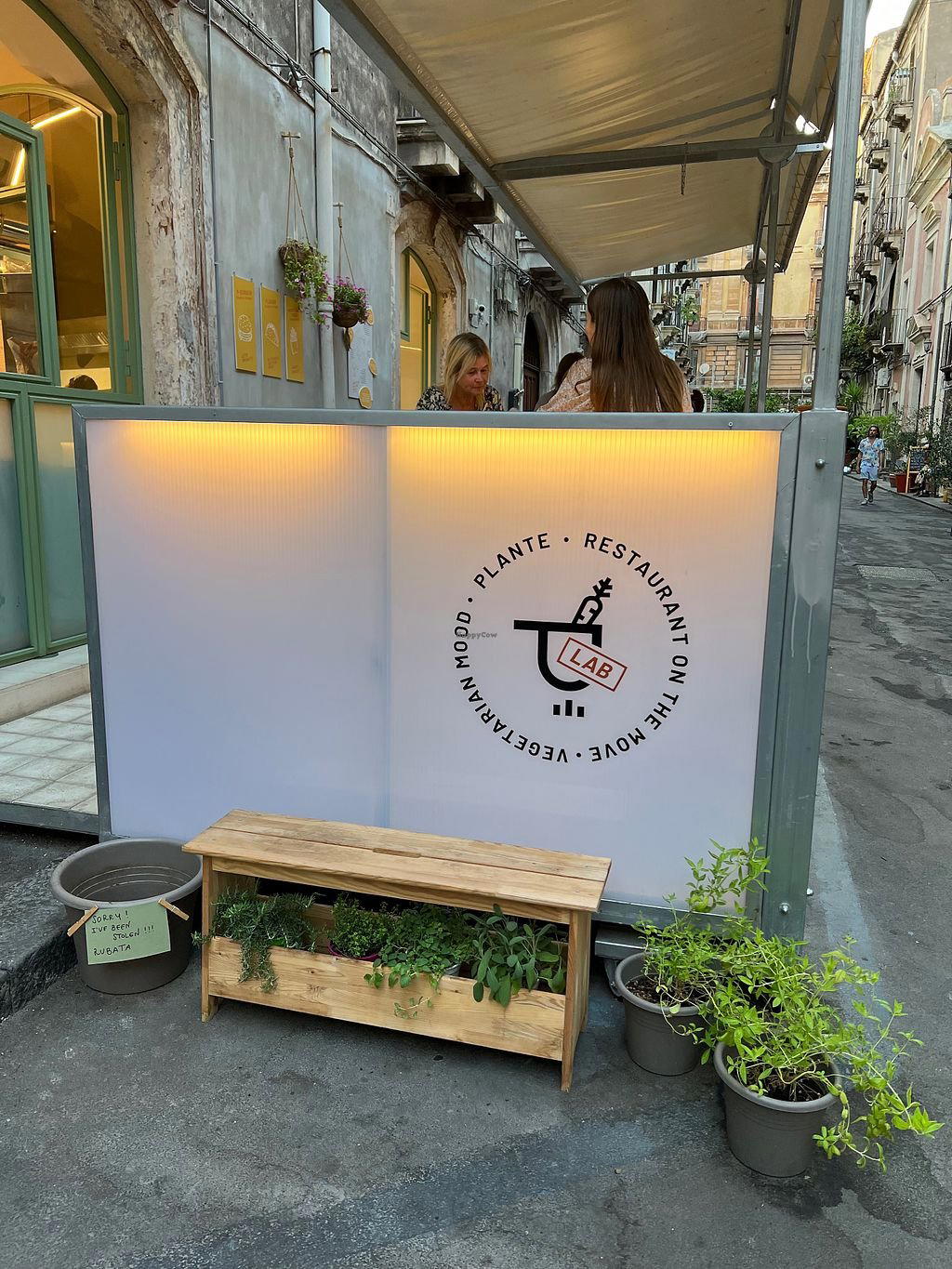
Where Catania's Experimental Dining Finds Its Footing
Catania's restaurant culture has always operated in the shadow of Palermo's louder reputation, but the city on the eastern flank of Sicily has been building its own argument for serious dining over the past decade. The axis that runs through its baroque centre, from the fish market at Piazza Carlo Alberto to the quieter residential streets south of the Duomo, now carries a handful of restaurants that are doing something more ambitious than replicating grandmothers' recipes. PLANTE Lab sits on Via Sant'Anna, a street that signals neither tourist circuit nor neighbourhood canteen. That address alone places it in a specific tier: venues that have chosen geography deliberately, away from the flow of foot traffic that sustains more accessible formats.
The word "Lab" in a restaurant name has become a common shorthand across European dining, deployed by venues that want to signal process-led thinking: fermentation programs, seasonal R&D;, ingredient-first menus that shift when the produce shifts. Whether the format at PLANTE Lab maps precisely onto that model requires a visit to confirm, but the naming convention places it in dialogue with a broader movement in Italian contemporary cuisine that treats the kitchen as a space of investigation rather than execution. That movement has produced some of Italy's most discussed tables, from Osteria Francescana in Modena to Reale in Castel di Sangro, and its influence has filtered steadily southward.
Sicily as Raw Material: What the Island Brings to the Plate
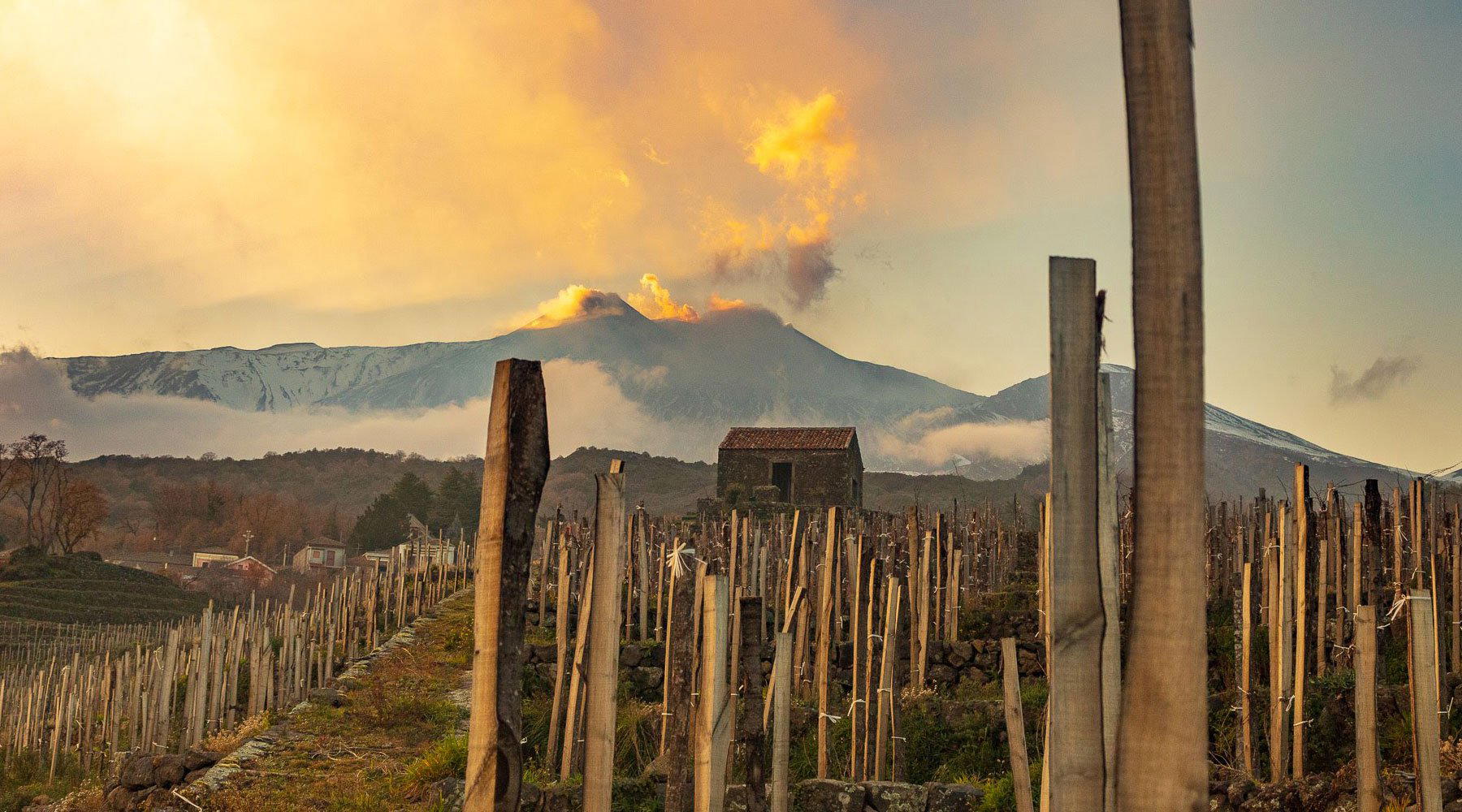
To understand what a lab-inflected approach means in Catania specifically, you have to understand what Sicily offers as a larder. The island's agricultural and maritime conditions are among the most varied in the Mediterranean: tuna and swordfish from the Strait of Messina, pistachios from Bronte on the slopes of Etna, capers from Pantelleria, blood oranges from the plains of Ribera, and a volcanic soil around Catania itself that gives local produce a mineral intensity that chefs elsewhere in Europe actively seek out. Etna's influence on the land is not romantic shorthand; it is a measurable agronomic reality, and it gives Catanian kitchens a genuine point of difference from the broader Sicilian tradition centred further west.
Creative restaurants in Catania, including Coria and the seafood-focused Angiò-Macelleria di Mare, have each staked out positions along the spectrum between tradition and invention. The competitive set also includes Big Daddy's and the Moorish-inflected Casbah del Moro, both of which approach the city's layered cultural history from different angles. What the lab designation implies, at PLANTE's price point and format, is a more deliberate engagement with technique as the bridge between ingredient and plate. The question any such venue must answer is whether the technical ambition serves the produce or obscures it.
Sicily's Arab-Norman Culinary Inheritance
Catania's cuisine carries one of the most complex cultural genealogies in European cooking. Arab rule from the ninth to eleventh centuries introduced sweet-sour contrasts, dried fruits, saffron, and the agrodolce logic that still runs through dishes like caponata. The Normans who followed absorbed and reinterpreted those conventions. Spanish Bourbon rule added tomato and chocolate to a pantry already dense with North African influence. What emerged is a cuisine that is formally Italian but structurally hybrid, and any restaurant in the city that takes its cultural context seriously is working with those layers whether it acknowledges them explicitly or not.
The "lab" framing, applied to this particular culinary inheritance, suggests something more analytically engaged than a direct celebration of tradition. Venues in this category, comparable in spirit to the southern Italian creative restaurants that have drawn sustained attention from publications such as the Michelin Guide, tend to use historical precedent as a starting point for reinterpretation rather than as a template for reproduction. For a broader view of what contemporary creative cooking looks like at the highest Italian register, the work being done at Piazza Duomo in Alba or Le Calandre in Rubano provides useful reference points, even if the format and geography differ substantially from what PLANTE Lab represents in Catania's more intimate scene.
Catania's Dining Tier Structure
Catania's contemporary restaurant scene spans a range that is wider than the city's tourism profile might suggest. At the accessible end, venues like Al Vicolo Pizza&Vino; handle quality Sicilian staples with a neighbourhood-first approach. At the top of the market, a small number of restaurants are working with the same seriousness found at addresses like Enrico Bartolini in Milan or Uliassi in Senigallia, even if recognition has been slower to arrive in Sicily than in northern Italy. PLANTE Lab's Via Sant'Anna address and its lab identity place it in the upper-creative segment of that local tier, alongside Coria and Concezione Restaurant, where the ratio of technique to tradition is deliberately weighted toward the former.
Italian fine dining's southern chapter has historically been written around coastal seafood and pastoral mountain produce rather than the volcanic urban centres. That is shifting. Catania now has enough serious restaurants operating in the creative register that a meal trail across two or three evenings in the city makes genuine sense for the food-focused traveller, rather than a single destination dinner bracketed by tourist meals. Our full Catania restaurants guide maps that trail in detail.
Planning a Visit to PLANTE Lab
Via Sant'Anna sits within the historic centre of Catania, walkable from the Piazza del Duomo and the surrounding baroque district that was rebuilt after the 1693 earthquake. That urban fabric, all dark lava stone and ornate facades, frames the approach to smaller venues in the area in a way that is specific to Catania and unlike anything in the Sicilian west. For context on how Italian creative restaurants at comparable ambition levels handle the booking and arrival experience, venues such as Quattro Passi in Marina del Cantone or Dal Pescatore in Runate illustrate how destination-level seriousness and intimate scale coexist across Italian fine dining.
Frequently asked questions
Where is PLANTE Lab in Catania?
PLANTE Lab is located at Via Sant'Anna, 5, 95124 Catania CT, Italy, Catania.
How does PLANTE Lab compare to other creative restaurants in Catania's historic centre?
Catania's creative dining tier is compact, operating at a different register from the Michelin-starred addresses that define Italy's national restaurant conversation. PLANTE Lab's position on Via Sant'Anna, within walking distance of the Piazza del Duomo, places it inside the baroque core of a city whose restaurant culture has historically received less international attention than Palermo's.
What do people recommend at PLANTE Lab?
Visitors drawn to creative Italian cooking tend to seek out PLANTE Lab for its technique-led approach to Sicilian ingredients rather than a fixed signature dish. The 'lab' framing suggests a menu shaped by ongoing experimentation, meaning the most consistent recommendation is to order across the full progression rather than selecting individual plates. Located on Via Sant'Anna in Catania's historic centre, the experience is geared toward guests willing to follow the kitchen's current direction.
Should I book PLANTE Lab in advance?
For a creative restaurant operating at this level in a city the size of Catania, advance booking is a practical necessity. Catania's experimental dining tier is small enough that the venues within it fill quickly, particularly on weekends and during Sicily's peak travel months from May through October. Contacting PLANTE Lab directly via its Via Sant'Anna address or through current reservation channels before your visit is the straightforward approach.
What's the defining dish or idea at PLANTE Lab?
The 'lab' designation positions PLANTE's identity around methodology rather than any single plate: the premise that each menu iteration reflects active investigation into Sicilian ingredients and technique. This places it closer to a research-driven kitchen model than a restaurant built around a few celebrated recipes. For diners coming from outside Catania, that distinction matters — the draw is the framework of inquiry, not a dish to check off.
A Pricing-First Comparison
Comparable venues nearby, for context on price, style, and recognition.
| Venue | Cuisine | Price | Notes |
|---|---|---|---|
| PLANTE LabThis venue — the venue you are viewing | Vegan Plant-Based Fast Food | $10–20 | Not listed |
| Al Vicolo Pizza&Vino | Gourmet Sicilian Pizza & Wine | $20–30 | City Center, Gourmet Sicilian Pizza & Wine |
| Kyō-To Sushi Catania | Japanese-Asian Contemporary Sushi | $20–30 | Centro Catania, Japanese-Asian Contemporary Sushi |
| Vermut | Sicilian Salumeria & Vermouth Bar | $10–20 | Centro Catania, Sicilian Salumeria & Vermouth Bar |
| Big Daddy's | American Bar Snacks | Not listed | Stesicoro, American Bar Snacks |
| Osteria Antica Marina | Sicilian Seafood Osteria | $30–50 | Zona Pescheria, Sicilian Seafood Osteria |
Continue exploring
More in Catania
Restaurants in Catania
All restaurants in Catania →
Bars in Catania
Browse all →

Details
- Casual
- Trendy
- Cozy
- Casual Hangout
- Open Kitchen
- Sustainable Seafood
- A La Carte
- Vegan Options
- Vegetarian Friendly
- Gluten Free Options
Current opening hours
- Monday
- 12–11:30 PM
- Tuesday
- 12–11:30 PM
- Wednesday
- 12–11:30 PM
- Thursday
- 12–11:30 PM
- Friday
- 12–11:30 PM
- Saturday
- 12–11:30 PM
- Sunday
- 12–11:30 PM
Hours can change for holidays and private events. Last verified .
Friendly and welcoming casual atmosphere with quick service, popular among vegans and gym-goers.