Osteria Antica Marina sits directly inside Catania's La Pescheria fish market on Via Pardo, placing it at the source of one of Sicily's most active daily seafood trades. The kitchen works with what the market delivers each morning, which means the menu follows the catch rather than the calendar. For visitors to Catania looking for a direct line between the harbour and the plate, few addresses are this geographically honest.
Pearl is the En Primeur Club membership app — saves, bookings, and concierge access live there. Same editors, same standards.
- Address
- Zona Pescheria, Via Pardo, 29, 95121 Catania CT, Italy
- Phone
- +39 095 348197
- Website
- anticamarina.it
- Directions
- Get directions
 Saves & bookings on Pearl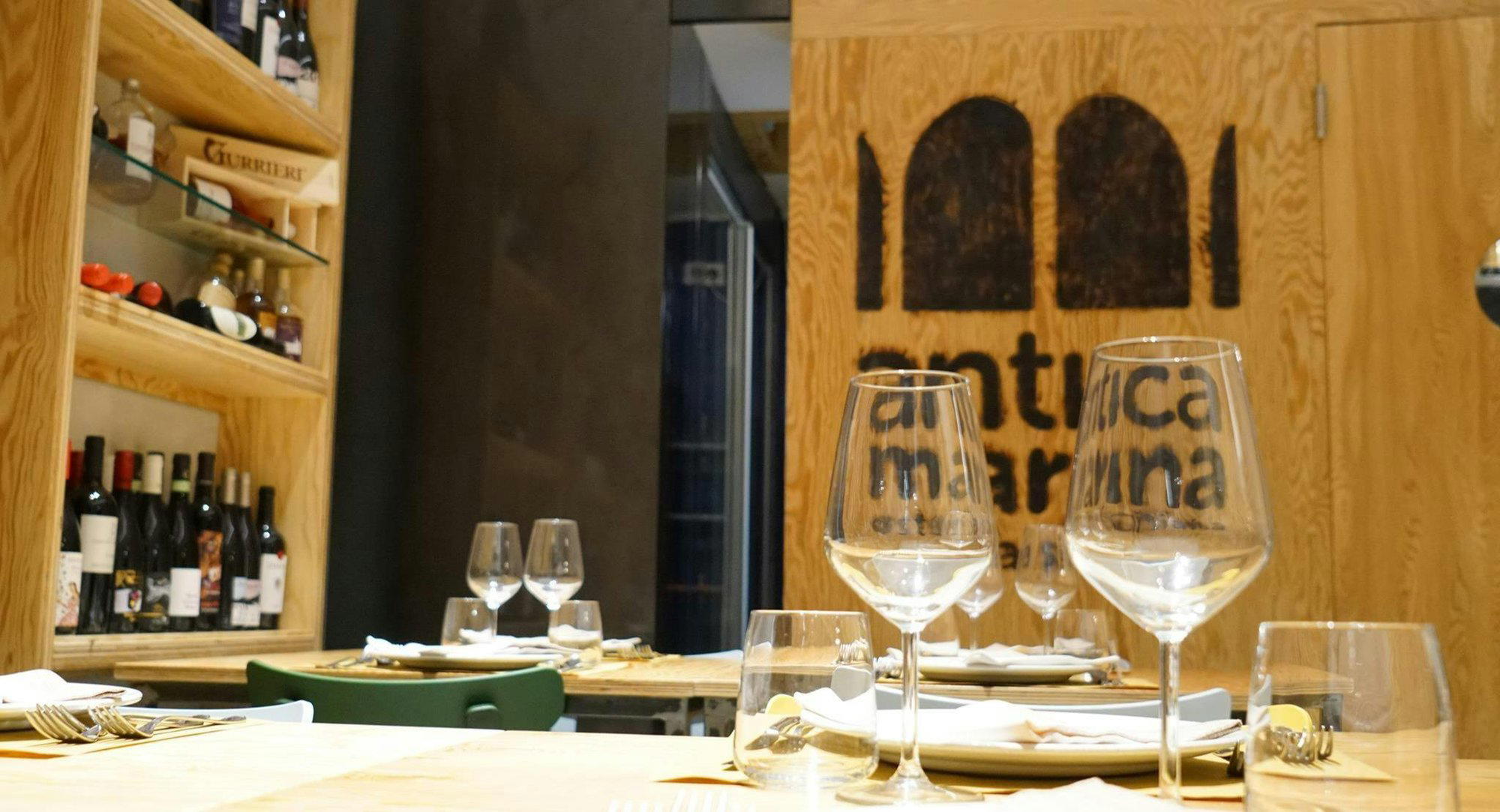
Where the Market Ends and the Kitchen Begins
Catania's La Pescheria is among the more operationally serious fish markets in southern Italy. By six in the morning, the stalls along Piazza del Duomo's lower terrace are already loud with swordfish, sea urchin, octopus, and whatever the overnight catch brought in. Osteria Antica Marina sits inside this theatre on Via Pardo, 29, which means its supply chain is measured in metres rather than kilometres. The distinction matters: in a city where proximity to the source shapes the entire logic of what ends up on a plate, an address embedded in the market itself places this kitchen in a different conversation from any restaurant that sources by telephone or delivery truck.
The physical approach tells you what kind of place this is before you've sat down. You pass fishmongers, ice slabs, and vendors calling prices as you arrive. The transition from market floor to dining room is deliberately abrupt. That lack of buffer between commerce and cooking is the point. Sicily's coastal restaurant tradition has always drawn meaning from this compression of geography, and Catania, as the island's second city with a harbour that has been commercially active since the Greeks, carries that tradition with particular density.
Ingredient Sourcing as the Editorial Spine
The sourcing model at an osteria positioned inside an active market is structurally different from the farm-to-table framing that has become shorthand at restaurants in other contexts. Here, it is not a philosophy imposed on a conventional supply chain. It is the supply chain. What arrives at the market stalls before dawn determines what the kitchen can offer that day. The menu, by consequence, is a document of availability rather than a static list designed for consistency across seasons.
This model places the osteria in alignment with a particular strand of Sicilian coastal cooking that prioritises freshness as the primary technical intervention. In that tradition, the cook's role is largely one of restraint: to apply heat, salt, acid, or oil in measures that clarify rather than transform. The fish does not need to be complicated. Sea urchin from the straits around Catania, red shrimp from the deeper Sicilian Channel, or swordfish caught in the waters off Messina each carry enough character that elaborate preparation becomes a distraction. The kitchens that understand this tend to keep their technique tight and their menus short.
For comparison, the sourcing ambitions at Italy's formal dining tier, including restaurants like Uliassi in Senigallia or Quattro Passi in Marina del Cantone, involve direct relationships with specific producers, aged ingredients, and chef-driven narratives around each dish. That is a different and equally legitimate model. But it operates at a remove from the raw commerce of a working market. What Osteria Antica Marina offers is the opposite of mediated: the gap between catch and table is almost entirely absent.
Catania's Seafood Tier and Where This Fits
Catania's restaurant scene spans a range that runs from single-euro arancini at street stalls to creative tasting menus at addresses like Coria, which operates in the Italian Contemporary register at the €€€ level. Within the seafood-specific tier, the comparable address is Angiò-Macelleria di Mare, which takes an approach to raw and cured seafood that positions it closer to a concept-driven format. Osteria Antica Marina works in a more classically osteria mode: the format is grounded in cooked preparations, shared dishes, and a setting that reads as utilitarian rather than designed.
That positioning gives it a different kind of authority. The osteria format in Italy carries trust signals that predate the modern restaurant. An osteria is expected to be honest about its ingredients, direct in its technique, and priced in relation to what the food actually costs rather than what the setting might justify. In a market location, that expectation is both easier to meet and harder to fake. Diners can, if they choose, walk twenty metres to the stall and price the fish themselves.
Other Catania options for context: Al Vicolo Pizza&Vino and Big Daddy's occupy different registers entirely, while Casbah del Moro reflects the North African culinary influence that runs through Catania's food history. For a mapped sense of how these addresses relate to one another across the city, the full Catania restaurants guide provides the broader frame.
Sicily in the Italian Seafood Conversation
Italy's most formally recognised seafood cooking tends to concentrate in specific coastal corridors: the Ligurian coast, the Adriatic around Senigallia and the Marche, and the Amalfi side of Campania. Sicilian seafood, despite the island's obvious geographic advantages, has historically received less critical infrastructure around it. The Michelin attention that has gone to places like Reale in Castel di Sangro or the long-standing prestige of Dal Pescatore in Runate reflects an inland and northern Italian bias in formal Italian dining recognition. This is gradually shifting, but the gap remains.
What that means practically is that Catania's leading seafood eating tends to operate outside the award-tracked tier. It exists in the market, in the pescheria restaurants, in the trattorie that do not publish tasting menus and do not solicit critic visits. The quality argument for this tier is not that it rivals the formal dining of somewhere like Osteria Francescana in Modena or the technical precision of Le Bernardin in New York City. It is that it offers something those kitchens cannot: fish that was alive in the sea this morning, sold at a stall thirty metres away, and cooked without the overhead of a starred kitchen's expectations.
Planning a Visit
Osteria Antica Marina is located at Via Pardo, 29, inside the La Pescheria market zone in central Catania, within walking distance of Piazza del Duomo. The market context means lunch is the logical meal: the morning's catch is at its freshest, the market atmosphere is still active, and the transition from browsing the stalls to sitting down to eat makes geographical and temporal sense. Evening visits are possible, but the market energy that gives the location its character has wound down by then. Booking ahead is advisable, particularly for lunch on weekends, when the area draws both locals and visitors.
In Context: Similar Options
Comparable venues nearby, for context on price, style, and recognition.
| Venue | Cuisine | Price | Awards | Notes |
|---|---|---|---|---|
| Osteria Antica MarinaThis venue — the venue you are viewing | Sicilian Seafood Osteria | $$$ | Not listed | Not listed |
| Etnea Roof Bar & Restaurant by “UNA cucina” | Modern Sicilian with Seafood | $$$ | Not listed | Centro Catania |
| Al Vicolo Pizza&Vino | Gourmet Sicilian Pizza & Wine | $$ | Not listed | City Center |
| Casbah del Moro | Modern Moroccan Hummus Bar & Kitchen | $$ | Not listed | Catania City Center |
| Big Daddy's | American Bar Snacks | $$ | Not listed | Stesicoro |
| Ménage | Contemporary Italian with Sicilian Influences | $$$$ | Michelin Plate | Centro Catania |
Continue exploring
More in Catania
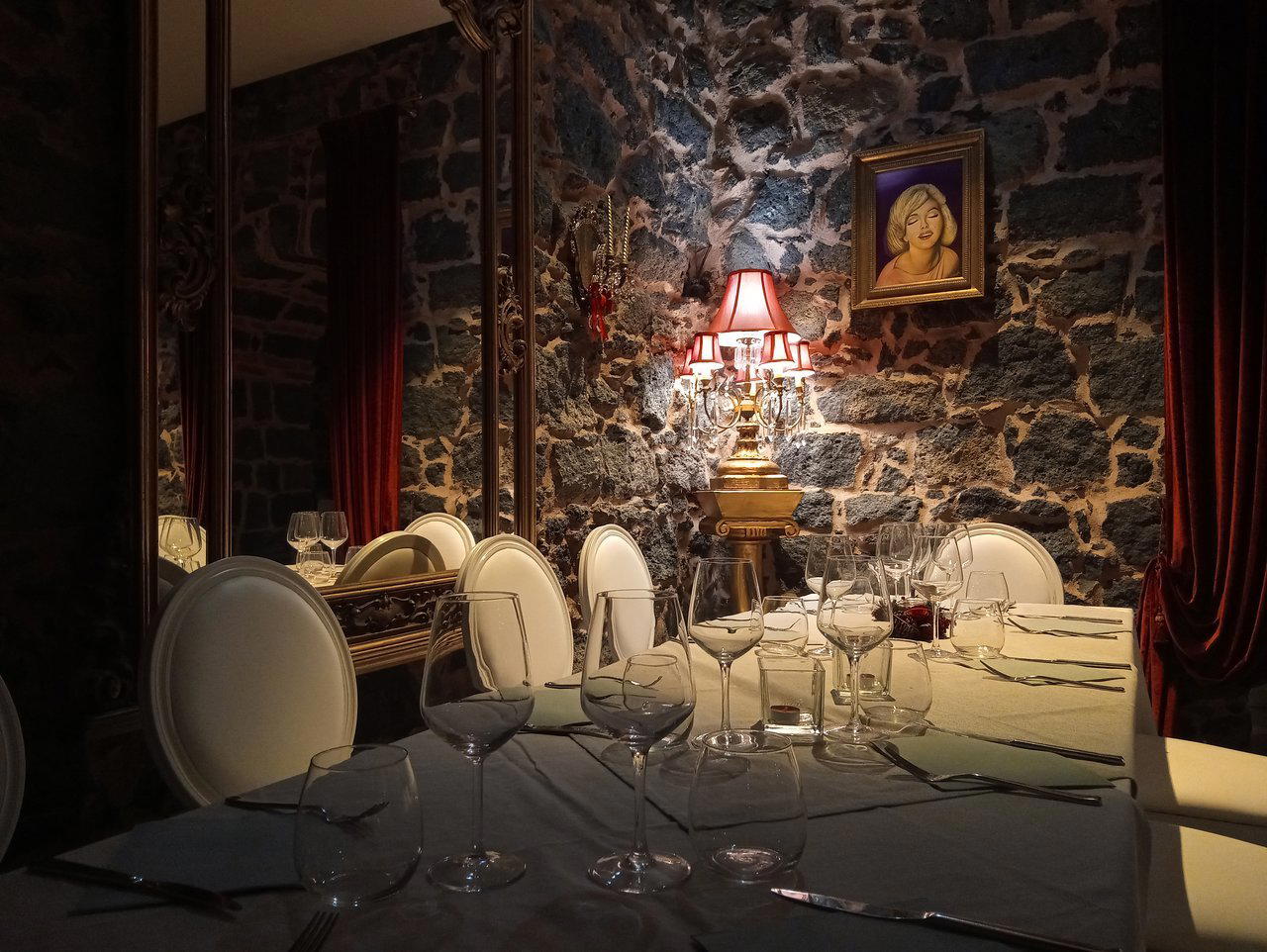
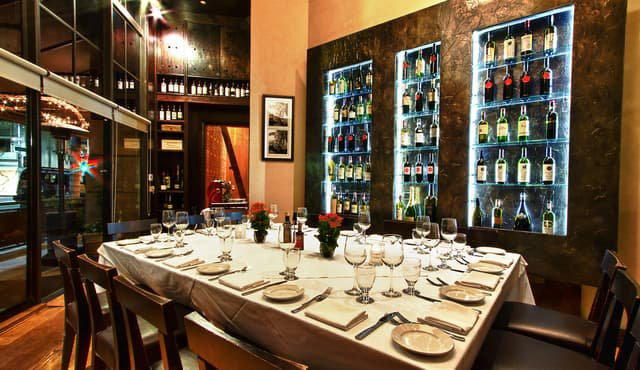
Restaurants in Catania
Browse all →
Bars in Catania
Browse all →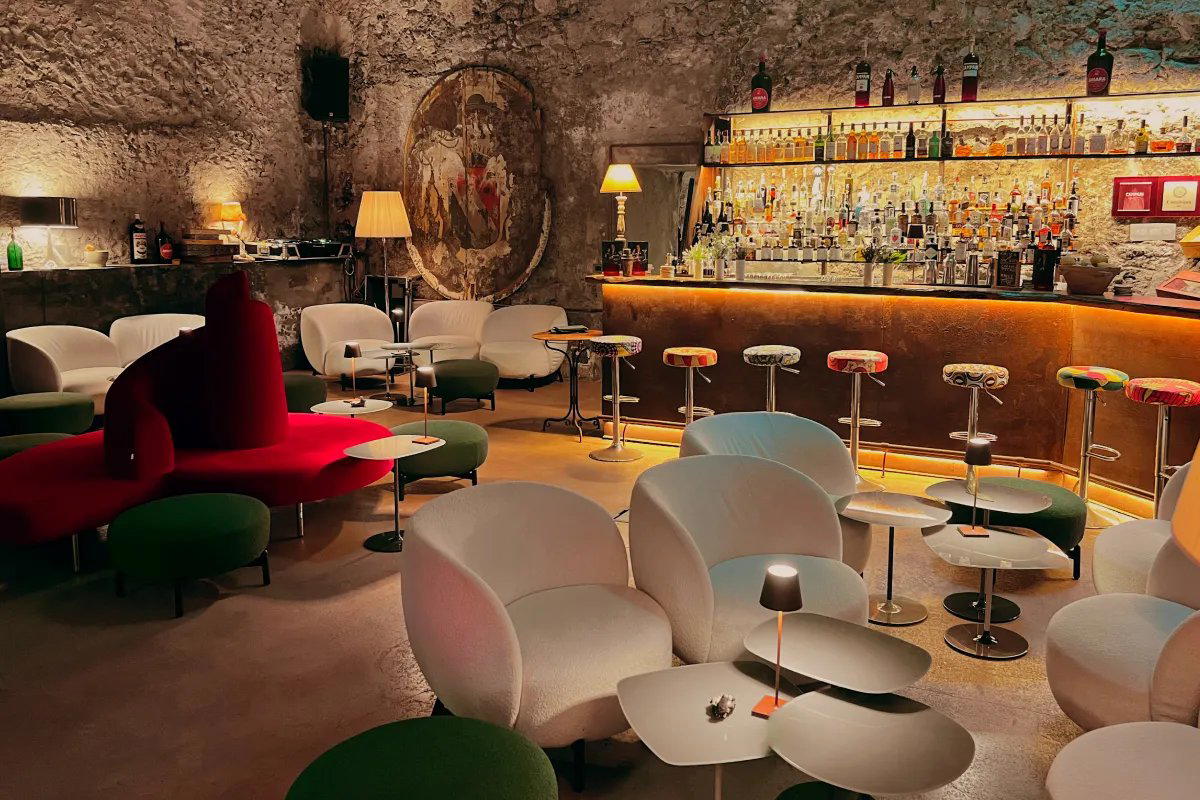
Hotels in Catania
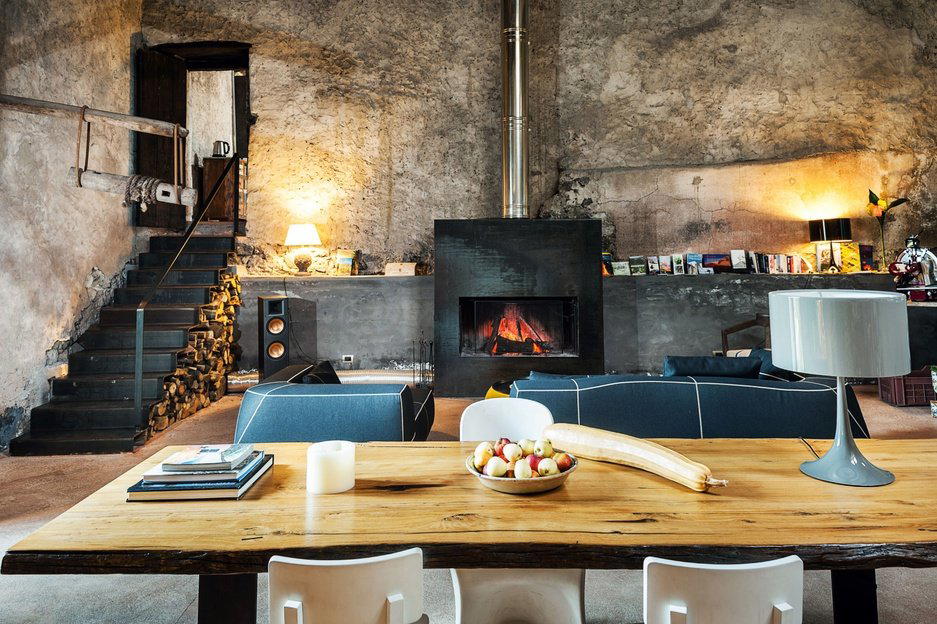
Browse all →



At a Glance
- Rustic
- Lively
- Casual Hangout
- Family
- Open Kitchen
- Local Sourcing
- Street Scene
Current opening hours
- Monday
- 12:30–3 PM, 7:30–11 PM
- Tuesday
- 12:30–3 PM, 7:30–11 PM
- Wednesday
- 12:30–3 PM, 7:30–11 PM
- Thursday
- 12:30–3 PM, 7:30–11 PM
- Friday
- 12:30–3 PM, 7:30–11 PM
- Saturday
- 12:30–3 PM, 7:30–11 PM
- Sunday
- 12:30–3 PM, 7:30–11 PM
Hours can change for holidays and private events. Last verified .
Rustic decor with a lively atmosphere filled with market sounds, enveloped in aromas of grilled fish and sauces.