Al Vicolo Pizza&Vino focuses on Gourmet Sicilian Pizza & Wine, with Giant Margherita Pizza, Bresaola Pizza, a terrace, and an extensive wine list for dinner or late night.
Pearl is the En Primeur Club membership app — saves, bookings, and concierge access live there. Same editors, same standards.
- Address
- Via del Colosseo, 5/7, 95124 Catania CT, Italy
- Phone
- +39 095 836 0730
- Website
- alvicologroup.com
- Directions
- Get directions
 Saves & bookings on Pearl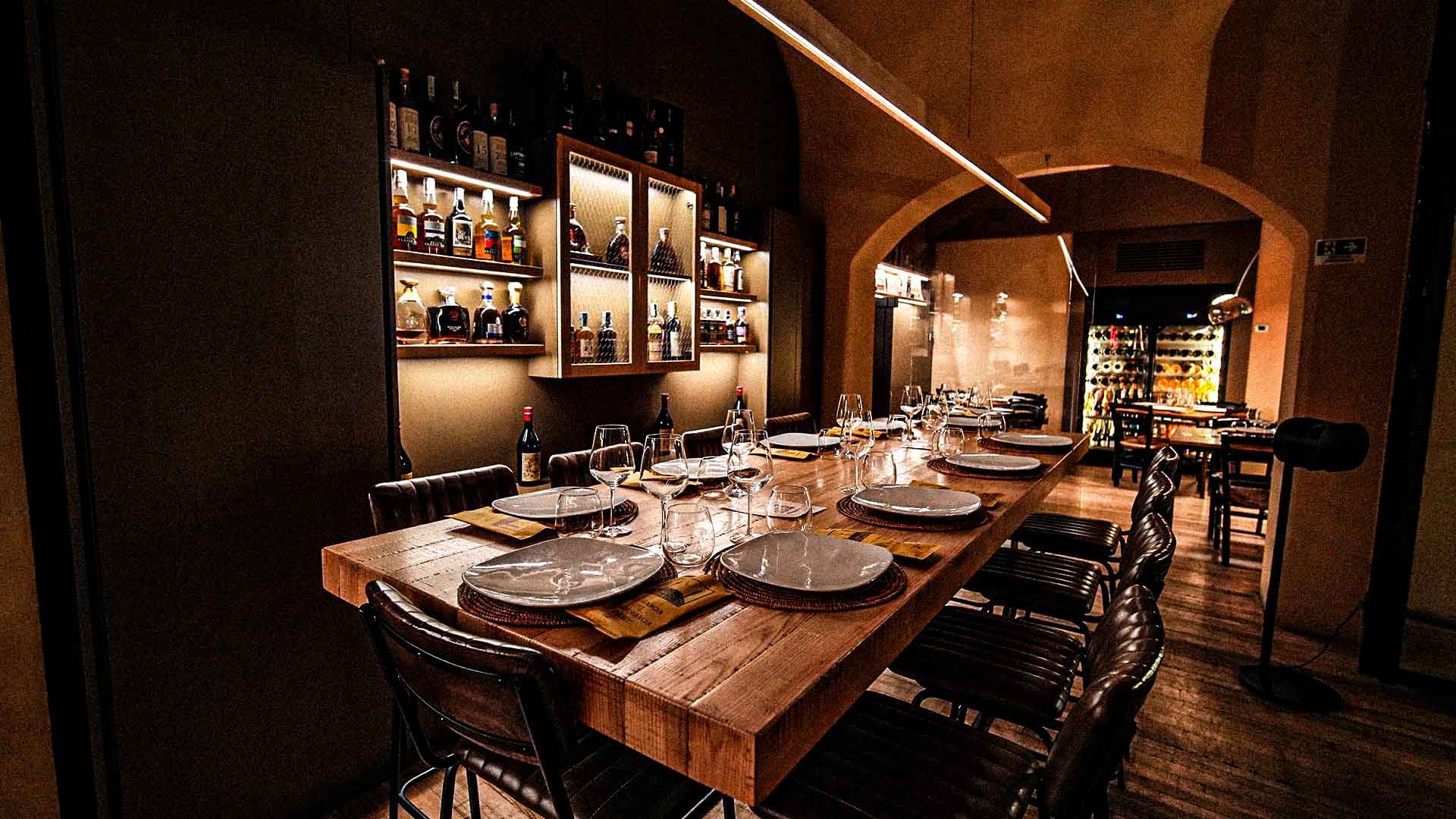
Pizza and Wine in Catania: Where the Street Meets the Table
Al Vicolo Pizza&Vino is a restaurant in Catania serving Gourmet Sicilian Pizza & Wine at Via del Colosseo, 5/7. Al Vicolo Pizza&Vino sits at numbers 5 and 7 along that stretch, a format that signals its intent before you read a menu: this is a place where pizza and wine occupy equal billing, and the room is built around that pairing rather than around spectacle or ceremony.
That positioning matters in a city where the dining conversation has become more layered. Catania's restaurant scene now spans everything from single-ingredient seafood counters at Angiò-Macelleria di Mare to the considered Italian Contemporary cooking at Coria. Al Vicolo's pizza-and-wine model carves out a different niche: the kind of place where the ambition is lateral rather than vertical, focused on doing two things well rather than on tasting-menu theatrics.
The Cultural Weight of Pizza in Sicily
Pizza in Sicily carries different baggage than it does on the mainland. Naples owns the canonical argument, with Vera Pizza Napoletana certification and a UNESCO intangible heritage designation for its dough tradition. But Sicily has its own gravitational pull: the sfincione tradition of Palermo, the thick-based, olive-oil-rich slabs sold by weight in street markets, and a broader culture of bread-making tied to durum wheat cultivation that predates the tomato's arrival in Europe by centuries.
Contemporary Sicilian pizzerias have largely absorbed the Neapolitan cornicione model while adapting it to local flour, local dairy, and local produce. The result, at the better addresses, is a crust with slightly more structural density than its Neapolitan counterpart, carrying toppings that reflect the island's pantry: capers from Pantelleria, anchovies from Sciacca, pistachios from Bronte, and the kind of aged sheep's milk cheese that bears no resemblance to industrial fior di latte. That pantry is among the more distinctive in Italy, and it sets a high ceiling for what pizza can do in this region.
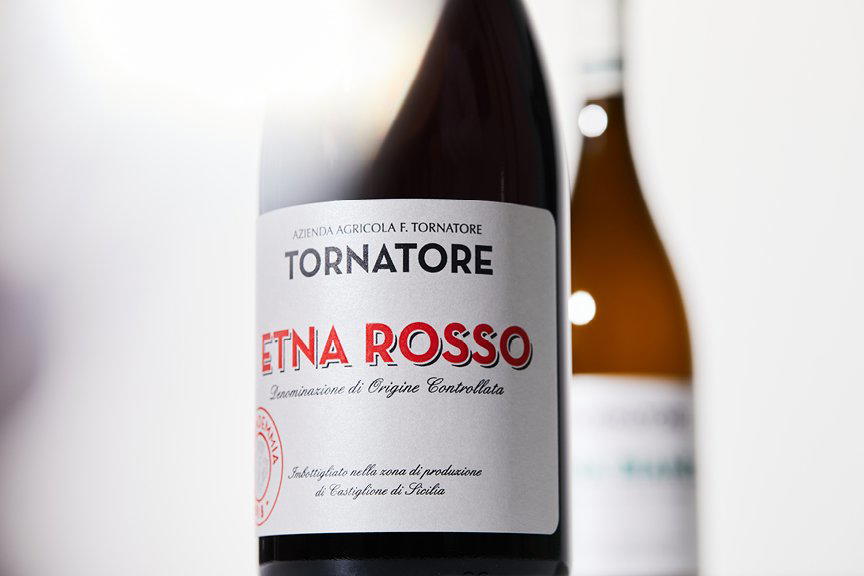
The wine side of the equation is equally grounded in Sicilian context. Etna's volcanic wines, led by Nerello Mascalese from high-altitude vineyards on the mountain's north face, have drawn serious international attention over the past fifteen years, shifting the island's wine identity away from bulk production toward precision and terroir. Carricante, the white grape of Etna, has followed a similar trajectory. A pizza-and-wine address in Catania has access to a wine list that no equivalent address in Rome or Florence can replicate by geography alone, and the leading of these operations take that seriously.
Format and Setting
The pizza-and-wine format occupies a specific middle tier in Catania's dining spectrum. It sits above the street-food operators selling arancini and pane ca meusa by the piece, and below the full-service modern Sicilian restaurants that have absorbed fine-dining grammar into their menus. Venues like Concezione Restaurant and the broader creative category represent one endpoint of that spectrum; a place named Al Vicolo Pizza&Vino positions itself deliberately at the other, where the contract with the diner is simpler and the kitchen's quality signal lives in the base product.
That simplicity is not casual in the pejorative sense. Across Italy, particularly serious pizza addresses operate with sourcing discipline and dough methodology that rivals what goes into a tasting-menu kitchen. Fermentation times, flour blends, oven temperatures, and hydration ratios are the variables that separate a forgettable crust from one worth returning for. Whether Al Vicolo operates at that level of technical focus is information the venue's own record does not confirm, but the broader context of Catania's rising food standards makes it a reasonable expectation for any address that holds its position in the city's neighbourhood fabric.
For a different register entirely in Catania, Big Daddy's and Casbah del Moro offer still other entry points into the city's informal dining options. The range of alternatives confirms that Catania has moved beyond the binary of fine dining versus tourist trattoria, and Al Vicolo's format slots into that more varied middle ground.
Catania in the Italian Restaurant Context
To place Al Vicolo within the wider Italian dining map, it helps to understand where Sicily's restaurant culture sits relative to the country's starred addresses. Italy's most decorated restaurants, from Osteria Francescana in Modena to Le Calandre in Rubano and Piazza Duomo in Alba, anchor themselves in the north and centre. Southern Italy's recognised addresses, including Quattro Passi in Marina del Cantone and Reale in Castel di Sangro, are fewer and generally younger as establishments. Sicily follows that pattern: serious cooking exists, but the infrastructure of recognition catches up more slowly than the quality on the plate.
That gap creates space for neighbourhood-level addresses in cities like Catania to define themselves on their own terms, without the pressure of institutional positioning. A pizza-and-wine address on Via del Colosseo is playing a different game than Enoteca Pinchiorri in Florence or Enrico Bartolini in Milan. The comparison is not between categories of ambition but between categories of use: one answers the question of where to spend a significant occasion, the other answers the question of where to eat well on a regular evening in a Sicilian city that rewards people who pay attention.
For context on how coastal Italian kitchens at the summit of their category approach product and sourcing, Uliassi in Senigallia and Atelier Moessmer Norbert Niederkofler in Brunico provide useful reference points for what rigorous ingredient-led cooking looks like at the high end of the Italian spectrum. Dal Pescatore in Runate offers another angle on Italian tradition as a through-line rather than a starting point for reinvention.
Planning Your Visit
Al Vicolo Pizza&Vino is located at Via del Colosseo 5/7 in Catania's 95124 postal district, within walking reach of the city's historic centre. Dress is casual by convention at venues of this type.
Pricing, Compared
Comparable venues nearby, for context on price, style, and recognition.
| Venue | Cuisine | Price | Awards | Notes |
|---|---|---|---|---|
| Al Vicolo Pizza&VinoThis venue — the venue you are viewing | Not listed | $$ | Not listed | Not listed |
| Kyō-To Sushi Catania | Not listed | $$ | Not listed | Centro Catania, Japanese-Asian Contemporary Sushi |
| Osteria Antica Marina | Zona Pescheria, Sicilian Seafood Osteria | $$$ | Not listed | Not listed |
| Vermut | Not listed | $$ | Not listed | Centro Catania, Sicilian Salumeria & Vermouth Bar |
| Casbah del Moro | Not listed | $$ | Not listed | Catania City Center, Modern Moroccan Hummus Bar & Kitchen |
| Me Cumpari Turiddu | Centro Catania, Traditional Sicilian | $$ | Bib Gourmand | Not listed |
Continue exploring
More in Catania
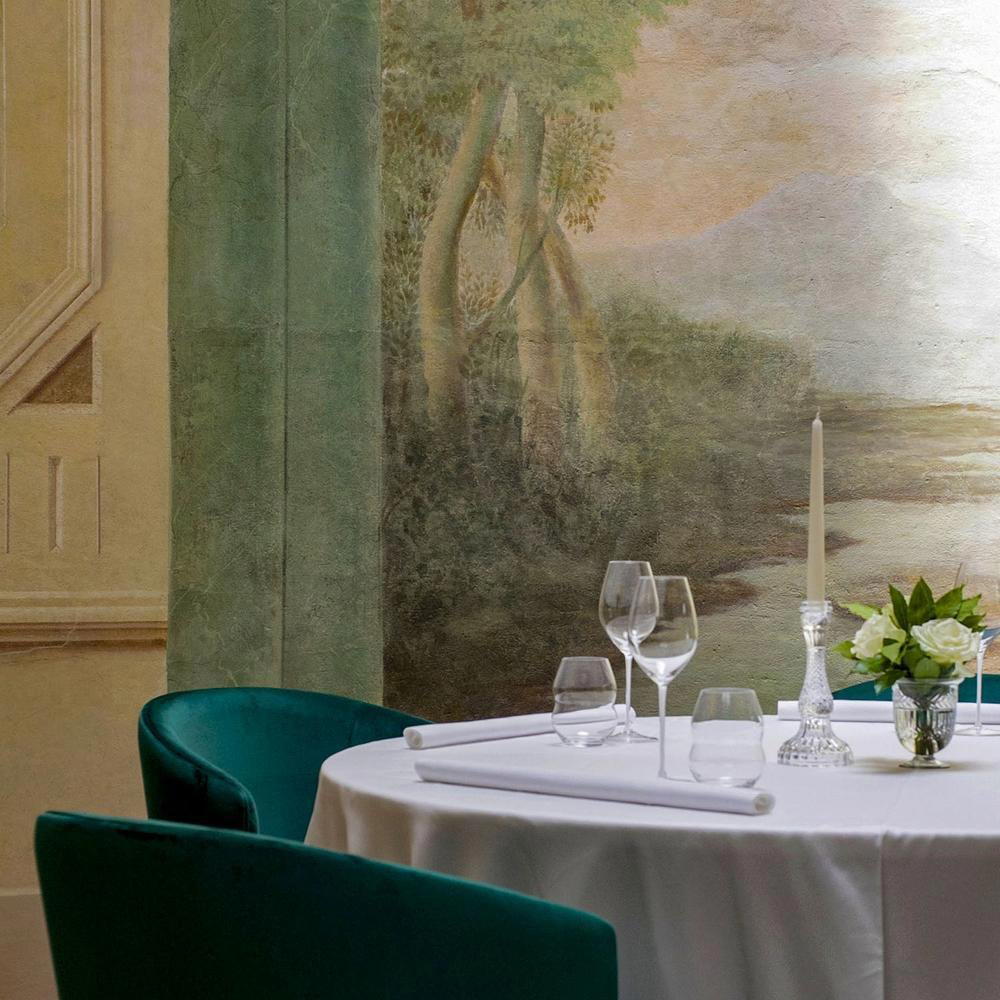
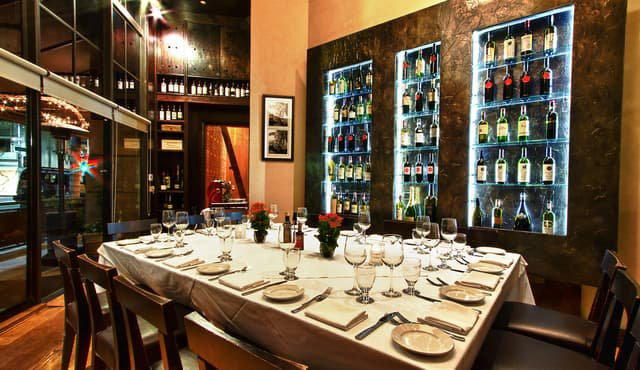
Restaurants in Catania
Browse all →
Bars in Catania
Browse all →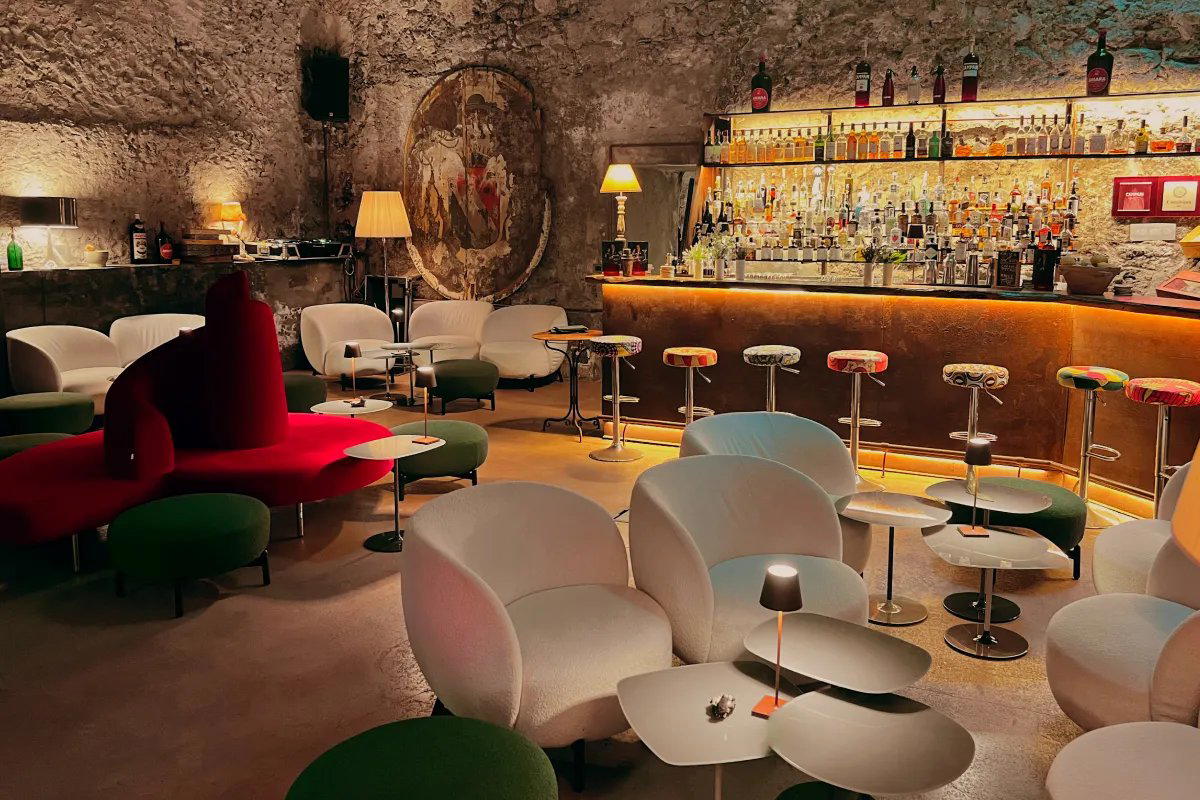
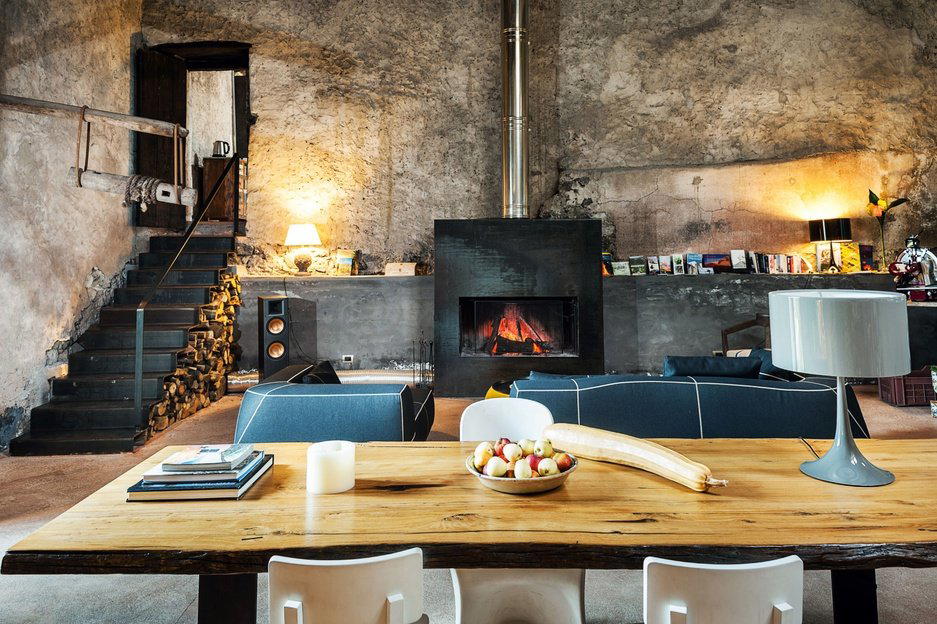
Hotels in Catania
Browse all →



At a Glance
- Lively
- Cozy
- Rustic
- Group Dining
- Casual Hangout
- Late Night
- Open Kitchen
- Terrace
- Extensive Wine List
- Local Sourcing
- Street Scene
Current opening hours
- Monday
- 12:30 PM–1:30 AM
- Tuesday
- 12:30 PM–1:30 AM
- Wednesday
- 12:30 PM–1:30 AM
- Thursday
- 12:30 PM–1:30 AM
- Friday
- 12:30 PM–1:30 AM
- Saturday
- 12:30 PM–1:30 AM
- Sunday
- 12:30 PM–1:30 AM
Hours can change for holidays and private events. Last verified .
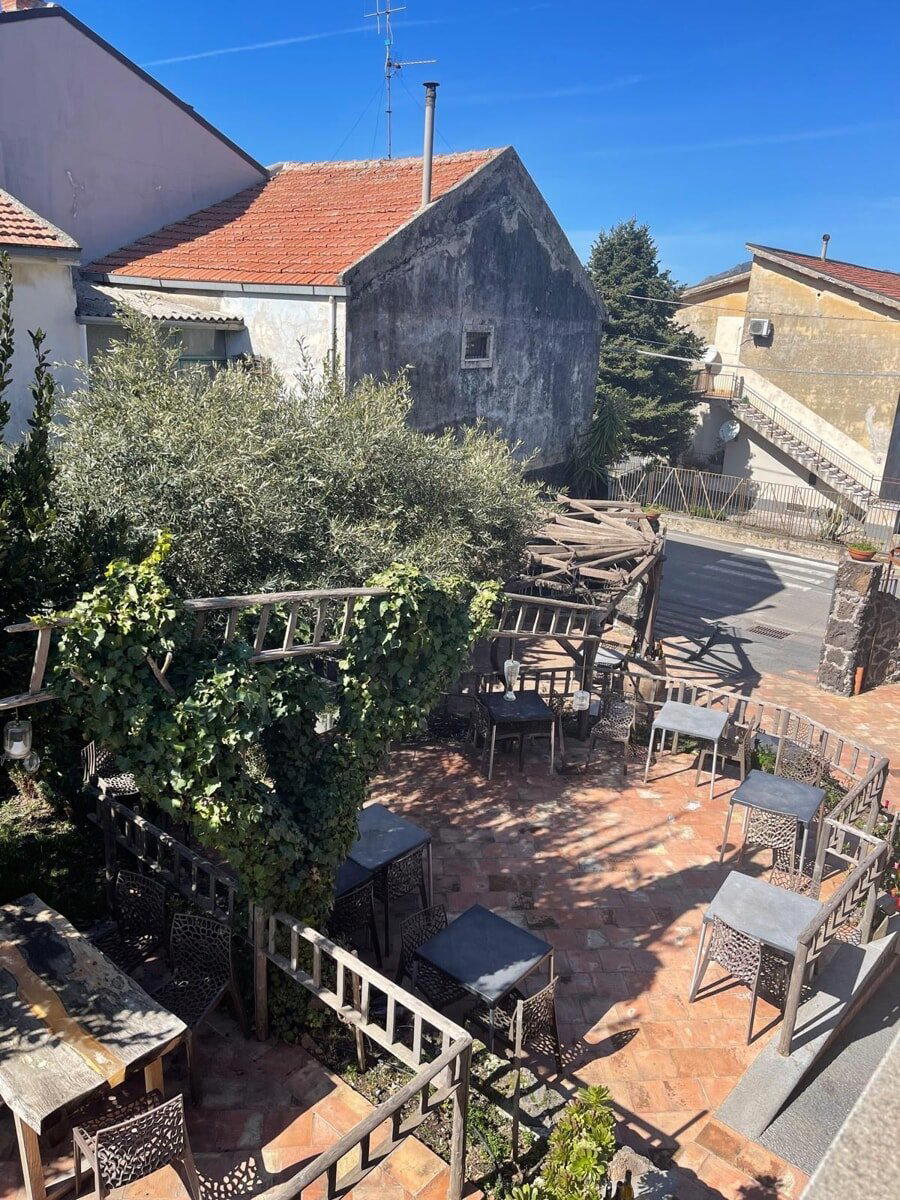
Lively and welcoming atmosphere in the heart of Catania's nightlife district, with lively patio seating and historic views.